



Georgian Elm Side Table
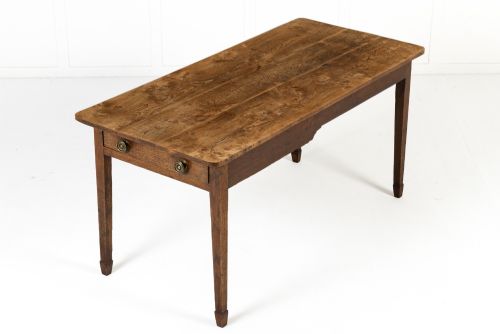
A georgian elm side table brings rustic character and rich grain into a room, offering practical surface space with a warm, domestic presence.
Georgian Elm Side Table
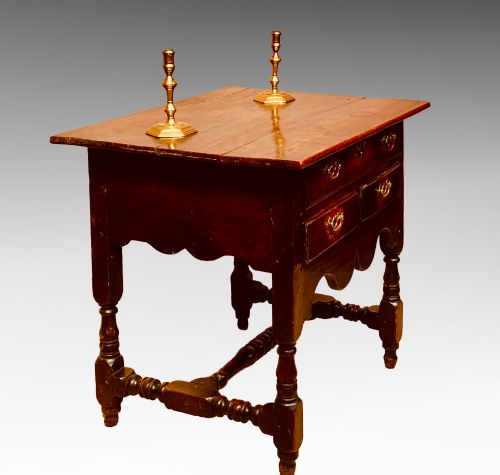
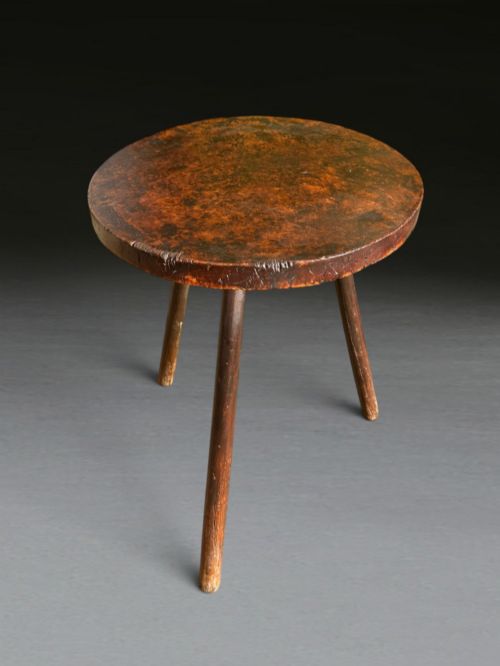
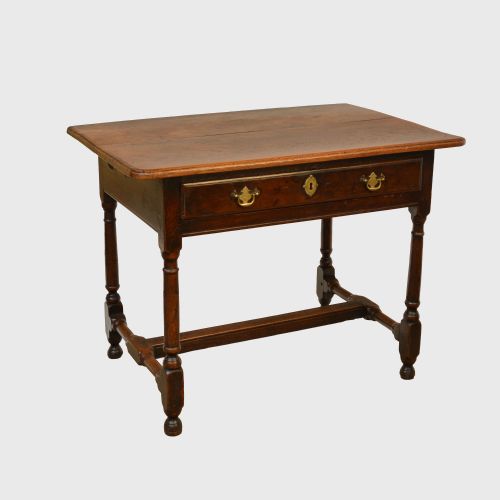
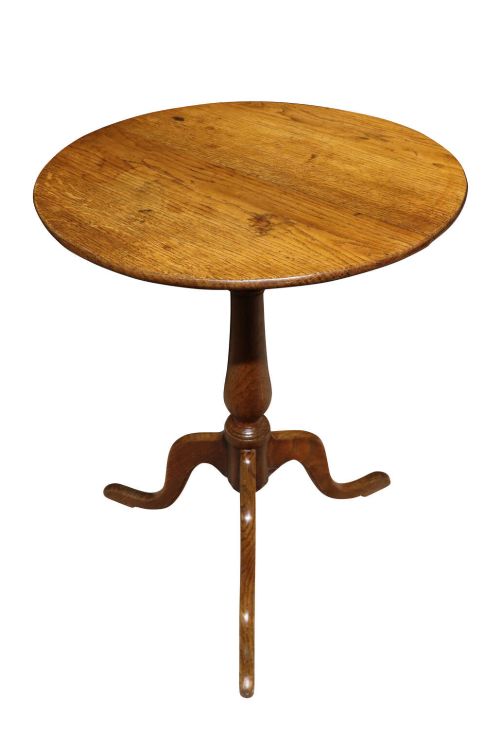
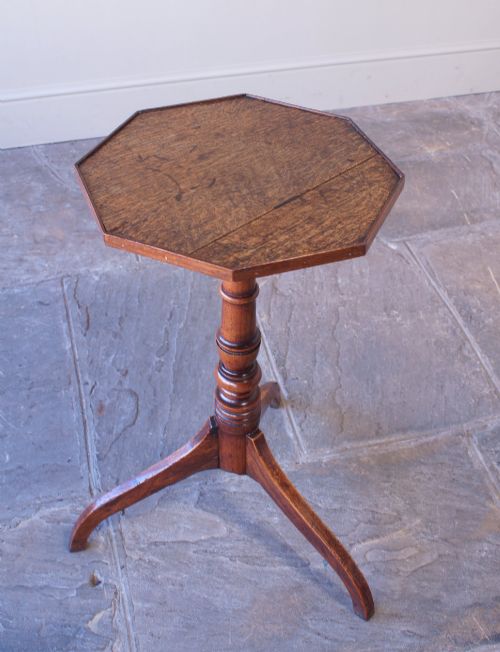
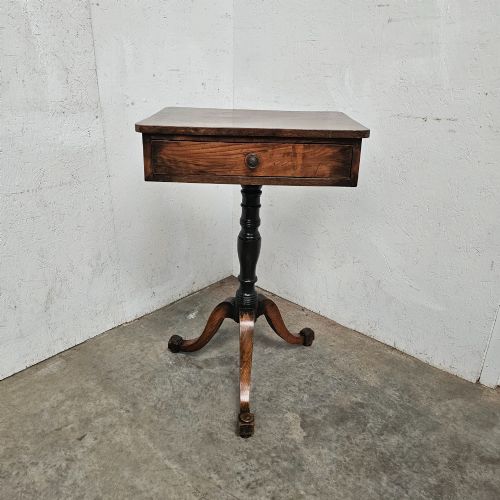
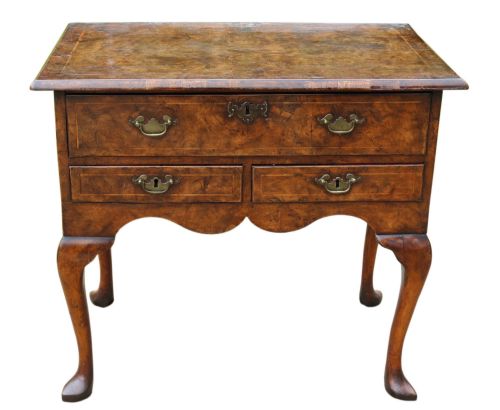
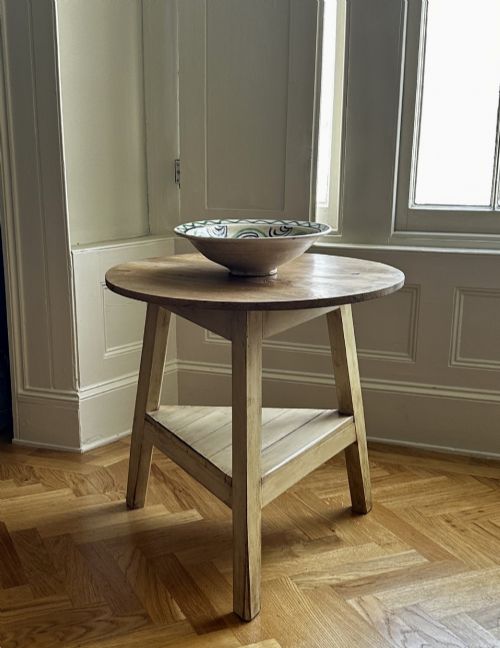
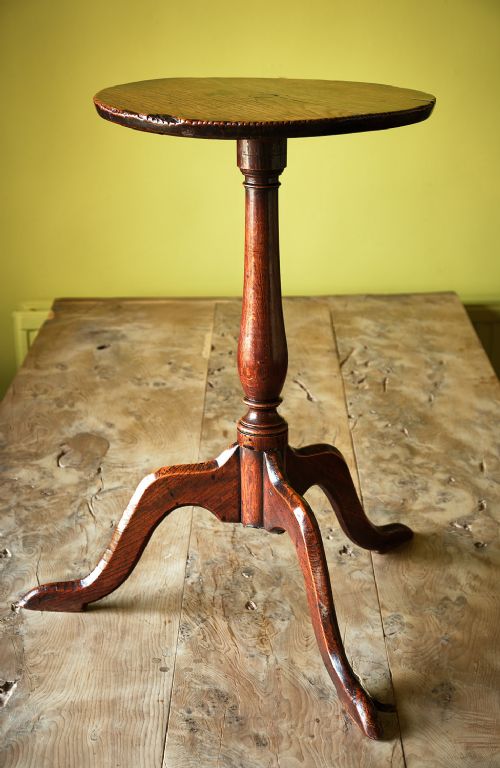
A georgian elm side table typically combines provincial utility with the restrained elegance of the eighteenth and nineteenth centuries, serving domestic spaces as a compact surface for lamps, writing, or display. These pieces frequently appear alongside related forms such as lowboys, tripod occasional tables, and cricket tables.
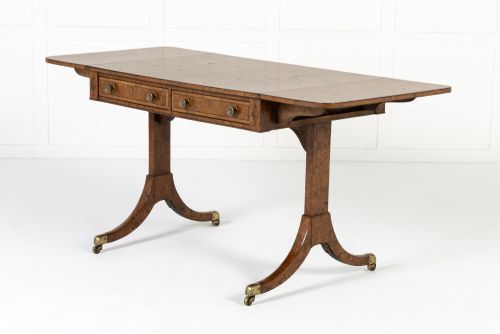
The materials span native timbers, with elm most often paired with oak for structural frames, fruitwood for contrast, and occasional applications of yew or burr elm on top surfaces. Makers of the period utilised these local woods for their toughness and distinct grain patterns rather than imported exotic lumber.
Examples on this page draw from Georgian, Regency, and English country traditions, showing influences ranging from the early eighteenth century up through the nineteenth century. Buyers encounter both simple vernacular tripod tables and more formal lowboys with pad feet or drawer arrangements.
Materials and Construction
Elm timber provides the primary visual impact through its swirling, interlocking grain, which resists splitting and gives the wood its characteristic resilience. Cabinet makers combined this dense timber with oak for structural underframes and fruitwood for secondary elements.
Georgian Elm Side Table Retail Price Guide 2026
Typical asking prices for georgian elm side table among the pieces listed under this phrase on Sellingantiques today, from the lower quarter to the upper quarter. They describe what is for sale here now, not the wider market.
Elm wood grows with a stubborn, twisting grain that famously refuses to stay straight, meaning every table top tells the turbulent story of its tree.
Distinctions in Quality
Quality rests upon the selection of the timber, particularly where figured burr elm or highly quilted grain is chosen for the top surface. Superior examples display thoughtful matching of boards and retention of original surface patination accumulated over centuries.
Proportion and structural integrity distinguish finer country pieces from heavier vernacular builds, with slender turnings and crisp edge details indicating careful workshop execution. The survival of original brass hardware or pad feet further elevates a piece within the range.
The Georgian Elm Side Table Glossary
- Lowboy
- A small table with one or more drawers, typically standing on four legs, used in the eighteenth century as a dressing or side table. These pieces often feature elm tops set above oak frames.
- Cricket table
- A small, lightweight occasional table supported by three splayed legs and a triangular frame, designed for stability on uneven floors. They frequently utilise elm tops paired with sturdy wooden legs.
- Tripod table
- A small freestanding table supported by a central pillar resting on three spreading feet. Many examples incorporate a tilt top mechanism for convenient storage.
- Pad foot
- A simple rounded foot found on cabriole or straight legs where the timber swells slightly at the base. This foot style appears commonly on mid-eighteenth-century country furniture.
- Burr elm
- A woody excrescence on an elm tree that produces highly figured, swirling grain patterns when sliced into veneer or solid boards. It was prized for decorative table tops.
Georgian Elm Side Table: Frequently Asked Questions
What is a georgian elm side table?
A georgian elm side table is a domestic wooden table produced during the eighteenth or early nineteenth century using native elm timber. These items served functional roles in hallways, living rooms, and bedrooms.
They range from simple three-legged tripod forms to rectangular lowboys equipped with drawers. The use of homegrown elm gives each piece a distinct, varied grain pattern.
How do I use one at home?
These tables function well as lamp stands, bedside surfaces, or hallway accent pieces where floor space is limited. Their modest proportions allow them to fit easily beside seating or against empty wall spaces.
The sturdy nature of elm wood makes them suitable for daily use, though protecting the surface from excessive moisture helps preserve the antique finish.
How do I date a table?
Dating relies on examining construction methods, timber choices, and stylistic cues such as leg turnings and foot shapes. Pieces from the early eighteenth century often show heavier oak and elm framing, while Regency examples feature lighter proportions.
Secondary woods, tool marks on the underside, and the type of fixings also provide clues regarding the period of manufacture.
Why choose elm over oak?
Elm offers a highly decorative, interlocking grain pattern that differs markedly from the straighter lines of oak. It possesses great toughness and resistance to splitting, making it ideal for table tops and seats.
Country cabinet makers favoured elm for its local availability and dynamic visual character, which develops a warm patina over time.