

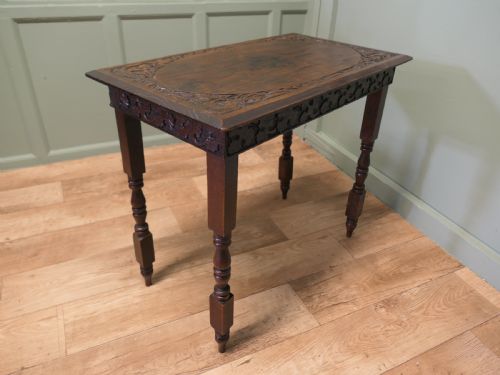
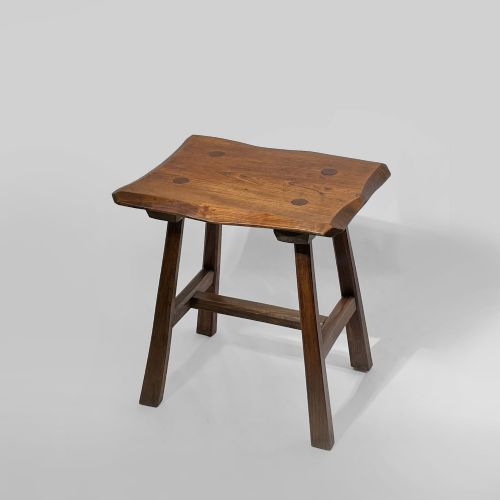
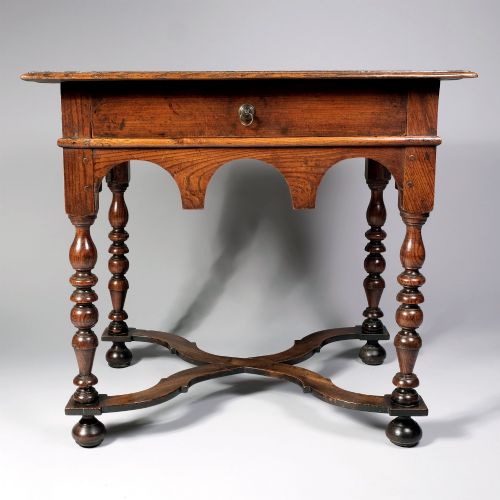
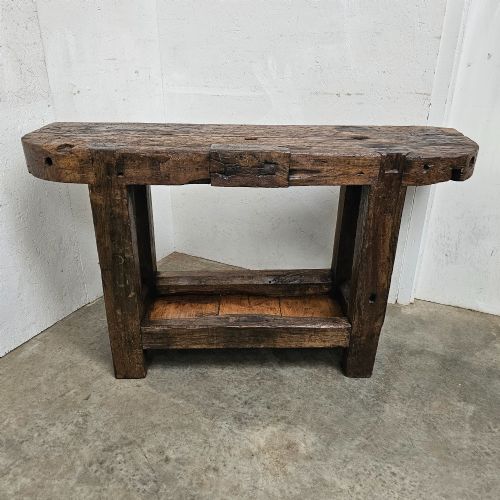


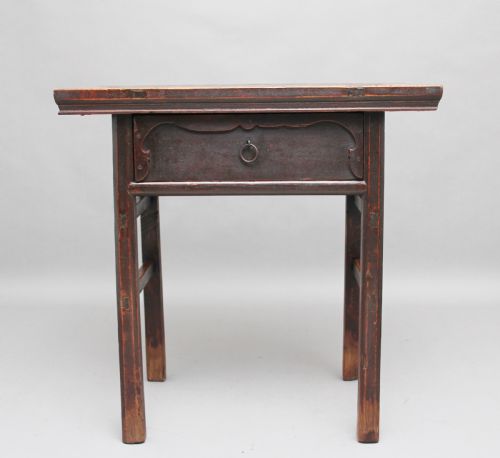


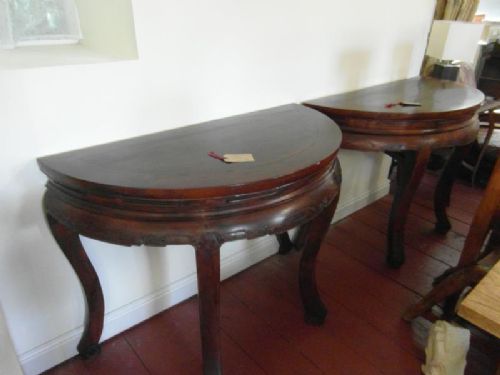
Dark Elm Side Table
A dark elm side table brings tactile warmth and deep grain character to a room, offering sturdy utility rooted in centuries of vernacular craftsmanship.
Dark Elm Side Table
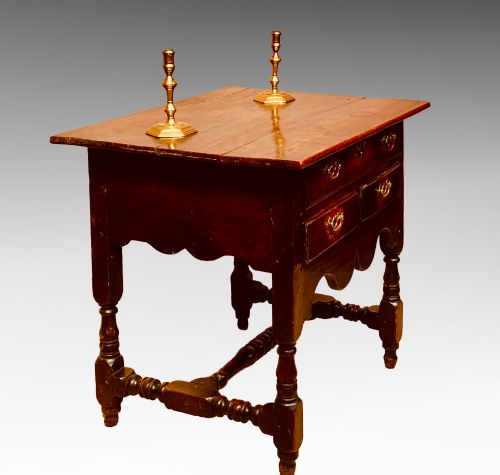
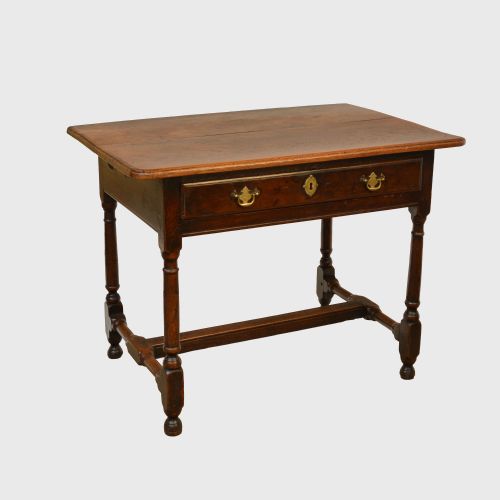
When you search for a dark elm side table, you find a diverse group of low tables, occasional pieces, and utility surfaces that span several centuries and geographic traditions. The selection includes domestic English country furniture alongside significant numbers of Chinese provincial and altar tables.
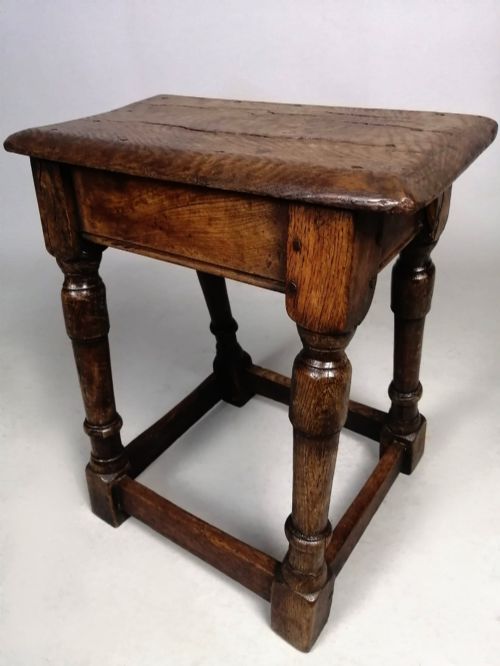
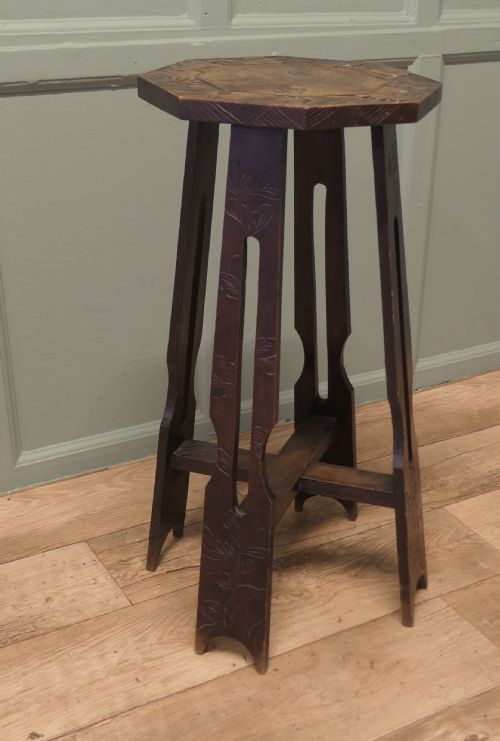
Forms range widely from William and Mary period side tables and Georgian country pieces to rustic stools, cricket tables, and Chinese altar tables. You will encounter occasional tables, workbenches, and drop-leaf swivel designs that demonstrate how versatile this timber has remained across generations.
Origins stretch from 17th-century European workshops to Qing Dynasty China, uniting disparate vernacular traditions through a shared preference for dark elm timber. Whether configured as a low coffee table, a tall altar table, or a compact side table, each piece serves as a functional surface defined by its distinctive wood grain.
What varies in quality
Quality depends greatly on the integrity of the timber and the honesty of the construction, distinguishing humble working benches from refined formal pieces. The depth of the natural wood grain and the richness of the dark patination play a central role in how a piece presents visually.
Proportion and structural balance dictate the success of vernacular forms, where simpler country pieces rely entirely on honest joinery and balanced scaling. Finer examples retain their original surface treatments, whether traditional lacquer or aged wax polish, without unnecessary modern intervention.
Dark Elm Side Table Retail Price Guide 2026
Typical asking prices for dark elm side table among the pieces listed under this phrase on Sellingantiques today, from the lower quarter to the upper quarter. They describe what is for sale here now, not the wider market.
Listings feature items spanning from the late 17th century through the Edwardian era, incorporating both European country designs and Qing Dynasty Chinese forms.
The Dark Elm Side Table Glossary
- Elm
- A tough, durable hardwood featuring a distinctive interlocking grain that resists splitting. It has long been favoured for domestic furniture and rustic work surfaces.
- Altar table
- A traditional Chinese form characterised by an elongated rectangular top and often upturned flange ends. These tables served ceremonial and domestic functions in East Asian interiors.
- Cricket table
- A small, lightweight three-legged table traditionally used in domestic settings. The tripod base provides stability on uneven floors.
- Vernacular
- Furniture made by local craftsmen for everyday use rather than following strict court or high-style academic designs. These pieces prioritize practical utility and local material availability.
- Patina
- The surface sheen and colour modification developed by timber over long periods through handling, light exposure, and polishing. It serves as a visual indicator of age and use.
- Joint stool
- A sturdy wooden seat constructed with mortise and tenon joints pegged together. They preceded individual chairs in many households and doubled as small side surfaces.
Dark Elm Side Table: Frequently Asked Questions
How do I identify a dark elm side table?
Look closely at the wood grain, which typically displays a characteristic swirling or feathered pattern unique to elm timber. The colour ranges from deep medium browns to dark, near-black tones depending on age and finishing.
Examine the construction methods beneath the top surface to determine whether the piece originates from European country workshops or traditional Chinese cabinetmaking traditions.
Where were these tables made?
The pieces span multiple geographical regions, encompassing both English and European country workshops as well as Chinese provincial centres. European examples often date from the seventeenth through the nineteenth centuries.
Chinese pieces frequently reflect Qing Dynasty aesthetics, utilising native elm for altar tables, cabinets, and low occasional surfaces.
How do I care for dark elm furniture?
Maintain the timber by applying natural beeswax sparingly to nourish the grain and preserve the surface patination. Avoid placing the furniture near direct heat sources or in fluctuating humidity to prevent movement in the solid wood.
Dust regularly with a soft, dry cloth rather than using harsh chemical polishes that can degrade historic finishes.
Can I use a side table as a coffee table?
Many smaller elm side tables, low tables, and sturdy stools function effectively as coffee tables in contemporary living spaces. Their modest proportions and robust construction make them practical surfaces for everyday placement.
Ensure the height matches your seating arrangements before introducing a historic table into a modern lounge setting.