


Crossbanded Walnut Table
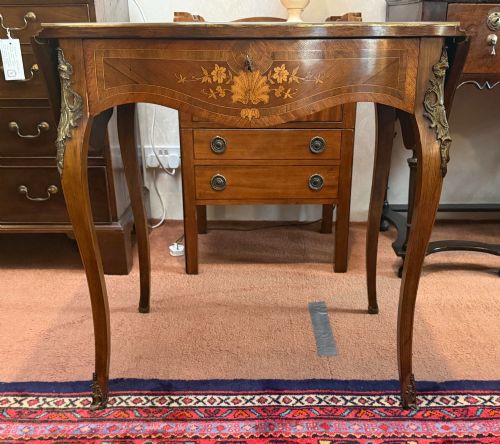
A crossbanded walnut table combines figured timber with contrasting border veneers, offering enduring utility across forms like side tables, lowboys and games tables.
Crossbanded Walnut Table
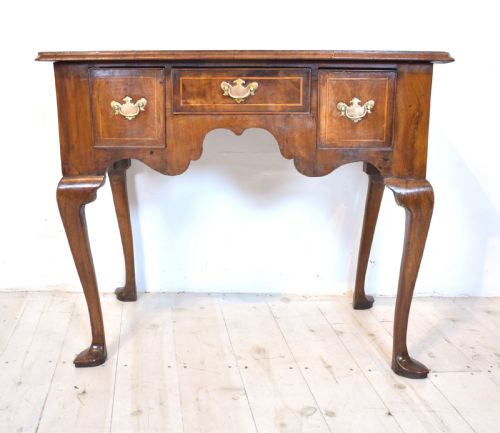
A crossbanded walnut table encompasses a range of domestic forms, from 18th century lowboys and side tables to Victorian and later games tables, desks and nests of tables. When searching for a crossbanded walnut table, buyers encounter pieces spanning the Georgian era through to the 1930s, reflecting centuries of cabinet-making traditions.
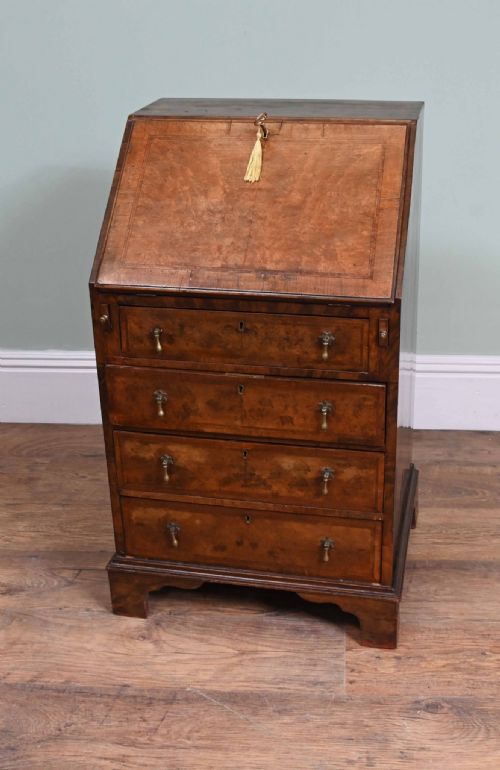
The lowboy and side table represent some of the earliest traditional forms appearing in walnut, often featuring cabriole legs and banded borders. Later Victorian and early 20th century examples extend into bureau writing tables, drop-leaf sofa tables and coffee tables incorporating burr walnut veneers.
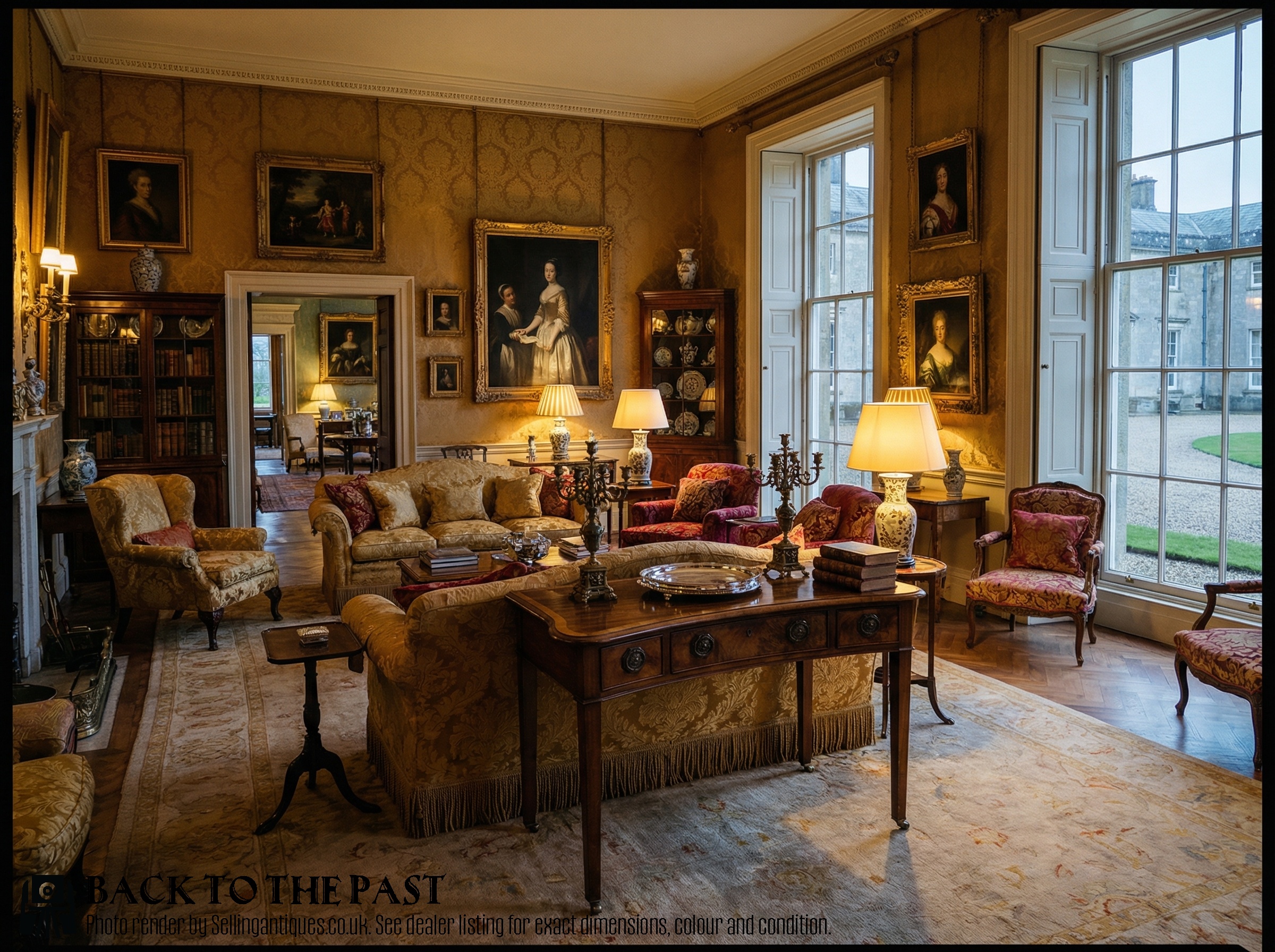
How they were made
Cabinet-makers constructed these pieces primarily using walnut, burr walnut and mahogany, frequently applying decorative veneers across table tops and drawer fronts. Crossbanding involves laying veneer strips with the grain running perpendicular to the main surface, creating a neat framing border.
Fine examples integrate secondary timbers alongside brass hardware, ormolu mounts and kingswood detailing. Surface treatments highlight the natural grain patterns of figured walnut and burr walnut veneers.
Crossbanded Walnut Table Retail Price Guide 2026
Typical asking prices for crossbanded walnut table among the pieces listed under this phrase on Sellingantiques today, from the lower quarter to the upper quarter. They describe what is for sale here now, not the wider market.
Several game tables preserve the quiet clatter of past card nights within their fold-over leaves.
What varies in quality
The standard of a crossbanded walnut table depends largely on the choice and matching of timber figures, particularly when burr walnut or figured veneers are utilised. Superior cabinet work shows precision in the mitred corners of the crossbanding and harmony between the primary walnut surfaces and any contrasting bandings.
Proportion and structural integrity also separate fine examples from standard pieces, especially in items featuring complex forms such as fold-over game tables, bureaus or lowboys with trilobe feet and cabriole legs.
The Crossbanded Walnut Table Glossary
- Crossbanding
- A border veneer applied to the edges of a table top or drawer front with the grain running across the width of the strip. This technique frames the primary timber panel.
- Burr walnut
- A highly figured timber harvested from the wart-like growths on walnut trees, prized for its swirling grain patterns. It is sliced into thin veneers for decorative surfaces.
- Lowboy
- A small, low dressing or side table typically featuring one or more rows of drawers beneath a flat top. They frequently stand on cabriole legs dating from the 18th century.
- Cabriole leg
- A furniture leg that curves out in an outward arc and tapers inward as it descends to the foot. It often terminates in pad or trilobe feet on period pieces.
Crossbanded Walnut Table: Frequently Asked Questions
How do I clean a walnut table?
Dust regularly with a soft, dry cloth to prevent the accumulation of abrasive particles on the veneer. Avoid silicone-based polishes that can build up a hazy residue over time.
Apply traditional beeswax sparingly when the timber appears dry, buffing it gently to maintain a natural lustre. Keep walnut furniture away from direct sunlight and heat sources to prevent the wood or veneer from splitting.
What is a lowboy used for?
Historically, a lowboy served as a small dressing table or a convenient side table for holding personal items in bedrooms and parlours. Today, these compact tables function effectively as hallway surfaces or small desks.
Their shallow drawer arrangements provide discrete storage for keys, stationery or table linens while occupying minimal floor space in modern interiors.
How do I date a walnut table?
Examine the construction methods, secondary timbers, and hardware visible on the underside and drawer interiors. 18th-century pieces often display hand-cut dovetails and solid walnut or oak framing.
Later Victorian, Edwardian and 1930s examples typically incorporate machine-cut elements, standardised fixings and different veneer thicknesses. Comparing the overall style and leg form against known historical periods helps narrow down the decade of manufacture.
Are these tables suitable for daily use?
Many solid and veneered walnut tables were built for functional domestic environments such as dining, writing and card games. Using coasters and placemats protects the polished surface from moisture and heat damage.
Placing them away from radiators and damp zones ensures the timbers remain stable and the crossbanded edges stay secure through regular household activity.