
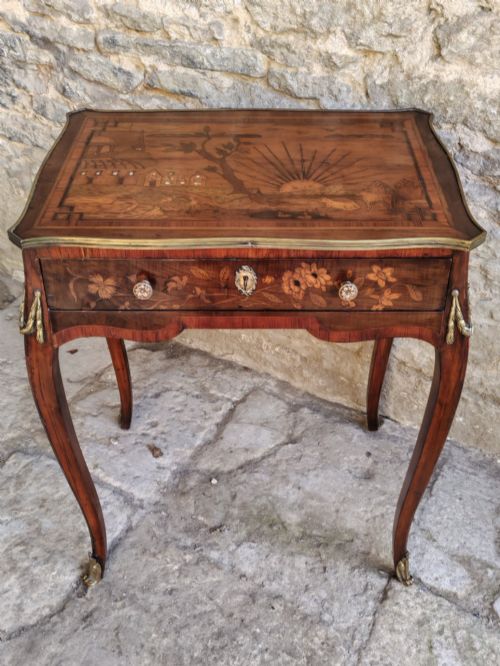
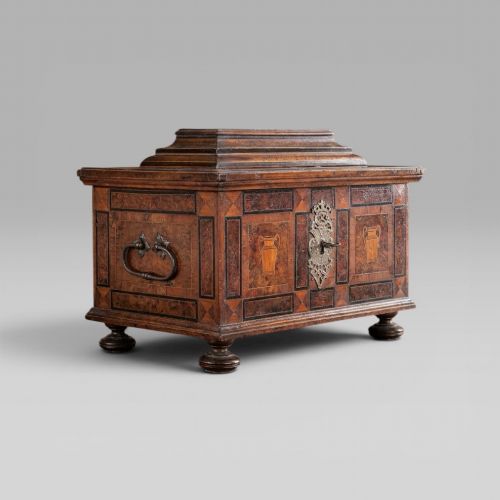
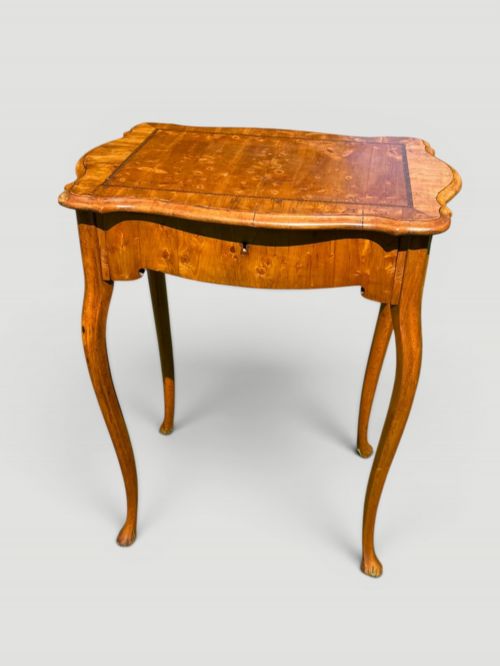


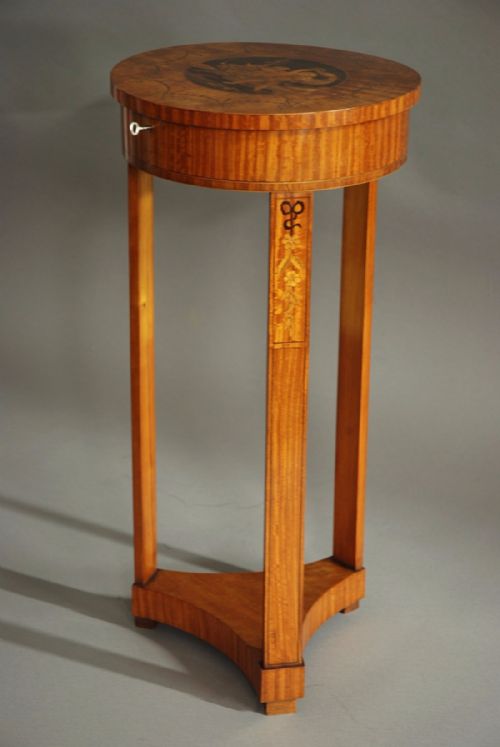
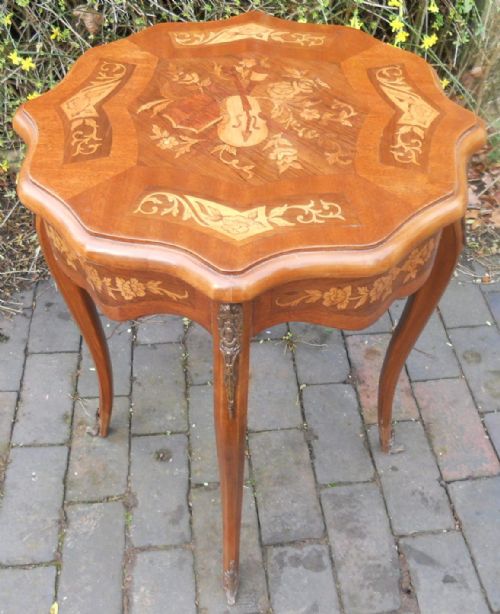
Continental Inlaid Table
A continental inlaid table brings centuries of European craftsmanship and fine woods into a room, offering both beauty and a surface for daily use.
Continental Inlaid Table
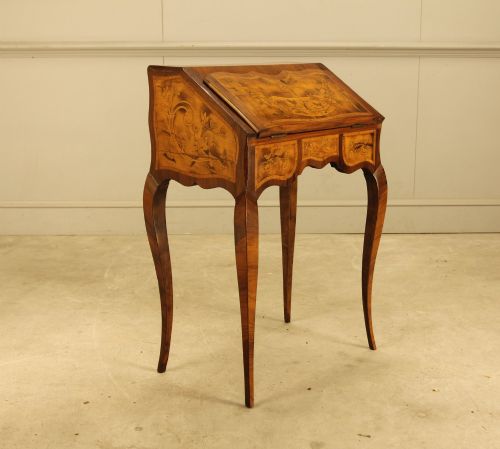
When you search for a continental inlaid table, you encounter a variety of forms including centre tables, side tables, writing desks, and occasional pieces originating from diverse European workshops. These items span periods from the seventeenth century through to the twentieth century, reflecting shifting tastes across nations.
The selections available range from eighteenth-century Dutch marquetry examples to nineteenth-century walnut and satinwood creations. Buyers frequently meet pieces featuring intricate decorative surfaces designed to serve as focal points in reception rooms and studies.
How they were made
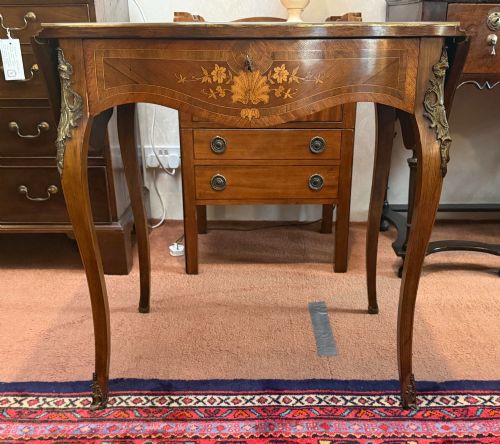
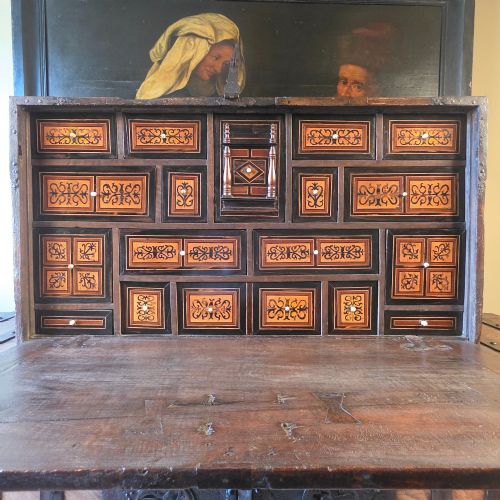
The construction relies heavily on foundational timbers such as walnut, burr wood, oak, and mahogany, chosen for their durability and grain. Skilled artisans then applied marquetry inlay and parquetry using contrasting fruitwoods and exotic timbers to build up elaborate pictorial or geometric patterns on the surface.
Many examples incorporate decorative metal mounts in ormolu and brass alongside structural iron elements to accent the woodwork. This combination of cabinetmaking and metalworking techniques defines the manufacture of these tables across the different periods.
The listings on this site feature walnut, fruitwood, and burr walnut alongside marquetry inlay across periods spanning the seventeenth to the twentieth century.
What varies in quality
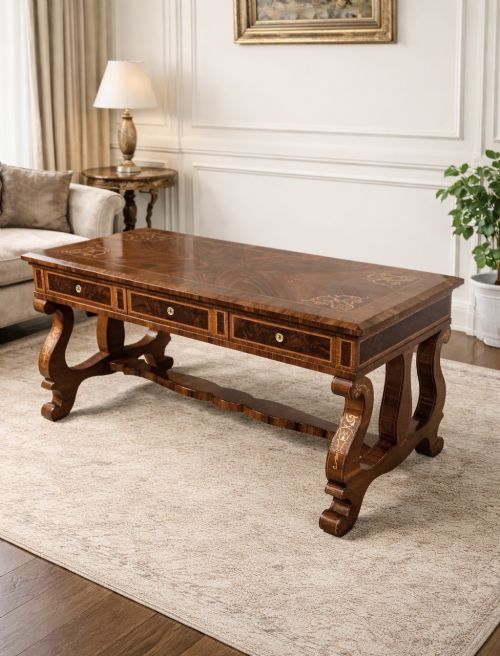
The standard of a continental inlaid table rests upon the precision of the marquetry and the choice of timbers such as burr walnut or satinwood. Finer specimens display complex, tightly fitted wood veneers that maintain their alignment and integrity over centuries.
Execution of the joinery and the quality of the secondary mounts, such as cast ormolu, distinguish standard production from superior workshop output. The depth of the design and the harmony between the wood selection and the underlying form dictate the overall presence of the piece.
The Continental Inlaid Table Glossary
- Marquetry inlay
- Decorative veneer applied to a structure in patterns using various woods to create pictures or designs. This technique requires immense patience and precision from the cabinetmaker.
- Burr wood
- Wood taken from a tree growth where the grain has grown in a deformed manner, producing intricate patterns. It is highly prized for tabletops and cabinet fronts.
- Ormolu
- Gilded bronze used for decorative mounts and accents on furniture. It adds a bright metallic contrast to dark woods.
- Parquetry
- Geometric mosaic woodwork used for floors and tabletops. It relies on repeating angular shapes for visual effect.
- Centre table
- A freestanding table designed to be viewed from all sides in the middle of a room. These pieces often feature all-around decoration.
Continental Inlaid Table: Frequently Asked Questions
Where should I place a centre table?
A centre table works best where it can be viewed from multiple angles, such as the middle of a large hallway or drawing room. Because many examples feature decoration across the entire surface, they look effective away from walls.
Ensure there is enough walking space around the piece to appreciate the woodwork and any detailed marquetry inlay without obstruction.
How do I care for inlaid wood?
Keep inlaid wooden surfaces away from direct sunlight and heat sources to prevent the veneers from drying out or lifting over time. Regular dusting with a soft, dry cloth is sufficient for daily maintenance.
Avoid using harsh chemical polishes or excessive water, as moisture can damage delicate fruitwood veneers and traditional finishes.
Can I use an antique desk for daily writing?
Many writing desks and library tables from the nineteenth and early twentieth centuries remain fully functional for modern use. Ensure your chair height matches the writing surface to maintain comfort during extended tasks.
Protect the antique wood from ink spills and scratches by using a blotter or a leather writing pad when working.
How do I tell an eighteenth century table apart from a nineteenth century one?
Eighteenth century tables often display regional characteristics typical of Dutch or Italian workshops, with fluid marquetry and distinct structural proportions. Nineteenth century revivals frequently draw on earlier Baroque or Louis styles while employing slightly different mechanical assembly methods.
Examining the underside, secondary timbers, and the oxidation of the wood helps clarify the likely period of manufacture.