
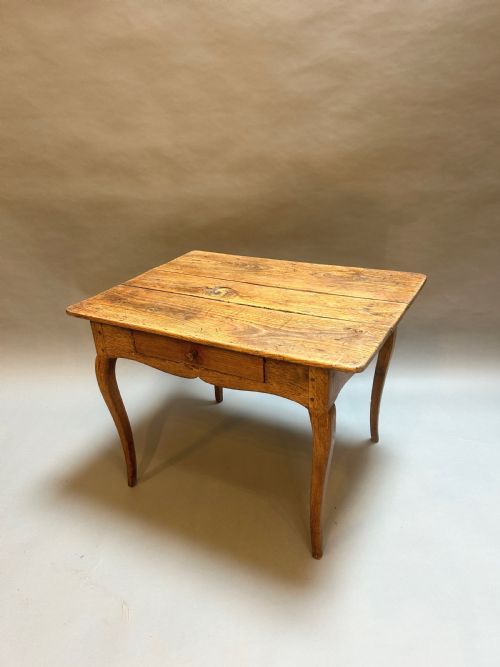


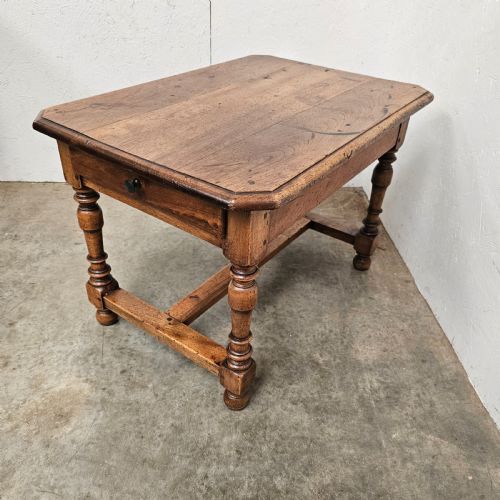
French Provincial Accent Table
These french provincial accent table examples offer everyday utility and continental charm, bringing functional surface space and period character into a modern interior.

French Provincial Accent Table
A french provincial accent table encompasses diverse low and occasional surfaces spanning from the eighteenth century into the twentieth century, appearing frequently as side tables, coffee tables, and lamp tables. These smaller utility pieces serve modern living rooms and bedrooms while retaining distinct continental forms.
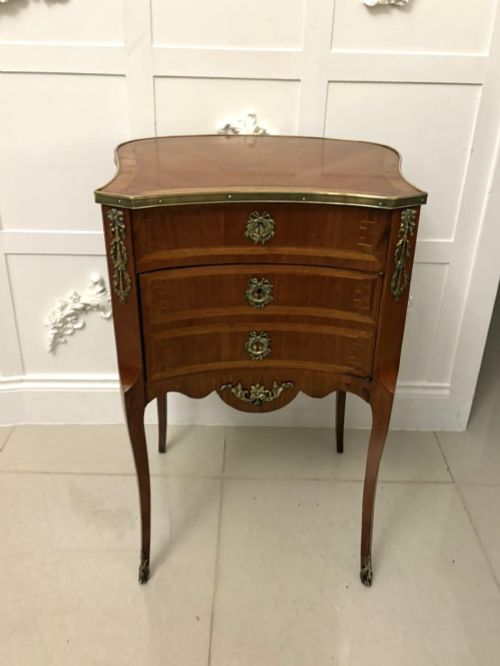
The selections here showcase regional and revivalist aesthetics, including Louis XV and Louis XVI styles alongside simpler country oak or fruitwood iterations. Buyers encounter pieces configured with drawers, serpentine fronts, nesting sets, and tiered surfaces.
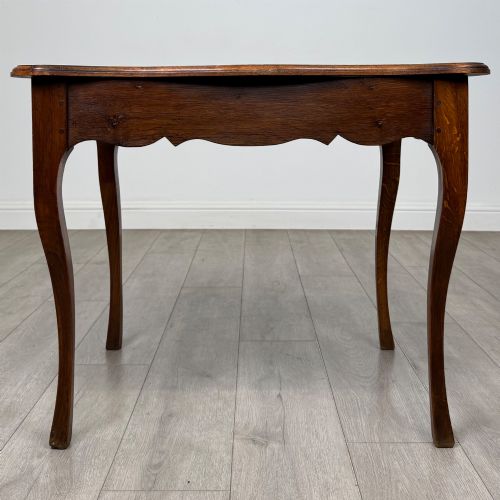
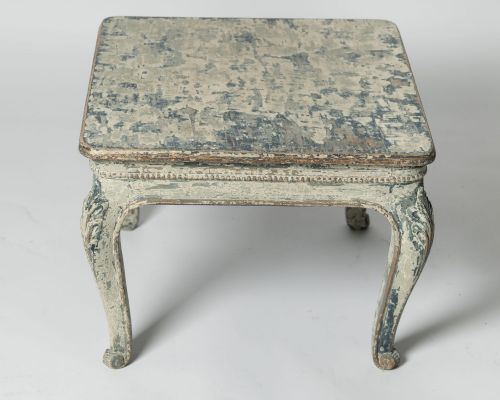
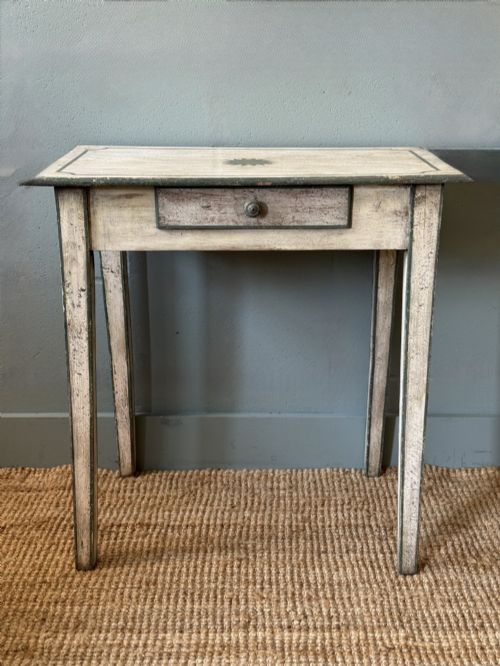
Origins stretch across French cabinet-making traditions, utilising local timbers and decorative finishes suited to both formal chateaux and rural houses. Walnut, oak, cherry, and painted woods dominate the configurations available on this page.
Distinguishing Quality and Craftsmanship
Superior execution shows in the precision of floral inlay, quartered walnut grain matching, and hand-carved decorative elements rather than mass-produced ornamentation. The integration of genuine marble or stone tops and robust structural joinery marks finer outputs.
Proportion and material selection dictate the hierarchy, where dense hardwoods and subtle serpentine shaping outrank simpler utilitarian builds. Original painted surfaces and well-preserved marquetry elevate the status of individual examples.
French Provincial Accent Table Retail Price Guide 2026
Typical asking prices for french provincial accent table among the pieces listed under this phrase on Sellingantiques today, from the lower quarter to the upper quarter. They describe what is for sale here now, not the wider market.
Materials across these listings span walnut, oak, cherry, brass, marble, and painted wood surfaces.
The French Provincial Accent Table Glossary
- Gueridon
- A small French round table, typically supported by a central pillar or three legs, often featuring a marble top.
- Marquetry
- The art of applying pieces of veneer to a structure to form decorative patterns, frequently seen in floral motifs on table tops.
- Parquetry
- Geometric mosaic woodwork used for surfacing floors or table tops, creating angular patterns from contrasting timber blocks.
- Serpentine front
- A furniture front characterised by a wavy outline with a convex centre flanked by concave curves.
- Faux bamboo
- Wood turned and painted to imitate natural bamboo stalks, a decorative technique popular in nineteenth-century furniture.
French Provincial Accent Table: Frequently Asked Questions
How do I use a French accent table?
These tables function effectively beside armchairs and sofas as lamp or coffee surfaces, or inside bedrooms as night tables. Their compact footprints allow them to fit into narrow hallways and empty corners.
They provide practical ledges for daily items while introducing distinct period character to contemporary living spaces without dominating the room.
What is a gueridon table?
A gueridon is a specific type of small circular French table, traditionally supported by a central column or several legs. Many examples incorporate inset marble or stone slabs.
They were originally designed to hold candlesticks or decorative objects and work well today as standalone display pieces.
How do I distinguish eighteenth-century pieces?
Earlier pieces from the eighteenth century typically display hand-cut joinery, mature timber patination, and simpler provincial carving styles. Their construction reflects manual woodworking methods distinct from later industrial production.
Examining the underside and drawer construction reveals tool marks and wear patterns consistent with extended domestic use over hundreds of years.
Are marble top tables practical?
Marble and stone tops offer a durable, heat-resistant surface suitable for holding cups, lamps, and decorative accessories. They add weight and visual contrast against wooden frames.
Routine maintenance involves wiping spills promptly to protect the polished stone from staining or etching over time.