



18th Century Oak Nightstand
An 18th century oak nightstand brings compact Georgian utility and honest timber into a modern bedroom with quiet authority.
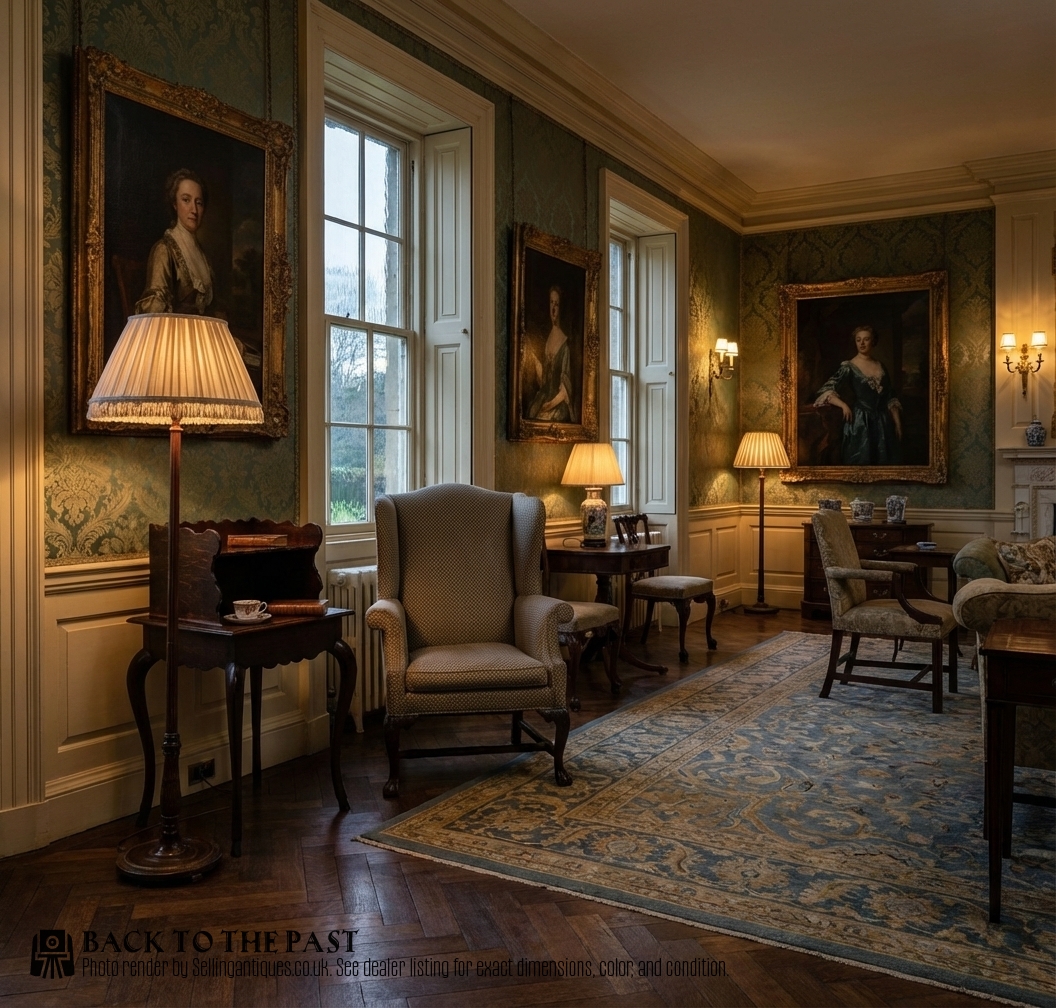
18th Century Oak Nightstand
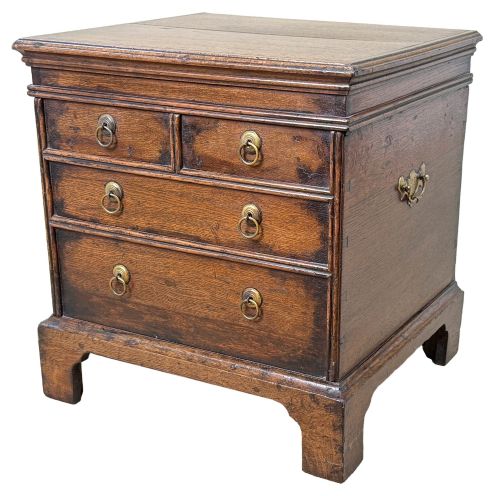
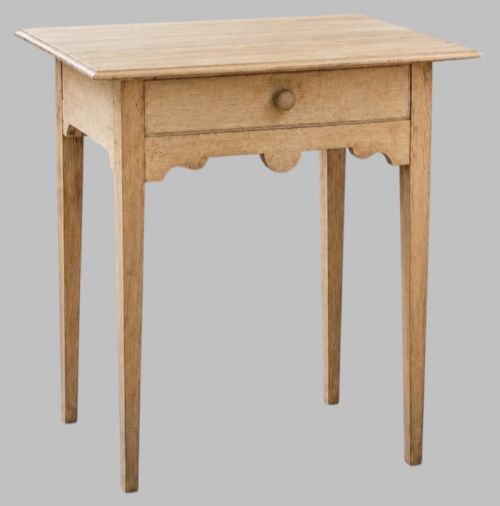
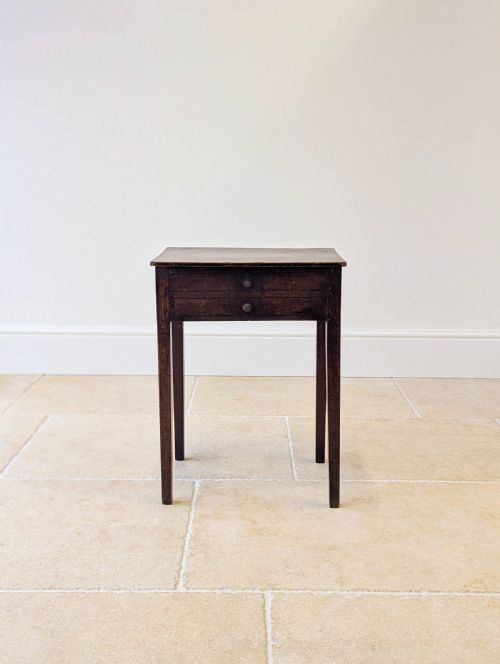
An 18th century oak nightstand encompasses utilitarian forms such as close stools disguised as small bedside chests, side tables, and compact lamp tables from the Georgian period. Buyers seeking this phrase encounter sturdy timber furniture designed for practical bedside or fireside use in English country settings.
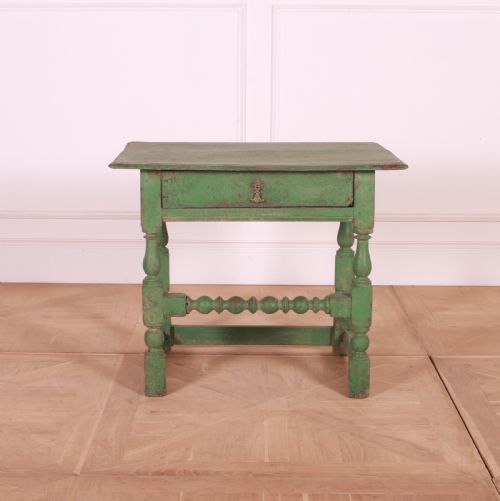
The objects on this page bridge the gap between hidden storage and small-scale surface utility, appearing as commodes, storage boxes, and modest tables. Oak predominates as the primary wood, supported by occasional instances of mahogany, painted wood, and pine internals.
How They Were Made
Joiners built these pieces primarily using solid oak, sometimes complemented by secondary woods like pine and finished with brass hardware or metal fittings. Surfaces received treatments ranging from polished finishes and bleaching to painted wood applications.
Construction relied on traditional joinery techniques suited to daily utility, shaping close stools, bedside cabinets, and side tables designed to withstand robust domestic service.
Listings span the 18th century and Georgian periods, utilising oak, mahogany, pine, and painted wood in forms ranging from close stools to lamp tables.
What Varies in Quality
The hierarchy of quality rests upon the integrity of the timber and the subtlety of the surface treatment, distinguishing polished or bleached oak surfaces from simpler painted finishes. Form dictates value as well, separating straightforward lamp tables from more complex close stools disguised as small chests.
Original brass hardware and untouched structural timber elevate a piece above examples with replaced components or altered secondary woods like pine and metal fittings.
The 18th Century Oak Nightstand Glossary
- Close stool
- A cabinet or chest enclosing a chamber pot, often disguised as a small bedside chest during the Georgian period. These items served a discreet domestic purpose before modern plumbing.
- Georgian
- The design period spanning the reigns of the first four Georges, characterised by proportion and utility in English country furniture. Oak and mahogany frequently define this era.
- Lamp table
- A small, portable table designed to hold a lighting fixture beside a bed or chair. These pieces prioritize a compact surface area over extensive storage.
- Bleached oak
- Timber treated to lighten its natural tone, a finish occasionally found on mid-18th century side tables. This process alters the visual weight of the wood while retaining its grain.
18th Century Oak Nightstand: Frequently Asked Questions
What is an 18th century oak nightstand used for today?
These compact pieces serve as bedside tables, lamp tables, or small storage chests in contemporary bedrooms and living spaces. Their modest proportions make them practical surfaces for lamps and small items.
Historically constructed as close stools or side tables, they now function as accent furniture that brings period character and concealed storage to a room.
How do I identify a Georgian nightstand?
Look for structural hallmarks of the 18th century, including solid oak construction, traditional joinery, and functional forms like side tables and close stools. The use of brass fittings and pine secondary woods also points to this era.
Proportions remain compact and utilitarian, reflecting the domestic requirements of English country interiors during the Georgian period.
Are these pieces made entirely of oak?
While oak is the primary wood seen across these listings, makers frequently utilised secondary materials for internal components. Pine and metal often appear in the construction alongside brass hardware.
Some examples also feature painted wood surfaces or alternative primary woods such as mahogany, depending on the specific form of the table or chest.
How do I care for antique oak furniture?
Maintain polished or bleached oak surfaces by keeping them away from direct heat sources and excessive moisture. Gentle dusting preserves the natural grain and finish of the timber.
Avoid harsh chemical cleaners, relying instead on traditional wax polishes suited to 18th century wood furniture to protect the surface over time.