

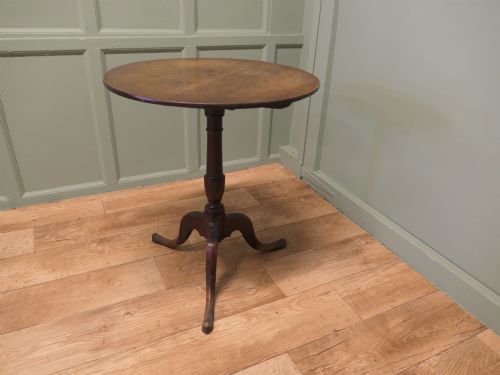

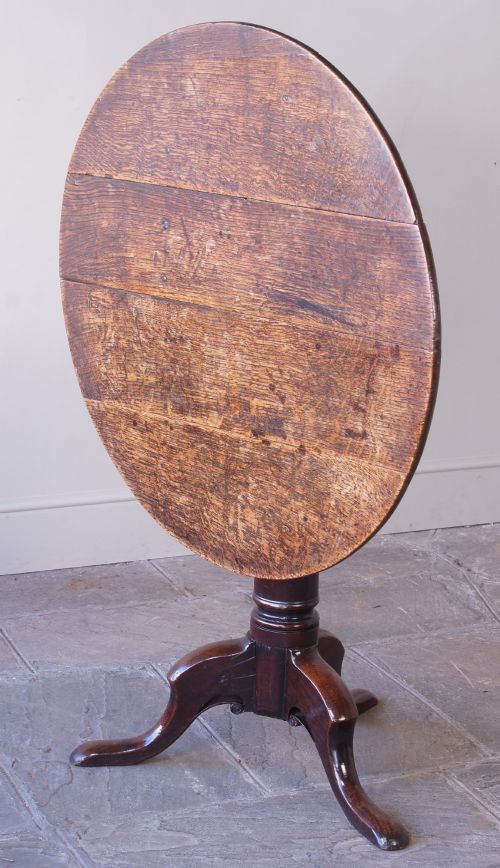
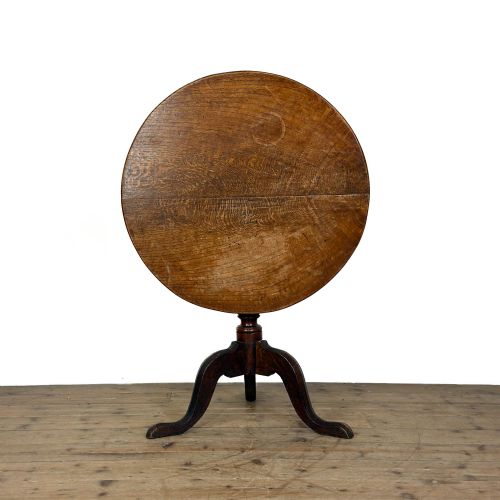
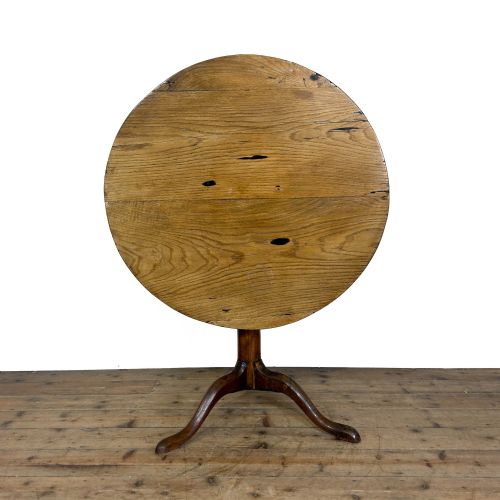
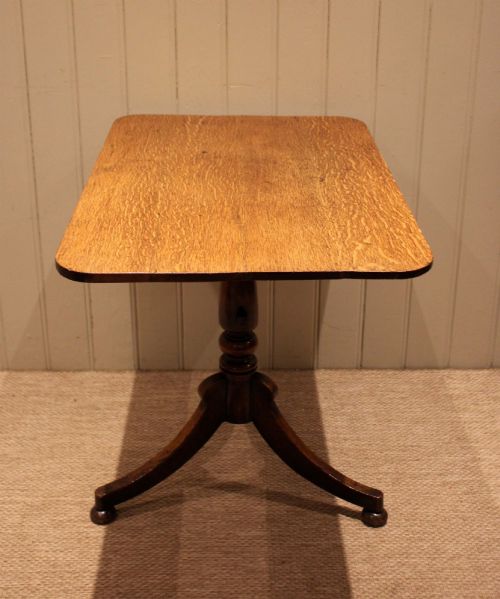
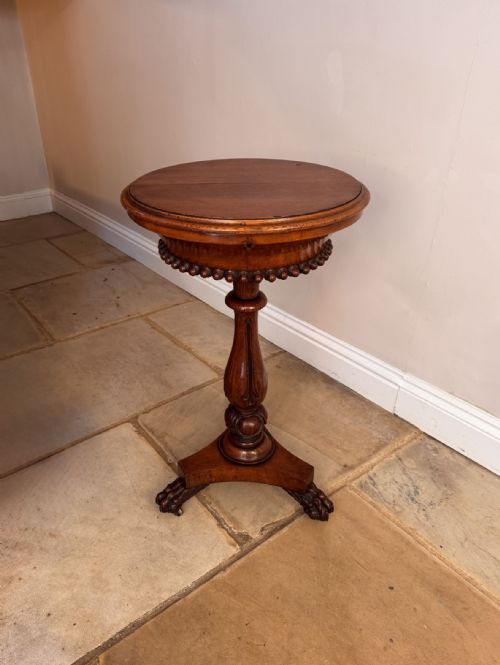
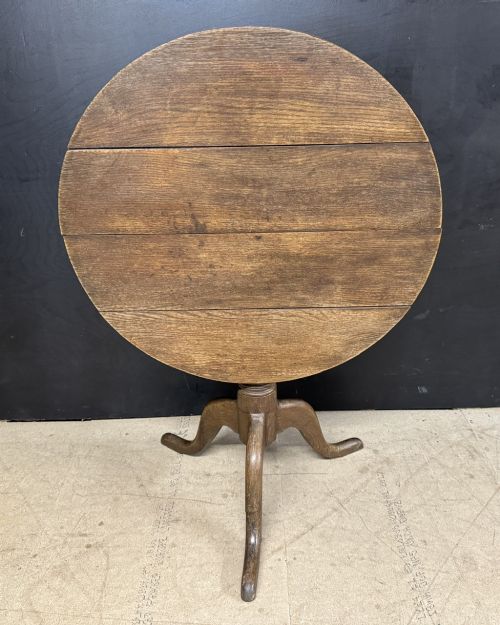
Oak Tripod Wine Table
An oak tripod wine table brings compact utility and solid timber character to any corner, holding a glass or candle with understated Georgian grace.
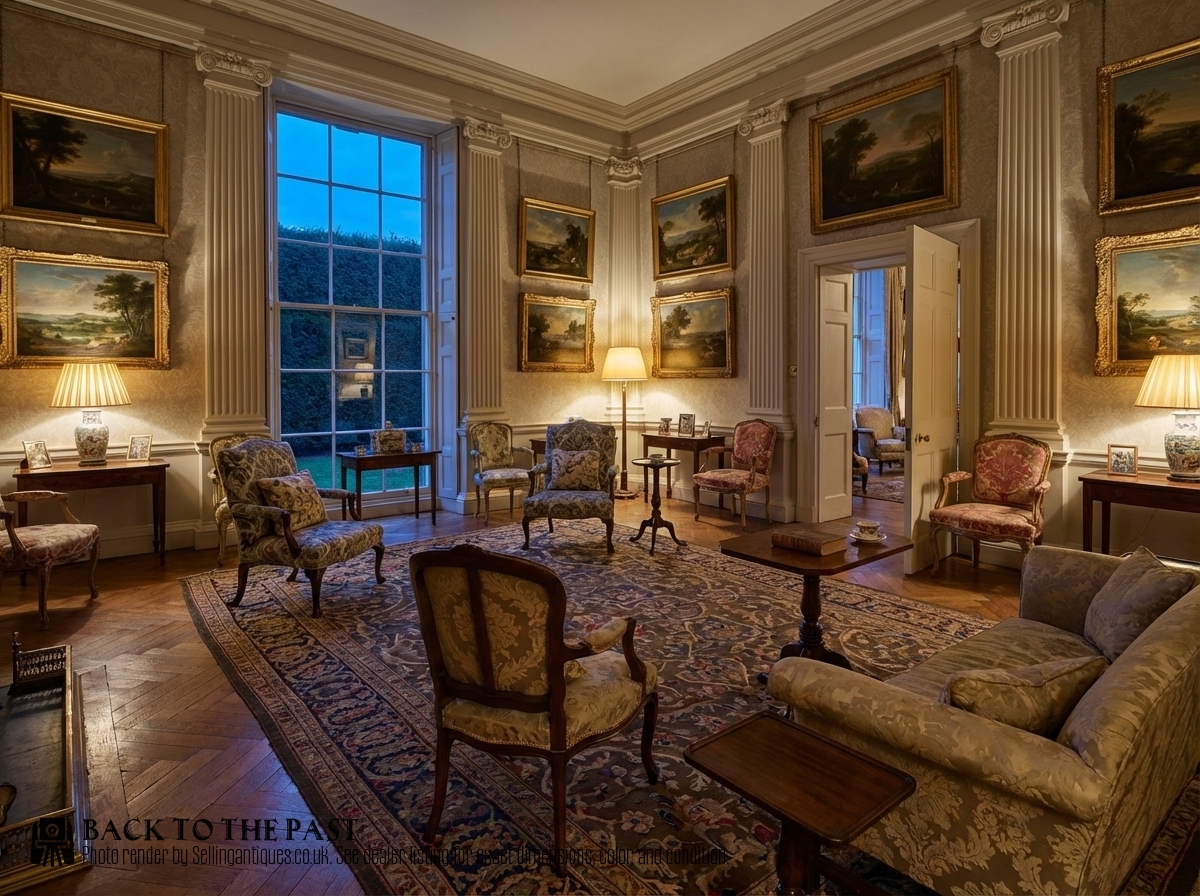
Oak Tripod Wine Table
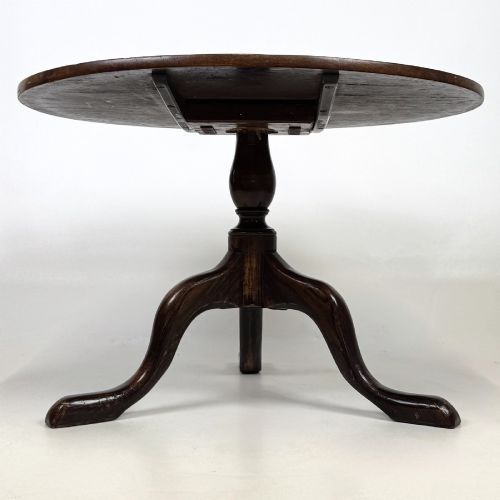
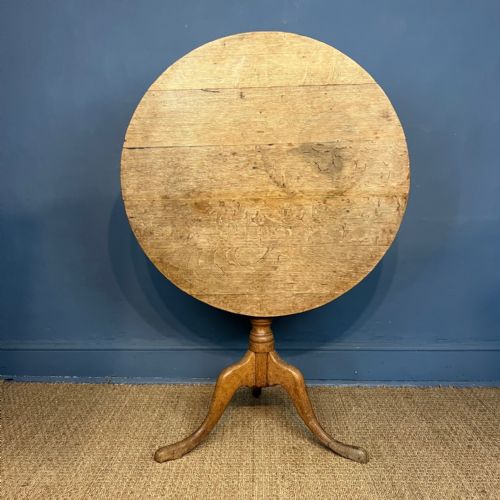
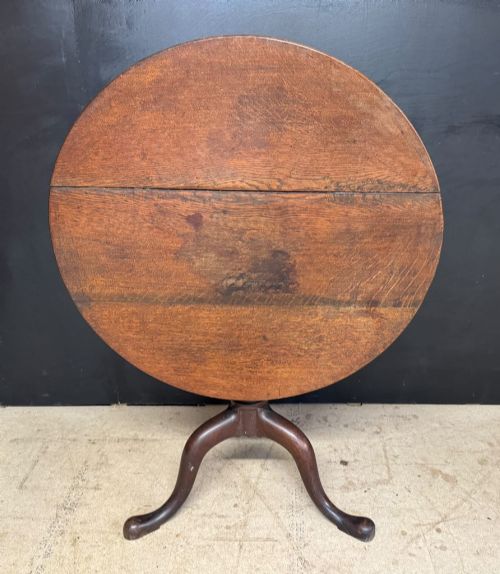
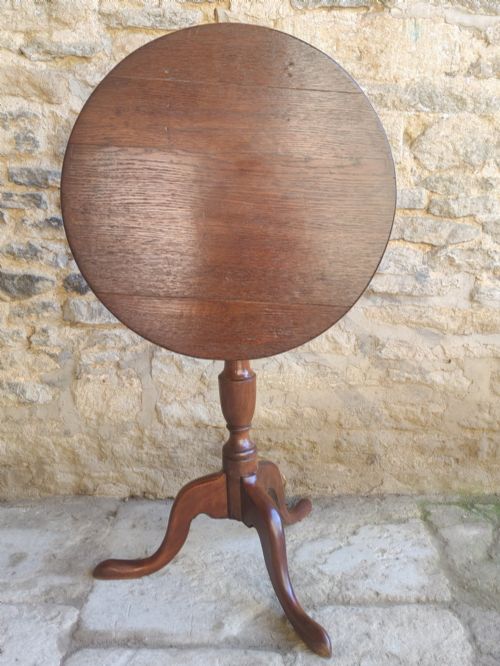
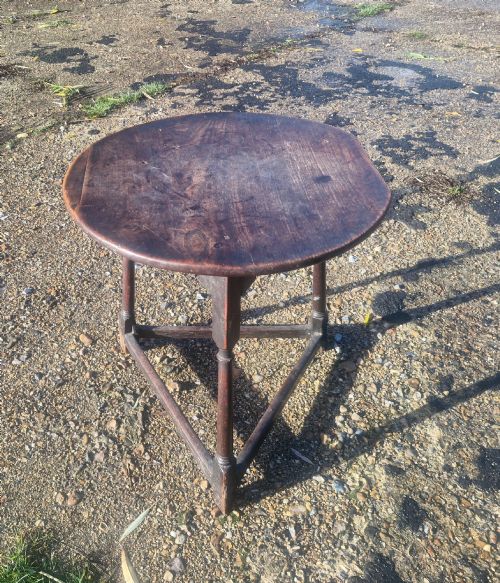
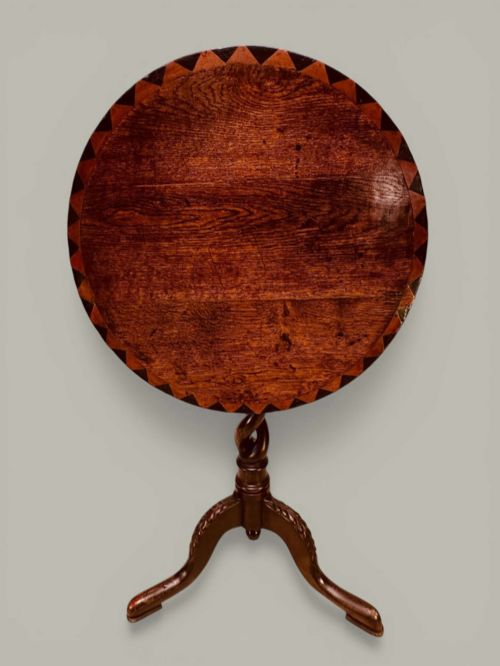
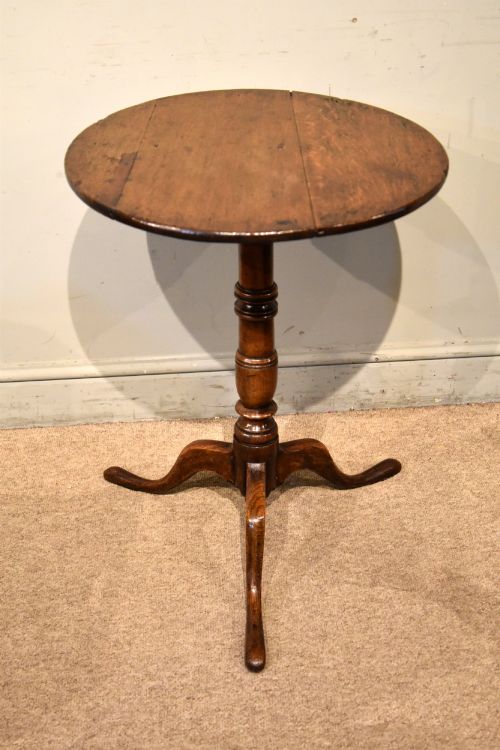
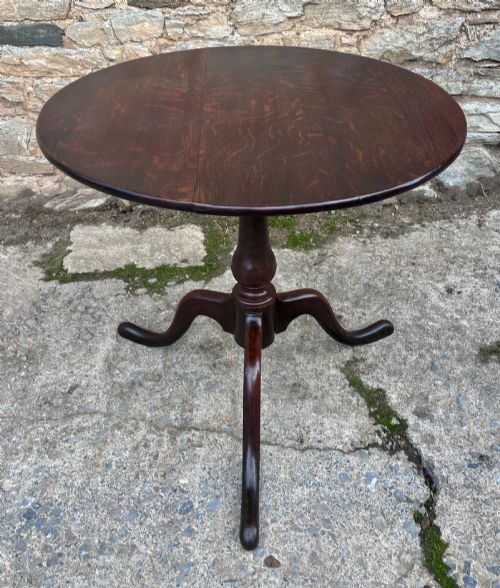
An oak tripod wine table is a small occasional piece designed with a circular top raised on a slender central pedestal and three splayed legs. When you search for an oak tripod wine table, you find pieces primarily spanning the eighteenth and nineteenth centuries, often associated with the Georgian period and George III eras.
The form appears under several overlapping historical descriptions, including candle stands, lamp tables, side tables, and occasional tables. Many examples feature a tilt-top mechanism, allowing the circular top to pivot vertically when not in use so the table could be tucked against a wall.
The version you are most likely to meet on this page combines a solid oak top with three turned or plain legs, reflecting honest country workshop production rather than urban mahogany refinement. Elm is occasionally combined with oak in the construction of the tops or structural elements.
Materials and construction methods
These tables are constructed using solid timber, predominantly oak, sometimes paired with elm for the circular tops. Cabinetmakers shaped the central pillars on lathes and joined the three splayed legs to the stem using traditional jointing methods.
Tilt-top examples utilise a birdcage or catch mechanism beneath the surface, enabling the top to pivot smoothly on its axis. Surfaces were finished simply, allowing the natural grain and figuring of the timber to remain visible.
Oak Tripod Wine Table Retail Price Guide 2026
Typical asking prices for oak tripod wine table among the pieces listed under this phrase on Sellingantiques today, from the lower quarter to the upper quarter. They describe what is for sale here now, not the wider market.
Current listings and archive records show these tables spanning the 18th century, the 19th century, and the Georgian period, built in solid oak and occasional elm.
Judging quality and proportion
Quality in these pieces rests upon the harmony of proportions between the diameter of the top, the height of the column, and the spread of the legs. Finer examples possess slender, well-turned pillars and neatly tapered legs that provide stable support without appearing heavy.
The treatment of the timber top also distinguishes individual pieces, with thicker boards, segmented construction, or dishes turned directly from the solid wood showing superior craftsmanship. Surface patination, developed through decades of handling, adds depth to the oak grain.
The Oak Tripod Wine Table Glossary
- Tripod base
- A support structure consisting of three legs radiating from a central pillar. This design provides stability on uneven floorboards.
- Tilt-top
- A hinged table top that pivots vertically. This allows the piece to be stored flat against a wall when not in use.
- Birdcage
- A revolving wooden framework beneath a tilt-top table that allows the top to both rotate and tip. It is typical of better quality occasional tables.
- Dish top
- A circular table top with a raised, concave rim turned from the solid wood. This feature prevented glasses or bottles from sliding off.
- Country house style
- Furniture made for domestic use outside fashionable metropolitan centres, prioritising sturdy local timbers like oak and elm.
Oak Tripod Wine Table: Frequently Asked Questions
What were oak tripod wine tables used for?
These tables served primarily as movable stands for holding glasses of wine, decanters, or small lamps beside seating during the eighteenth and nineteenth centuries.
Their lightweight construction meant they could be easily carried around a room to wherever a surface was needed.
How do I identify a Georgian oak wine table?
Look for structural clues such as hand-turned central pedestals, pegged joints, and timber showing natural age and wear.
Many examples from this period also feature the tilting top mechanism and distinct three-legged tripod base.
Are these tables sturdy enough for daily use?
Solid oak construction gives these small tables surprising resilience, making them practical for holding drinks or small lamps today.
The three-legged design ensures they remain stable even on older, uneven floors.
What is the difference between a wine table and a candle stand?
The terms were often used interchangeably in historical records, though candle stands sometimes feature slightly smaller tops suited for lighting.
Both share the same tripod pedestal format found across eighteenth and nineteenth-century examples.