




White Cast Iron Table
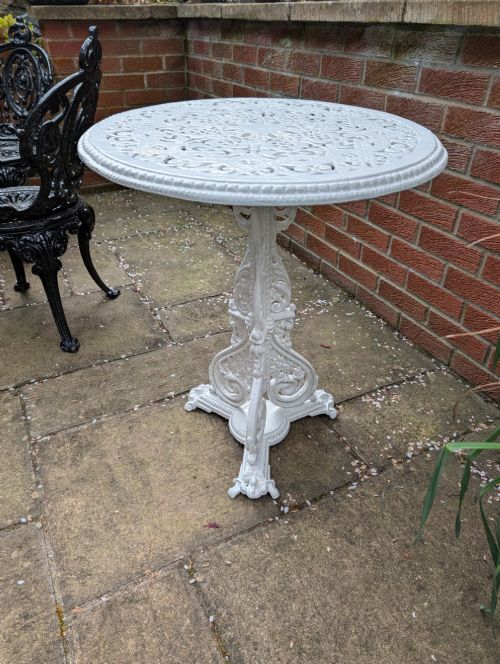
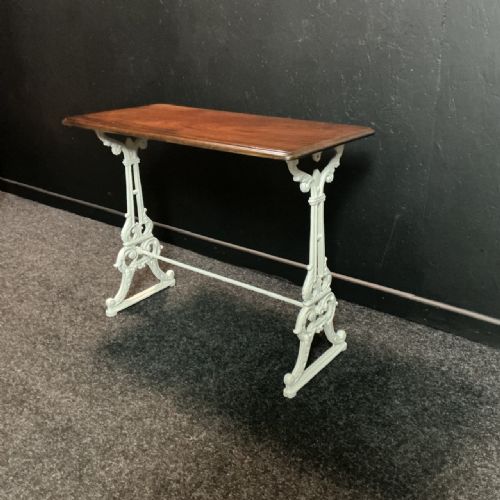
A white cast iron table brings a robust architectural character to a garden, conservatory, or kitchen.
White Cast Iron Table
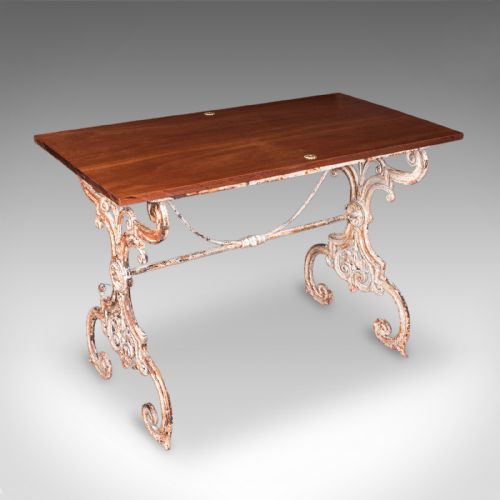
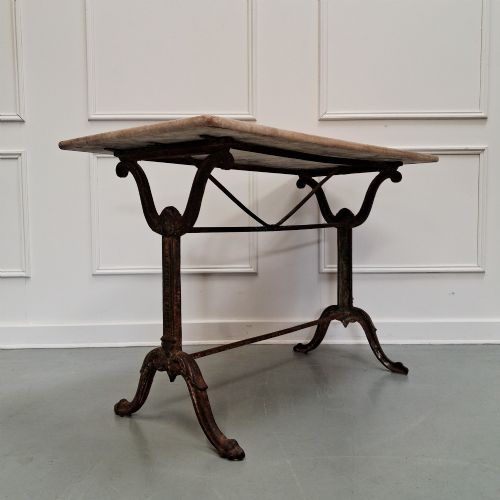
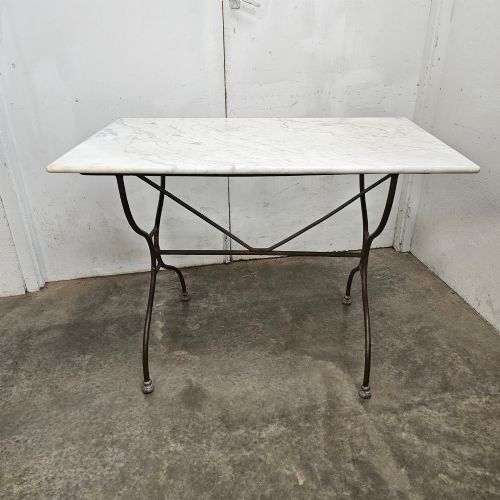
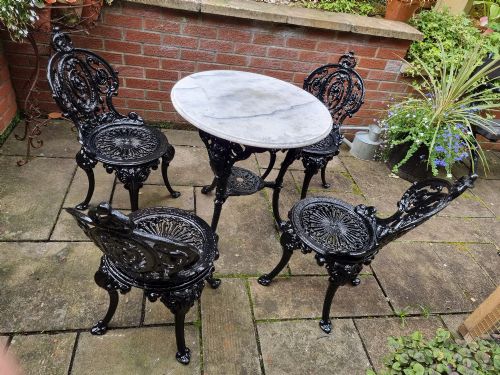
When you search for a white cast iron table, you encounter a durable form designed for gardens, conservatories, and French cafes. These pieces span the nineteenth century, the Victorian era, and the early decades of the twentieth century, appearing as bistro tables, console tables, and garden sets.
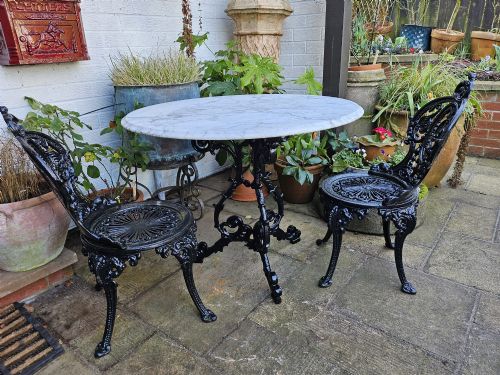
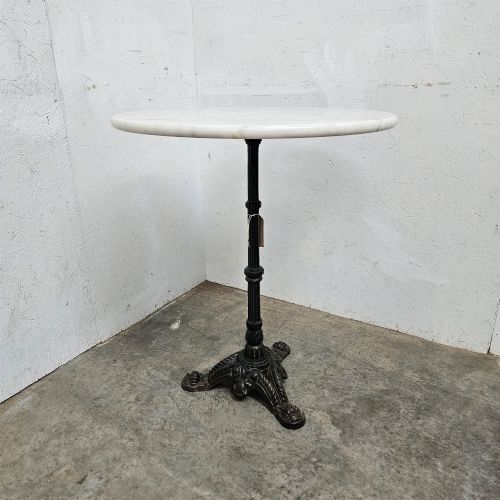
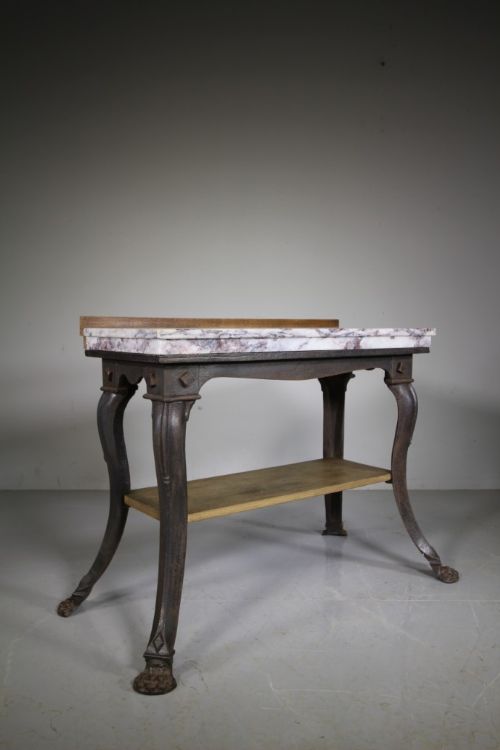
You are most likely to meet circular or console formats featuring heavy metal frames paired with smooth stone surfaces. Many examples originate from French workshops or English makers, reflecting utilitarian and decorative domestic traditions of the period.
The category encompasses both intimate three-legged tripod pieces and larger dining arrangements intended for outdoor terraces or sheltered orangeries. Their enduring presence in gardens and dining spaces demonstrates a successful union of industrial metalwork and classical stone.
Materials and construction
Foundries produced the heavy structural frames by pouring molten metal into sand moulds, creating intricate openwork patterns, decorative strapp work, and sturdy pedestal bases. This technique allowed makers to achieve both high structural rigidity and delicate surface ornamentation.
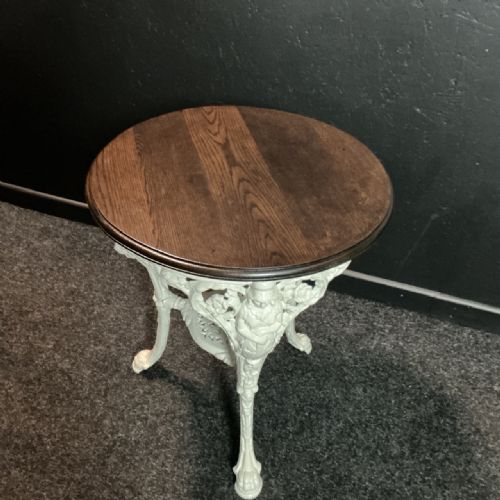
Makers frequently combined the cast iron framework with heavy marble tops, particularly white Carrara or green varieties, secured directly to the metal base. Some variations incorporated wood, glass, or steel elements depending on whether the piece was destined for a patisserie, pub, or garden.
White Cast Iron Table Retail Price Guide 2026
Typical asking prices for white cast iron table among the pieces listed under this phrase on Sellingantiques today, from the lower quarter to the upper quarter. They describe what is for sale here now, not the wider market.
Some garden tables arrive with faint traces of old pub stout still whispering from their nineteenth-century patio days.
Assessing quality and proportion
The distinction between ordinary utility items and exceptional examples lies in the crispness of the casting detail and the harmony of the proportions. Finer pieces display sharply defined floral or geometric motifs in the ironwork rather than softened edges from worn foundry moulds.
The integration between the heavy metal base and the fitted stone top also dictates the standard of the piece. Superior examples feature thick, well-balanced marble slabs that sit securely within the iron retaining rim without movement or excessive gap.
Christopher Dresser·Hawkins
The White Cast Iron Table Glossary
- Cast iron
- An iron-carbon alloy poured into moulds to create rigid, decorative furniture frames. It provides the heavy foundation necessary to support stone table tops.
- Carrara marble
- A type of white or blue-grey stone quarried in Italy, frequently used for table tops. Its smooth surface proved ideal for cafe and patisserie use.
- Britannia table
- A traditional pub and garden table style featuring a heavy metal pedestal base depicting Britannia. These sturdy designs often incorporate wooden or stone tops.
- Strapp work
- An ornamental metalwork pattern resembling interlaced leather straps. Found on Victorian garden furniture, it adds linear structure to openwork frames.
White Cast Iron Table: Frequently Asked Questions
Can I leave a white cast iron table outside?
These tables are built from heavy metal and stone to withstand outdoor garden environments. Many examples have spent decades exposed to the weather on terraces and in pub gardens.
However, winter storage or protective covering helps preserve the painted surface and prevents moisture from gathering in the joints of the iron.
How do I clean a marble table top?
The stone surfaces on these tables require simple wiping with a damp cloth and mild soap. Avoid harsh chemical cleaners that can etch the polished finish of the marble.
Regular cleaning maintains the smooth texture of the stone and prevents staining from outdoor use or dining.
How do I date an antique iron table?
Dating relies on examining the style of the metal casting, such as Victorian strap work or French bistro designs. The construction methods and the wear on the iron and stone provide further clues to the period.
Nineteenth-century examples often feature heavier, hand-finished casting details compared to later twentieth-century production.
Are these tables too heavy to move?
The combination of solid metal bases and thick stone tops creates a substantial weight that keeps the furniture stable outdoors. Moving them usually requires two people to lift the marble top and the iron base separately.
Once positioned in a conservatory or garden, this heavy construction prevents the table from tipping in the wind.