





19th Century Iron Table
When choosing a 19th century iron table, you secure a sturdy piece of period metalwork suited to both garden rooms and interior spaces.

19th Century Iron Table
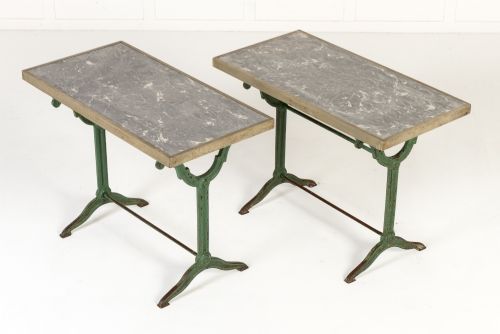
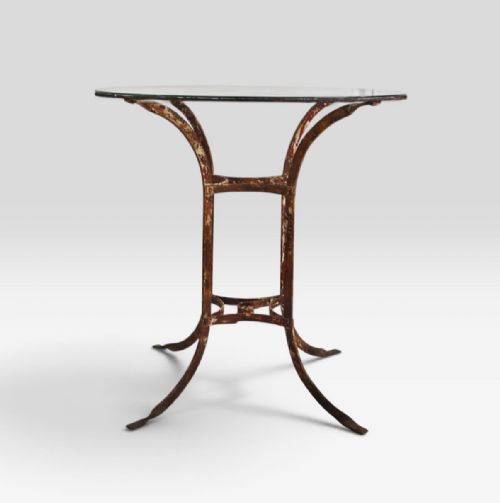
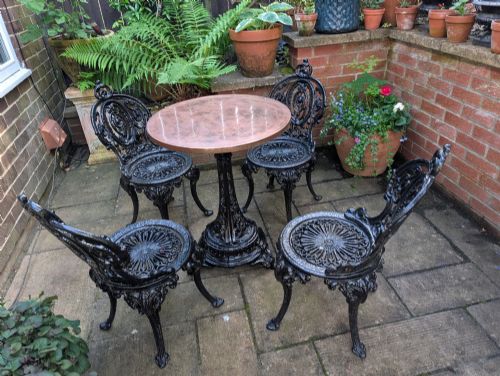
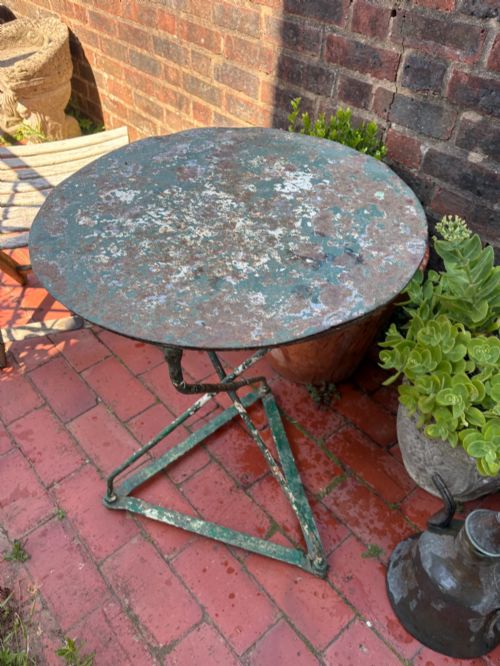
A 19th century iron table encompasses diverse domestic and outdoor forms, ranging from modest round bistro pieces to long tavern and dining examples.
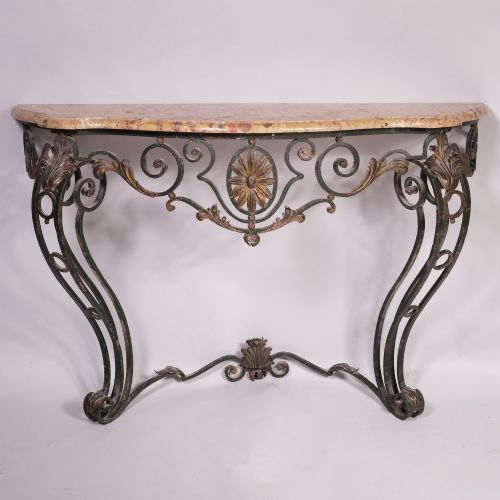
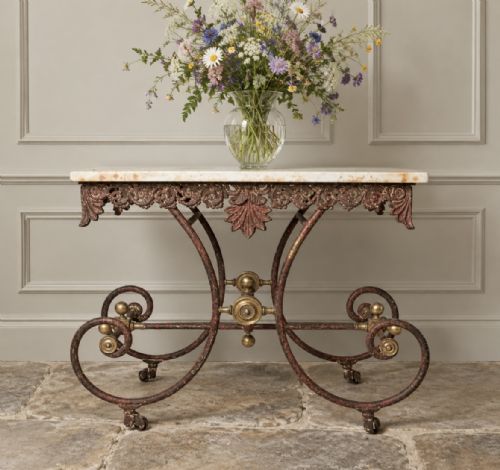
The selections on this page lean heavily toward French provincial garden tables, English side tables, and heavier cast iron console designs intended for conservatories.
Makers utilised durable metal frames paired with stone, marble, wood, or glass to create functional furniture for both commercial and residential settings.
Materials and Technique
Foundries cast molten metal into ornate bases, incorporating structural iron alongside decorative brass elements and painted finishes.
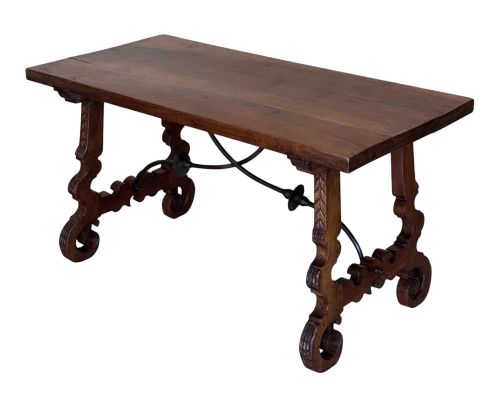
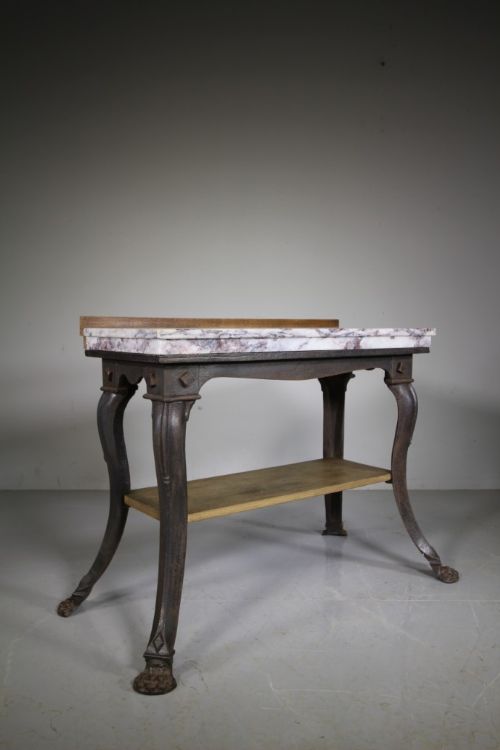
Workshops combined heavy cast or wrought iron frames with fitted marble, slate, oak, pine, or zinc surfaces to withstand daily interior and exterior use.
19th Century Iron Table Retail Price Guide 2026
Typical asking prices for 19th century iron table among the pieces listed under this phrase on Sellingantiques today, from the lower quarter to the upper quarter. They describe what is for sale here now, not the wider market.
Object types span console tables, side tables, garden tables, bistro tables, coffee tables, dining sets, and work benches.
Design and Preservation
The distinction between standard utility tables and superior examples rests on the crispness of the iron casting, decorative detailing such as lion paw feet or dolphin motifs, and the integrity of any fitted marble top.
Original painted surfaces or untouched patination elevate a piece above later refinishing, while sturdy structural joins ensure the heavy metal base supports its stone or wooden top securely.
Coalbrookdale
The 19th Century Iron Table Glossary
- Cast iron
- Molten metal poured into a mould to create rigid, highly detailed decorative and structural components. This technique allowed Victorian foundries to produce intricate scrolling patterns and figural bases.
- Wrought iron
- Metal heated and hammered by hand into shape, yielding fibrous structures with visible tool marks. Unlike cast iron, it bends rather than snaps under extreme stress.
- Gueridon
- A small round occasional table, often supported by a central pillar or tripod base. French examples from the period frequently paired cast iron frames with marble tops.
- Patisserie table
- A sturdy work table featuring an iron base and a thick marble top. These were utilised in French bakeries for rolling pastry and kneading dough.
19th Century Iron Table: Frequently Asked Questions
Where were these tables used?
These tables served various functions across domestic and commercial settings, appearing in provincial gardens, cafes, and grand conservatories alike. They were built to endure heavy daily use outdoors and indoors.
Heavier marble-topped versions frequently stood in French patisseries and domestic kitchens as sturdy preparation surfaces, while lighter round pieces furnished outdoor dining terraces.
Are marble tops original?
Many surviving pieces retain their original heavy stone surfaces, though some have been paired with replacement tops over the decades. The fit and edge profile help determine if the marble belongs to the base.
Original marble slabs often display appropriate weathering, staining, and edge wear consistent with nineteenth-century kitchen or garden use.
How do I care for iron furniture?
Cast and wrought iron require minimal maintenance beyond keeping the metal clean and dry to prevent active corrosion. Preserving original paint finishes avoids the need for harsh intervention.
If placed outdoors, storing the furniture during harsh winter months protects both the metal frame and any fitted stone or wooden surfaces from frost damage.
How do I identify the period?
Dating relies on casting techniques, assembly methods, and stylistic cues such as Victorian ornamentation or French provincial scrollwork. Foundry marks occasionally stamped into the metal offer definitive clues.
Side-by-side comparison of leg profiles, bolt types, and surface patination helps distinguish genuine nineteenth-century construction from later revival pieces.