


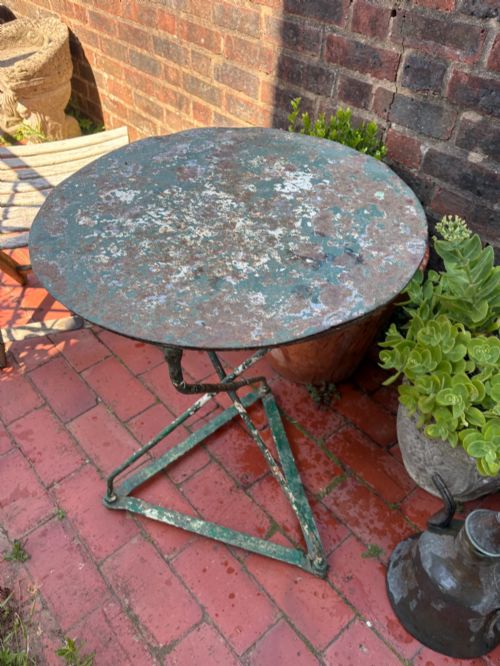


French Cafe Table
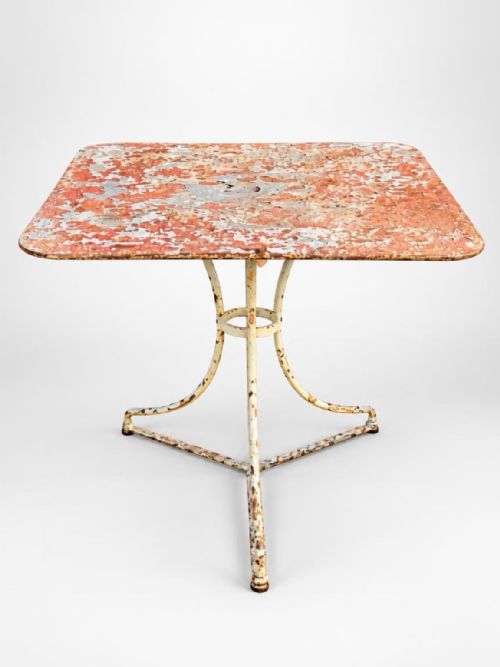
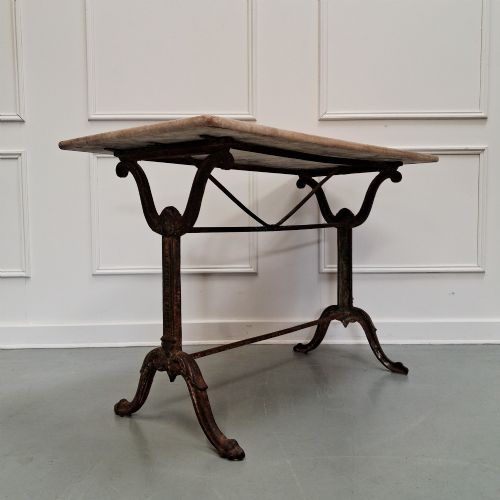
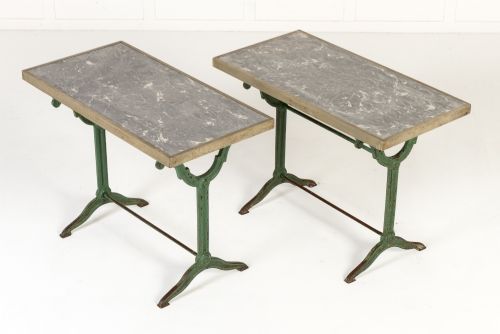
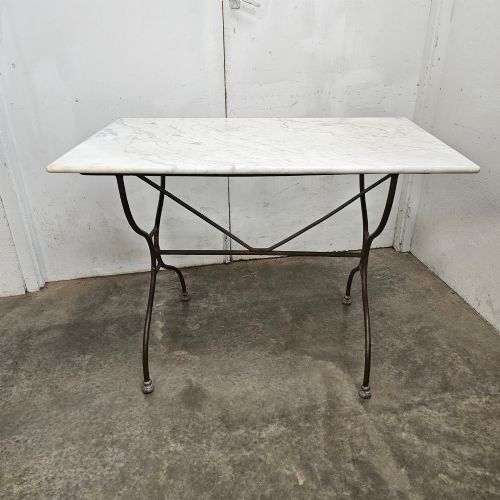
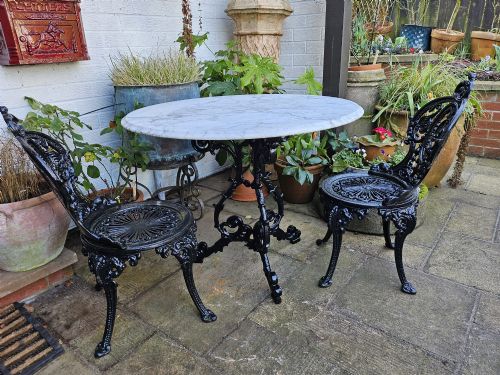
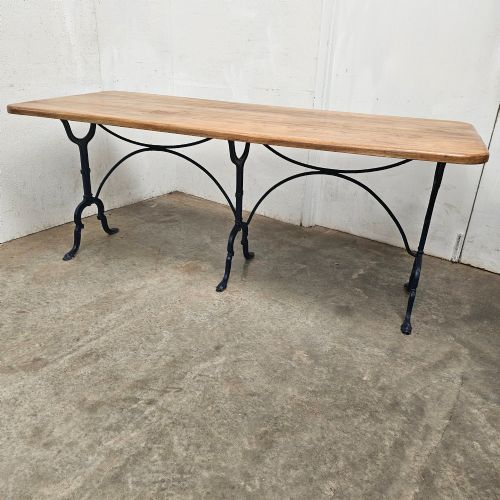
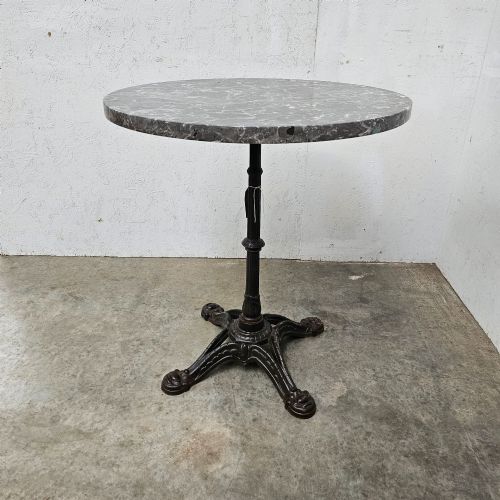
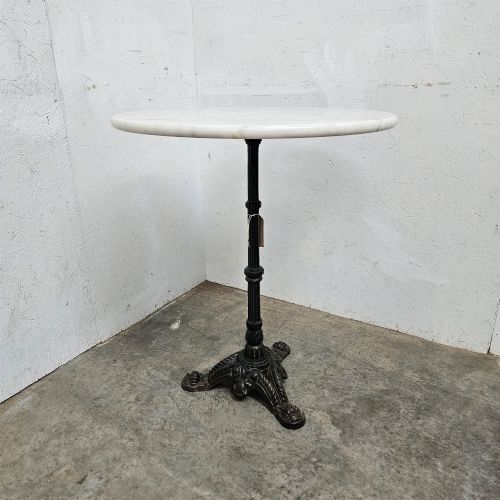
A french cafe table brings immediate continental charm to a terrace or kitchen, combining sturdy metal bases with classic stone or timber tops.
French Cafe Table
When you search for a french cafe table, you are looking at utilitarian tables built for commercial hospitality and domestic use across nineteenth and early twentieth-century Europe. These pieces span from the 1890s through the 1930s, capturing eras described as Victorian, French Bistro, and French Industrial.
Materials and construction
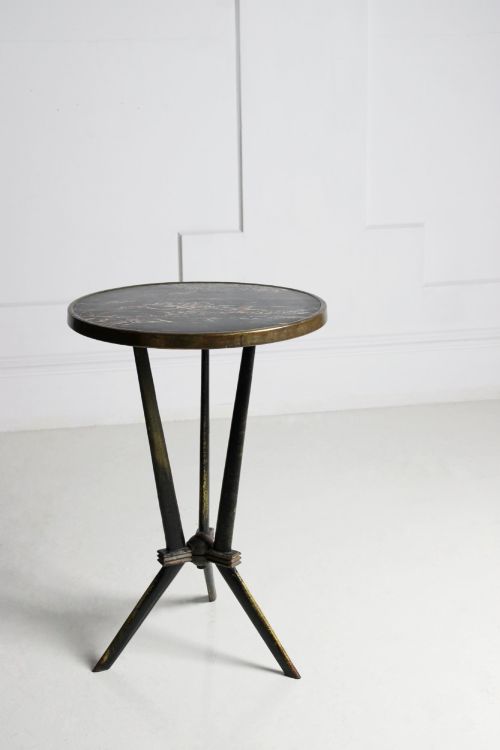
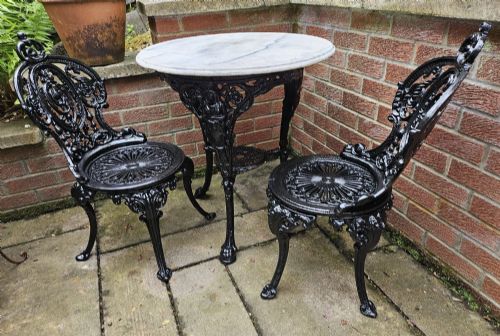
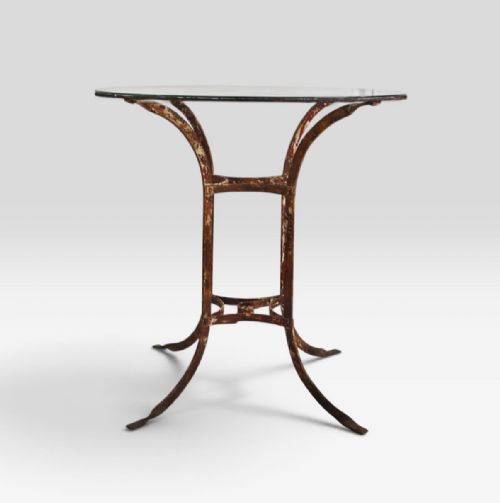
Foundations rely heavily on cast iron and wrought iron, often shaped with scrollwork, tripod legs, or decorative pierced metal aprons. Brass and copper also appear on specific bases, while paint finishes preserve the underlying metal from weathering.
Tops combine durable natural materials like marble, oak, pine, and elm with the iron framework. These surfaces were selected to withstand daily use in bustling Parisian bistros and sheltered garden terraces alike.
French Cafe Table Retail Price Guide 2026
Typical asking prices for french cafe table among the pieces listed under this phrase on Sellingantiques today, from the lower quarter to the upper quarter. They describe what is for sale here now, not the wider market.
Some tables retain historical café rings from past wine glasses, quietly recording decades of lively conversation.
Markers of quality and execution
The distinction between standard utility items and finer examples rests on the crispness of the iron casting and the quality of the stone or timber selected for the top. Heavier, more substantial marble slabs and intricately moulded cast-iron pedestals indicate higher workshop standards.
Original surface patination, such as untouched green paint or aged wood grain, holds greater appeal than heavily restored or replaced elements. The integration between the top and the supporting frame demonstrates the original structural integrity of each piece.
The French Cafe Table Glossary
- Gueridon
- A small round table on a single central column or tripod base. These versatile occasional tables were widely used for holding lamps or drinks.
- Cast iron
- An iron-carbon alloy poured into moulds to create intricate and durable bases. This heavy material provides the necessary stability for small cafe tables.
- Bistro set
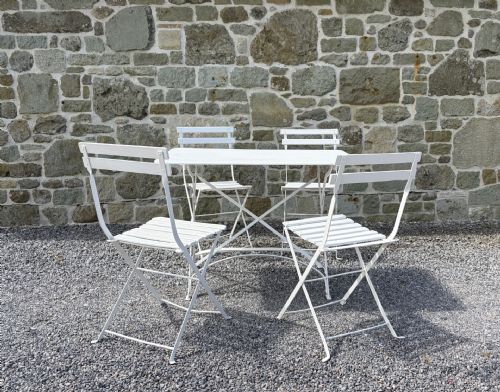
- A small table accompanied by matching chairs designed for compact dining. These ensembles furnish balconies, courtyards, and small kitchens.
- Marble top
- A smooth stone surface prized for its cool touch and resistance to stains. It remains a defining feature of traditional continental cafe furniture.
- Arras
- A specific style of heavy iron garden furniture originating from northern France. Pieces bearing this attribution often feature sturdy slated or pierced metal construction.
French Cafe Table: Frequently Asked Questions
Were these tables meant for indoor or outdoor use?
These tables served dual purposes in both bustling street-side cafes and sheltered garden conservatories. Their robust metal frames allowed them to withstand outdoor elements while remaining elegant enough for interior dining.
Over decades of use, many pieces transitioned between indoor and outdoor settings, developing unique patinas on their iron and timber surfaces.
How do I identify a nineteenth-century piece?
Nineteenth-century examples often display heavier cast-iron bases with simpler, more robust structural engineering compared to later lighter designs. Details such as hand-carved wooden tops or specific foundry marks help anchor the piece to this earlier era.
Examining the fixings and the wear patterns on the metal and stone provides further clues to the manufacturing date.
Can I leave a marble top outside all year?
Marble tops benefit from being stored indoors or covered during freezing winter conditions to prevent frost damage and cracking. While the stone is durable, moisture entering micro-fissures can expand in sub-zero temperatures.
Wiping the surface dry and protecting it from harsh weather preserves the polished finish and structural integrity of the stone.
What is the best way to clean the iron base?
Gentle dusting and wiping with a soft, damp cloth maintain the original surface without stripping away historic paint or patination. Avoid harsh chemical cleaners that might damage aged metal finishes.
Applying a light coat of protective wax can help safeguard exposed iron from further oxidation in damp environments.