



Antique Garden Side Table
An antique garden side table brings utilitarian charm outdoors, combining robust metal frames with durable stone or wood surfaces for terrace or lawn use.
Antique Garden Side Table
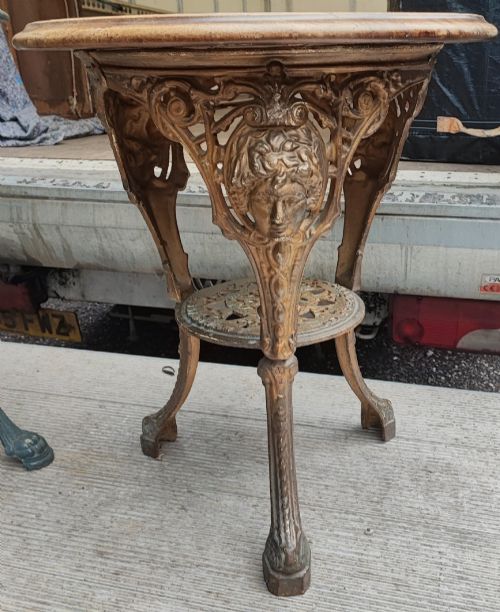
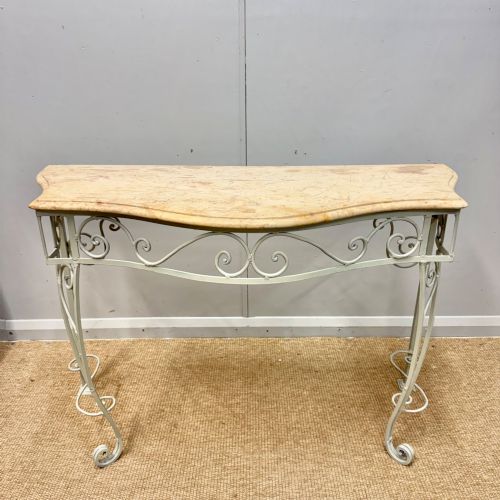
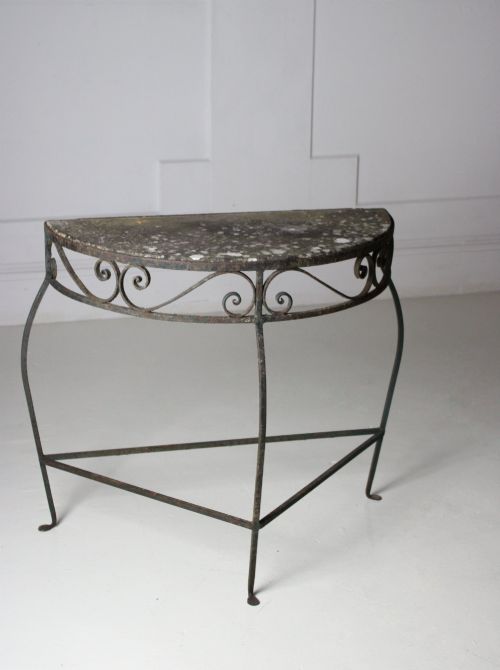
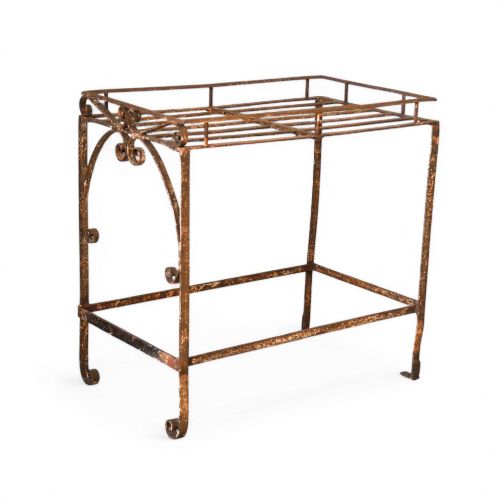
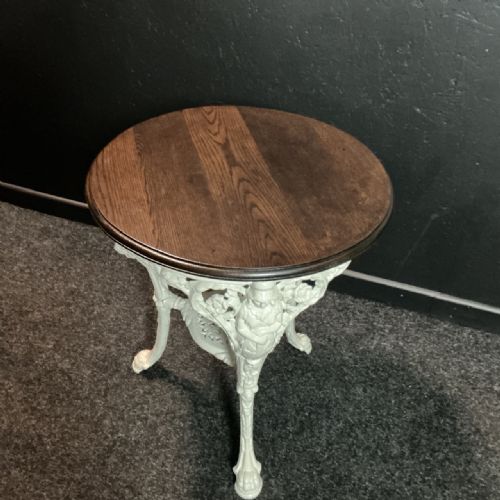
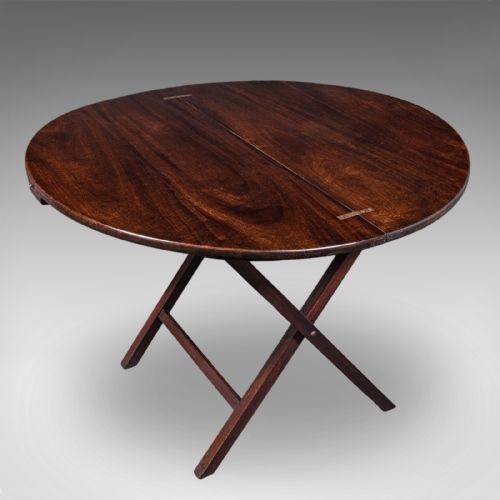
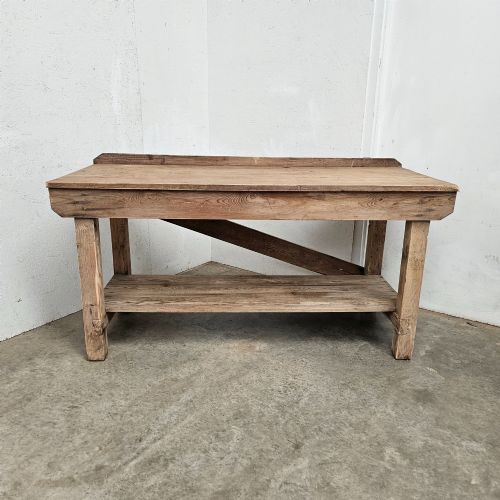
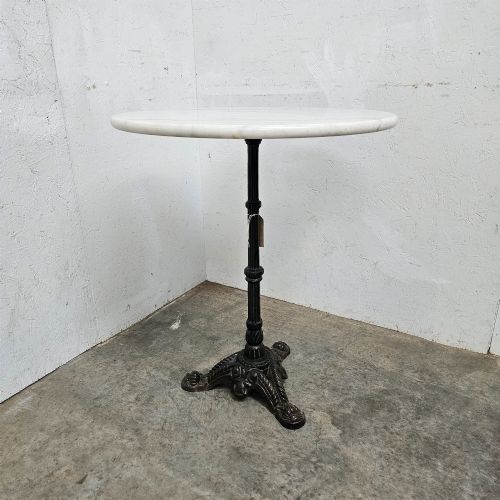
When searching for an antique garden side table, buyers encounter a diverse selection spanning the nineteenth and early twentieth centuries, including Victorian and Edwardian examples. These pieces typically take the form of side tables, console tables, bistro tables, and occasional tables designed for outdoor or conservatory use. French bistro and provincial styles appear alongside English folding tables and industrial potting pieces.
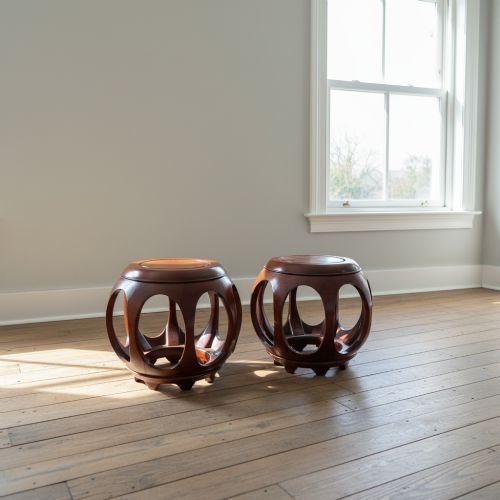
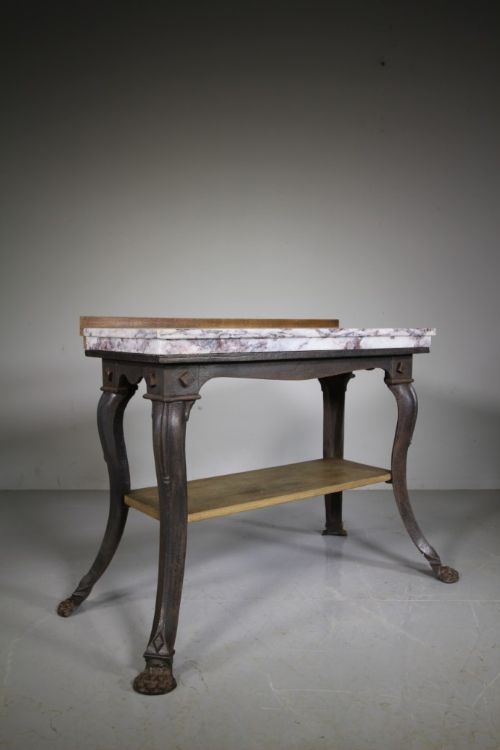
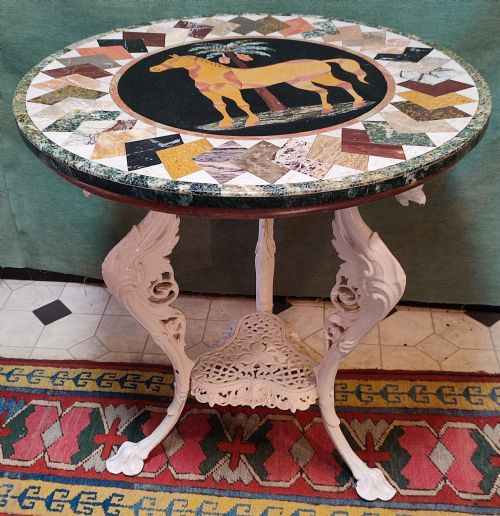
Cast iron and wrought iron frames dominate the offerings, frequently paired with marble, wood, or stone tops. Alongside traditional European designs, the selection includes Chinese hardwood barrel stools, lacquer tables, and porcelain garden seats from the nineteenth century. Folding mechanisms also surface in English kitchen and garden items intended for easy storage.
Materials and construction methods
Makers utilised heavy cast iron and wrought iron for structural bases, employing intricate scrollwork and strapp work alongside industrial foundry techniques. These metal frames often received protective green paint or developed a natural verdigris patina over decades of exposure.
Table surfaces rely on contrasting materials such as cool white or green marble, solid pine, oak, teak, and occasionally copper. Folding frames utilise practical hinges and wooden or iron supports designed for functional utility in gardens and verandas.
Evaluating construction and material quality
Quality separates pieces through the crispness of iron castings and the integrity of the original joints and surfaces. Superior examples retain intact marble tops without repairs and preserve their early painted or weathered finishes.
The sophistication of the ironwork dictates the calibre of the piece, moving from utilitarian industrial forms to refined scrollwork and French cafe styling. Original folding mechanisms that operate smoothly demonstrate superior historical craftsmanship.
The Antique Garden Side Table Glossary
- Cast iron
- A sturdy iron-carbon alloy poured into moulds to create ornate structural bases and scrollwork for tables. It provides heavy stability for outdoor use.
- Gueridon
- A small French round table supported by a central column or pillar. These often feature decorative painted iron bases and stone tops.
- Potting table
- A utilitarian workspace utilised in gardens and greenhouses for planting. They typically feature robust wooden planks and lower storage shelves.
- Strapp work
- Metal strips riveted or welded together to form geometric patterns on table frames. This technique provides both structural support and decorative detail.
- Verdigris
- A green patina formed naturally on copper, brass, or bronze through atmospheric weathering. It indicates long exposure to the elements.
Antique Garden Side Table: Frequently Asked Questions
Were these tables meant for outdoor use?
Many of these pieces were built specifically to withstand the elements using durable cast iron frames and stone or hardwood surfaces. They served practical functions on verandas, in conservatories, and across gardens.
Over time, exposure to weather created natural patinas on the metal and paintwork. Today, owners continue to place them outdoors or bring them into garden rooms and kitchens.
How do I identify a Victorian iron table?
Victorian examples frequently display heavy cast iron bases with scrollwork, cabriole legs, or industrial framing. They commonly pair with heavy marble slabs or timber tops.
Looking closely at the foundry marks and the weight of the iron helps determine the period. The presence of green paint or weathered patination is also typical of nineteenth-century pieces.
What is a French bistro table?
A French bistro table is a small café table featuring an iron base and a marble or wooden top. They were designed for commercial use outside Parisian pavement cafes.
Their compact size makes them versatile for modern balconies and small garden spaces. They combine elegant metalwork with practical, hard-wearing surfaces.
How should I care for marble tops outdoors?
Marble surfaces benefit from gentle cleaning with mild soap and water to avoid damaging the stone. Sealing the marble protects it from moisture and staining during wetter months.
During harsh winter weather, storing stone-topped tables indoors or under protective covers prevents frost damage. This preserves the historical integrity of the material.