


White Iron Bistro Table
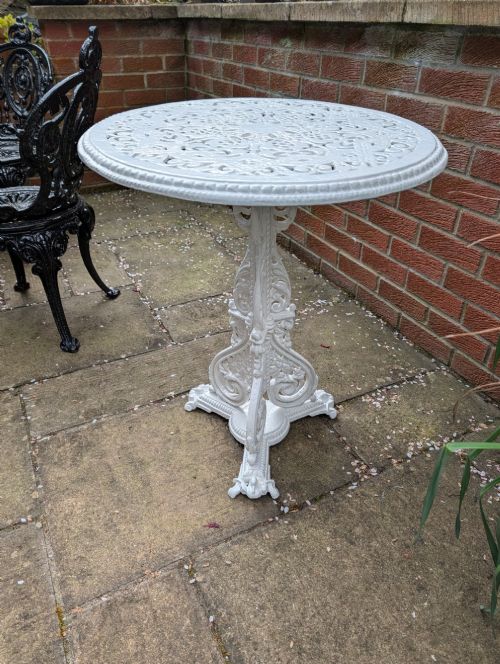
A white iron bistro table brings enduring continental style to a terrace, conservatory or garden room with its robust metal frame and compact surface.
White Iron Bistro Table
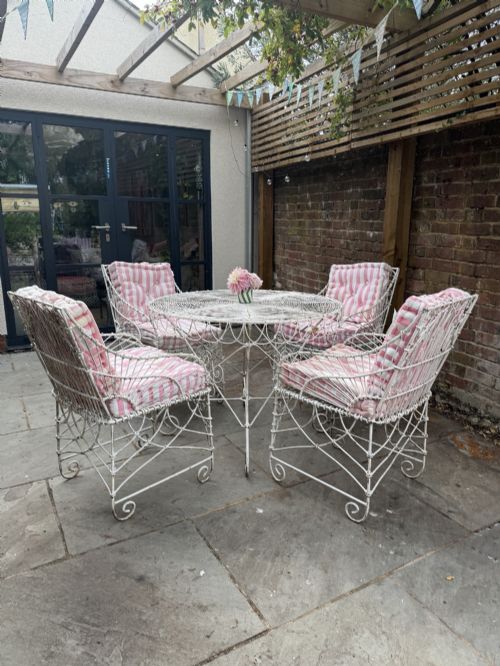
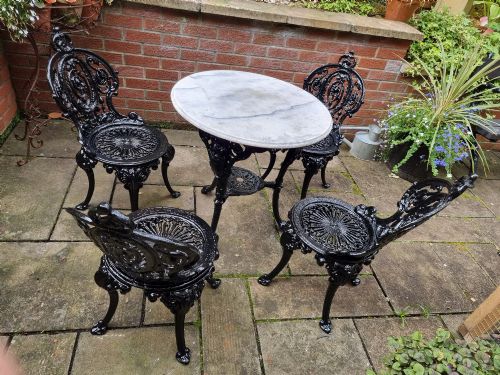
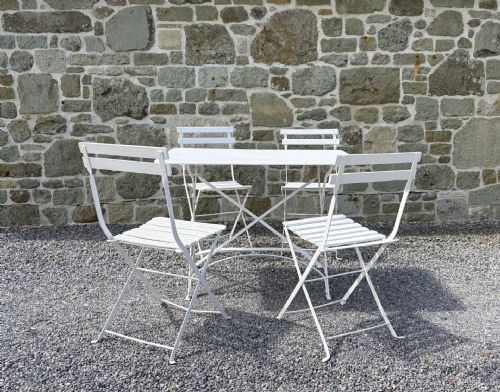
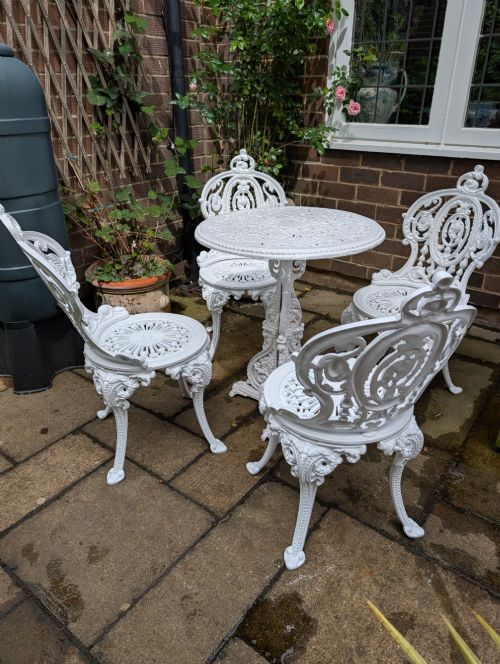
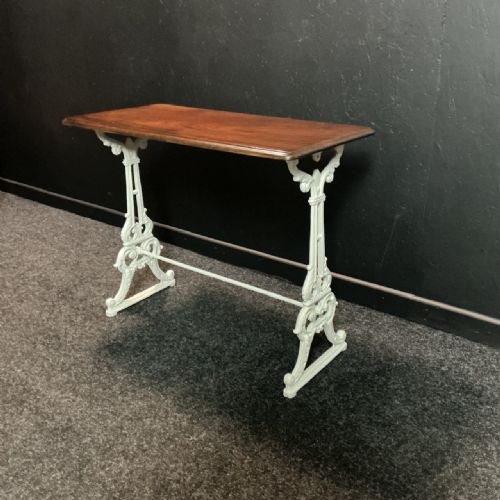
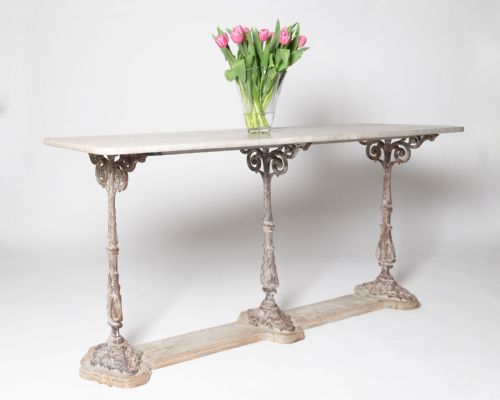
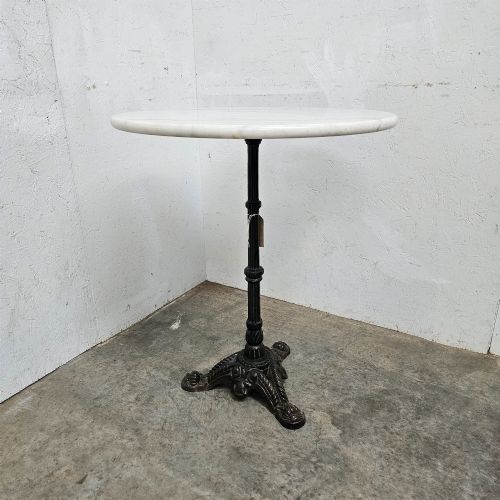
A white iron bistro table serves as a functional and decorative piece rooted in nineteenth-century and early twentieth-century design. Buyers searching for a white iron bistro table encounter various forms, including traditional cafe tables, garden dining sets, console tables, and occasional side tables.
The selections span distinct historical periods, notably the nineteenth century and the Victorian era, alongside pieces from 1900, 1910, 1920, and 1930. French provincial influences appear frequently alongside Victorian wirework and heavy cast-iron compositions.
Most examples function efficiently in compact spaces due to their modest proportions. These tables accommodate outdoor gardens, conservatories, and interior spaces alike, often paired with matching chairs or used individually as console and drinks tables.
Materials and construction methods
Construction relies heavily on cast iron and wrought iron for the structural bases and frames, providing durability and weight. Many pieces incorporate decorative details such as strapp work and intricate Victorian designs.
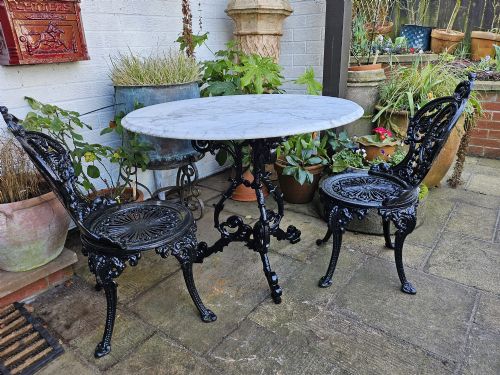
Tabletops introduce contrasting textures through the use of smooth marble, wood including cedar, steel, wirework, and painted surfaces. White paint finishes applied over the metal framework define the characteristic appearance of these outdoor and conservatory tables.
Materials documented across the listings include cast iron, wrought iron, marble, wood, wirework, and brass.
Distinctions in quality and execution
Quality separates through the refinement of the iron casting and the presence of documented design attributions. Tables featuring detailed Victorian casting or specific aesthetic movements show superior artistic consideration compared to utilitarian examples.
The integrity and provenance of the surface materials, particularly heavy marble slabs or carefully preserved original paint layers, elevate certain pieces. The harmony between the cast iron base and the fitted top dictates the overall success of the construction.
Christopher Dresser
The White Iron Bistro Table Glossary
- Cast iron
- A strong, hard iron alloy poured into moulds to create intricate bases and decorative legs for tables. It provides the heavy foundation characteristic of Victorian garden furniture.
- Wrought iron
- Iron that is heated and hammered into shape by a smith rather than cast in a mould. This material allows for slender, flowing scrolls and structural elements.
- Strapp work
- Flat metal strapwork forming decorative patterns on table bases and frames. It creates an open, geometric lattice effect across the ironwork.
- Britannia table
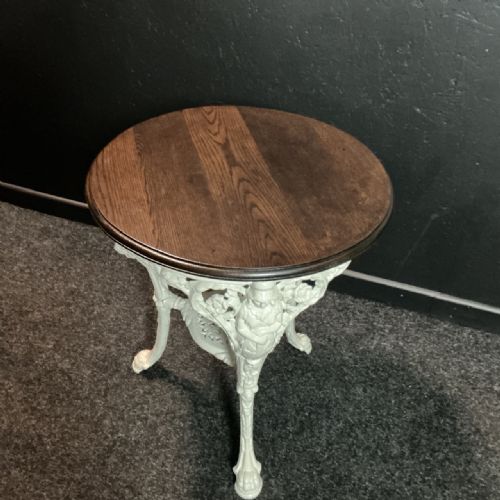
- A traditional pub or cafe table design featuring a heavy circular cast-iron base and a wooden top. These robust tables saw widespread commercial use in the nineteenth century.
- Patisserie table
- A specialised commercial table historically used in French bakeries and cafes, often featuring a durable stone top and a sturdy metal frame.
White Iron Bistro Table: Frequently Asked Questions
Can I leave my bistro table outside all year?
Iron furniture withstands outdoor conditions well, though winter storage protects painted finishes and marble surfaces from frost damage. Moving tables indoors or under cover during harsh weather extends their lifespan.
Regular checks on the paint layer help prevent moisture reaching the metal underneath. A dry conservatory or sheltered patio provides an ideal environment for pieces with delicate marble tops.
How do I clean a marble tabletop?
Gentle wiping with a damp cloth and mild soap removes daily dust and dirt without harming the stone. Avoid acidic cleaners that etch the polished marble surface.
Dry the surface thoroughly after cleaning to prevent water marks. Proper care preserves the smooth finish characteristic of nineteenth-century cafe tables.
Are these tables heavy to move?
Cast iron bases provide substantial weight to keep the tables stable during use. This mass means individual pieces require care when repositioning around a garden or terrace.
Tables with marble tops add further weight to the assembly. Two people often manage the movement of larger dining sets safely.
How do I identify a Victorian piece?
Victorian examples often display registration marks, specific foundry characteristics, or recognizable design motifs from the nineteenth century. The weight and density of the cast iron also point toward earlier production periods.
Construction details such as hand-threaded bolts and traditional joinery separate older pieces from later reproductions. Consulting period design catalogues helps confirm stylistic origins.