



French Country Bistro Table
A french country bistro table brings utilitarian charm into the home, offering sturdy iron bases and warm timber surfaces for everyday dining.
French Country Bistro Table
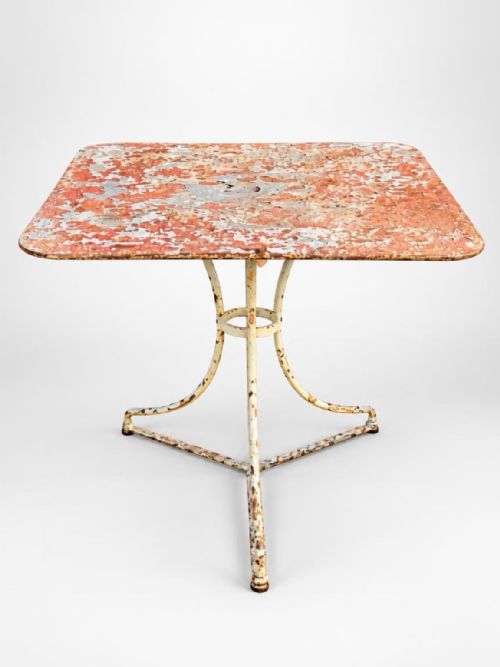
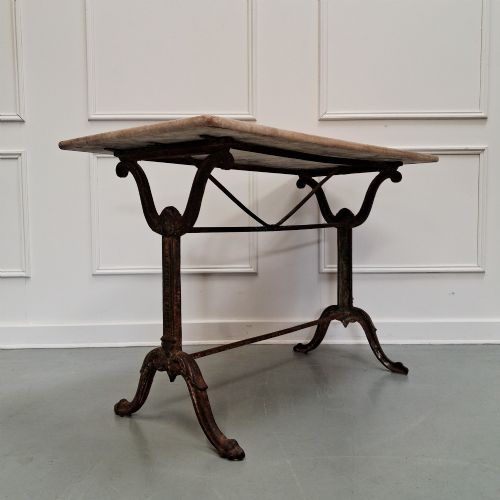
A french country bistro table combines robust industrial utility with regional domestic charm, taking the form of compact dining tables, folding vineyard pieces, and marble-topped baker surfaces. Buyers searching for a french country bistro table encounter furniture designed originally for commercial hospitality or agricultural labour, now repurposed for residential interiors and gardens.
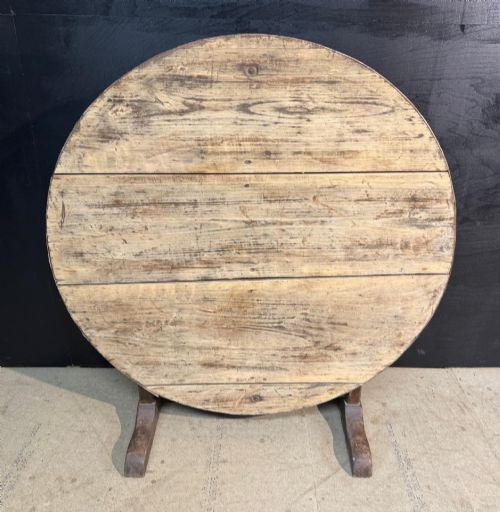
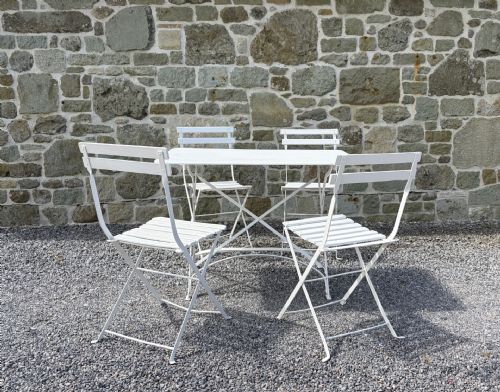
The selection on this page draws heavily from the nineteenth century alongside later nineteen-twenties and nineteen-thirties examples, spanning styles from French provincial to industrial. Common variations include round walnut dining tables, cherry and oak vendange formats, and folding garden sets complete with matching chairs.
Origins trace directly to France, where these tables served in cafes, wine bars, and patisseries before entering the antique market. Buyers typically find sturdy timber tops paired with heavy cast iron or wrought iron supports built to withstand decades of heavy use.
How they were made
Construction relies upon durable combinations of hardwoods and metals, pairing oak, cherry, and walnut timbers with cast iron, wrought iron, and zinc. Workshops utilised these resilient materials to create stable frames capable of handling the rigours of commercial wine bars and outdoor gardens.
Folding mechanisms appear frequently in agricultural formats such as vineyard and vendange tables, allowing workers to store surfaces easily after the harvest. Tops range from solid timber planks in oak and cherry to cool marble slabs fitted specifically for patisserie and baking preparation.
French Country Bistro Table Retail Price Guide 2026
Typical asking prices for french country bistro table among the pieces listed under this phrase on Sellingantiques today, from the lower quarter to the upper quarter. They describe what is for sale here now, not the wider market.
Periods represented span from the Victorian era and the nineteenth century through the nineteen-twenties and nineteen-thirties.
What varies in quality
Quality rests in the original patination of the timber and the integrity of the metalwork, distinguishing genuine commercial items from later decorative interpretations. Tables retaining their authentic painted surfaces or original zinc tops command greater interest among purists.
The heft of the iron base and the closeness of the wood joinery indicate superior workshop production. Pieces that maintain smooth folding actions without structural compromise demonstrate careful historical upkeep.
The French Country Bistro Table Glossary
- Vendange table
- A folding harvest table originating from French vineyards, traditionally built from cherry and oak for seasonal grape sorting and wine production.
- Patisserie table
- A commercial prep table featuring a durable marble top, designed for pastry making and commonly utilised in French bakeries during the nineteenth and early twentieth centuries.
- Wrought iron
- Iron beaten into shape by hand while hot, utilised for decorative and structural bases on nineteenth-century bistro furniture.
- Zinc top
- A sheet metal surface applied to wooden tables for waterproof hygiene, frequently seen on vintage garden and interior cafe furniture.
French Country Bistro Table: Frequently Asked Questions
Where were bistro tables originally used?
These tables served primarily in French cafes, wine bars, and patisseries where durable, compact furniture was essential for hospitality.
Agricultural versions also saw heavy employment in vineyards during the grape harvest season before migrating into residential interiors.
Are folding vineyard tables structurally stable?
Folding vineyard tables utilise clever wooden or iron hinge mechanisms designed to lock securely during active use while remaining collapsible for storage.
Their original purpose demanded resilience against heavy daily weights and outdoor elements.
How do I care for a marble top table?
Marble surfaces require gentle cleaning with mild soap and water to preserve the stone without damaging the historical finish.
Avoid harsh acidic cleaners that can etch the polish accumulated over a century of use.
What materials are most common on these tables?
The listings show a frequent pairing of sturdy hardwoods like oak, cherry, and walnut with heavy cast iron or wrought iron bases.
Zinc and marble also appear regularly as specialised surfaces for bakeries and outdoor garden settings.