




Antique British Mahogany Table
An antique british mahogany table brings rich timber grain and classic joinery straight into a room.
Antique British Mahogany Table
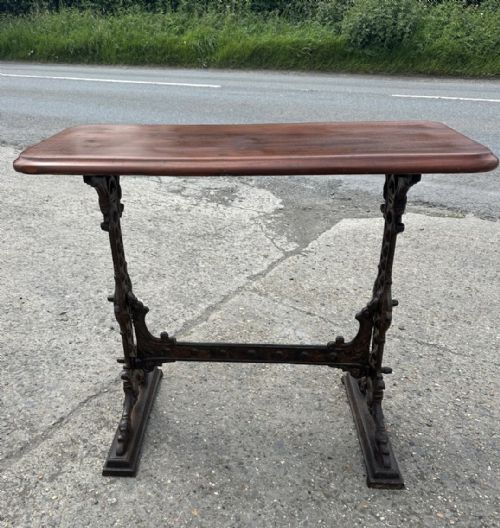
When you search for an antique british mahogany table, you encounter a variety of forms spanning several centuries of cabinet making. The selection on this page ranges from Georgian dining pieces and George III drop-leaf gateleg tables to Victorian pub tables and Edwardian occasional items.
Buyers frequently find specialised designs such as tiered dumbwaiters, nests of coffee tables, and circular breakfast tables resting on robust octagonal pillars. These pieces reflect the evolving domestic needs of British homes from the eighteenth century through to the early twentieth century.
The materials paired with the primary timber include brass accents, glass components, and lighter decorative elements like satinwood and boxwood inlay. Each form demonstrates how mahogany remained the pre-eminent wood for utility and display across successive design movements.
Materials and Construction
Makers utilised solid mahogany and figured veneers over dense structural timber, relying on the natural strength of the wood to build stable frames. Drop-leaf and gateleg mechanisms required precise hinge placement and solid jointing to support moveable leaves without sagging.
Decorative surfaces often incorporate contrasting boxwood and satinwood inlay to create geometric borders and panel details. Cast iron and brass fittings provide structural support and mechanical function, particularly on pub tables and pedestal bases.
The listings on this site feature mahogany tables spanning the Georgian, Victorian, and Edwardian periods, frequently incorporating brass and inlay.
Judging Quality
The distinction between ordinary and superior pieces rests on the choice of timber and the depth of figuring in the mahogany grain. Tables featuring highly figured veneers and crisp, hand-cut inlay demonstrate a higher level of workshop skill.
Proportion and structural integrity also separate standard examples from finer works. A well-balanced frame with original brass or iron hardware retains its visual harmony and functional rigidity over centuries of use.
Holland and Sons
The Antique British Mahogany Table Glossary
- Mahogany
- A durable tropical hardwood prized for its deep reddish-brown colour and stability in furniture construction. It takes a high polish and resists warping.
- Inlay
- A decorative technique where contrasting woods like boxwood or satinwood are embedded into the primary mahogany surface to form patterns. This method defines many refined tabletops.
- Gateleg table
- A drop-leaf table where hinged legs swing out to support the extended flaps. This design allows the surface area to expand or contract according to space requirements.
- Dumbwaiter
- A multi-tiered freestanding table used for serving food and drinks without servants present. These pieces typically feature graduated circular trays stacked on a central column.
- Figured mahogany
- Timber displaying distinctive grain patterns such as flame, curl, or feathering. Cabinet makers reserved these choice sections for prominent display surfaces.
Antique British Mahogany Table: Frequently Asked Questions
How do I date a mahogany table?
Dating relies on examining construction methods, timber thickness, and the prevailing style of the period. Georgian and Regency pieces often show hand-cut joints and distinct timber choices compared to later Victorian iterations.
Hardware, such as brass castors or hinges, also provides reliable clues to the era of manufacture. Comparing the secondary woods used underneath helps confirm the age of the piece.
Can I use an antique table daily?
These tables were built for everyday domestic use and remain entirely practical for modern living. Standard maintenance, such as using coasters and avoiding excessive moisture, preserves the polished finish.
Placing them away from direct heat sources prevents the solid timber and veneer from drying out. Regular polishing with traditional wax keeps the mahogany nourished.
How do I care for mahogany grain?
Maintenance involves gentle cleaning with a soft cloth and occasional application of quality beeswax. This protects the wood without building up synthetic residues that dull the natural shine.
Harsh chemical cleaners and direct sunlight should be avoided to prevent fading and damage to the French polish. Proper environmental humidity stops the timber from splitting.