
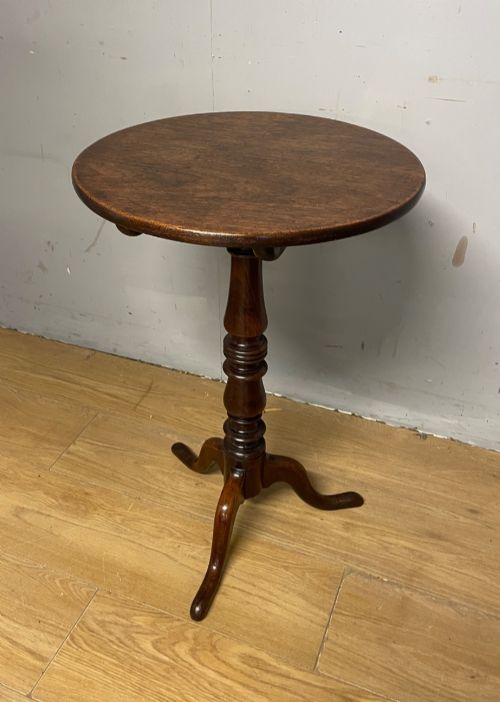
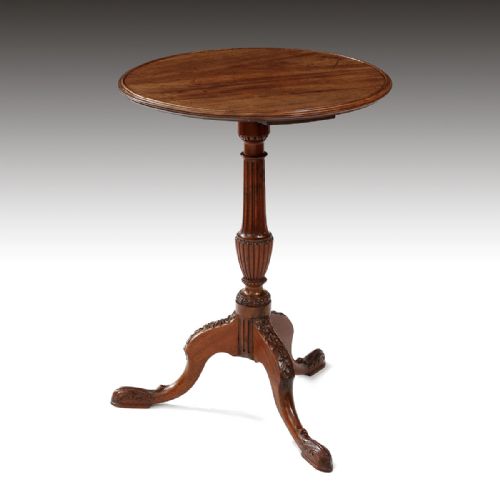
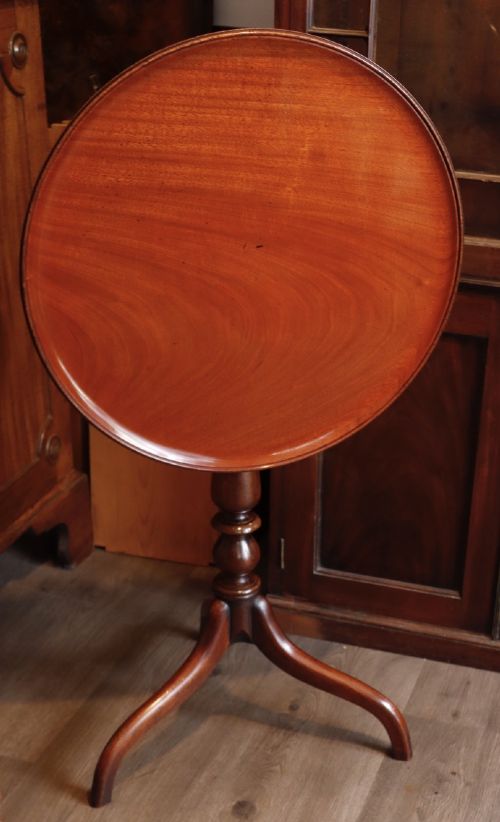
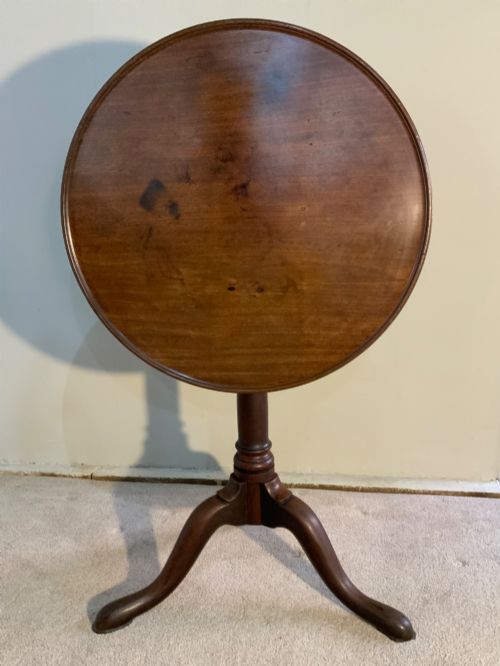
Tilt Top Candle Stand
These tilt top candle stand designs offer compact utility and traditional warmth, giving any room a practical surface with an adjustable top.
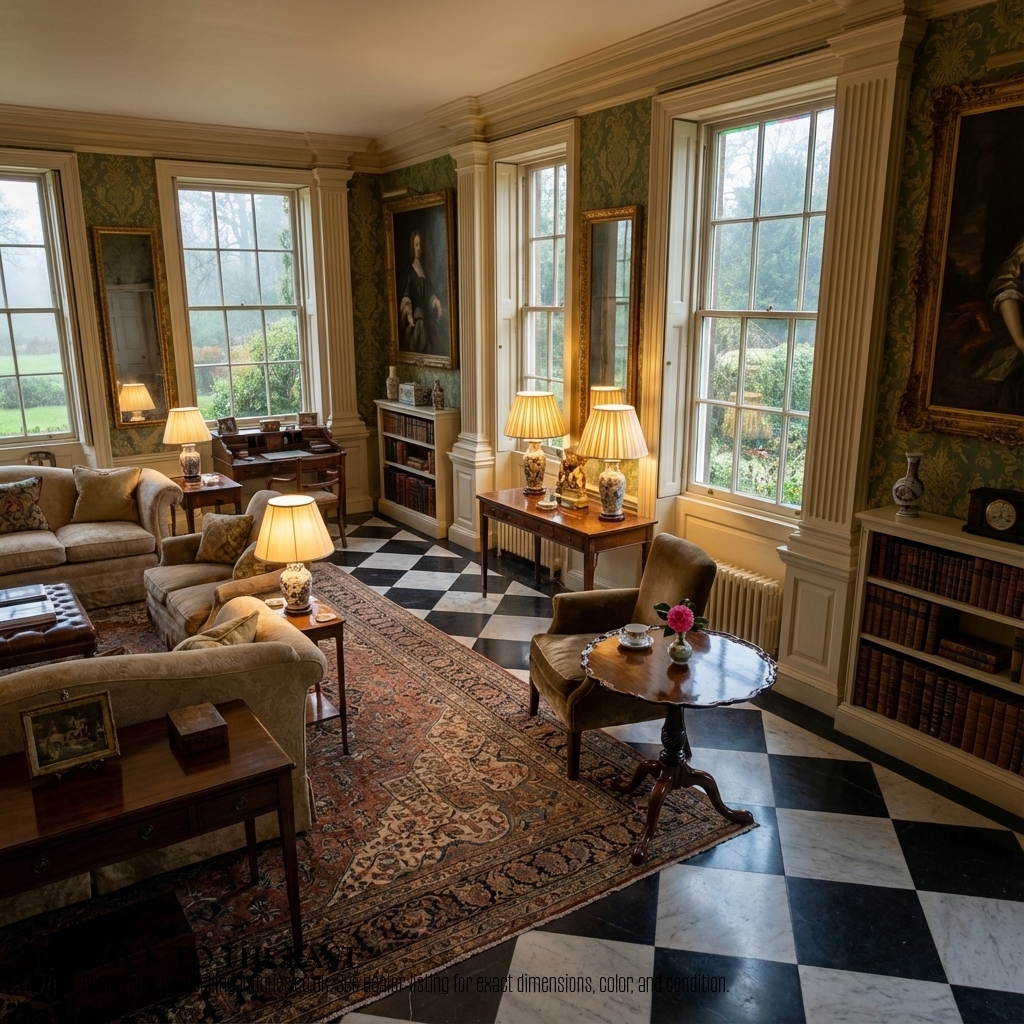
What a tilt top candle stand is
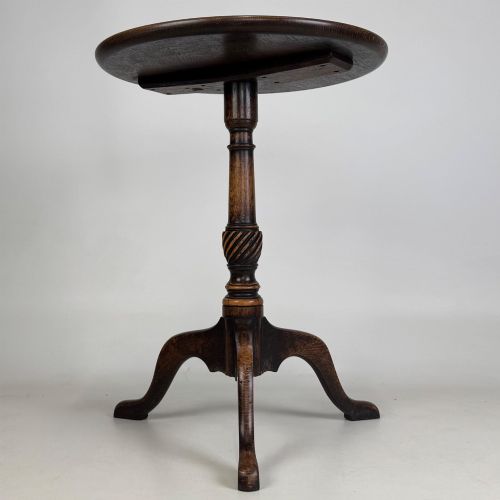
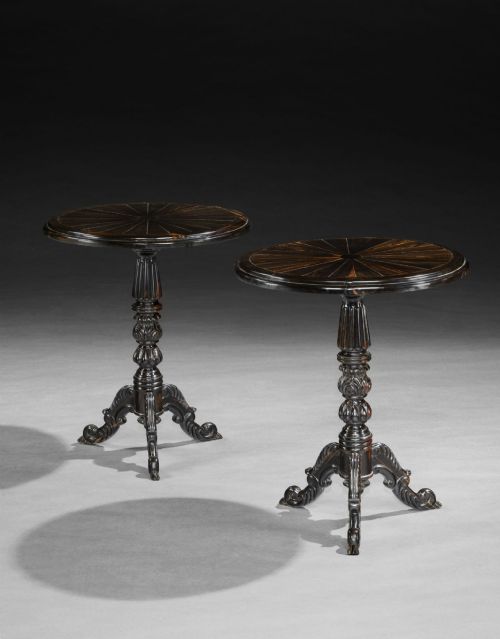
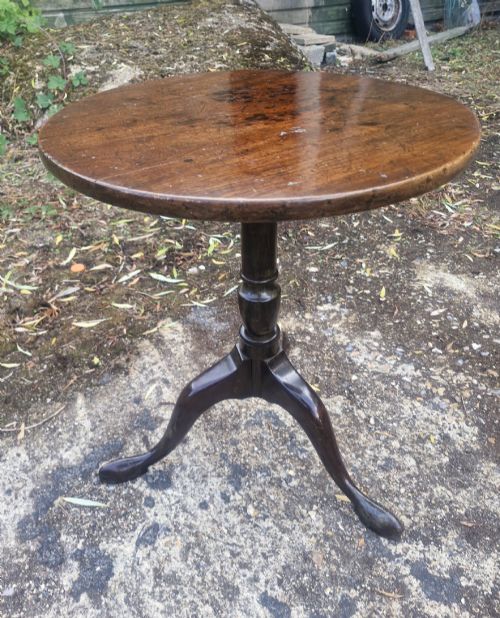
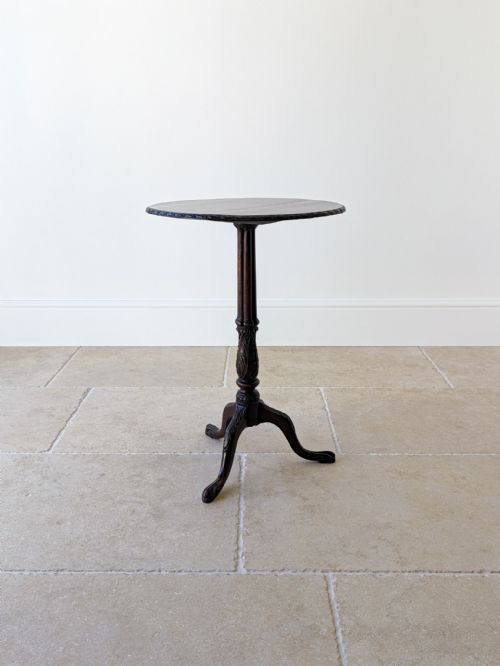
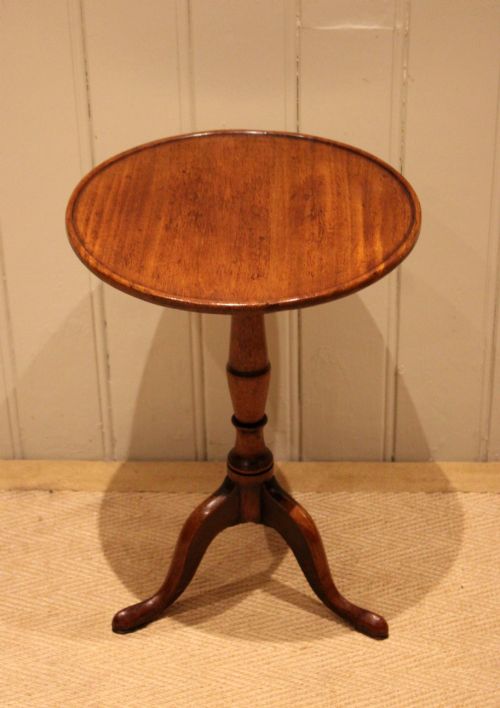
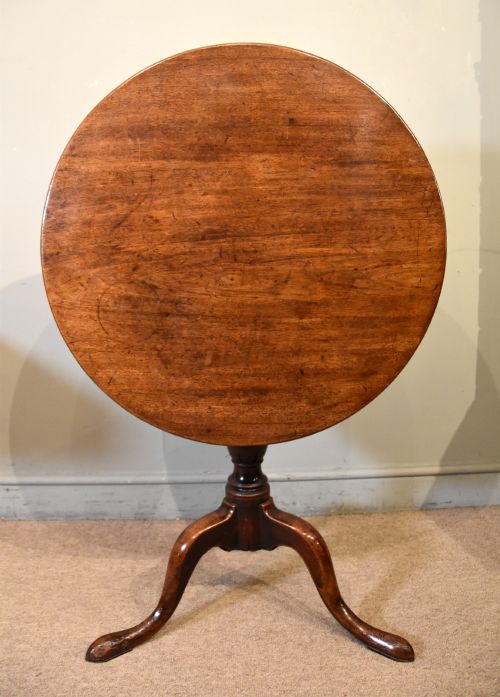
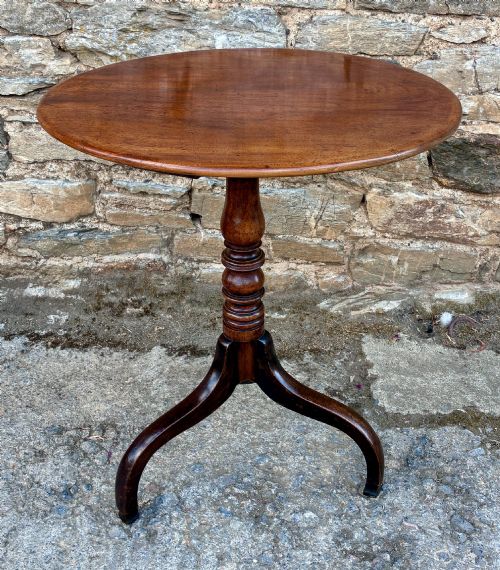
A tilt top candle stand provides a compact surface designed originally to hold a light source or a small glass of wine. Most examples seen here date from the eighteenth century, alongside Georgian revival pieces from the early twentieth century.
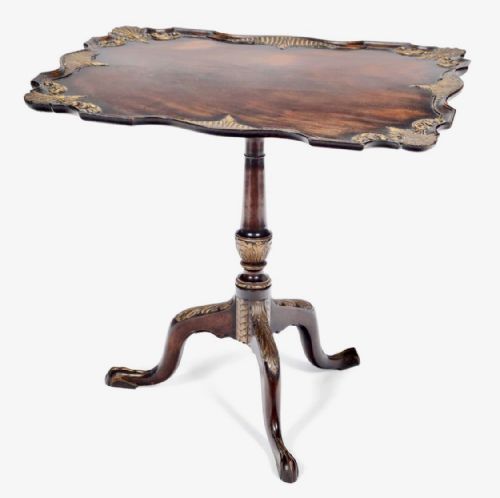
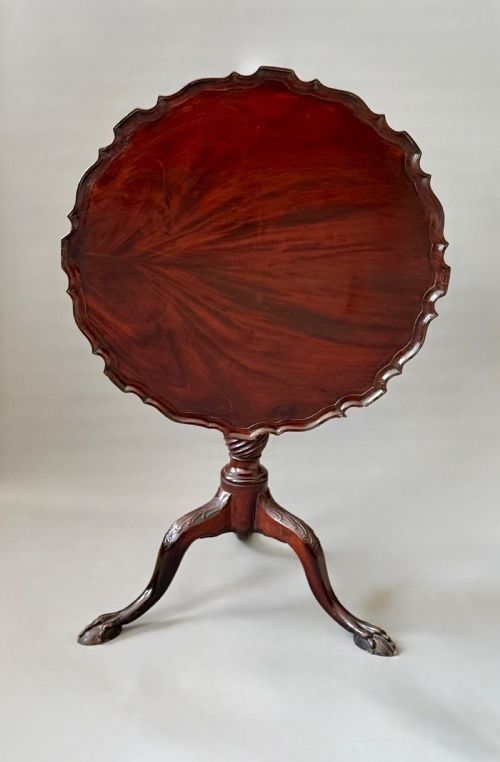
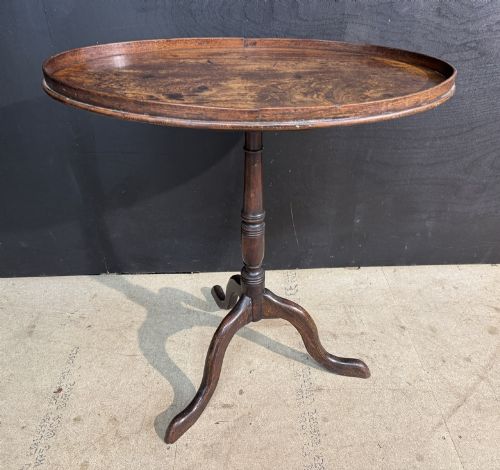
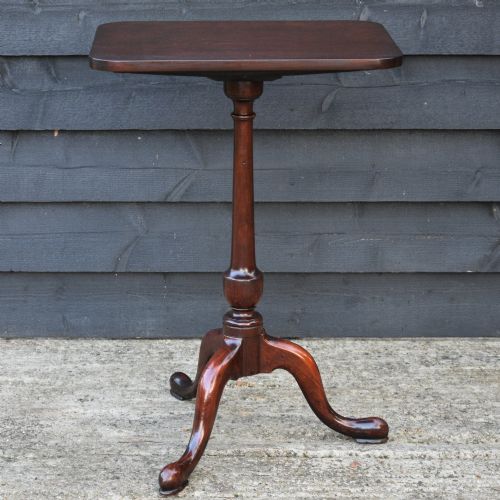
Forms span tripod tables with pie crust edges, rectangular alder root tops, and occasional tables with pivoting mechanisms. These pieces suit corners and beside seating where a full-sized table takes too much floor space.
Origins represented in the inventory range from English workshops working in mahogany and yew to Swedish country makers shaping alder root and birch. The selection balances formal Georgian tripod designs with simpler regional alternatives.
How they were made
Cabinet makers constructed these pieces using solid timbers such as mahogany, yew, and birch, often pairing turned wooden columns with sturdy tripod or multi-legged bases. Iron and brass components frequently form the pivots and catches that allow the surface to tip upright when not in use.
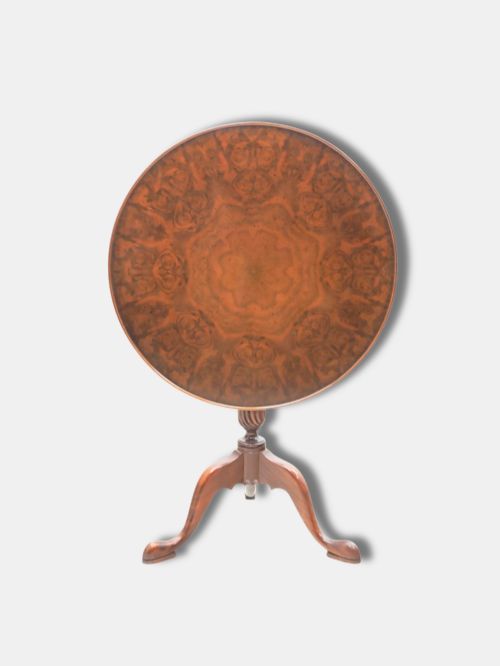
The working surfaces demonstrate varied carpentry techniques, from raised pie crust edges carved directly from solid mahogany blanks to square root timber tops selected for natural figuring. Ebonised wood and simpler regional turning appear among the alternative finishes.
Retail Price Guide 2026
Typical UK retail prices for tilt top candle stand, calculated from the Sellingantiques database of over a million retail prices indexed since 2003. This retail price guide relies exclusively on Sellingantiques data; no external sources or auction records are used, so the figures do not describe the wider market.
What varies in quality
Quality rests on the crispness of the carving and the integrity of the tilting mechanism, where finer examples feature seamless movement without looseness in the pivot block. The choice of timber grain, such as heavily figured yew or carefully selected mahogany, separates standard production from superior cabinet work.
Proportion dictates the elegance of the silhouette, with slender vase-turned columns and well-raked tripod legs creating stability and visual balance. Later revival pieces rely on machine precision, whereas eighteenth-century originals display the hand-shaped nuances of individual joiners.
The Tilt Top Candle Stand Glossary
- Tilt top
- A mechanism allowing the table surface to pivot vertically for storage against a wall when not in use. This clever design saves space in smaller domestic interiors.
- Pie crust
- A raised, scalloped edge carved directly from the solid timber perimeter of the table top. It frequently characterises formal eighteenth-century tripod tables.
- Tripod base
- A support structure comprising three legs radiating from a central turned pillar. This design ensures the table remains stable on uneven floorboards.
- Wine table
- A small occasional table intended to hold glassware or small items beside a chair. These pieces often feature circular tops and pivoting stems.
Frequently Asked Questions
What is a tilt top candle stand?
A tilt top candle stand is a small occasional table featuring a pivoting mechanism that allows the surface to lift vertically. This function made it easy to store against a wall when floor space was needed.
Such tables typically measure small enough to sit beside a chair or in a corner, holding a light source or drinking vessel.
How do I date a tilt top table?
Dating relies on examining the timber species, construction joints, and turning styles of the central column and base. Eighteenth-century examples often use solid mahogany or yew with hand-turned components.
Revival pieces from the early twentieth century show more uniform machine work and different timber preparation beneath the surface.
Where should I place a wine table?
Wine tables suit placement beside armchairs, sofas, or in neglected corners that require a functional small surface. Their compact footprints allow them to fit where larger furniture cannot go.
The tilting top also permits you to fold the surface away against a wall when the room needs to feel more open.
What woods were used for these tables?
English makers relied heavily on dense hardwoods like mahogany and yew for formal pieces. Regional and continental makers utilised alternative local timbers including birch, alder root, and ebonised wood.
Each timber brings a distinct grain pattern and weight to the finished structure.