


Fretwork Gallery Side Table
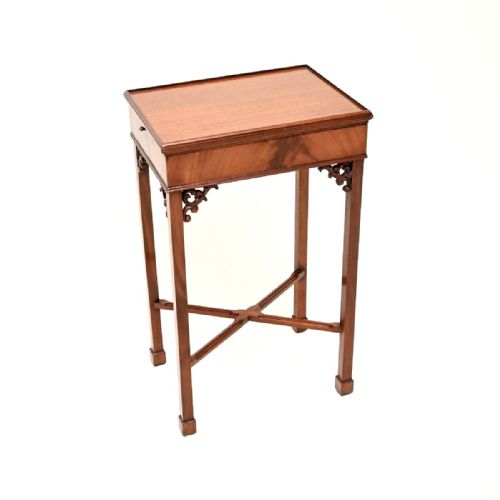
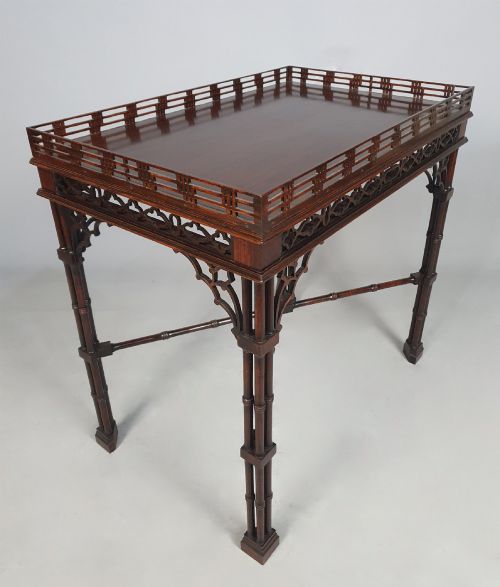
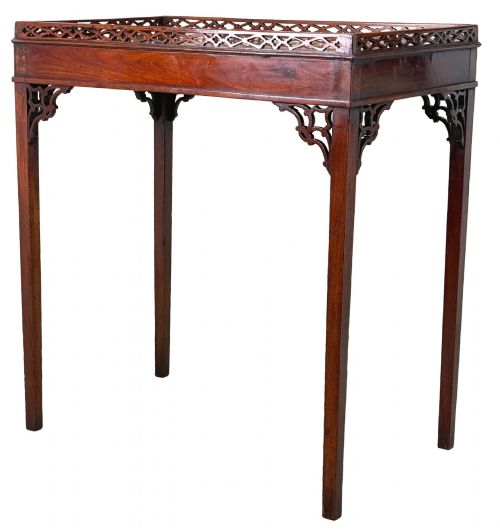
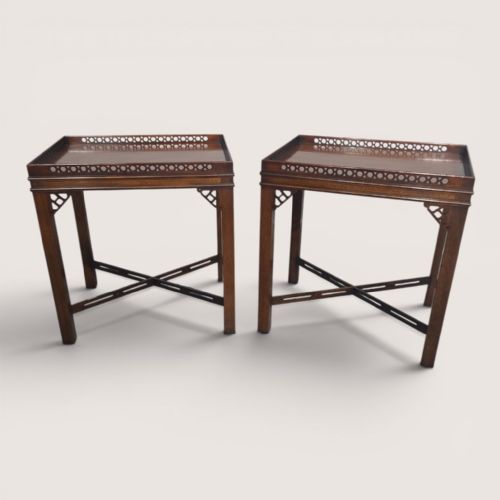
A fretwork gallery side table offers an elegant surface defined by intricate pierced fretwork borders, bringing refined Georgian and revival style into domestic spaces.
Fretwork Gallery Side Table
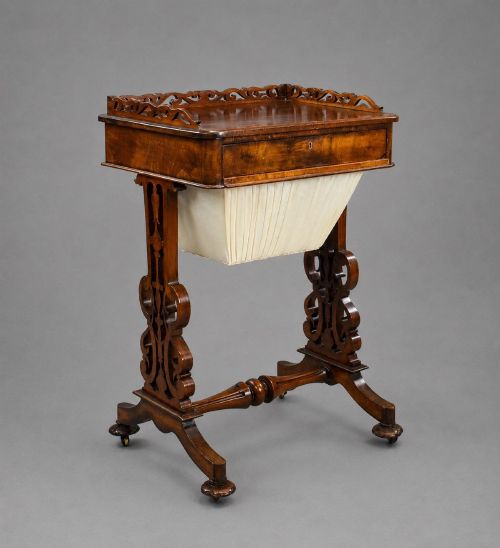
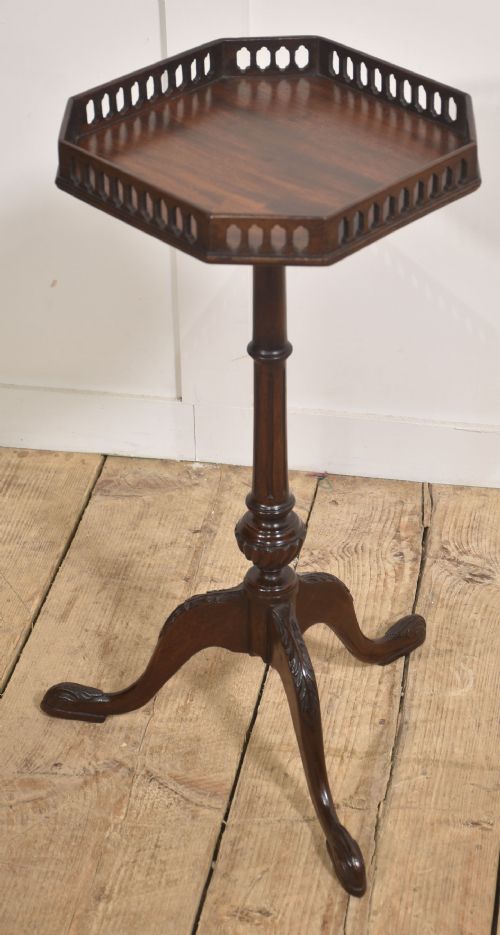
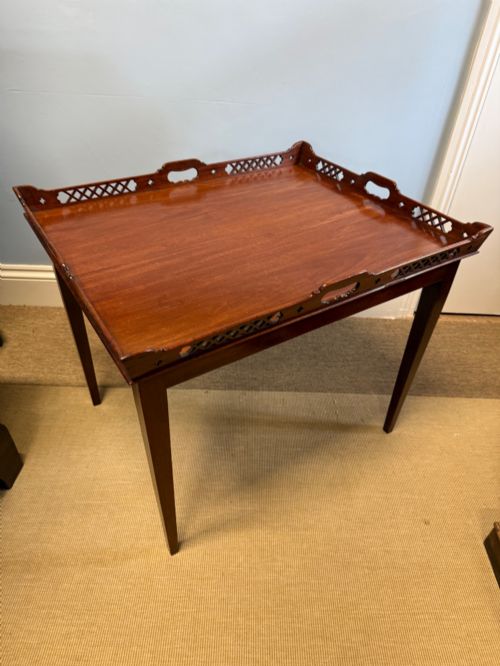
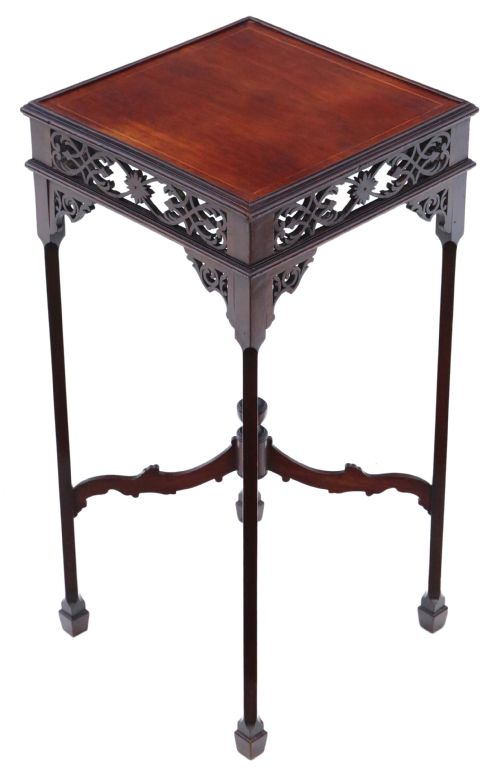
A fretwork gallery side table is a functional surface designed with a raised openwork rim, appearing across several centuries from the eighteenth period onwards. When browsing these listings, buyers encounter diverse forms ranging from silver tables and lamp tables to wine tables and occasional stands.
The materials span rich timbers like mahogany, satinwood, and burr walnut, sometimes complemented by brass or fabric details. These pieces manifest in distinct stylistic interpretations including Chippendale, Gothic Revival, Sheraton Revival, and Victorian designs.
Originating as practical furniture for serving or display, these items retain their utility in modern interiors while showcasing traditional cabinet-making skills. The selection includes individual pieces, matched pairs, and occasional stands from various decades.
Materials and construction methods
Cabinet-makers relied heavily on mahogany as the primary timber, complemented by satinwood and burr walnut for decorative effect and contrast. These timbers were selected for grain quality and durability, allowing intricate pierced galleries to be carved or fretted directly from the wood.
Joinery methods involved traditional framing and panel construction, ensuring stability for tables that often feature raised galleries and slender legs. Details such as brass mounts, inlay work, and painted surfaces were applied to enhance the visual appeal of the piece.
Some delicate kettle stands even include painted surfaces for tea enthusiasts who wanted their boiling water served with floral flair.
Assessing craftsmanship and condition
The precision of the fretwork gallery separates simpler iterations from finer examples, with cleanly pierced patterns indicating superior workshop practice. Crisp carving on the legs and frame margins further distinguishes pieces produced by skilled cabinet-makers.
Timber selection and grain matching contribute significantly to the overall presence of the table, particularly in burr walnut and satinwood items. Original surface patination and minimal alterations preserve the historical integrity valued by collectors.
The Fretwork Gallery Side Table Glossary
- Fretwork
- An ornamental design carved or pierced through wood, forming the distinctive raised gallery around the table top.
- Silver table
- A specific form of side table traditionally used for displaying silver tea services or serving items.
- Gallery
- A raised ornamental border surrounding the edge of a table top to prevent items from sliding off.
- Chippendale
- A style of eighteenth-century furniture design characterised by intricate carving, Chinese fretwork, and cabriole legs.
- Occasional table
- A small, versatile table designed for intermittent use around a room rather than a fixed purpose.
Fretwork Gallery Side Table: Frequently Asked Questions
What is a fretwork gallery side table?
A fretwork gallery side table is a small table featuring a raised, pierced wooden border around the top surface. These tables evolved through various periods to serve functions such as holding tea silver, lamps, or small decorative objects.
They combine practical utility with ornamental woodwork, making them suitable for placement beside seating or in hallways.
How were these tables used originally?
In eighteenth and nineteenth-century interiors, these tables functioned primarily as silver tables, tea tables, or lamp stands. The raised gallery prevented valuable items from sliding off while staff moved or used them.
Over time, their roles expanded into general occasional and bedside use as domestic habits and room layouts shifted.
How do I distinguish eighteenth-century pieces from later revivals?
Eighteenth-century pieces display period-specific timber patination, hand-cut joinery, and wear patterns consistent with extended use. Revival pieces from the Victorian and Edwardian eras often reflect machine-assisted cutting techniques and standardised dimensions.
Examining the underside, drawer construction, and tool marks helps clarify the manufacturing era.
Where should I place a side table in my home?
These tables fit well beside sofas, armchairs, or in narrow hallways where surface space is needed without a large footprint. Their decorative galleries add visual interest when viewed from multiple angles in an open room.
Care should be taken to place them away from direct heat sources to protect the historic timber.