


Chippendale Style Occasional Table
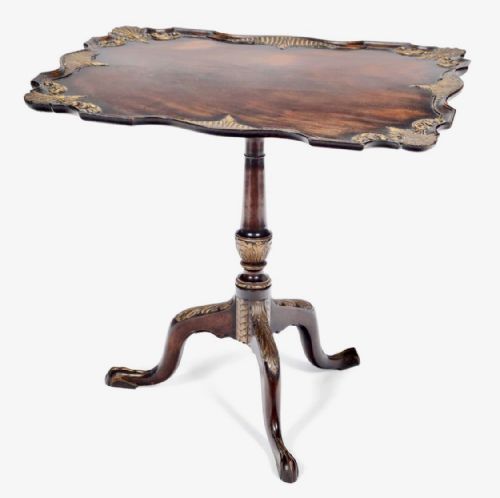
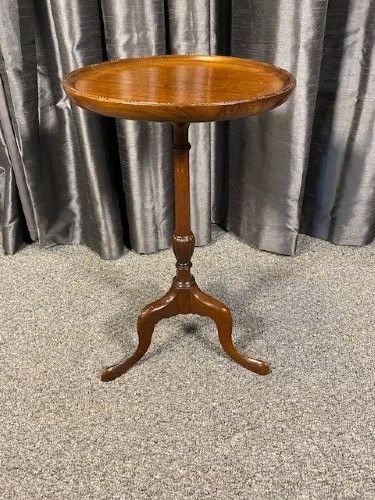
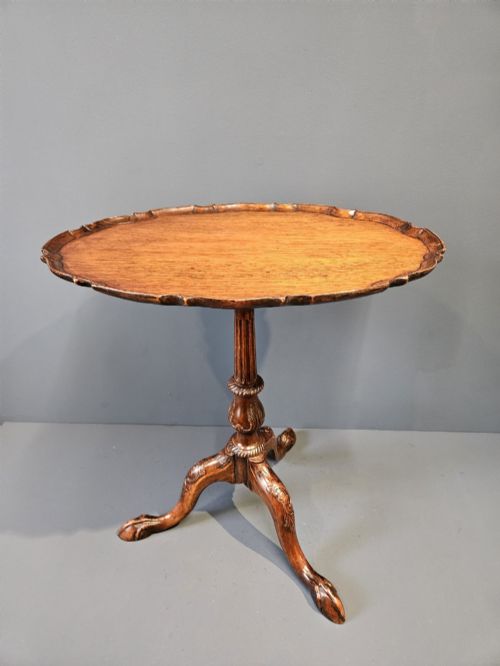
When you search for a chippendale style occasional table, you enter a world of carved mahogany tripod forms and pie crust edges built for tea, wine or display.
Chippendale Style Occasional Table
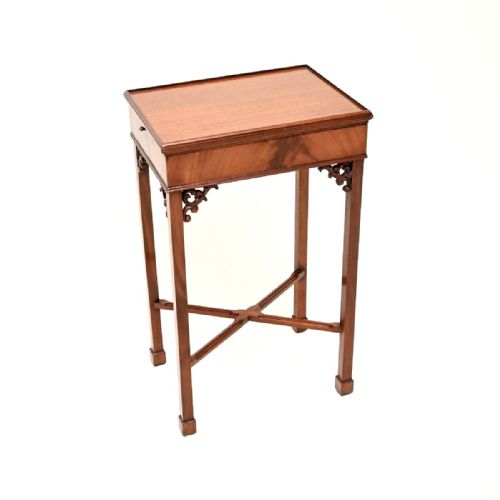
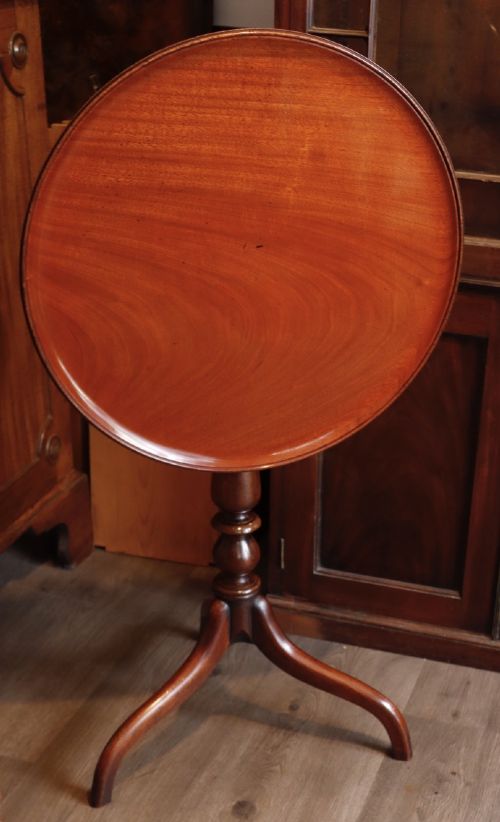
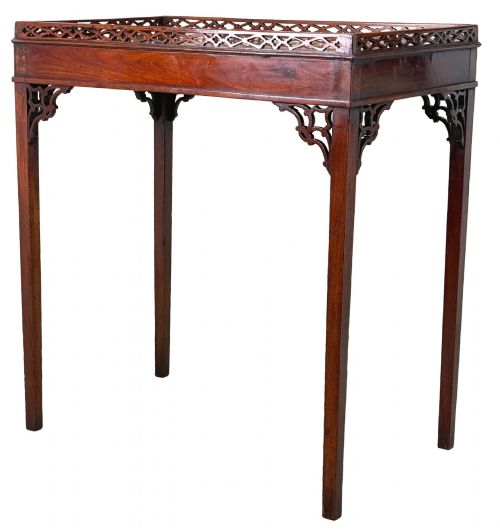
A chippendale style occasional table is a versatile small furniture form designed for the reception room, parlour or drawing room, functioning as a wine table, tilt-top table, side table or silver table. The pieces found here span from the mid-eighteenth century Georgian period through to the Edwardian era and the 1930s, encompassing both original period examples and later revival pieces.
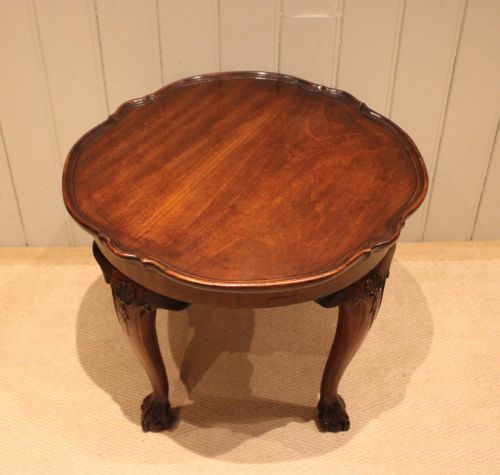
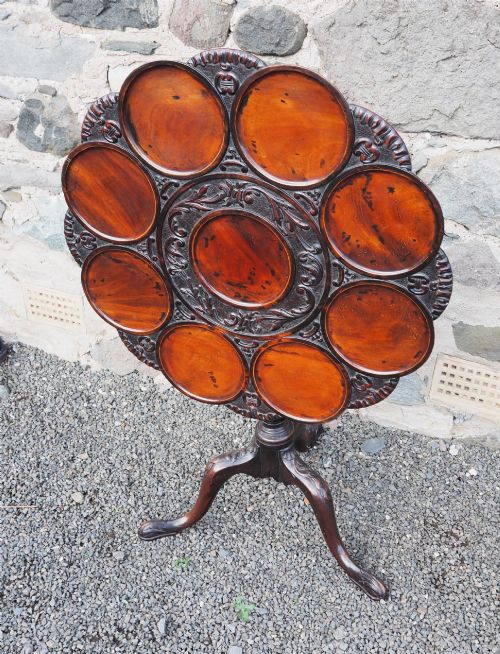
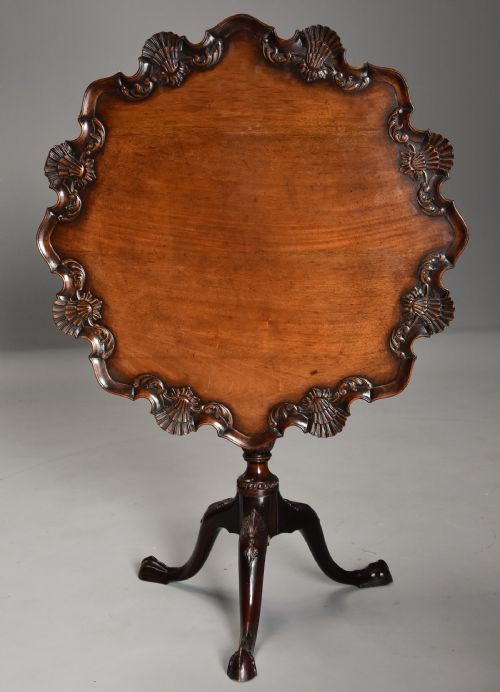
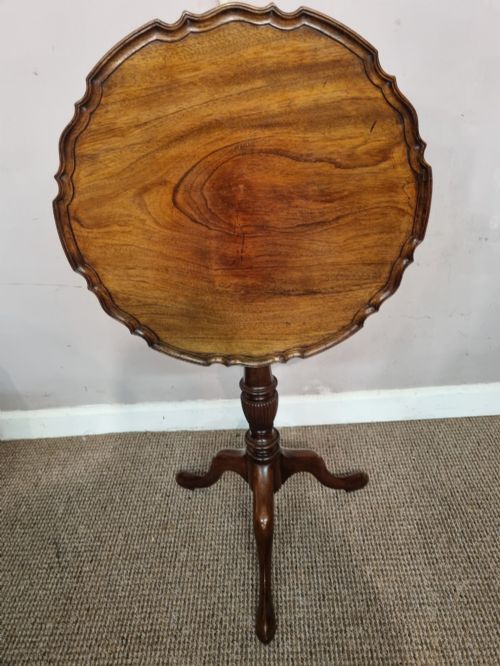
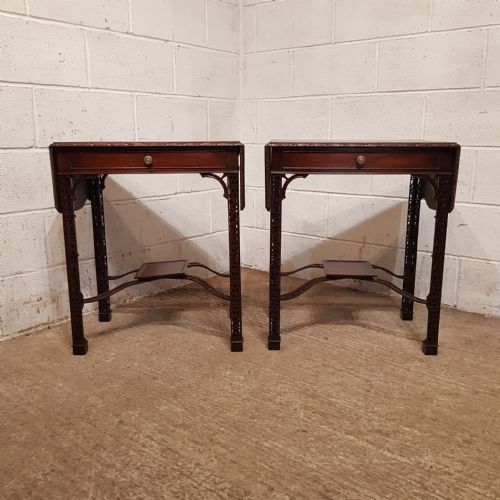
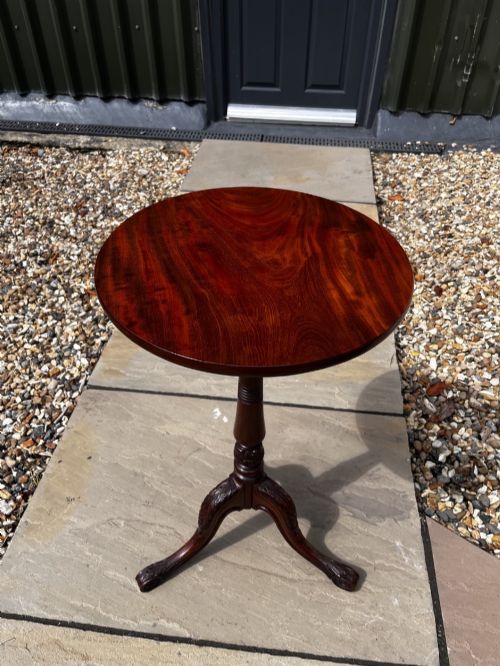
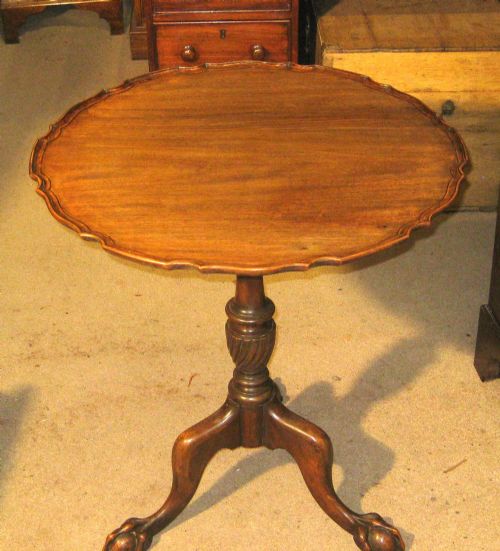
The most common form encountered on this page is the circular tripod table, frequently featuring a tilt-top or birdcage mechanism alongside a moulded pie crust edge. Alongside these round wine and lamp tables, the selection includes drop-leaf side tables, tray tables, writing tables and occasional stands suited to domestic display.
Materials and construction
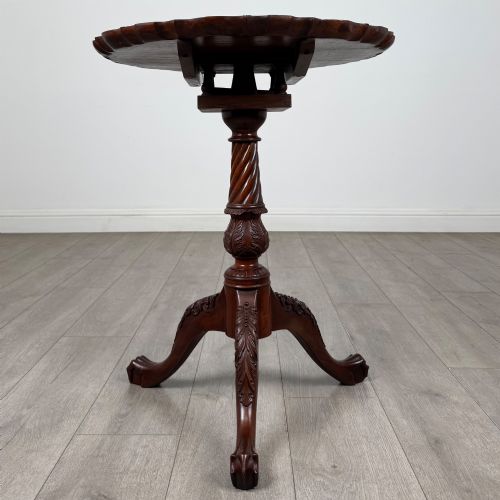
Mahogany serves as the primary timber across the vast majority of these pieces, appearing in standard form, Cuban mahogany, and figured walnut or yew in select examples. Joinery techniques include the traditional birdcage mechanism on tilt-top pieces, allowing the top to pivot and lock perpendicular to the central column for storage.
Carved detail defines the construction style, from parcel gilt accents to crisp ball-and-claw feet on tripod bases and shaped margins along pie crust tops. Cabinetmakers shaped solid timber by hand, turning pedestals on lathes and carving cabriole legs to achieve the characteristic silhouette.
Some tilt-top tables feature tiny brass latches designed to stop the top from unexpectedly pivoting while guests reach for wine.
Distinctions in quality
Quality reveals itself in the crispness of the hand carving on the knees of the cabriole legs, the turnings of the central column, and the precision of the birdcage mechanism. Superior examples display tightly figured mahogany grains and well-proportioned tripod bases where the legs meet the pillar with structural harmony.
The finish of the wood and the subtlety of the pie crust moulding further separate standard production pieces from finer revival and eighteenth-century items. A well-preserved mellow tone in the timber indicates careful seasoning and age, whereas crude shaping or flat edges suggest lesser execution.
The Chippendale Style Occasional Table Glossary
- Pie crust edge
- A raised, scalloped perimeter carved into the margin of a round table top. This decorative moulding emulates pastry work and requires precise hand carving.
- Birdcage mechanism
- A wooden framework beneath a table top that allows it to tilt and rotate simultaneously. This complex assembly facilitates compact storage when not in use.
- Tilt-top table
- A small stand featuring a hinged top that folds down flat when the piece is moved against a wall. It is also known as a snap-top or tipping table.
- Tripod base
- A three-legged support structure radiating from a central pillar. These legs commonly terminate in pad, claw-and-ball, or spade feet.
- Chinoiserie
- A decorative style employing Chinese motifs and motifs inspired by East Asian art. It appears occasionally on selected occasional tables in this category.
Chippendale Style Occasional Table: Frequently Asked Questions
What is a birdcage mechanism?
A birdcage is a small wooden framing structure fitted underneath the table top. It permits the surface to tilt upward and rotate 360 degrees on its central pillar.
This clever engineering allowed eighteenth-century households to store round tables flat against walls when rooms needed to be cleared for other activities.
How do I distinguish eighteenth-century pieces from later revivals?
Distinguishing the original Georgian period from Edwardian or later Chippendale revival pieces requires close examination of the timber, tool marks, and wear patterns. Eighteenth-century tables utilise dense Cuban mahogany with hand-cut joinery and authentic patination accumulated over generations.
Revival pieces made around nineteen hundred often display machine-tooled elements or lighter interior woods beneath the primary mahogany surface.
Where were occasional tables used in the home?
These small tables served multiple domestic purposes in reception rooms and parlours throughout the Georgian and Edwardian periods. They held tea services, wine decanters, lamps, or silver display items beside seating areas.
Because of their lightweight construction and tilt-top designs, servants moved them easily wherever extra surface space was required.
What maintenance do antique mahogany tables need?
Antique mahogany tables require minimal care beyond regular dusting with a soft, dry cloth. Avoiding direct sunlight and maintaining stable room humidity prevents the timber from drying out or splitting.
Occasional applications of natural beeswax help preserve the lustre of the polished surface without building up synthetic residues.