


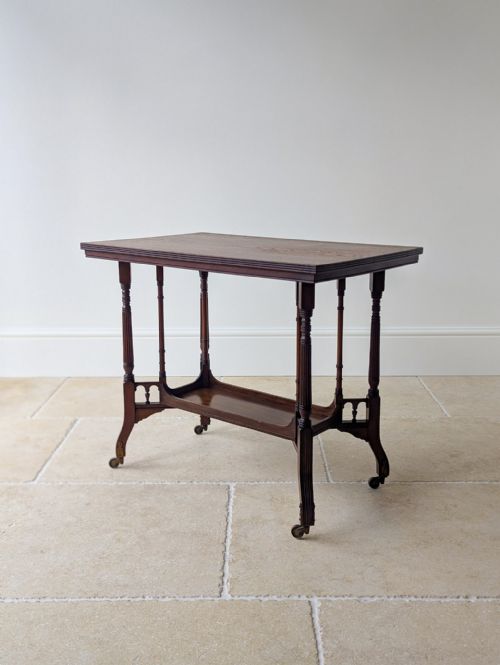
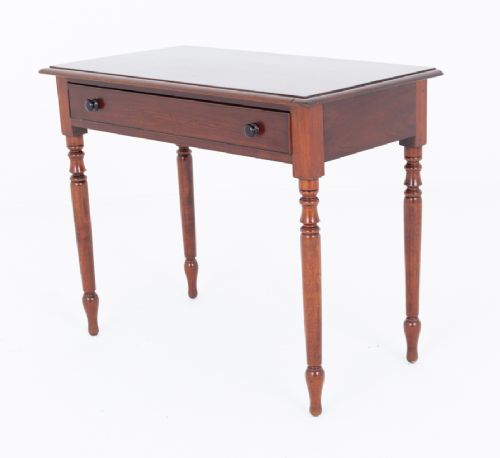
Victorian Mahogany Lamp Table
A victorian mahogany lamp table brings warmth and dependable utility to a corner, offering a sturdy surface designed for task lighting.
Forms and Origins
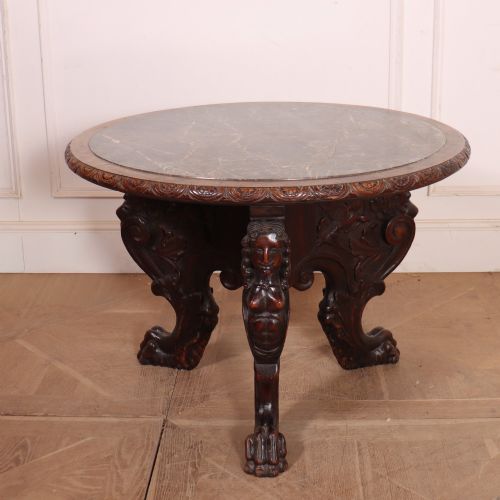
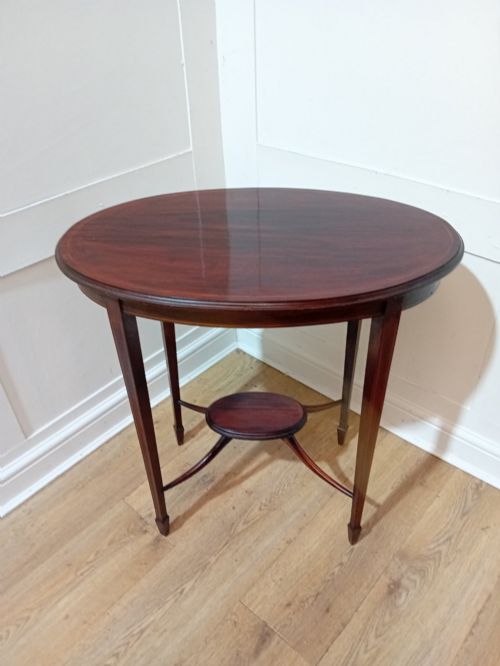
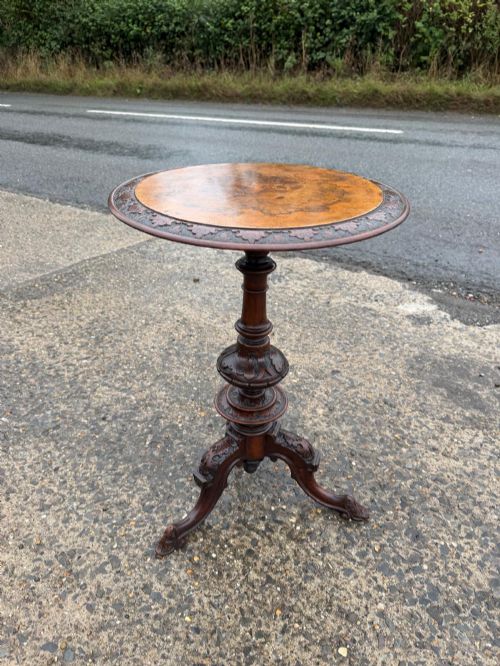
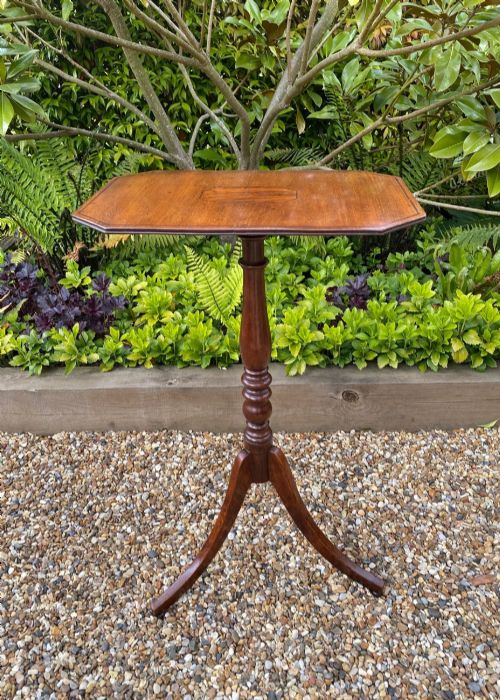
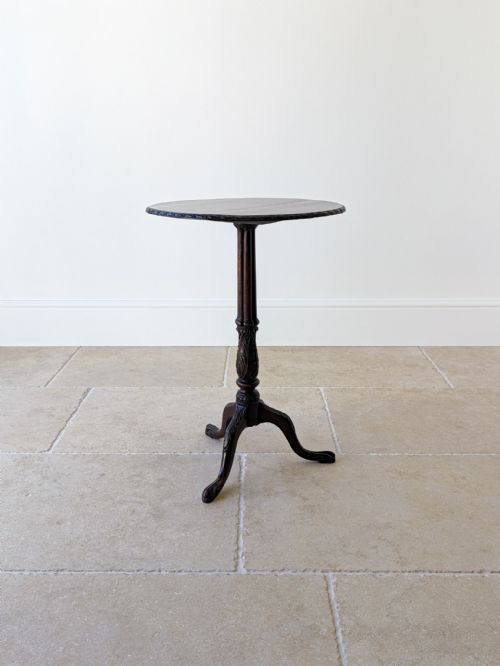
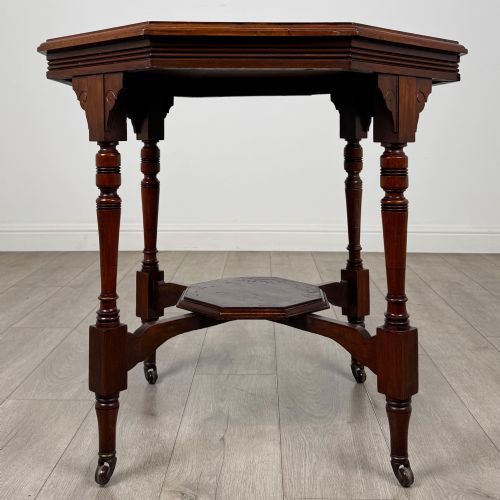
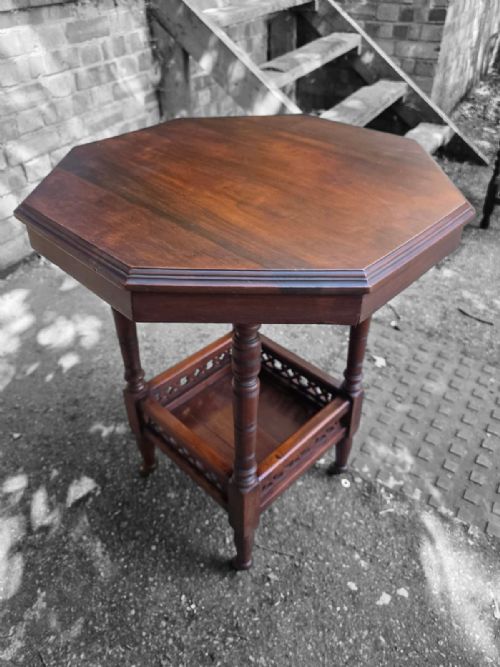
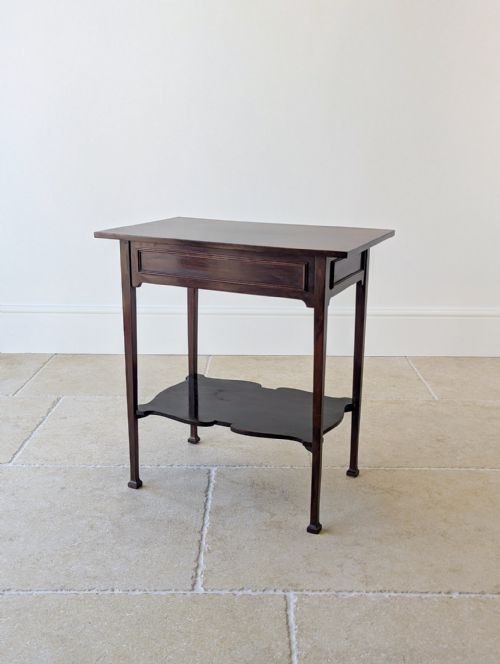
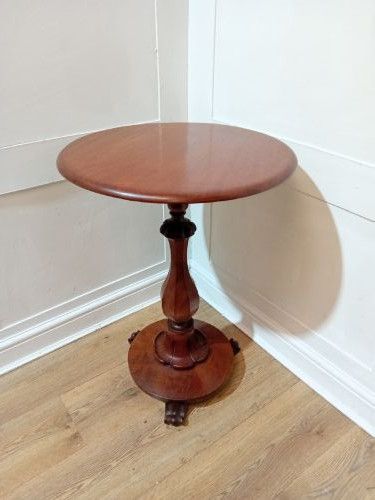
A victorian mahogany lamp table appears in diverse formats across nineteenth century listings, spanning side tables, occasional tables, wine tables, and smaller stands. The circular top supported by a tripod base emerges frequently in the archive alongside rectangular Pembroke and drop leaf variations.
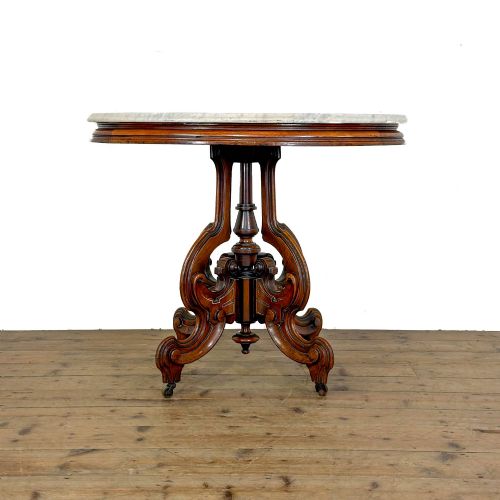
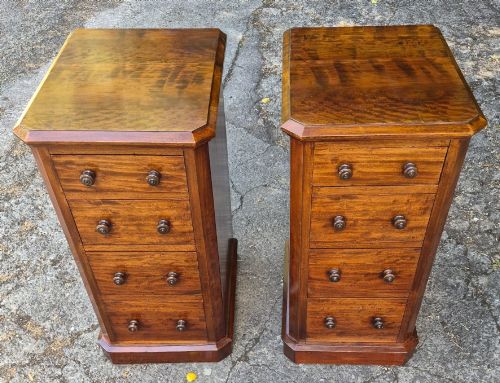
Makers adapted these versatile surfaces for domestic interiors, creating tall cabinet forms, demi lune console shapes, and two tier designs. Pieces often intersect with side table and wine table categories, reflecting the flexible ways nineteenth century households utilised small stands.
Materials and Construction
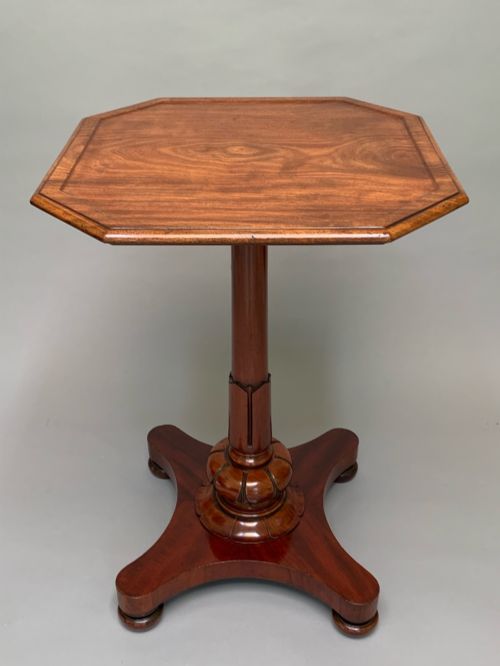
Makers utilised solid timber and veneer, frequently selecting figured mahogany for table tops to highlight rich grain patterns. Burr yew wood and marquetry inlay occasionally supplement the primary timber.
Metal elements including brass and gilded brass appear on structural or decorative components. Ceramic details and drop leaf mechanisms provide functional variety across surviving examples.
Retail Price Guide 2026
Typical UK retail prices for victorian mahogany lamp table, calculated from the Sellingantiques database of over a million retail prices indexed since 2003. This retail price guide relies exclusively on Sellingantiques data; no external sources or auction records are used, so the figures do not describe the wider market.
Some tables double as sewing companions, hiding compartments for thread while holding your evening reading lamp.
Judging Quality
The choice of timber sets apart standard examples from finer pieces, with figured mahogany and intricate marquetry inlay indicating superior selection. Figured surfaces and carefully matched veneers demonstrate deliberate craftsmanship by the maker.
Carved details and thoughtful proportions elevate individual tables. Heavy tripod bases or well executed shaped tops distinguish better examples from simpler utilitarian forms.
HOLLAND & SONS·Johnstone & Jeanes
The Victorian Mahogany Lamp Table Glossary
- Mahogany
- A durable tropical hardwood prized for its deep reddish brown colour and stability in furniture construction. It takes a high polish and accommodates fine carving.
- Tripod Base
- A three footed support structure commonly found beneath circular table tops. This design ensures stability on uneven floor surfaces.
- Pembroke Table
- A small rectangular table featuring two hinged drop leaves on opposing sides. It offers adjustable surface area for domestic tasks.
- Demi Lune
- A half moon shape utilised for console and side tables designed to stand flat against a wall. This format saves floor space in smaller rooms.
- Marquetry
- The art of applying pieces of veneer to a structure to form decorative patterns or pictures. It adds visual complexity to table tops.
Frequently Asked Questions
What is a victorian mahogany lamp table?
These pieces are small nineteenth century wooden stands created to support lighting in domestic spaces. They offer convenient surface space beside seating areas.
Surviving examples range from simple round tripod stands to sophisticated inlaid tables with drawers or drop leaves.
How were these tables used originally?
Households placed them beside chairs and sofas to hold oil lamps, candles, or reading materials. Their portable nature allowed owners to shift them around rooms as needed.
Some variants served multiple functions, functioning as wine tables, sewing tables, or small side cabinets.
How do I style one at home?
Place a victorian mahogany lamp table beside a reading chair or in an empty hallway corner. The compact footprint makes them ideal for filling awkward gaps.
Pair the warm timber tones with contemporary lighting or traditional decor to suit modern living spaces.
How do I identify a period piece?
Examine the timber construction, joinery methods, and overall design characteristics. Nineteenth century examples often feature solid mahogany, hand cut joints, and period specific styling such as Chippendale revival motifs.
Maker stamps or labels, when present, provide definitive origin details.