


Pierced Leg Occasional Table
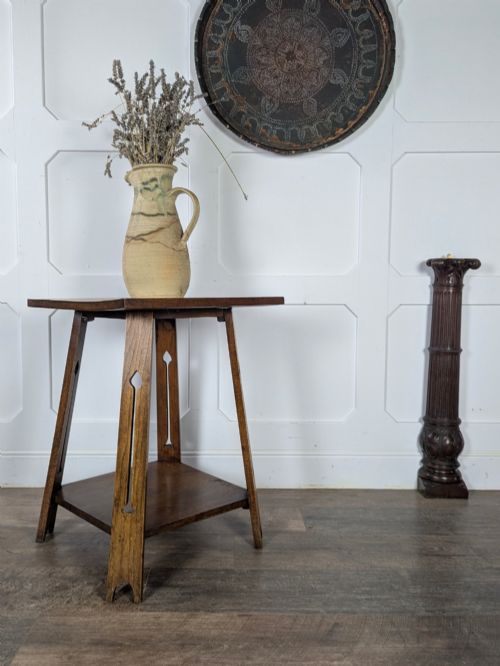
A pierced leg occasional table brings genuine character to a corner, combining neat proportions with distinctive openwork supports.
Pierced Leg Occasional Table
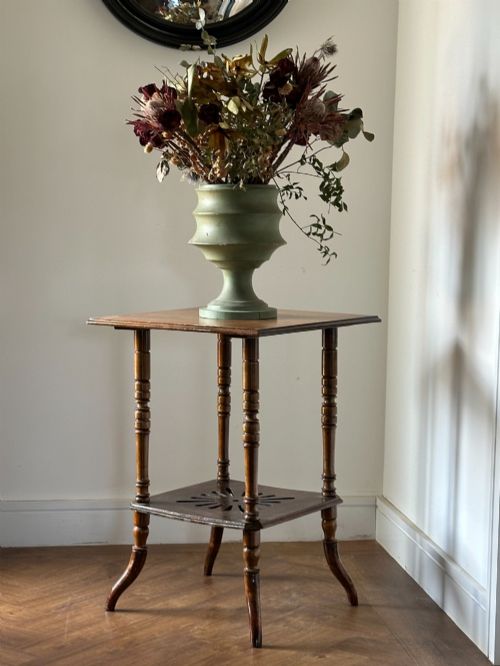
A pierced leg occasional table is a compact surface designed for flexible placement around a room, frequently taking the form of a side table, lamp table, or wine table. These pieces emerge across several periods including Regency, Victorian, Edwardian, and the early twentieth century.
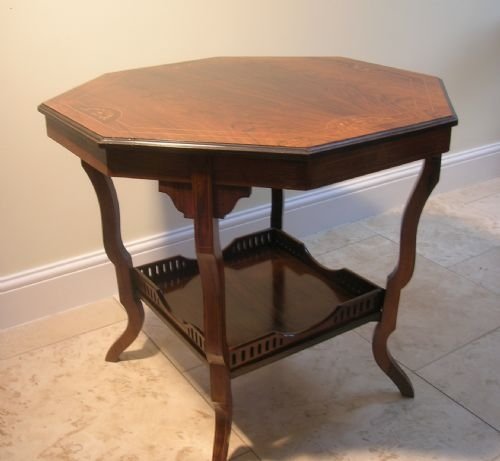
Makers produced these tables in diverse styles such as Chippendale Revival, Arts and Crafts, Aesthetic Movement, and French Rococo Revival. Buyers will most commonly encounter mahogany, oak, and walnut examples featuring openwork leg details and occasional inlay.
The form functions equally well beside a chair or in an entrance hall, offering a sturdy surface without dominating the floor space. Survivors often display distinctive regional interpretations, from English revival designs to continental marquetry work.
How they were made
Cabinetmakers constructed these tables using solid hardwoods like mahogany and oak, frequently selecting figured veneers for table tops. Workshops employed traditional joinery techniques to ensure stability in slender frames.
Decoration relied on skilled hand-cutting for pierced leg supports, alongside brass mounts, marquetry inlay, and carved detailing. Surfaces received hand-applied polish or wax finishes to protect the wood grain.
Current listings feature oak, mahogany, and walnut woods across Edwardian, Regency, and nineteenth-century periods.
What varies in quality
Quality rests upon the crispness of the pierced work in the legs and the precision of any inlaid decoration. Superior examples display thoughtful timber selection, where the grain pattern complements the overall scale of the table.
Heavier construction and stable joinery distinguish finer workshop output from simpler utilitarian pieces. Original surface patination also plays a role in how successfully a table holds its decorative integrity over time.
Liberty·E.W Godwin
The Pierced Leg Occasional Table Glossary
- Pierced leg
- A table support cut through with openwork fretwork or fret-cut patterns. This technique lightens the visual weight of the frame.
- Occasional table
- A small, movable stand designed for flexible use around a domestic interior. These pieces serve multiple functions including holding lamps or drinks.
- Marquetry
- Fitted pieces of veneer arranged into pictorial or geometric patterns on a wooden surface. Craftsmen used various coloured woods to achieve contrast.
- Etagere
- A set of open shelves or tiers for displaying small objects. This French form provides multiple surfaces in a compact footprint.
- Pietra dura
- Inlay work using polished, cut coloured stones to create formal designs. This technique appears on decorative table tops.
Pierced Leg Occasional Table: Frequently Asked Questions
What is a pierced leg occasional table?
A pierced leg occasional table is a small, movable stand featuring decorative fretwork or cut-out openings in its support legs. These versatile pieces function as side tables, lamp stands, or wine tables.
The form appears across various historical periods, offering practical surface space combined with intricate woodwork that lifts the design above a basic utility item.
How were these tables used originally?
These tables served flexible roles in period homes, moved easily beside seating to hold books, drinks, or small lamps. Their compact proportions suited them to drawing rooms and parlours.
Because they were lightweight, owners could reposition them as needed throughout the day, which explains their enduring popularity as practical furniture.
How do I identify the period of a table?
Dating relies on observing the combination of timber, construction methods, and stylistic details. Regency and Victorian examples often lean towards classical or revival motifs, while Edwardian pieces frequently show Arts and Crafts influence.
Examining the underside and drawer construction helps reveal the manufacturing era and woodworking techniques used by the maker.
Are these tables suitable for modern homes?
These compact tables fit readily into contemporary interiors, serving as bedside stands, plant supports, or sofa-side surfaces. Their smaller scale prevents them from overwhelming modern rooms.
Living with these pieces requires mindful placement away from direct heat sources to protect the historic timber and polished finishes.