



Galleried Mahogany Table
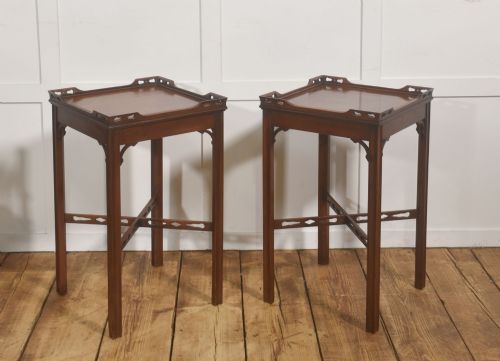
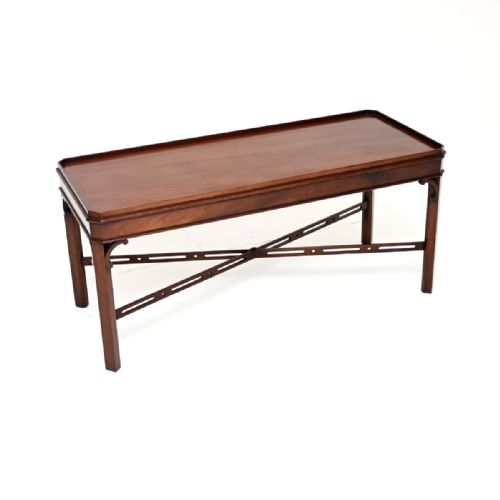
A galleried mahogany table is a practical surface defined by its raised rim, offering refined containment for objects across Georgian, Victorian and Edwardian periods.
Galleried Mahogany Table
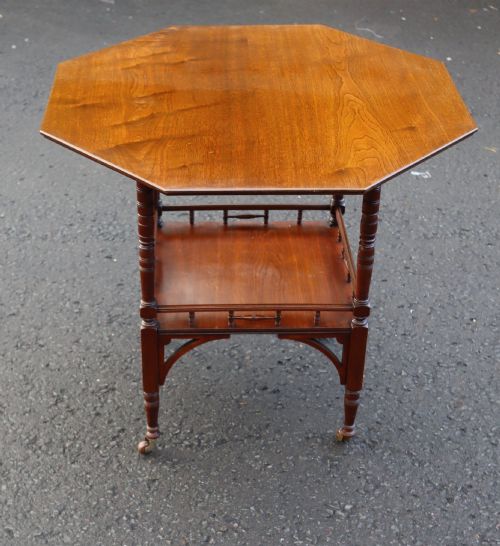
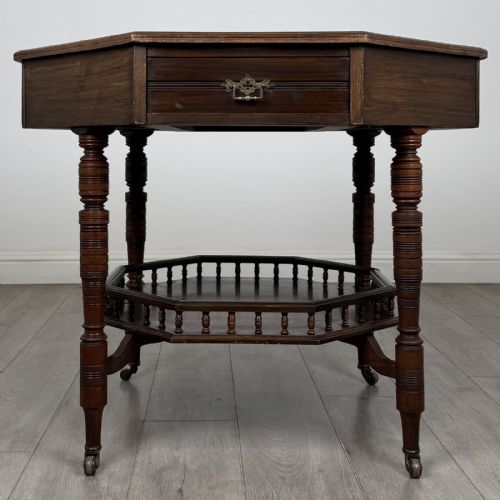
A galleried mahogany table is a versatile surface defined by its raised wooden or brass rim, designed to prevent items from rolling off. When searching for a galleried mahogany table, buyers encounter a broad variety of domestic forms from the eighteenth, nineteenth and early twentieth centuries.
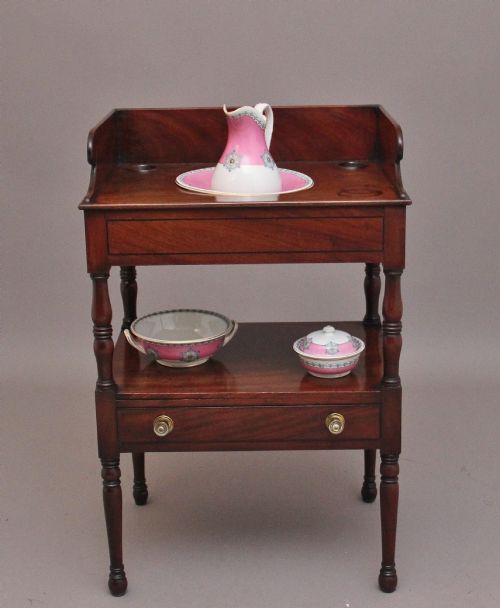
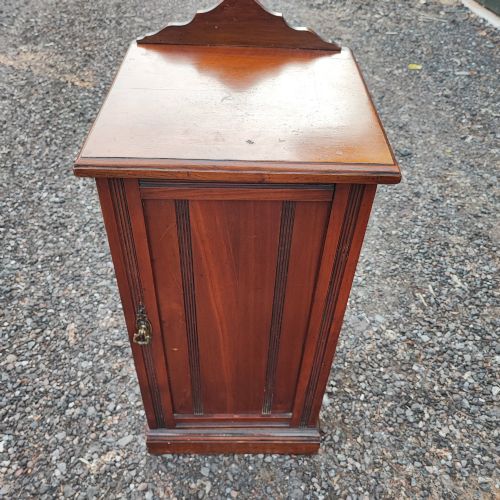
The selection ranges widely across specific functional types. Side tables, occasional pieces, bedside cabinets, washstands, desks and dumb waiters all appear frequently throughout the listings and archive records.
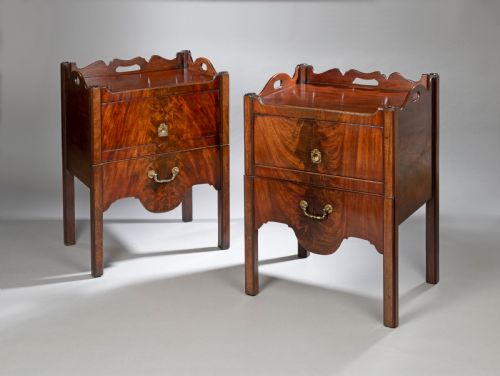
Most examples originate from the Georgian, Victorian or Edwardian eras. Pieces span simple occasional tables to elaborate tray top commodes and tea tables executed in the Chippendale or Neoclassical styles.
How they were made
Makers utilised solid mahogany and flame mahogany veneers over secondary timbers to construct the primary framework of these tables. Cabinetmakers often selected figured timbers for table tops to emphasise the natural grain patterns.
Galleries were shaped from solid wood or constructed with pierced brass railings fitted around the perimeter of the top. Inlaid details incorporating boxwood and satinwood frequently decorate the surfaces of Edwardian and Neoclassical iterations.
Secondary materials such as marble inserts and leather writing surfaces appear in specific forms like washstands and writing desks. Brass hardware and hinges are standard fittings across the Georgian and Regency periods.
Galleried Mahogany Table Retail Price Guide 2026
Typical asking prices for galleried mahogany table among the pieces listed under this phrase on Sellingantiques today, from the lower quarter to the upper quarter. They describe what is for sale here now, not the wider market.
Listings feature mahogany, brass, boxwood, marble, leather and satinwood across Georgian, Victorian and Edwardian periods.
What varies in quality
The standard of timber selection largely dictates the visual depth of the piece. Tables utilising richly figured flame mahogany demonstrate superior material choice compared to those built with plain stock.
Construction methods reveal the hand of the maker through the execution of the gallery itself. Fine examples feature galleries cleanly joined at the corners or intricately pierced from a single board rather than crudely pinned together.
The integration of delicate stringing, boxwood inlay and brass mounts separates standard production from finer workshop output. Crisp carving on Chippendale period legs indicates a higher level of craftsmanship.
Gillows
The Galleried Mahogany Table Glossary
- Gallery
- A low raised rim or railing around the edge of a table top, designed to keep objects secure. It can be pierced from solid timber or constructed from turned brass.
- Flame mahogany
- A veneer cut from the fork of the mahogany tree where the branch meets the trunk. This creates a distinctive swirling flame-like pattern highly prized by cabinetmakers.
- Commode
- A low cabinet or chest of drawers, which in earlier periods often incorporated a galleried top for holding washing equipment or tea items. These pieces frequently date from the Georgian era.
- Dumb waiter
- A piece of furniture featuring multiple graduated tiers or trays supported on a central pillar, used for serving food and beverages. Galleried versions prevent plates and glasses from slipping.
- Stringing
- A narrow strip of contrasting wood inlaid into the surface of a table to form decorative borders. This technique is particularly common in Edwardian and Neoclassical pieces.
- Chippendale
- A style of eighteenth-century English furniture associated with the designer Thomas Chippendale. It is characterised by rich mahogany and meticulous carving.
Galleried Mahogany Table: Frequently Asked Questions
What is a galleried table used for?
These tables served various domestic functions depending on their specific form. Occasional and side tables held decorative items, while bedside cabinets and washstands provided practical enclosed storage.
Trays and tea tables utilised the raised rim to transport porcelain and silverware safely. Writing desks incorporated the gallery to secure stationery and inkwells while in use.
How do I identify a Georgian galleried table?
Georgian examples typically display dense, heavy mahogany timber with patination acquired over centuries of use. Construction details often include hand-cut dovetails in drawer construction and simpler, robust framing.
Styles from this era frequently reference Chippendale or early Neoclassical design principles. The galleries on these pieces are usually constructed from solid timber with integrated corner joints.
Are Edwardian galleried tables different?
Edwardian interpretations tend to be lighter in scale and frequently incorporate decorative stringing and inlay in boxwood and satinwood. These pieces often feature multiple tiers or subtle crossbanding.
Influenced by revival styles, Edwardian makers produced occasional tables and desks that mirrored earlier eighteenth-century forms but with brighter, cleaner veneer work.
How should I care for mahogany?
Keep mahogany furniture away from direct sunlight and strong heat sources to prevent the timber and veneers from drying out. Consistent indoor humidity levels protect the structural integrity of the wood.
Apply a light application of traditional wax polish occasionally to maintain the finish. Avoid using silicone-based sprays which can damage the historic polish.