
Black Wooden Table
When you handle a black wooden table, you meet pieces finished in ebonised wood or dark lacquer from the Georgian, Victorian, and later eras.
Black Wooden Table
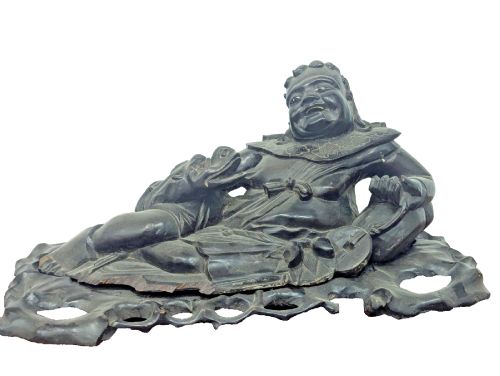
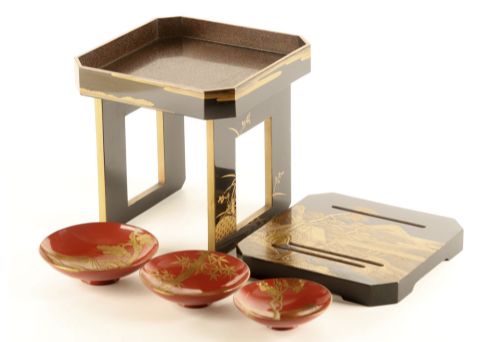
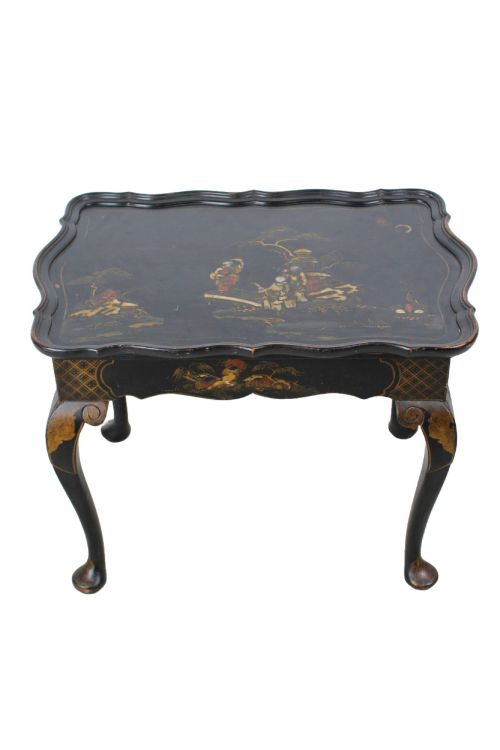
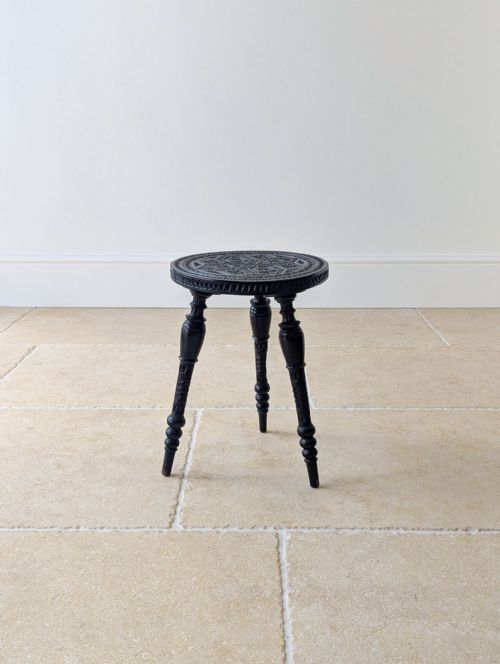
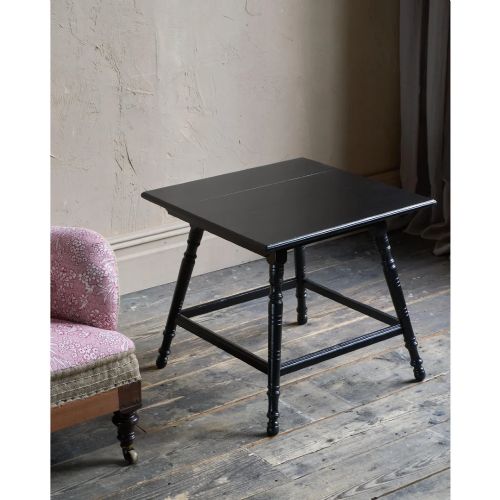
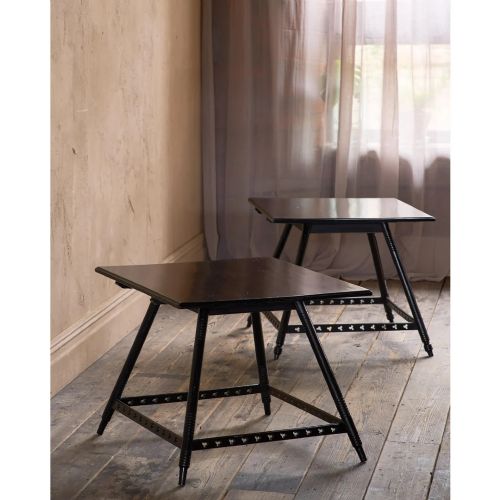
A black wooden table encompasses side tables, occasional pieces, dining tables, and writing desks produced across the eighteenth, nineteenth, and early twentieth centuries. The selection ranges from Aesthetic Movement ebonised occasional tables and Edwardian chinoiserie lacquer pieces to rustic farmhouse items and carved items.
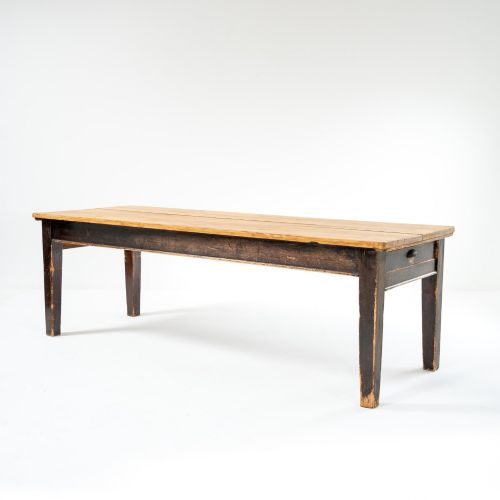
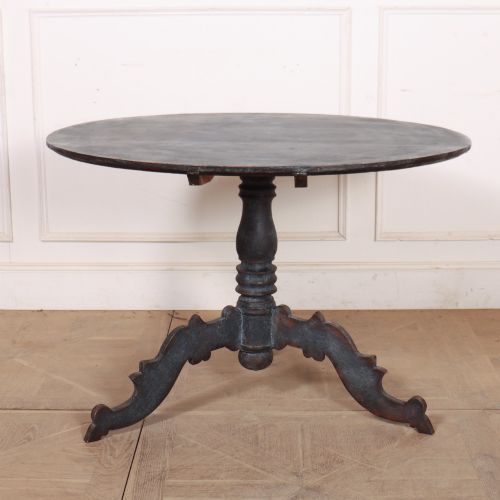
Makers and workshops across Britain, Europe, and Asia utilised different forms, employing dark finishes to achieve striking decorative effects. Buyers frequently encounter ebonised wood surfaces, black pine, and lacquered finishes applied to both formal and utilitarian household furniture.
How they were made
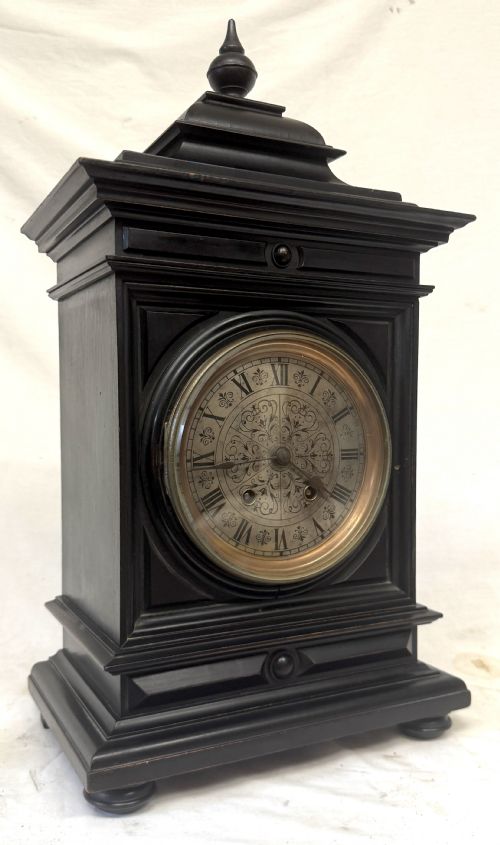
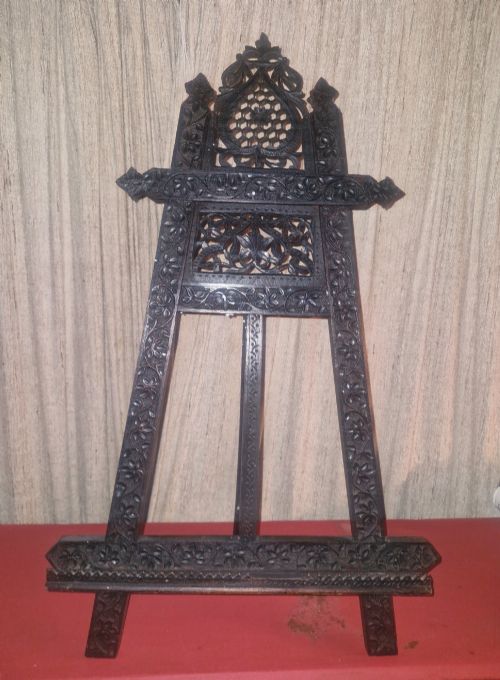
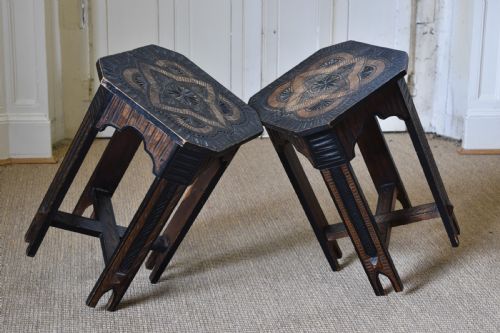
Craftsmen built these tables using hardwoods, pine, and oak, frequently applying ebonising to standard timbers to imitate costly ebony. Surface decoration involved intricate chip carving, marquetry inlay, and hand-applied lacquer or paint.
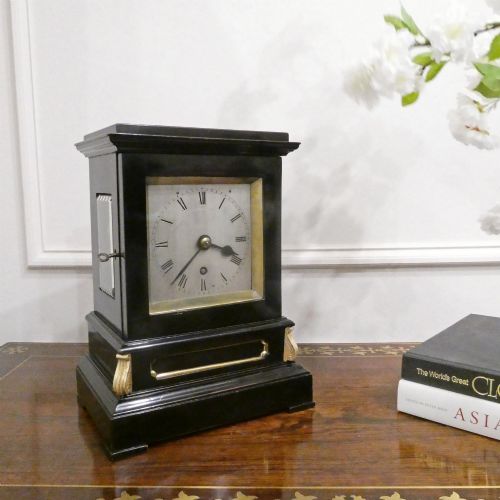
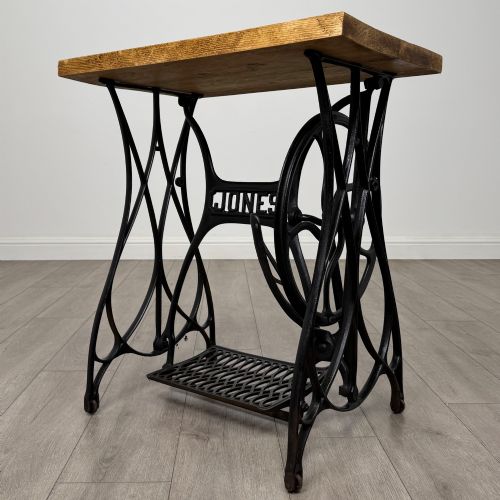
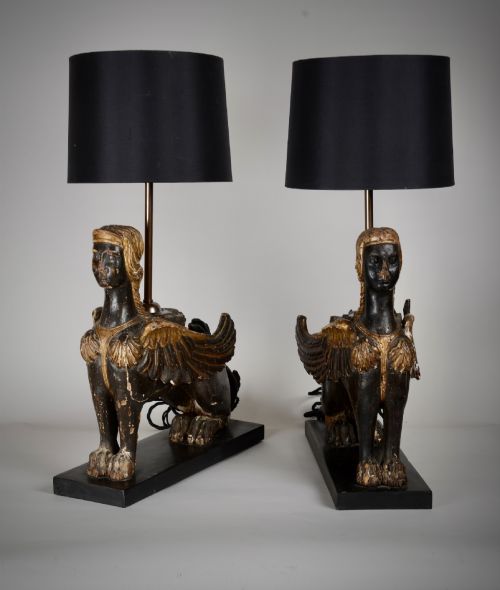
Structural elements incorporated brass hardware, gold leaf highlights, and glass components where appropriate to the style, such as in Aesthetic Movement and Chinoiserie pieces.
Listings feature 19th Century, Victorian, 1930, 1920, 1900, 1880, 1910, and 18th Century periods.
What varies in quality
Quality rests upon the depth of the ebonising or lacquer finish, the precision of the hand-carving, and the integrity of the underlying timber construction. Pieces featuring detailed chip-carving or complex joinery distinguish themselves from simpler utilitarian examples.
The refinement of hardware, the retention of original decorative schemes, and the balance of proportions mark the difference between standard production items and superior workshop output.
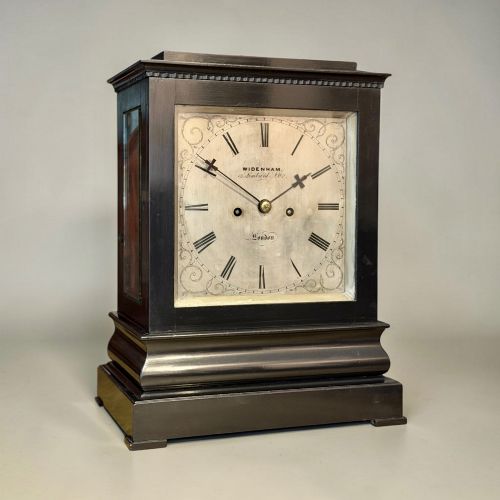
Hindley and Sons·Liberty of London·Archibald Knox·Widenham·Lenzkirch
The Black Wooden Table Glossary
- Ebonised Wood
- Timber treated with stain, dye, or polish to imitate genuine ebony. This technique gained immense popularity during the Victorian and Aesthetic Movement periods.
- Chinoiserie
- European imitation of Chinese and East Asian artistic styles and motifs. Craftsmen expressed this style through lacquerwork and painted decoration on furniture.
- Chip Carving
- A style of wood carving where the carver removes small chips from a flat surface with knives or chisels. This method creates crisp geometric patterns on tables and small objects.
- Marquetry
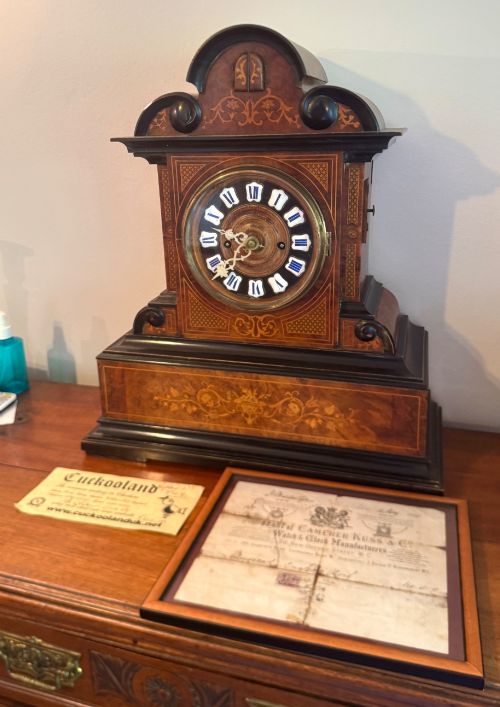
- The art of applying pieces of veneer to a structure to form decorative patterns and pictures. Makers utilised various woods to create contrasting designs on tabletops.
Black Wooden Table: Frequently Asked Questions
What periods do these black wooden tables date from?
The pieces span from the eighteenth century through the Victorian era and into the early twentieth century, including Art Deco and Edwardian examples.
Styles shift from Georgian and Regency formality to Aesthetic Movement minimalism and elaborately carved Black Forest or Anglo-Indian motifs.
Are these surfaces painted or ebonised timber?
Makers used various methods, ranging from black paint and lacquer to ebonised wood where fruitwood or hardwood received chemical or dye treatment to resemble ebony.
Examination of the timber beneath losses or wear reveals whether the dark finish is a surface coating or a deeper stain.
How do I care for an ebonised or lacquered table?
Maintain the finish by keeping the wood away from direct sunlight and excessive temperature fluctuations that cause timber to move. Dust gently with a soft dry cloth and avoid harsh chemical cleaning products that strip historic polishes.
What is the difference between Chinoiserie and Aesthetic pieces?
Chinoiserie tables display hand-painted Asian-inspired motifs, often in gold and colour upon a black lacquer ground, reflecting eighteenth and early twentieth-century taste. Aesthetic Movement tables rely on stark ebonised forms, architectural silhouettes, and minimal ornament.