


Wooden Jardiniere Stand
A wooden jardiniere stand holds heavy plants in style, combining functional drainage with decorative display.
Wooden Jardiniere Stand
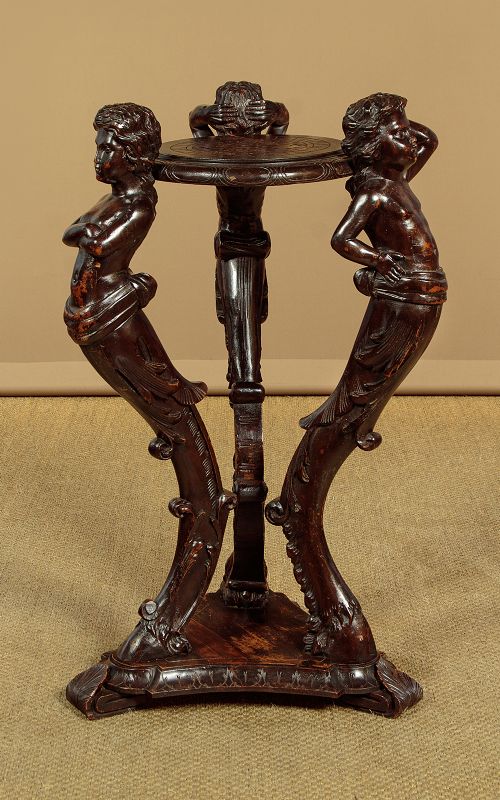
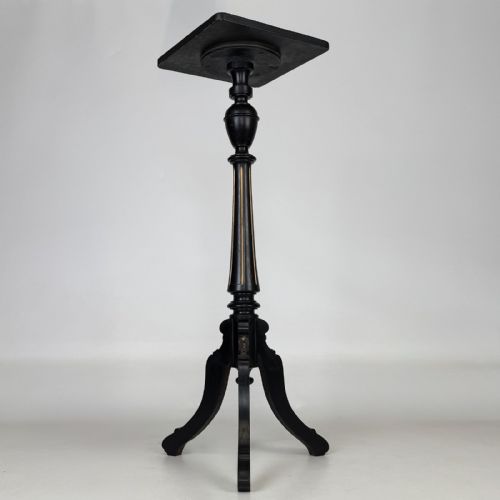
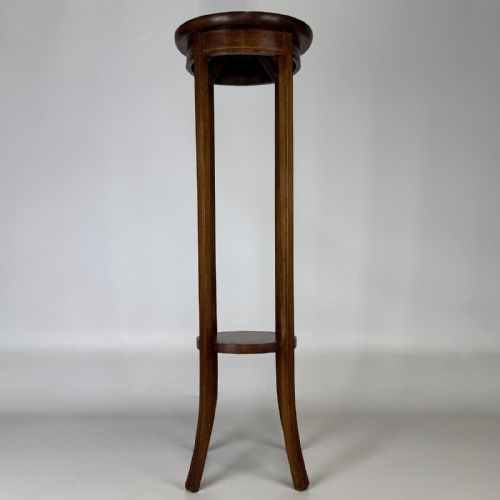
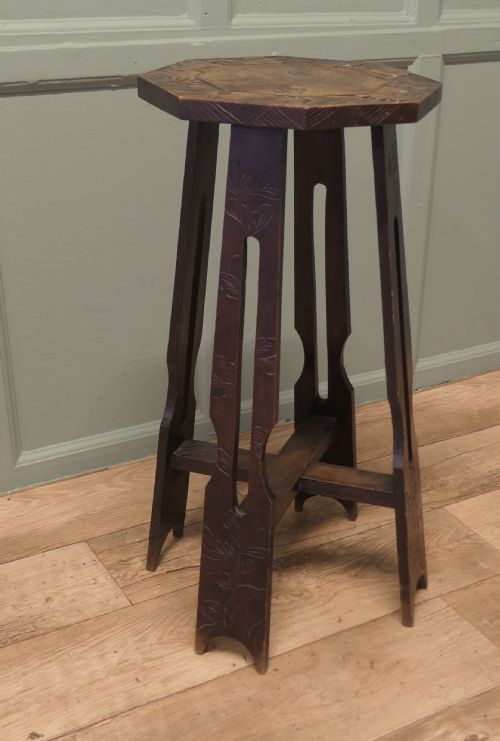
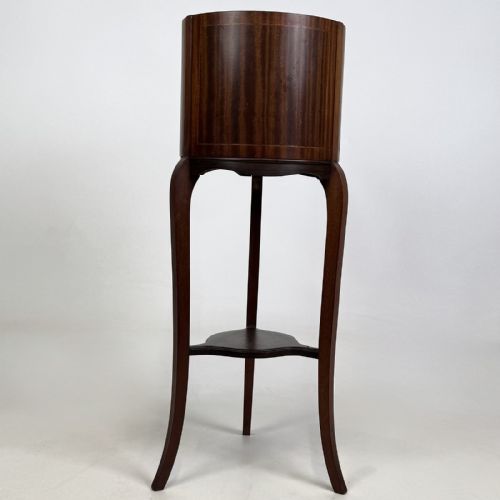
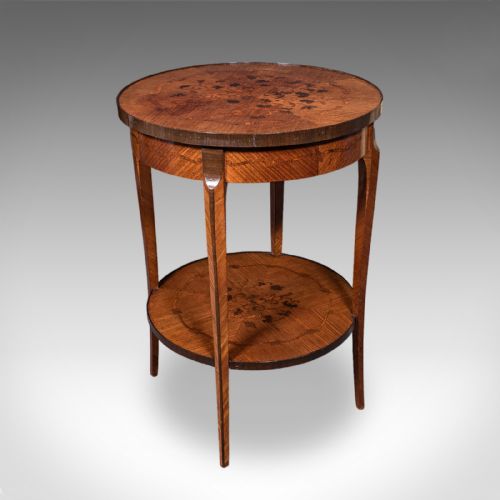
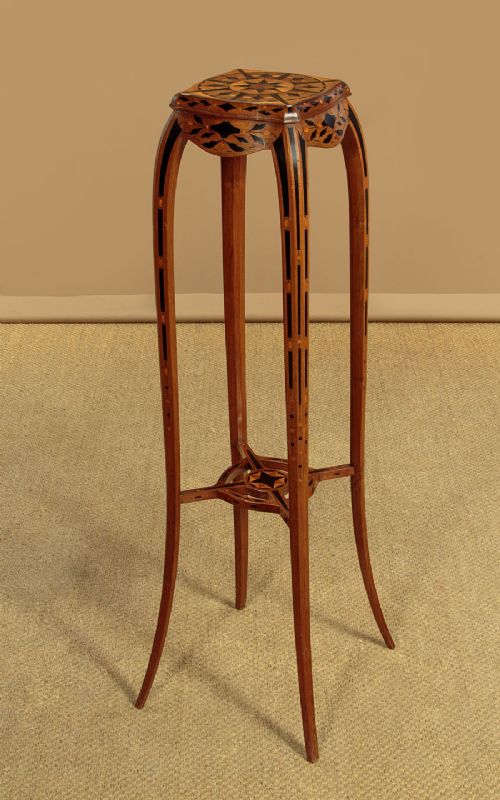
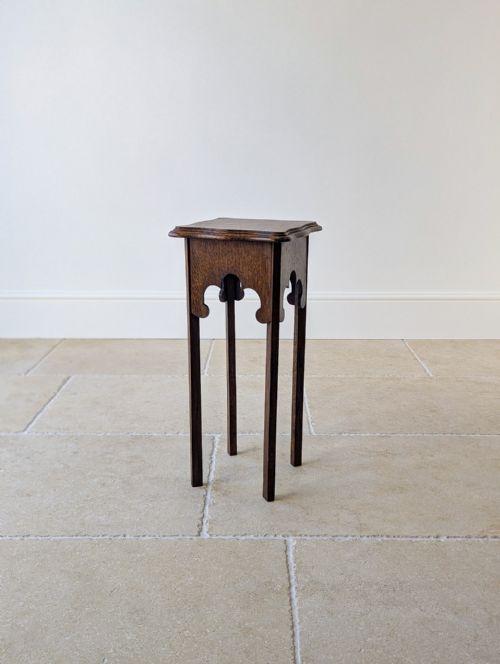
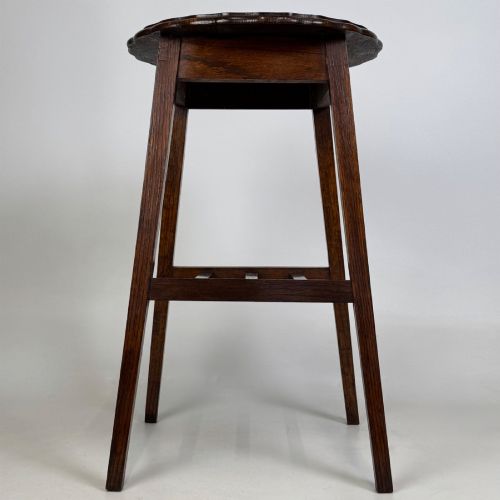
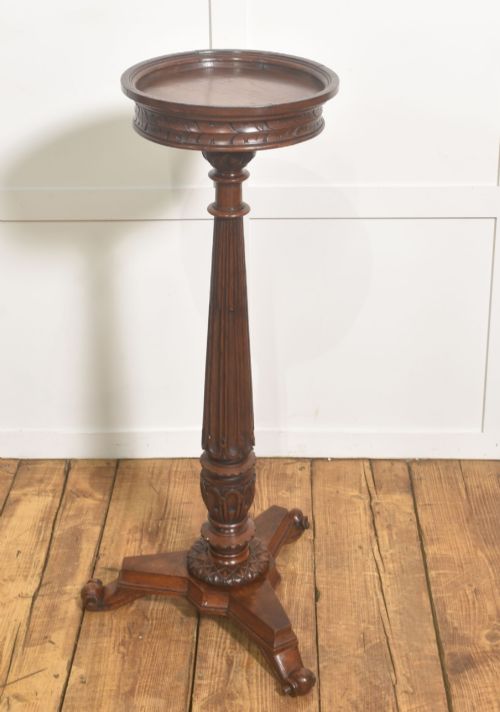
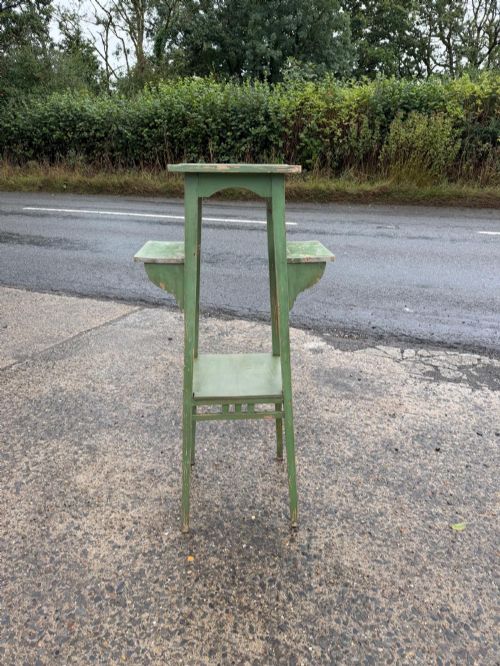
A wooden jardiniere stand is a sturdy piece designed to elevate potted plants, flowers, and greenery within domestic interiors. When searching for a wooden jardiniere stand, buyers encounter a variety of forms ranging from tall columnar torcheres to low two-tier occasional tables.
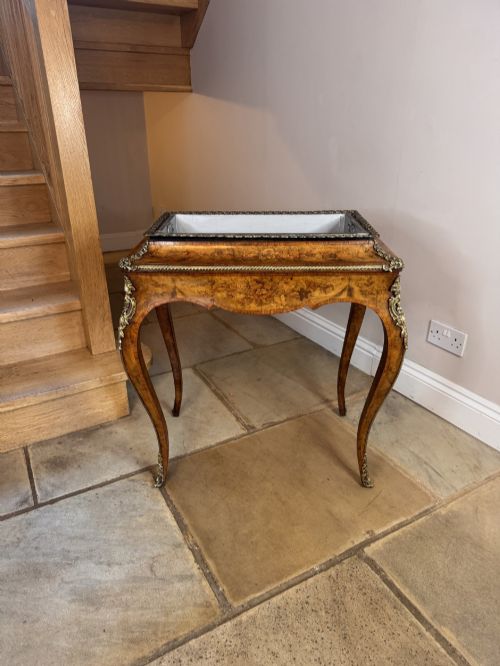
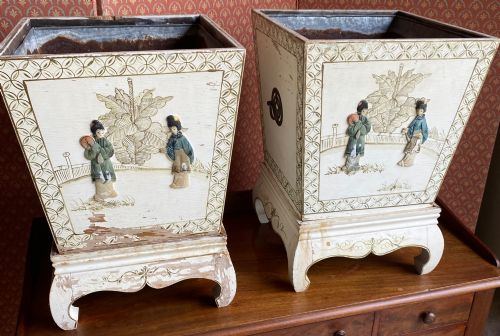
The selection spans multiple eras, with Edwardian mahogany and Arts and Crafts oak versions appearing frequently alongside Victorian burr walnut and nineteenth-century Chinese or Japanese examples. These pieces often double as lamp tables, wine coolers, or display surfaces for decorative objects and vases.
How They Were Made
Cabinetmakers utilised dense timbers such as mahogany, oak, walnut, and satinwood to construct these stands, frequently employing expert turning and joinery to support heavy loads. Many examples incorporate inlaid veneers, brass liners, and ormolu mounts to protect the wood from moisture and enhance the visual design.
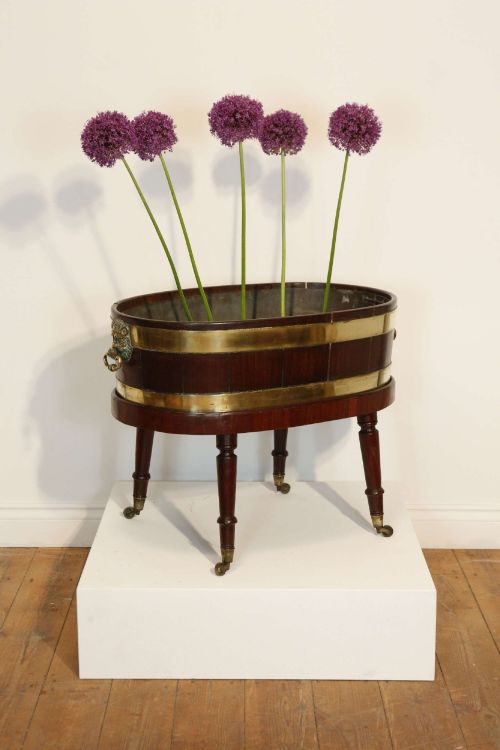
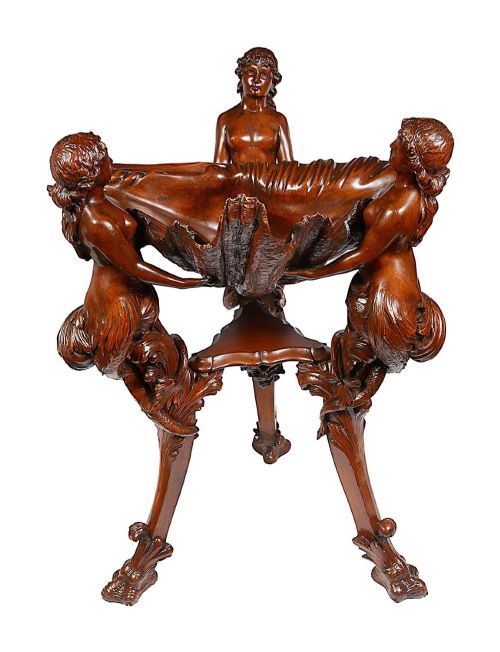
Specialised techniques such as coopered staves appear in bucket-style planters, while others utilise hand-carving, original paint finishes, or inserted marble and porcelain plaques for decorative contrast.
Wooden Jardiniere Stand Retail Price Guide 2026
Typical asking prices for wooden jardiniere stand among the pieces listed under this phrase on Sellingantiques today, from the lower quarter to the upper quarter. They describe what is for sale here now, not the wider market.
Some nineteenth-century Dutch stands started life as peat buckets before finding a second career holding parlour ferns.
What Varies in Quality
The standard of a wooden jardiniere stand rests upon the choice of timber and the precision of its construction, particularly where joints meet to bear significant weight. Finer examples display meticulous attention to inlay work, balanced proportions, and integrated metal or ceramic liners that survive from the period.
Workmanship separates utilitarian plant holders from high-status salon pieces, seen in the fluid execution of hand-carved elements, the quality of fire-gilt ormolu mounts, and the preservation of original painted or polished surfaces.
Liberty of London
The Wooden Jardiniere Stand Glossary
- Jardiniere
- An ornamental pot or stand for holding plants or flowers. These vessels often include fitted metal liners to protect the surrounding woodwork from water damage.
- Torchere
- A tall, slender stand designed to support a lamp, vase, or plant. Originating as candle stands, these pieces provide vertical interest in room corners.
- Ormolu
- Gilded bronze mounts applied to furniture for decorative enrichment. This technique is frequently seen on French nineteenth-century walnut and kingwood pieces.
- Coopered
- Constructed from vertical wooden staves bound together with hoops, similar to barrel-making. This method is common in peat buckets and wine coolers adapted for plant display.
- Inlay
- A technique where pieces of contrasting wood, such as satinwood or boxwood, are inserted into the primary surface to create decorative patterns.
Wooden Jardiniere Stand: Frequently Asked Questions
What is a wooden jardiniere stand used for?
These stands serve primarily to elevate potted plants and heavy floral displays off the floor, protecting interior surfaces while adding height to room arrangements. Many designs incorporate waterproof liners or trays specifically to catch drainage water from live plants.
Beyond holding greenery, these versatile pieces frequently function as lamp tables, small side tables, or display pedestals for vases and decorative sculptures. Their sturdy construction makes them suitable for displaying heavy items in hallways, drawing rooms, and conservatories.
Are these stands waterproof?
Most antique wooden jardiniere stands rely on removable metal liners, copper inserts, or ceramic bowls placed inside the wooden frame to hold the wet soil and plant pot. The wood itself is finished with polish or varnish but is not designed for direct contact with standing water.
When watering plants on these stands, liners should be removed or watered separately to prevent moisture from damaging the interior veneers and causing timber to warp over time.
Where should I place a plant stand at home?
These stands suit room corners, empty wall spaces, or windowsills where they can support trailing plants or sculptural flower arrangements without obstructing household pathways. Tall torcheres fit narrow gaps between furniture, while two-tier versions offer extra surface space for books or smaller pots.
Placing them away from direct heat sources helps preserve the antique timber and prevents the dry air from cracking older veneers and glued joints.