


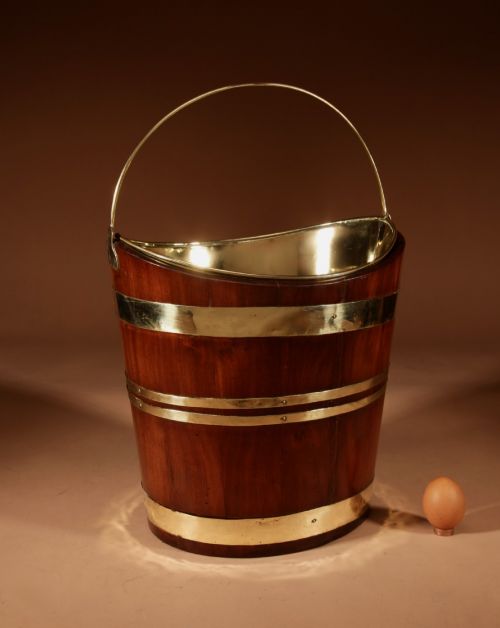
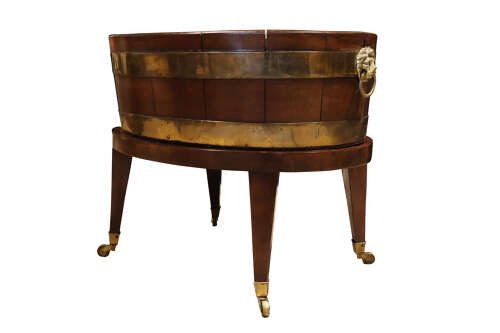
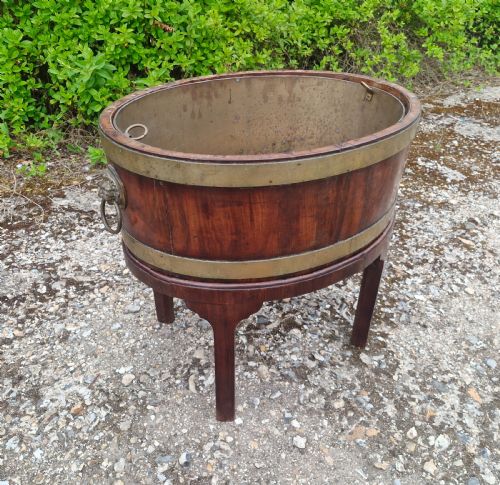
Antique Mahogany Planter
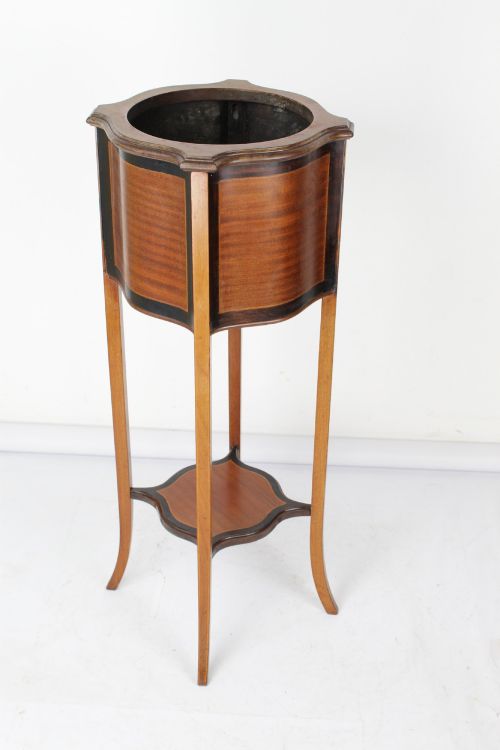
These antique mahogany planter pieces bring rich timber warmth and classic botanical display to a room.
Antique Mahogany Planter
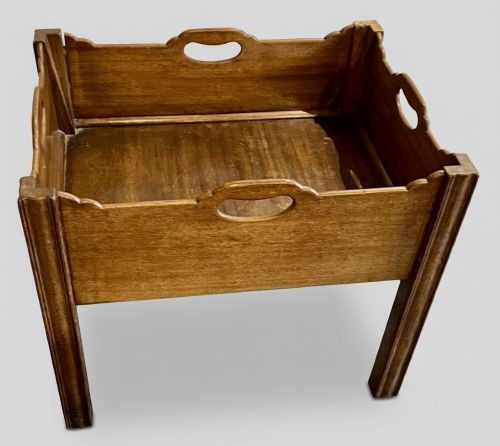
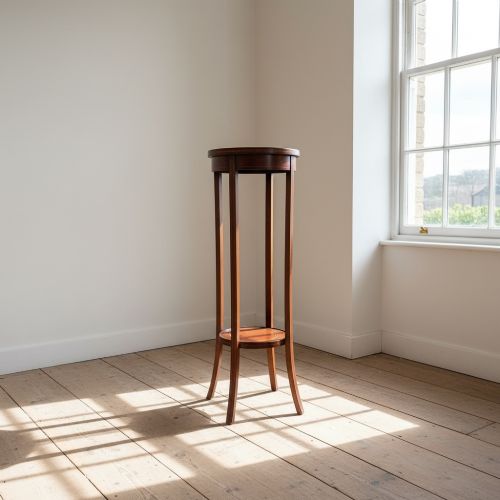
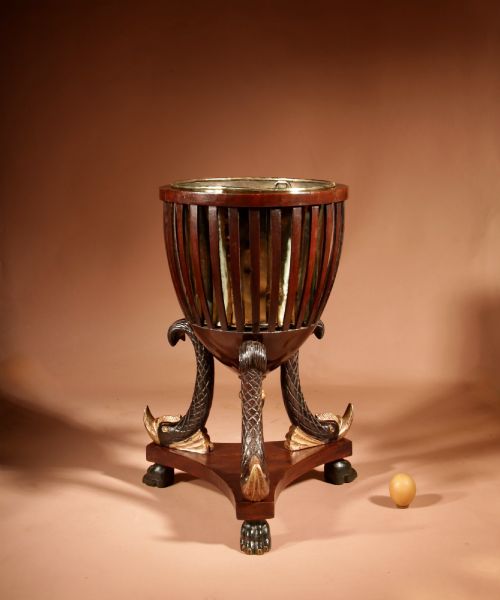
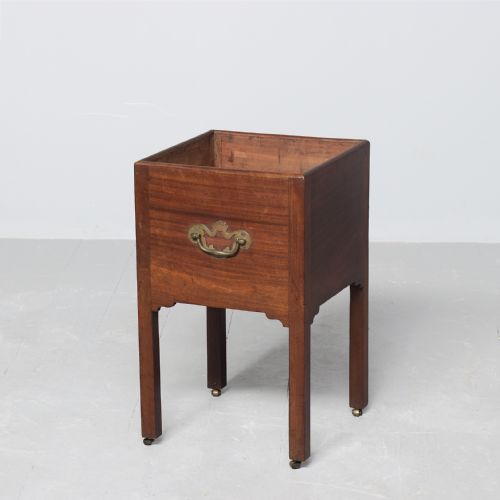
An antique mahogany planter serves as a vessel for indoor greenery, bridging functional horticulture and interior display. Buyers searching this phrase encounter forms ranging from floor-standing plant stands to table models and coopered bucket shapes.
The selections span multiple eras, with Georgian, Victorian, and Edwardian examples appearing frequently alongside later revivals. Pieces often double in historical form as wine coolers, cellarettes, or tea stoves.
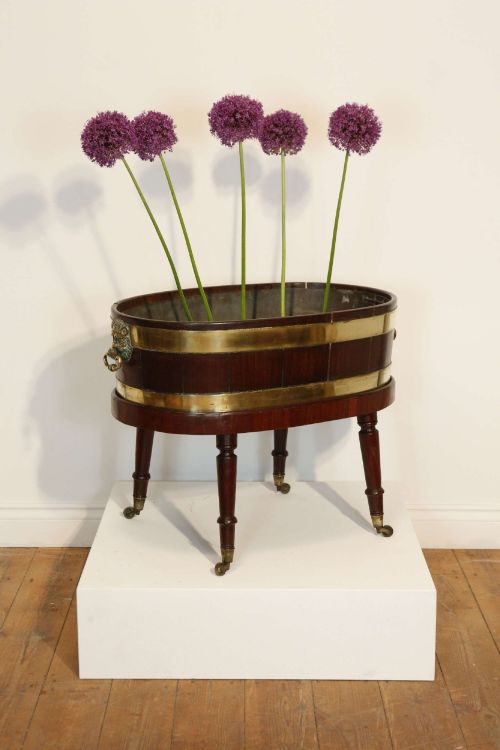
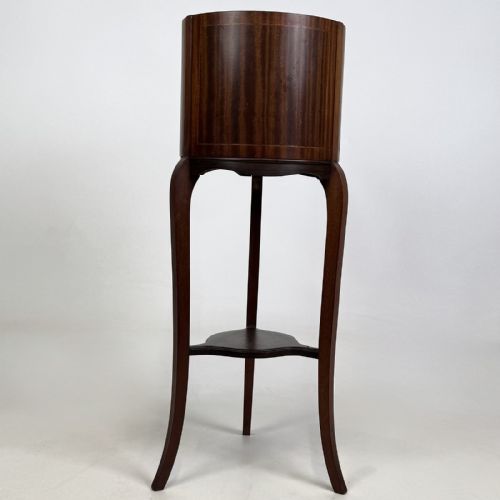
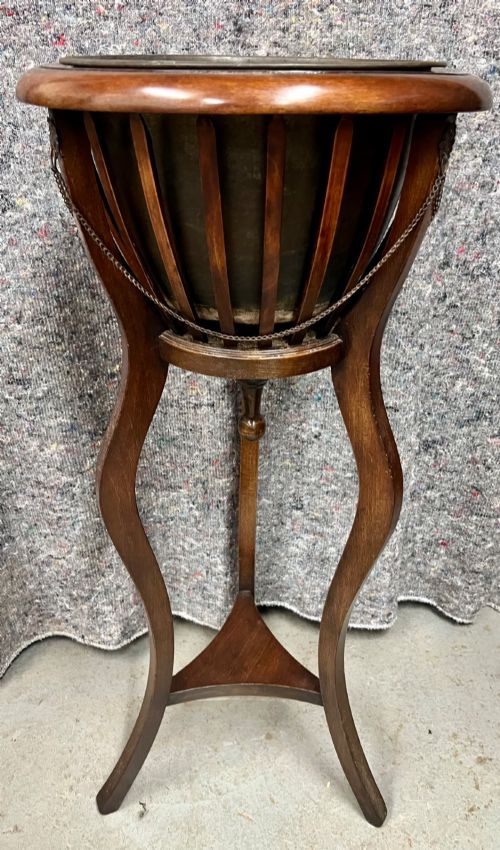
Origins include English workshops and continental Dutch styles, alongside occasional Chinese export items. The Edwardian period contributes slender inlaid plant stands, while earlier Georgian and nineteenth-century eras yield robust brass-bound vessels.
How they were made
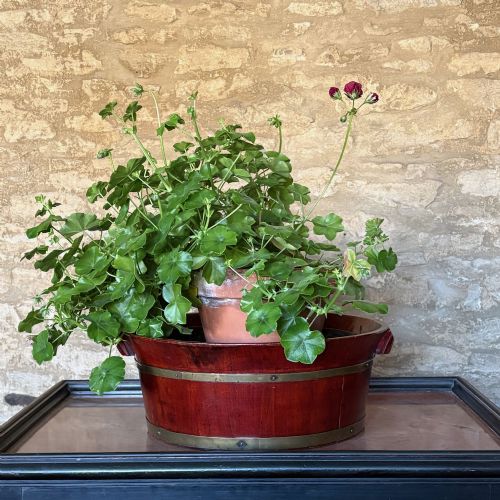
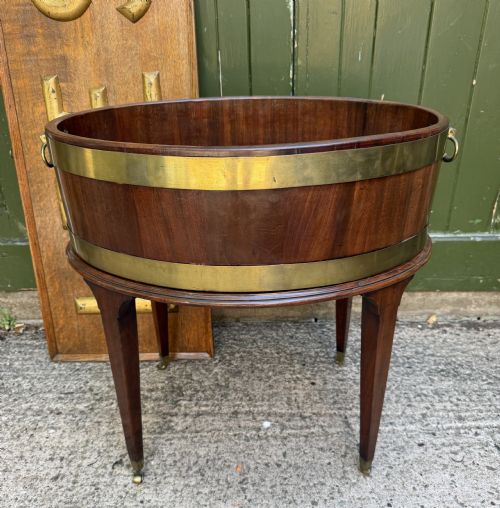
Cabinetmakers constructed these items primarily from solid or veneered mahogany, frequently accented with contrasting satinwood inlay or ebonised wood details. Coopered vessels utilise tight stave construction bound with brass bands to hold moisture and soil securely.
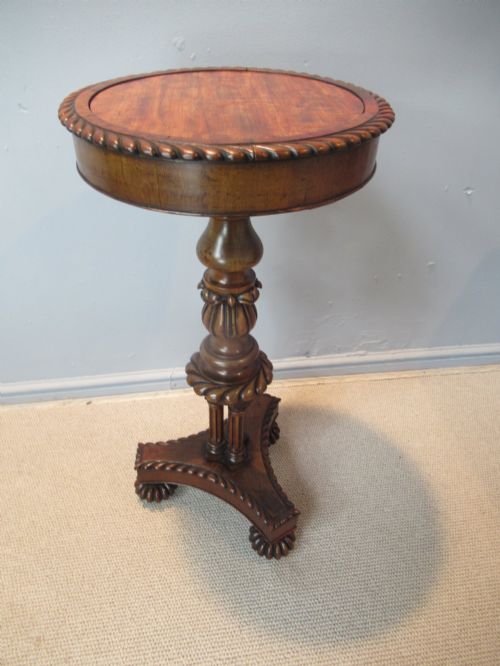
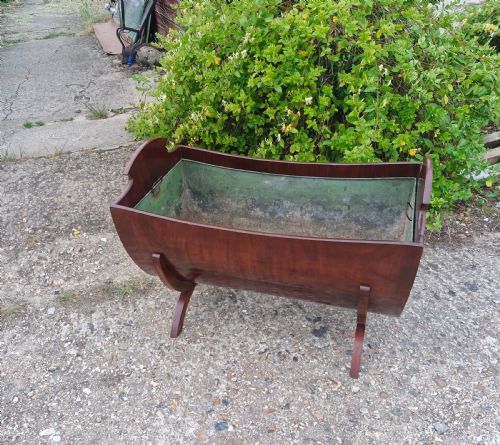
Metal components such as brass hoops, drop handles, and liners of zinc or metal protect the timber from water damage. Carved elements, turned pedestals, and bracket feet demonstrate traditional joinery techniques suited to heavy domestic service.
Antique Mahogany Planter Retail Price Guide 2026
Typical asking prices for mahogany planter among the pieces listed under this phrase on Sellingantiques today, from the lower quarter to the upper quarter. They describe what is for sale here now, not the wider market.
Some nineteenth-century plant vessels secretly spent their youth chilling champagne or hoarding dry peat before finally retiring to a life of indoor botany.
What varies in quality
The refinement of the timber figure and the crispness of inlaid stringing or crossbanding distinguish finer examples from plain utility pieces. Superior items display careful grain matching and substantial brass mounts that retain their original patination.
Structural integrity depends on the tightness of coopered staves and the presence of original interior liners rather than modern replacements. Proportion and the elegance of supporting stands or legs separate bespoke workshop commissions from mass-produced later revivals.
The Antique Mahogany Planter Glossary
- Coopered
- Constructed from curved wooden staves assembled together like a barrel, often secured with metal hoops. This method was traditionally used for liquid-holding vessels and plant buckets.
- Jardiniere
- An ornamental pot or stand for holding plants or flowers, usually designed to sit on the floor or a tabletop. The term derives from the French word for gardener.
- Cellarette
- A lockable container or cabinet designed to hold bottles of wine and spirits, frequently repurposed as a planter due to its waterproof metal lining. These items date primarily from the eighteenth and nineteenth centuries.
- Torchere
- A tall, slender standing pedestal or candlestick, often adapted to display plants or urns. They feature prominently in Georgian and Victorian interiors.
- Satinwood
- A durable, yellowish wood used for contrasting inlay and decorative banding on mahogany furniture. It provides a bright visual accent against darker timbers.
Antique Mahogany Planter: Frequently Asked Questions
What is an antique mahogany planter used for?
These vessels house potted plants and floral arrangements, serving as decorative focal points within period interiors.
Historically, many of these pieces functioned as wine coolers, peat buckets, or cellarettes before being adapted for botanical display.
How do I care for the wood interior?
Protect the mahogany timber by using fitted metal or zinc liners to contain water and damp soil during regular use.
Avoid placing plants directly against the bare wood and wipe away condensation promptly to preserve the finish.
How can I tell a Georgian piece from a later revival?
Georgian examples typically feature hand-cut dovetails, heavy brass banding, and dense Cuban mahogany with deep patination.
Later revival pieces often display machine-made elements, lighter weight timbers, and standardised twentieth-century construction methods.
Were these always meant for plants?
Many items designed with watertight linings began their working lives holding ice for wine bottles or peat for indoor fires.
Cabinetmakers built versatile domestic containers that easily transitioned between utility storage and ornamental plant display over the centuries.