
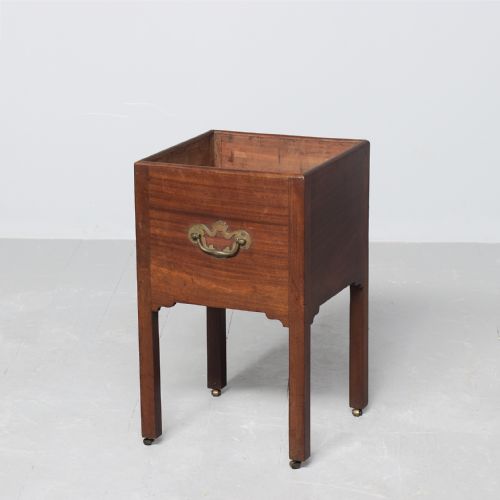

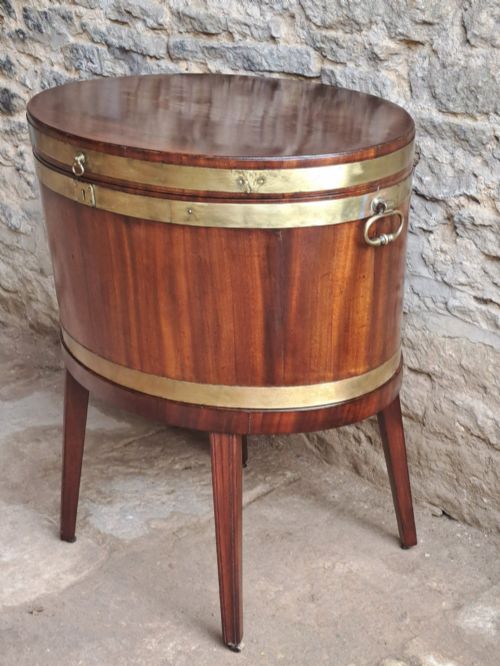
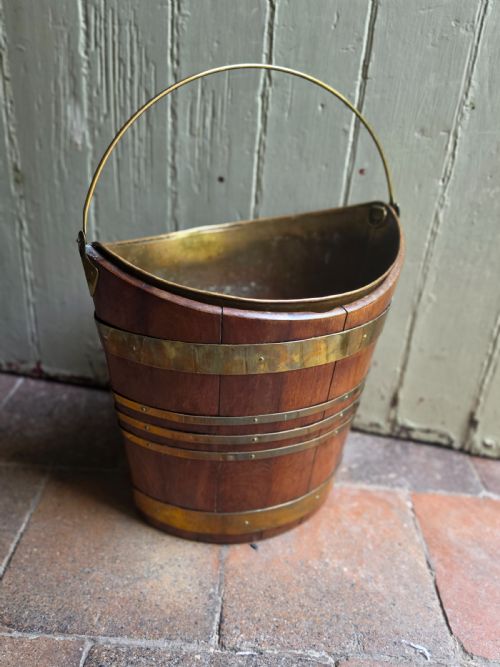
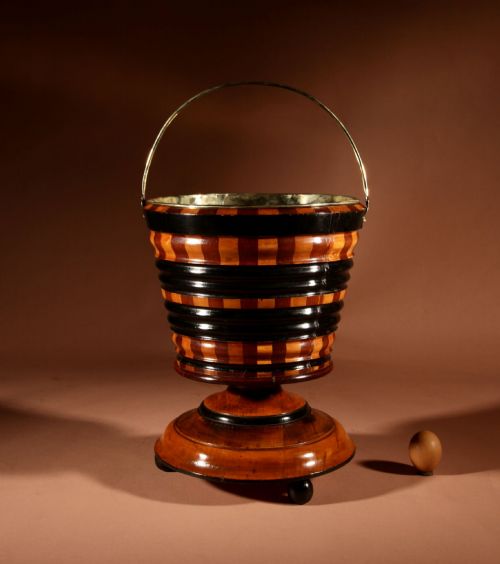
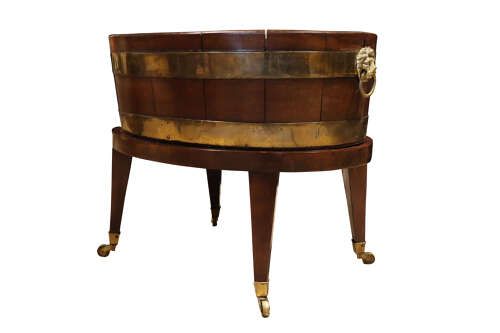


Mahogany Wine Bucket
These mahogany wine bucket examples bring tactile history into your dining room, offering both traditional function and rich timber character.

Mahogany wine bucket
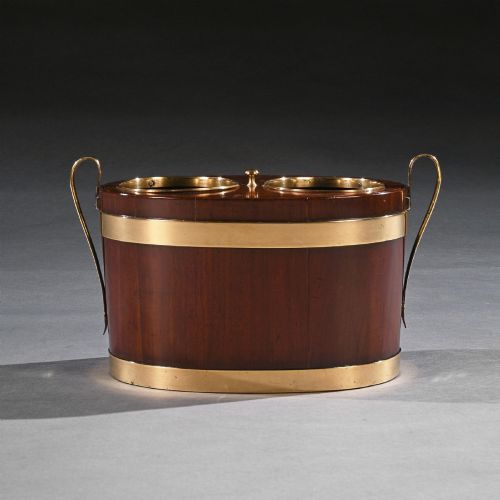
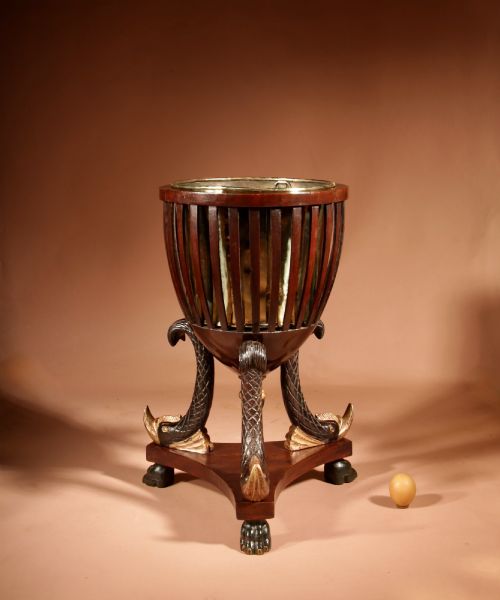
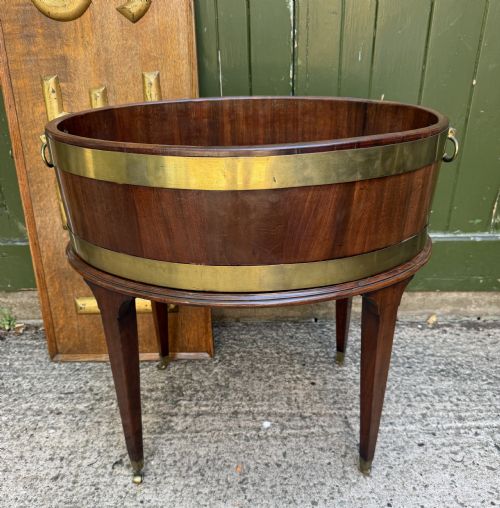
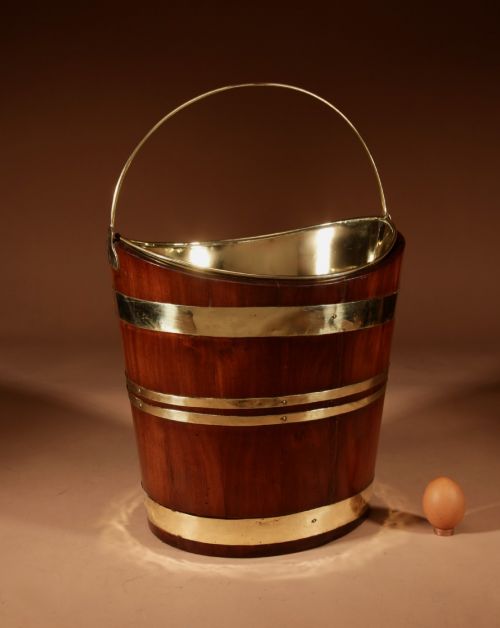
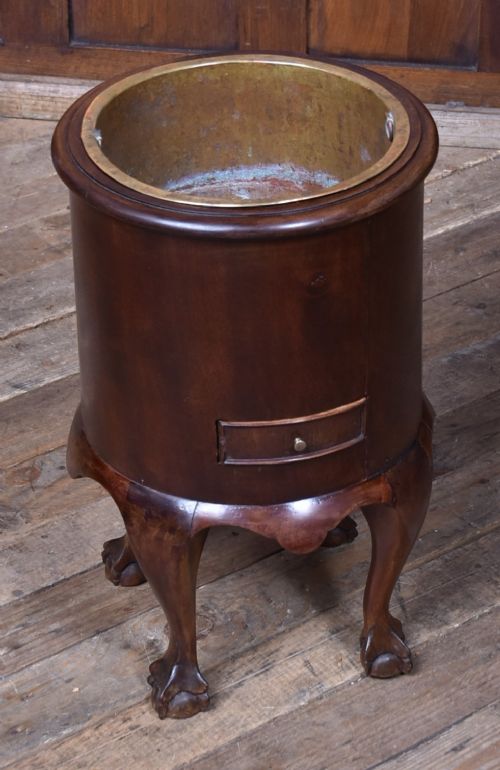
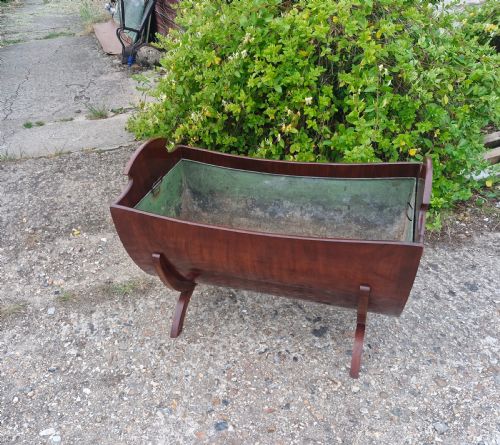
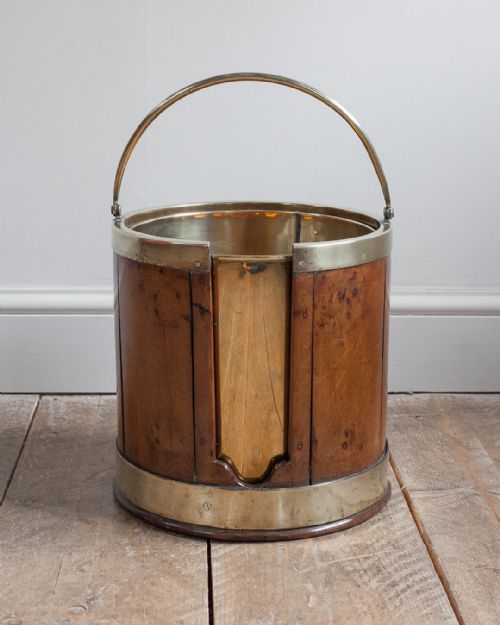
A mahogany wine bucket serves as a refined vessel for chilling or holding bottles during dining, appearing in forms ranging from enclosed coolers to open buckets and stands. These pieces belong primarily to the 18th century, 19th century, and Edwardian periods, reflecting classic Georgian, George III, and Regency design traditions.
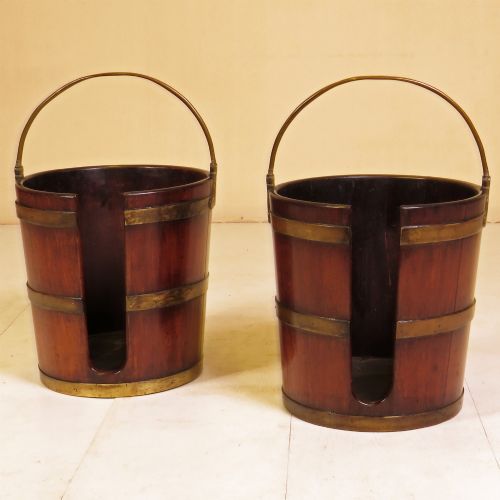
You are most likely to encounter coopered timber bodies paired with metal or brass accents, often raised on dedicated stands or designed as table models. Some examples double as planters or plate buckets, showing the versatile utility expected by period households.
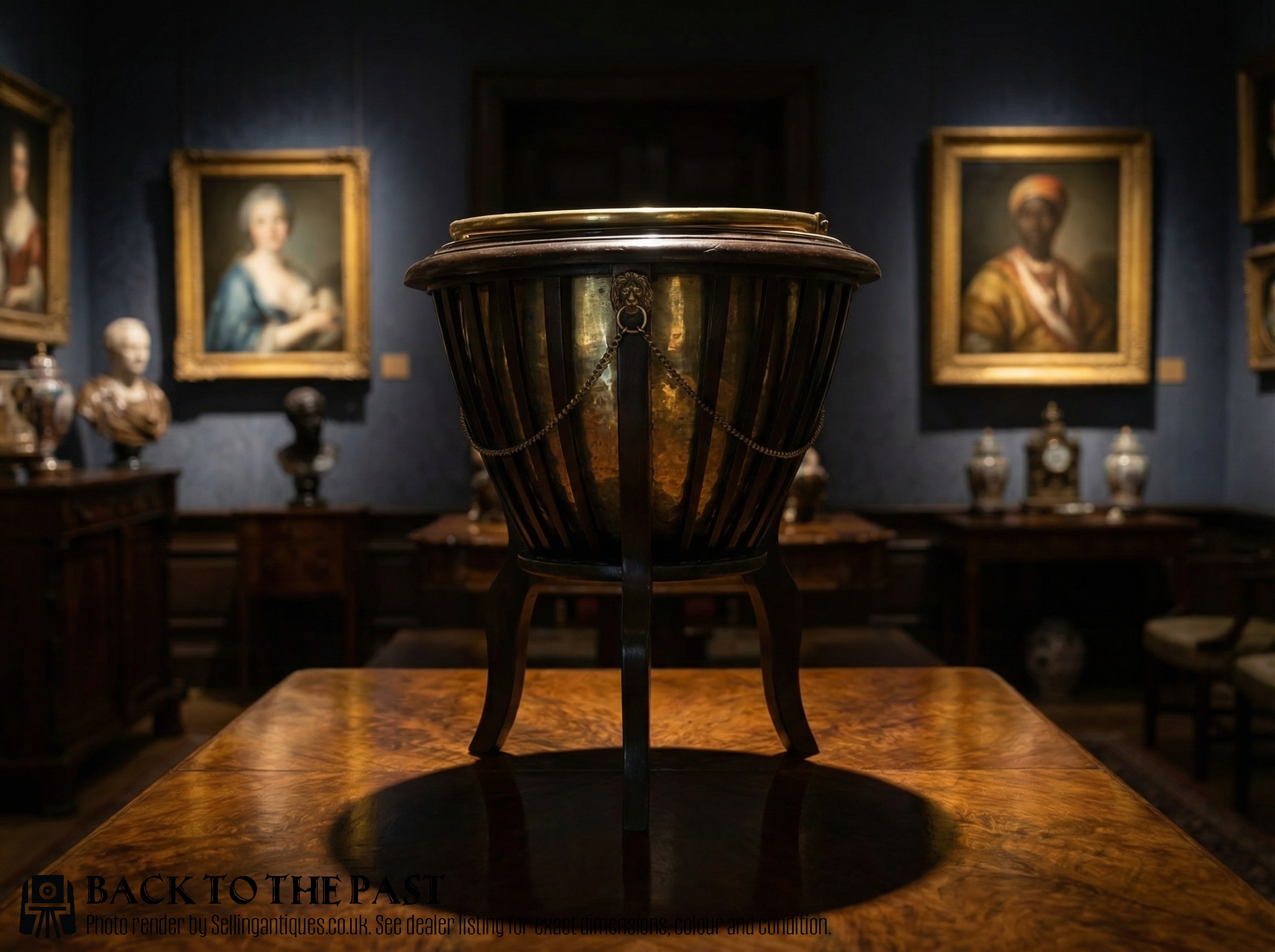
Construction and Materials
Craftsmen built these vessels using solid mahogany staves joined through traditional cooperage techniques, reinforced with tight metal bands or brass mounts. The warm, figured grain of the mahogany was carefully turned or shaped by hand to create smooth, curved profiles.
Metal liners or inserts were integrated to hold ice and water safely against the timber, while stands incorporate fitted legs and occasionally subtle inlay work to elevate the overall presentation.
Retail Price Guide 2026
Typical UK retail prices for mahogany wine bucket, calculated from the Sellingantiques database of over a million retail prices indexed since 2003. This retail price guide relies exclusively on Sellingantiques data; no external sources or auction records are used, so the figures do not describe the wider market.
Some dining vessels moonlighted as plate holders, proving that ancestors were just as keen on multi-tasking furniture as we are today.
Judging Quality
Quality rests in the tightness of the coopered joints and the depth of the mahogany grain, where superior examples exhibit rich patination and precise assembly. The weight and finish of the original brass bands or liners also distinguish finer workshops from simpler utilitarian pieces.
Proportion and the integration of the stand dictate the visual balance of the piece, separating standard serving equipment from masterworks of period cabinet making.
The Mahogany Wine Bucket Glossary
- Coopered
- Constructed from curved wooden staves bound together by metal hoops, much like a traditional barrel. This method gave wine buckets the strength to hold heavy liquid and ice.
- Cellarette
- A lockable container used for storing wine bottles securely in the dining room. These often sit on stands or low legs.
- Jardinière
- An ornamental pot or stand designed to hold plants or flowers. In later periods, these forms frequently overlapped with wine bucket designs.
- Plate bucket
- A deep cylindrical container historically used for carrying or storing plates rather than bottles. They share the identical coopered mahogany construction of wine buckets.
Frequently Asked Questions
How were these wine buckets used?
These items stood beside the dining table or sideboard to keep bottled wine cool before pouring. Metal linings protected the wood from melting ice.
Beyond dining use, some forms served as planters or plate carriers depending on the household requirements of the period.
How do I date a mahogany wine cooler?
Dating relies on examining the timber grain, construction techniques, and brass hardware styling. Georgian and Regency examples display distinct turning and joinery.
Later Edwardian pieces often incorporate lighter stands and modified brass mounts reflecting evolving domestic fashions.
Can I use an antique wine bucket today?
Many collectors continue to use these pieces for their original purpose during dinner parties. They also function well as decorative plant holders.
Care should be taken to protect the interior timber and metal liners from prolonged moisture exposure.