


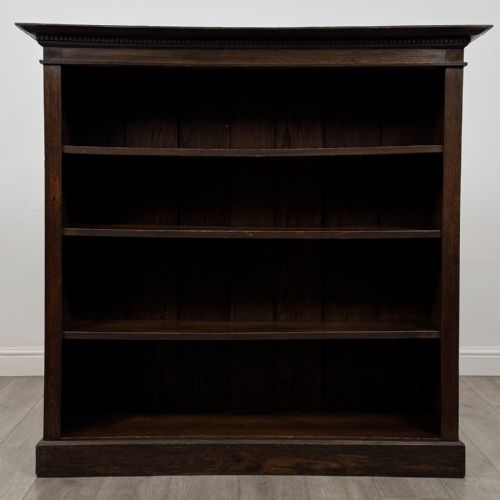

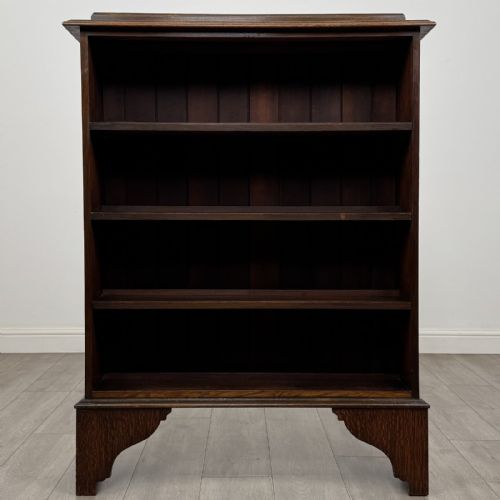
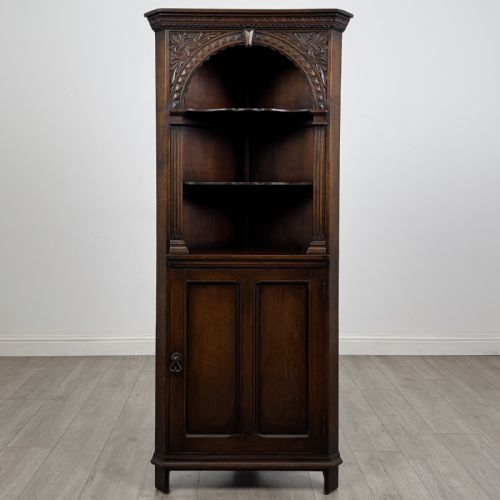

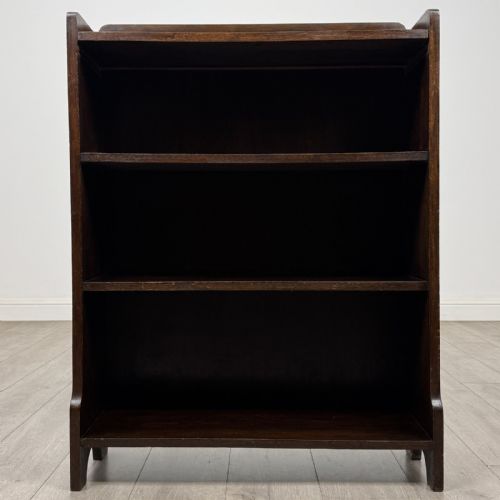
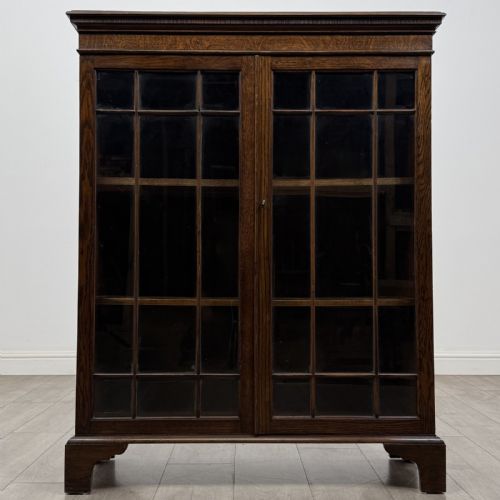
Antique Oak Display Stand
An antique oak display stand holds objects with practical presence, bringing timber grain and historic craft directly into a room.
Antique Oak Display Stand
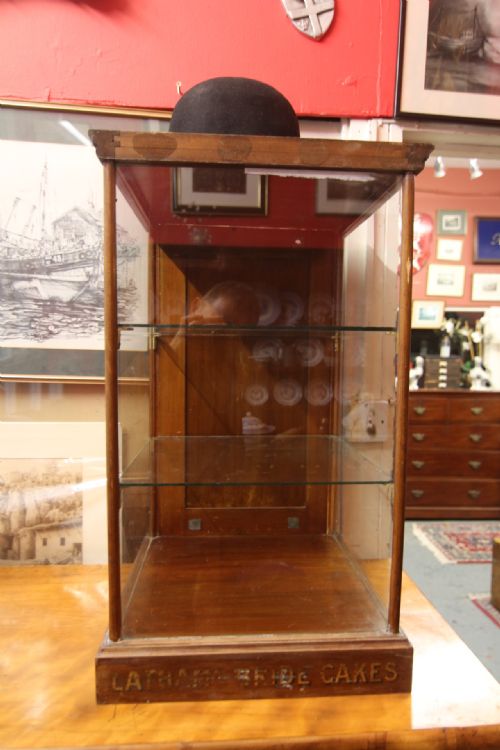
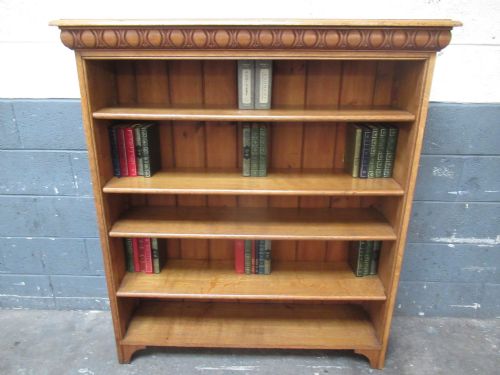
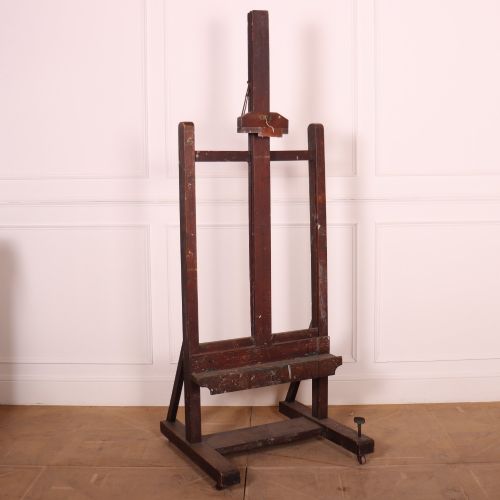
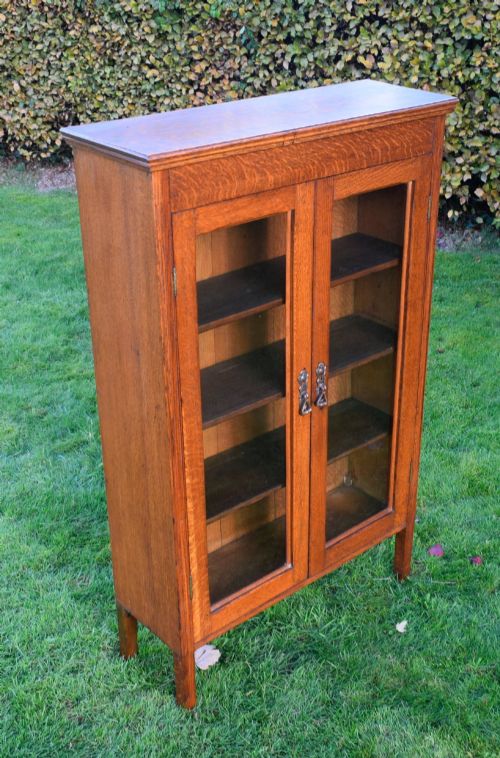
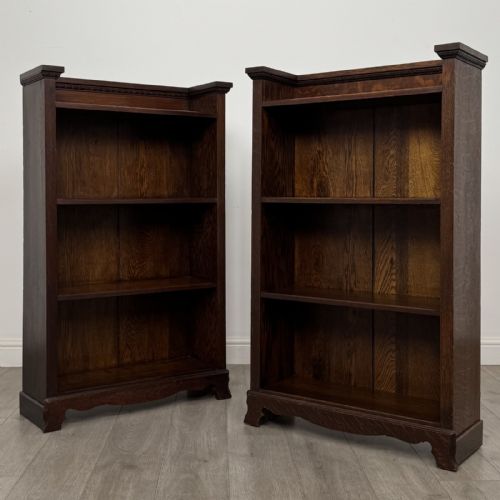
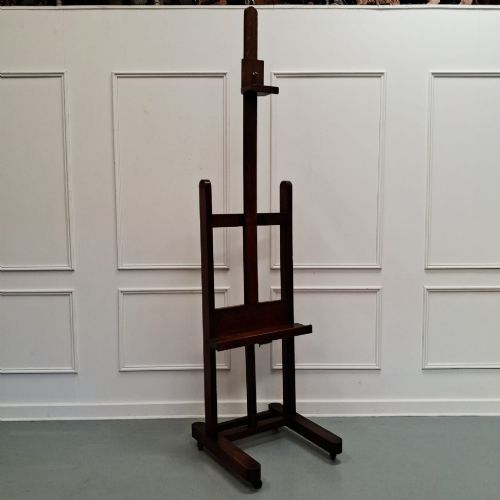
An antique oak display stand encompasses a broad variety of furnishings designed to elevate, support, or showcase items within a domestic interior. The selection ranges from open bookcases and corner cabinets to specialised pedestals, easels, plant stands, and occasional tables.
Most examples encountered date from the Edwardian era and the Victorian period, though earlier Georgian pieces and twentieth-century interpretations also appear. These items serve functional roles as storage and presentation furniture while acting as architectural focal points in a space.
Originating predominantly from English and French workshops, the forms draw on regional cabinet-making traditions. The designs reflect prevailing tastes from structured Arts and Crafts simplicity to provincial carvings and classical columns.
How they were made
Construction relies primarily on solid timber, with oak forming the structural backbone of these stands. Cabinet-makers utilised brass and iron for hinges, handles, and adjustable mechanisms, while glass panels protect contents in cabinet forms.
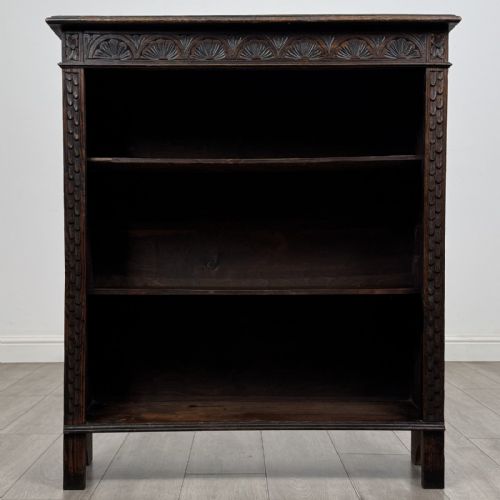
Joinery methods reflect the period of origin, employing traditional techniques such as mortise and tenon joints to ensure stability. Surfaces often receive carved enrichment, seen in geometric patterns or Solomonic twists on pedestals and columns.
Antique Oak Display Stand Retail Price Guide 2026
Typical asking prices for oak display stand among the pieces listed under this phrase on Sellingantiques today, from the lower quarter to the upper quarter. They describe what is for sale here now, not the wider market.
The inventory spans multiple centuries, including eighteenth-century Georgian items alongside Edwardian and Victorian works.
What varies in quality
The degree of hand-carving and the choice of grain orientation separate standard utility pieces from exceptional commissions. Master craftsmen selected timber with pronounced medullary rays and applied meticulous attention to structural joints and hardware integration.
Proportion and architectural balance dictate the overall success of a design, particularly in vertical forms like pedestals and easels. Items retaining original glass, brass fittings, and uncompromised surface patination demonstrate superior historic integrity.
Liberty and Co.
The Antique Oak Display Stand Glossary
- Solomonic column
- A spiral shaft resembling a twisted rope, frequently turned on a lathe during the seventeenth and eighteenth centuries. This distinctive form appears on pedestals and architectural supports.
- Arts and Crafts
- A design movement emphasising handcraftsmanship, plain surfaces, and vernacular traditions rather than industrial mass production. Pieces from this style often display exposed joinery and simplified oak forms.
- Pedestal
- A tall, freestanding column or base designed to elevate a bust, vase, or sculptural object. These stands provide vertical emphasis within an interior scheme.
- Jardiniere stand
- A specialised piece of furniture intended to hold a plant container or floral display. They frequently feature multiple tiers or waterproof liners.
- Waterfall bookcase
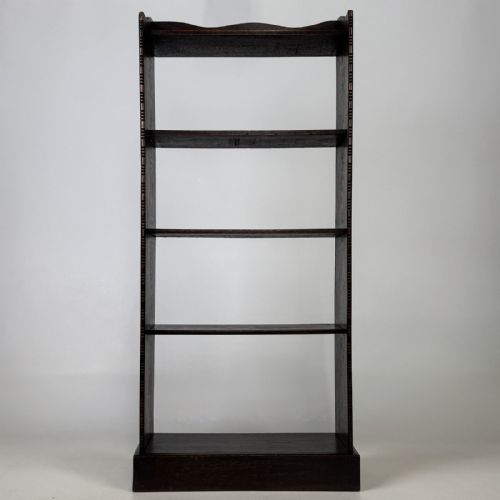
- A shelving unit characterised by tiers that step back progressively from bottom to top, creating a cascading profile. This form gained popularity during the Edwardian period.
Antique Oak Display Stand: Frequently Asked Questions
How do I clean antique oak?
Dust surfaces regularly with a soft, dry cloth to prevent particulate buildup on the timber.
Apply a traditional beeswax polish sparingly when the wood appears dry, buffing gently to maintain the historic sheen.
Where should I place a display stand?
Position freestanding pieces away from direct heat sources and strong sunlight to protect the oak from warping or fading.
Corner cabinets and pedestals fit effectively into transitional spaces, utilising empty angles to display decorative items.
How do I date an oak stand?
Examine the construction methods, tool marks, and joinery style visible on the underside or interior surfaces.
Compare the overall aesthetic, hardware types, and timber selection against known stylistic periods such as Edwardian or Georgian.
Can these stands hold heavy items?
Solid oak construction provides substantial structural integrity, making many tables and bookcases suitable for heavy loads.
Assess the specific joinery and shelf supports of each piece before placing weighty objects upon them.