



Carved Wood Planter
A carved wood planter brings organic warmth and texture to interior spaces, holding botanical displays within handcrafted timber forms.
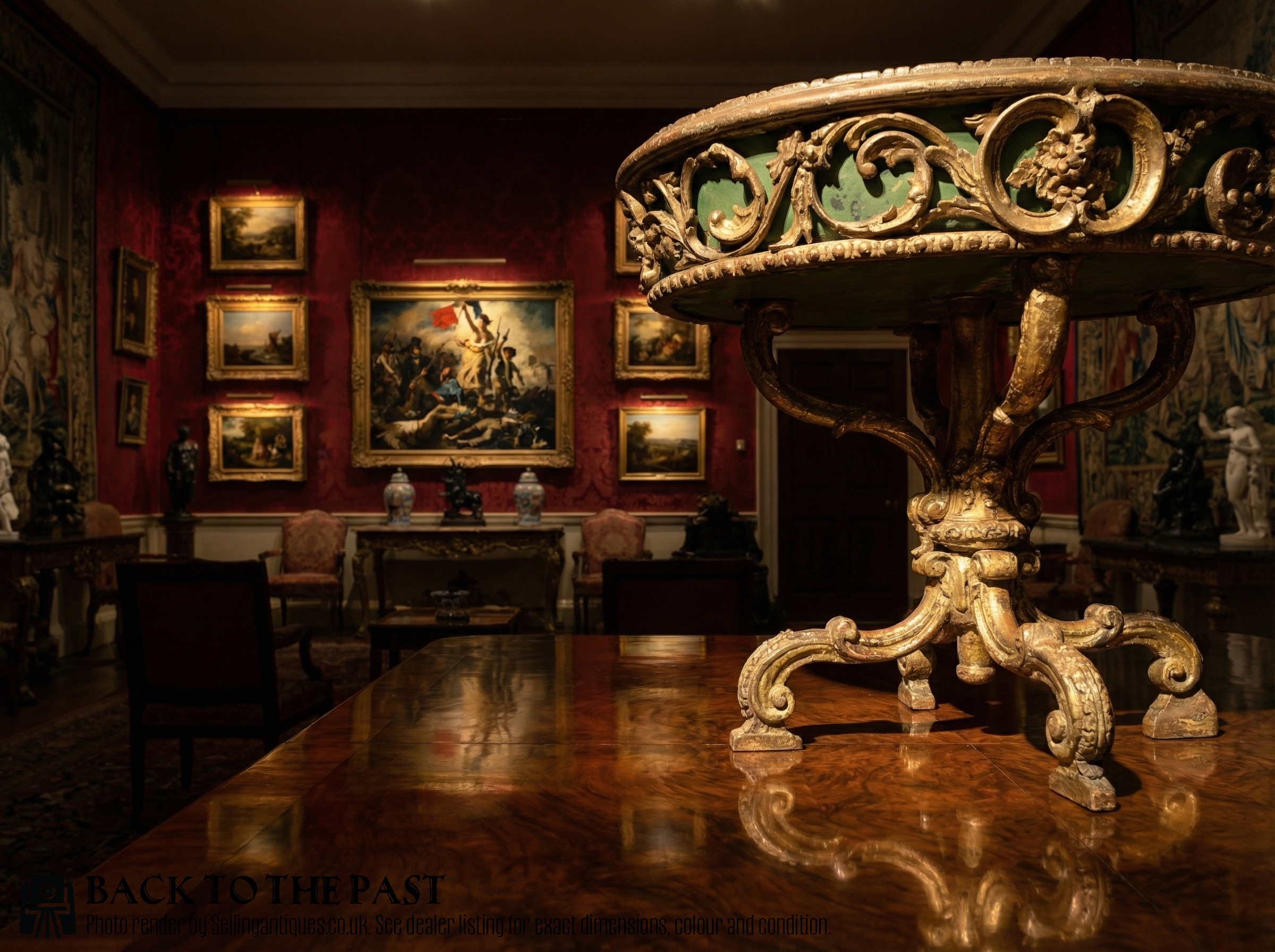
Carved Wood Planter
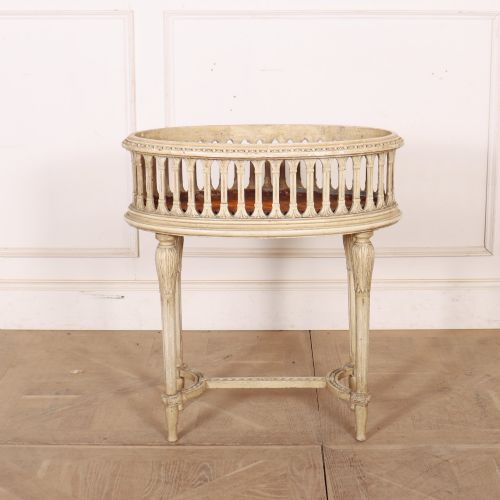
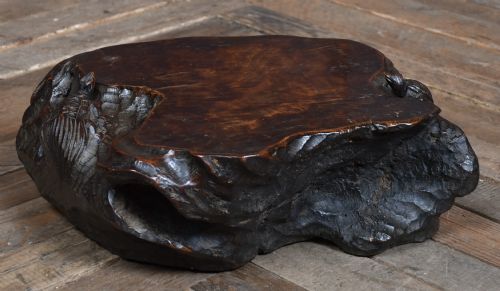
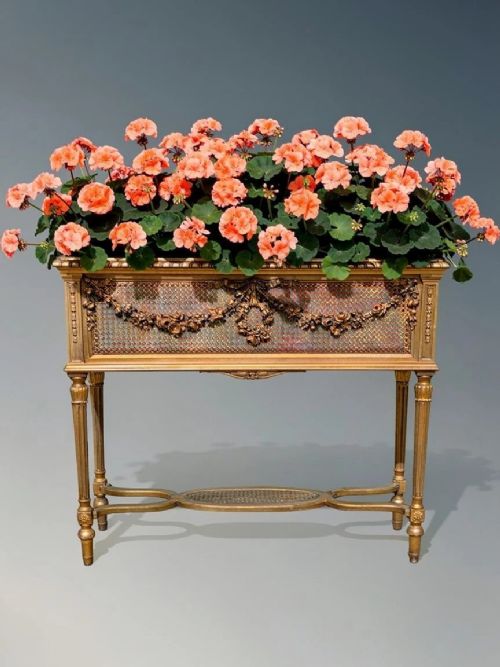
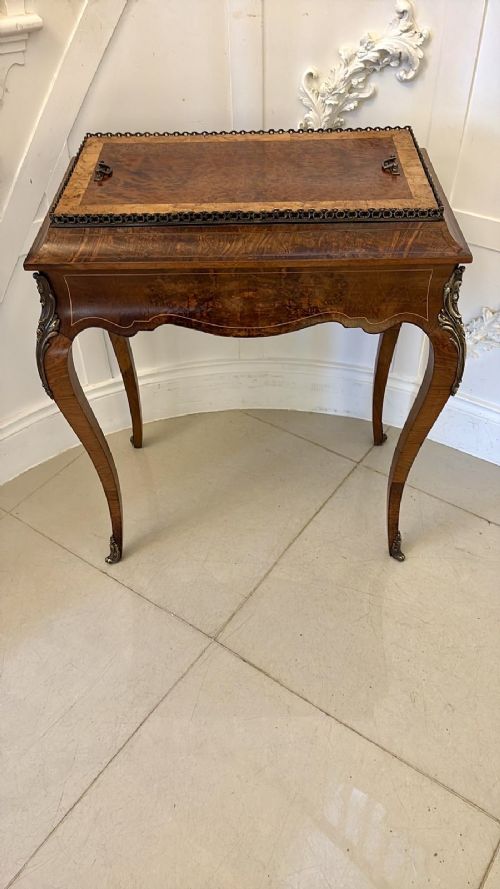
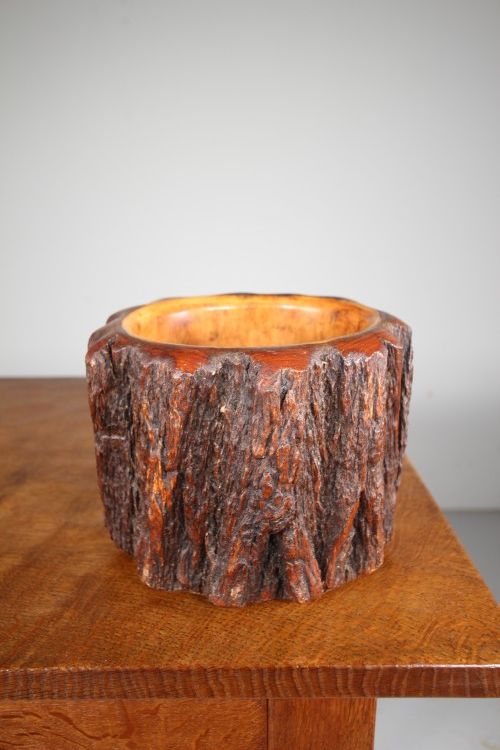
A carved wood planter encompasses traditional plant stands, jardiniere tables, log boxes, and dugout tree trunks from the nineteenth and early twentieth centuries. These vessels hold potted plants or decorative arrangements inside domestic interiors, combining functional horticulture with decorative carving.
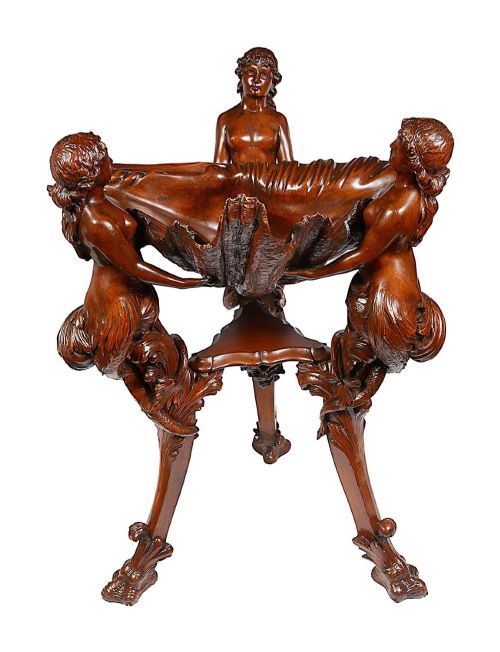
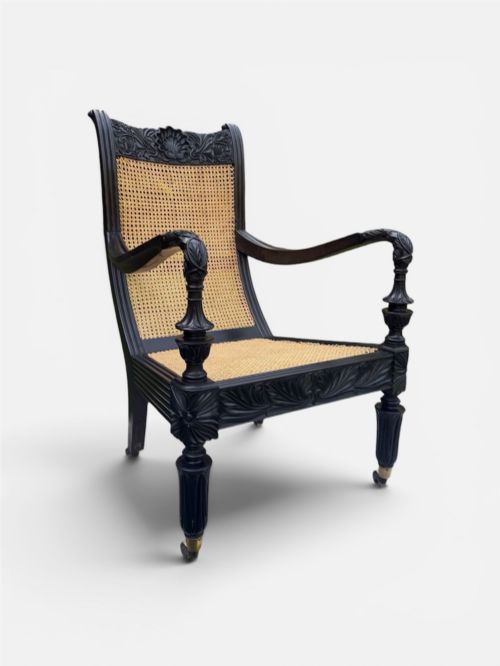
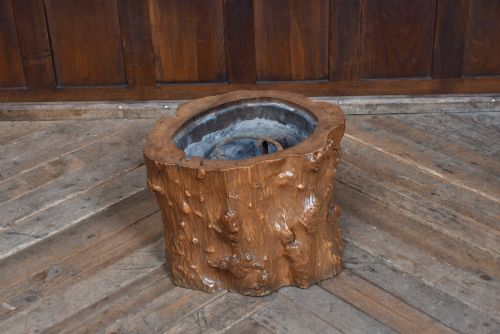
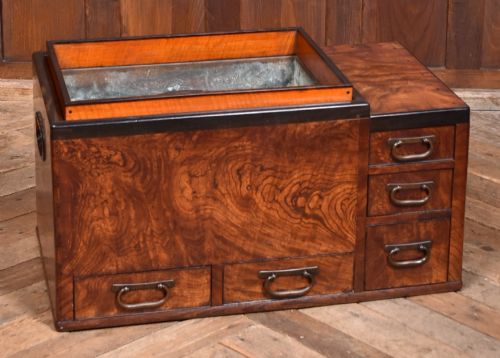
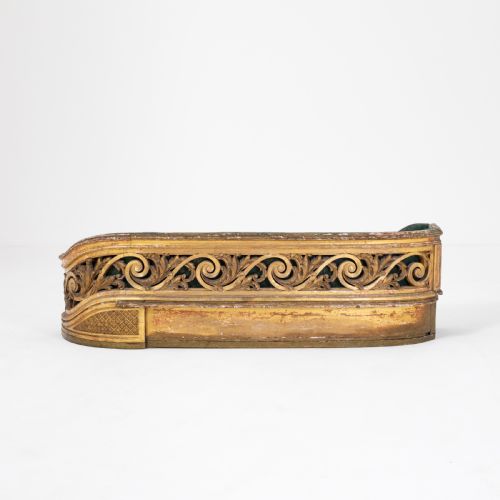
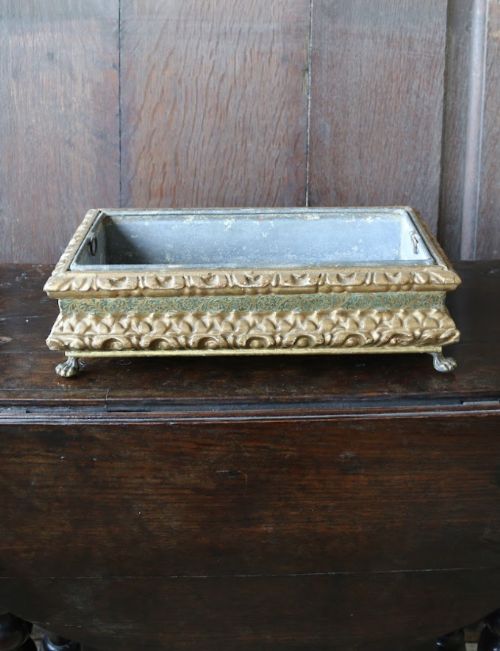
The pieces meeting this search phrase range from rustic country oak and sycamore troughs to ornate Chinese hardwood stands, French walnut tables, and giltwood jardiniere designs. Regional variations include Anglo-Indian padouk pieces, Japanese hibachi bowls, and Black Forest naturalistic carvings.
Makers utilised diverse forms, from tall mahogany torchere plant stands and portico planter tables to low carved turtle display stands and heavy elm mortars. Each object reflects the period aesthetics of Victorian, Edwardian, William IV, and Regency eras.
Materials and construction
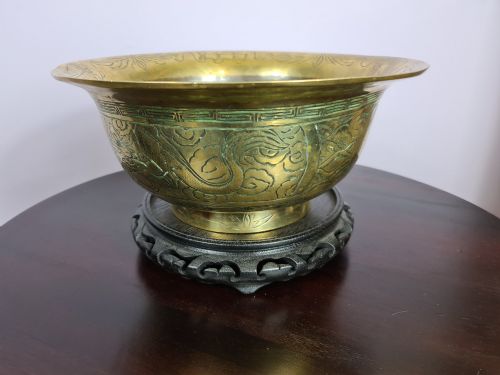
Carvers shaped these planters from solid hardwoods including mahogany, oak, ebony, walnut, rosewood, elm, and sycamore timber. Artisans frequently paired the carved wood bodies with metal liners, brass bowls, or cane elements to contain moisture and soil safely.
Construction techniques combine traditional joinery with intricate hand-carving, turning, and hollowing out single tree trunks for dugout troughs. Surface decoration ranges from rustic naturalistic bark textures and barley twist columns to refined giltwood accents and painted finishes.
Carved Wood Planter Retail Price Guide 2026
Typical asking prices for carved wood planter among the pieces listed under this phrase on Sellingantiques today, from the lower quarter to the upper quarter. They describe what is for sale here now, not the wider market.
Assessing quality
The standard of a carved wood planter rests upon the depth, crispness, and execution of the hand-carving across the timber surface. Superior examples display confident chisel work and anatomical precision on naturalistic motifs or geometric forms.
Material selection and structural integrity separate standard utility items from high workshop production. Dense hardwoods, well-preserved original giltwood, and stable joins demonstrate superior craftsmanship originating from specialised British, European, and Asian ateliers.
The Carved Wood Planter Glossary
- Jardiniere
- An ornamental pot or stand for holding flowers and plants. These vessels sit upon tables or floor pedestals.
- Torchere
- A tall stand or pedestal originally designed to hold a torch or candle, later adapted for plants and lamps. They feature slender columns supporting a small top surface.
- Treen
- Small handmade wooden domestic objects produced before the age of mass manufacturing. Items range from turned bowls to carved stem vessels.
- Padouk
- A heavy tropical hardwood valued for its durability and reddish-brown coloration. It appears frequently in Anglo-Indian and Regency furniture.
Carved Wood Planter: Frequently Asked Questions
What is a jardiniere stand?
A jardiniere stand is an elevated table or pedestal specifically designed to display a plant container at a comfortable viewing height.
These pieces keep heavy foliage off the floor and protect interior flooring from moisture damage while adding architectural height to a room.
How were antique planters lined?
Antique planters often incorporate removable metal liners or brass bowls fitted directly into the carved timber cavity.
This metal insert protected the surrounding wood from water rot and soil dampness during regular plant watering.
Where were dugout planters made?
Dugout tree trunk planters were produced in rural country workshops across Europe and Britain during the nineteenth century.
Local craftsmen hollowed out solid sections of sycamore, oak, or tree roots to create rustic, organic troughs for domestic greenery.
How do I care for antique wood?
Maintain antique wooden planters by keeping them away from direct heat sources and sudden temperature fluctuations that cause timber to split.
Use protective plastic or ceramic inner pots inside the original vessel to prevent moisture from contacting the historical wood surface directly.