


Antique Cachepot Stand
These antique cachepot stand pieces bring living greenery indoors on elevated platforms of brass, mahogany and porcelain.
Antique Cachepot Stand
An antique cachepot stand combines a vessel for holding potted plants with an elevated support base, designed to display indoor foliage with architectural presence. The evidence shows these pieces appearing across the eighteenth, nineteenth and early twentieth centuries in forms ranging from heavy wooden buckets to delicate ceramic pots.
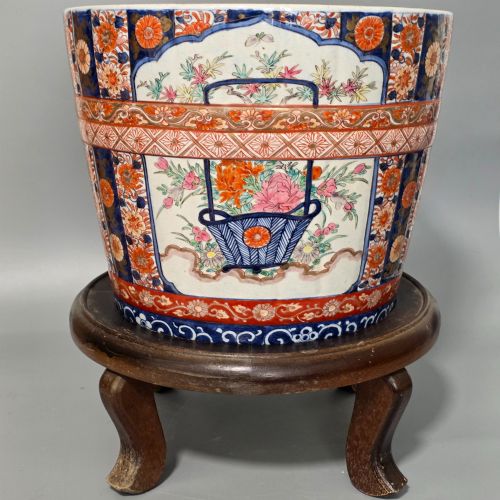
The objects recorded here include Victorian brass and walnut plant holders, Edwardian mahogany structures, and larger Japanese or Chinese earthenware jardinières resting upon separate stands. These items served both practical drainage functions and decorative roles in period interiors, lifting soil and moisture away from fine floors.
Buyers seeking an antique cachepot stand will encounter formats spanning simple square brass frames to elaborate Dutch Empire mahogany buckets and copper Arts and Crafts holders. They function today as they did originally, framing ferns and flowering plants within domestic living spaces.
Materials and construction
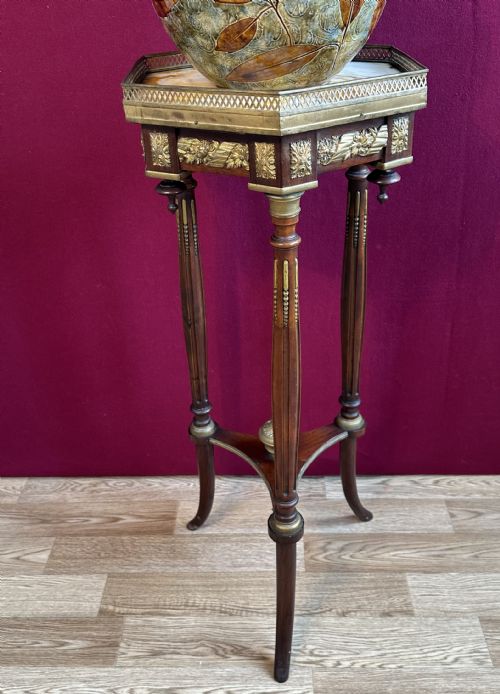
Cabinetmakers and metalworkers utilised traditional timber framing, metal spinning and ceramic casting to produce these plant containers. Mahogany, walnut and giltwood provide the structural integrity for wooden jardinière buckets, frequently enhanced by coopered staves or ormolu mounts.
Brass, copper and wrought iron appear extensively across nineteenth-century examples, shaped into plant holders and supported by matching metal frames or associated hardwood bases. Porcelain and earthenware vessels from English potteries and Asian kilns introduce glazed surfaces alongside cloisonné and Imari decorative schemes.
Swans and multiple bottle coasters occasionally masquerade as plant holders, proving that Victorians loved putting greenery inside anything hollow.
Distinctions in quality
The distinction between standard utility items and superior examples lies in the integrity of the materials and the cohesion of the stand with its vessel. Original matching bases demonstrate unified design intentions, whereas associated stands indicate later pairings that alter the historical composition.
Fine craftsmanship shows in the precision of coopered wooden staves, crisp ormolu mountings, and hand-painted ceramic glazes. Pieces retaining their original interior liners or operational drainage components exhibit higher degrees of completeness.
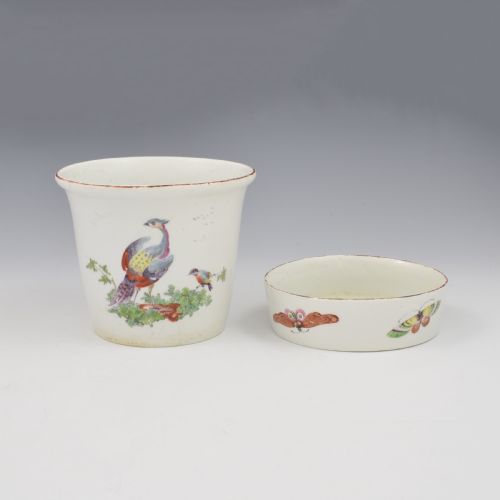
Enoch Wood & Sons
The Antique Cachepot Stand Glossary
- Cachepot
- A decorative container used to conceal an ordinary flowerpot, preventing water damage to surfaces. The word originates from the French term meaning to hide a pot.
- Jardinière
- A large ornamental receptacle designed to hold plants or flowers, often mounted on legs or a dedicated base. These vessels form a primary category within plant stand furnishings.
- Coopered
- Constructed from wooden staves bound together with metal hooping, similar to the method used for barrels. This technique provides strength for holding damp soil in wooden planters.
- Ormolu
- Gilded bronze mounts applied to furniture and decorative objects for enrichment. The technique was particularly favoured during the eighteenth and nineteenth centuries.
- Cloisonné
- An ancient technique for decorating metalwork objects with coloured material held in place by thin metal strips. The method appears on Asian vessels designed for interior display.
Antique Cachepot Stand: Frequently Asked Questions
What is the difference between a cachepot and a jardinière?
A cachepot functions primarily to conceal a plain plant pot, whereas a jardinière is often a larger, standalone decorative vessel for planting directly or holding floral arrangements.
In historical usage, the terms overlap significantly, particularly when the vessel rests permanently upon an integrated or matching support structure.
How do I protect the wood on an antique stand?
Protecting timber surfaces requires utilising waterproof inner liners inside the decorative pot to prevent moisture and soil contact with the antique wood or metal.
Removing the plant entirely during watering prevents accidental spills and preserves the structural integrity of the surrounding stand.
Are the stands usually original to the pots?
Many surviving pieces retain their original matching stands, particularly fitted metal frames and purpose-built wooden bucket bases.
Some historical examples involve associated stands, where separate hardwood or metal supports were paired with foreign or domestic vessels at a later date.
How do I date an antique plant stand?
Dating relies upon examining material composition, construction techniques, and stylistic markers such as Victorian brass casting methods or Art Nouveau decorative motifs.
Pottery marks and timber ageing characteristics further narrow the period of manufacture across the eighteenth, nineteenth and early twentieth centuries.