

French Style Pedestal
A French style pedestal brings classical continental proportion and refined material contrast to a room, offering an elevated surface for display or support.
French Style Pedestal
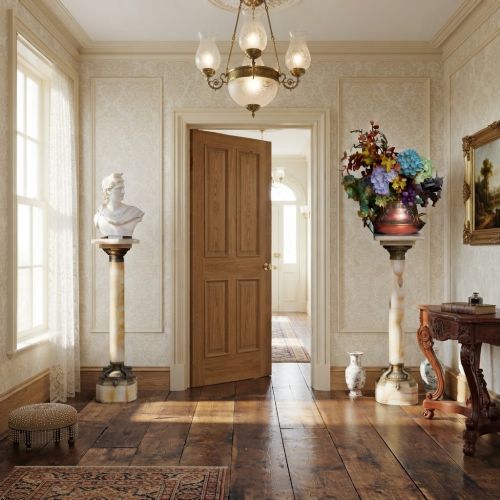
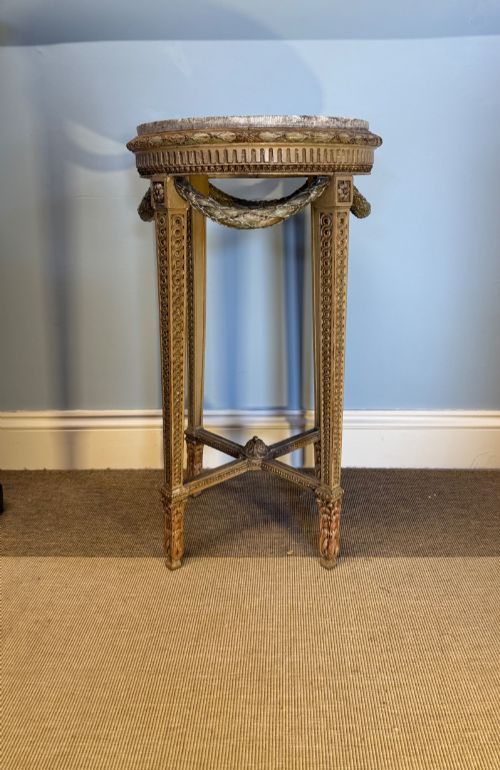
A french style pedestal encompasses column displays, plant stands, and multi-purpose tables originating from periods such as the nineteenth century, Victorian era, and early twentieth century. These pieces serve primarily to elevate urns, sculptures, or lamps, drawing the eye upward and creating focal points within a room layout.
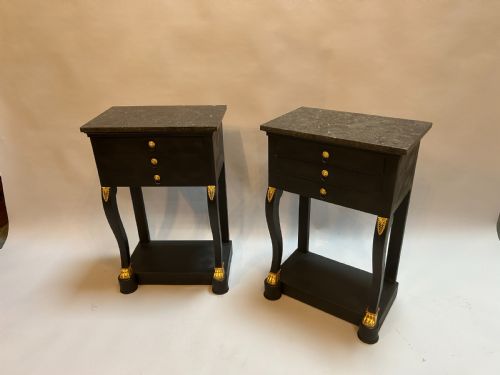
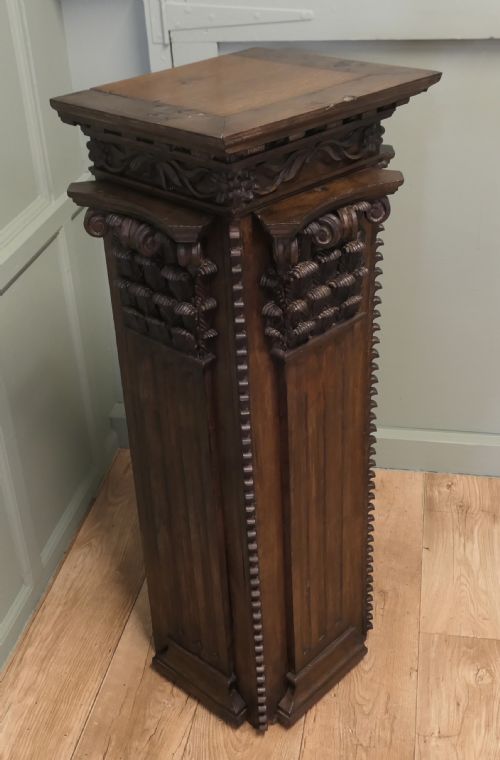
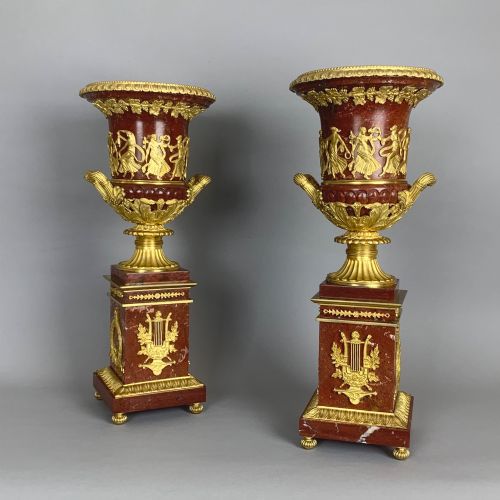
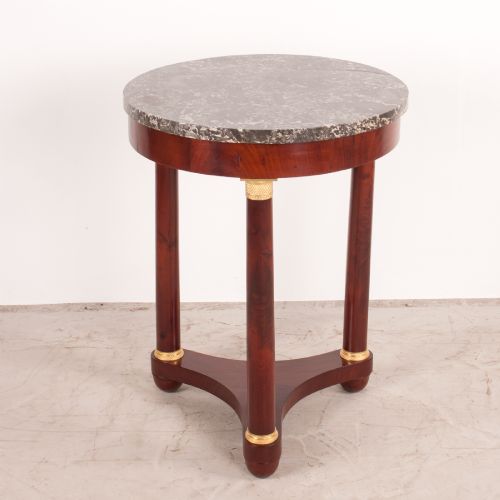
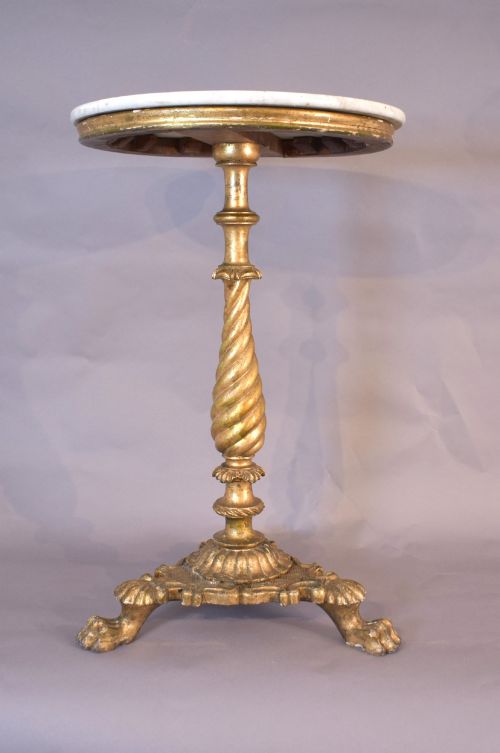
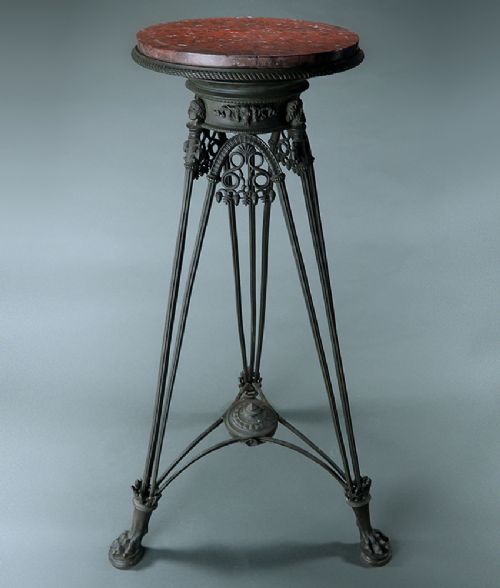
The selection frequently includes marble columns fitted with ormolu collars, carved oak display pillars, and onyx or marble-topped variants resting on gilt or brass supports. Makers and artisans utilised diverse forms ranging from straightforward cylindrical shafts to tripod bases and tiered stands.
Buyers navigating this category encounter forms echoing French Empire, Louis XVI Revival, and Neoclassical design vocabularies. Such objects bridge decorative utility and architectural presence, drawing on historical continental motifs adapted for domestic interiors.
Materials and construction methods
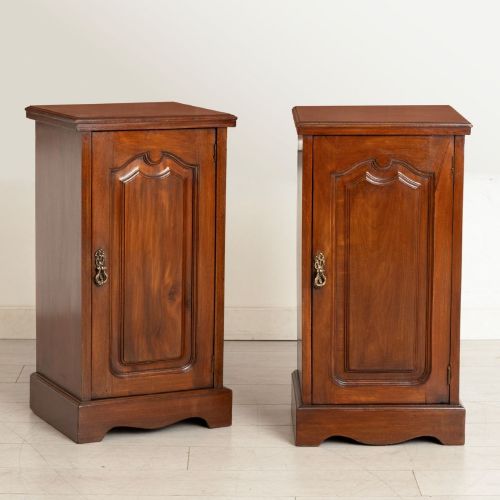
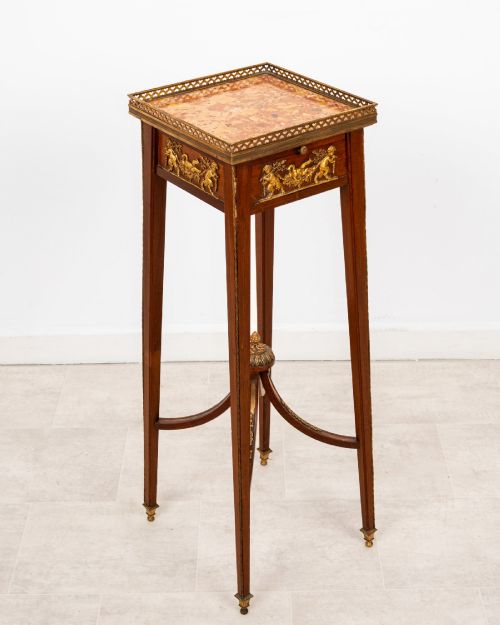
Construction relies heavily on dense timbers such as mahogany, kingwood, and walnut, frequently paired with natural stone slabs including marble and onyx for the upper surfaces. These materials provide both structural stability and a heavy base necessary for supporting upright display columns.
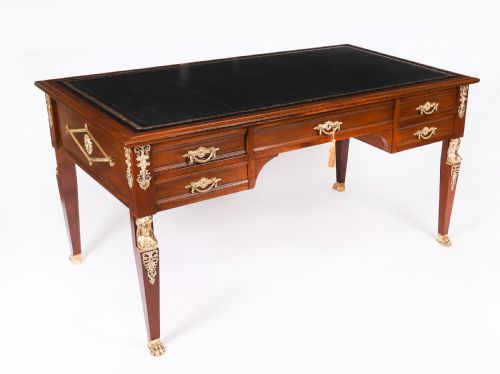
Metal components play a defining role, utilising cast bronze, gilt bronze, brass, and applied ormolu mounts to accent structural joints and capitals. Workshops combined these metallic elements with carved wood or turned stone to achieve the decorative contrast characteristic of continental design.
Several tables include hidden compartments, tilt-top mechanisms, and tambour doors designed to keep nineteenth-century stationery out of sight.
Factors determining quality
Quality reveals itself in the crispness of cast ormolu mounts and the precision of bronze chasing, where sharper detail indicates superior workshop output. The selection of stone, such as finely figured marble or unblemished onyx, further separates standard production from finer examples.
Joinery execution and timber selection dictate structural longevity, with tightly fitted parquetry and substantial mahogany cores marking higher-tier pieces. The integration between stone tops and wooden or metal bases shows the care taken during initial assembly.
Mercier Frères·A Hugnet Paris·Étienne Kohlmann·François Linke
The French Style Pedestal Glossary
- Ormolu
- Gilded bronze applied as a decorative mount to furniture and pedestals. This technique involves coating bronze with a gold amalgam.
- Tazza
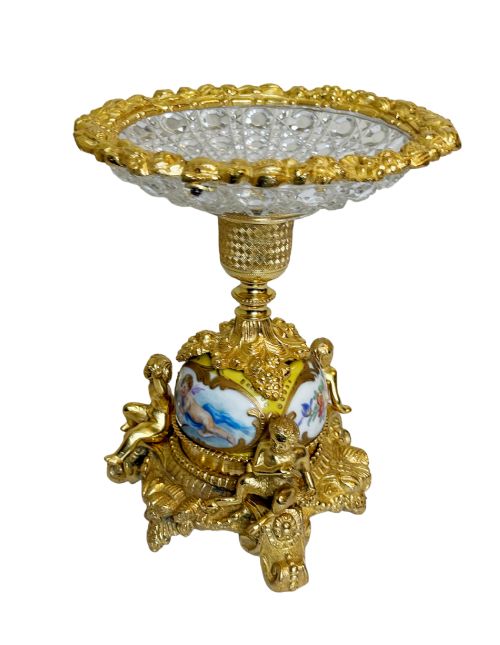
- A shallow saucer-shaped vessel or ornamental cup elevated on a stem and foot. These pieces appear in bronze and marble combinations.
- Parquetry
- Geometric wood mosaic work used for surface decoration on tables and cabinets. Artisans arrange contrasting veneers to form patterns.
French Style Pedestal: Frequently Asked Questions
What is a French style pedestal used for?
These pieces function primarily to display sculpture, urns, lamps, or decorative objects at elevated heights within domestic spaces. They provide a stable upright surface that adds architectural interest to corners or empty wall spaces.
Beyond simple display, many variations incorporate small tabletops or cabinets to serve functional roles beside seating or in hallways. Their compact footprints allow them to occupy minimal floor space while delivering strong visual presence.
How do I identify a nineteenth-century piece?
Nineteenth-century examples frequently show hand-turned wooden columns, hand-chased bronze ormolu, and natural stone slabs fixed with traditional adhesives or wooden blocks. Examining the underside of tops and the interior construction reveals period joinery methods.
Stylistic cues such as Empire or Neoclassical motifs provide further context for dating. Comparing the weight and material density helps distinguish older cast metals and dense hardwoods from later reproductions.
Where should I place a pedestal in a room?
Pedestals suit corners, blank wall stretches, or flanking positions beside doorways where vertical lines break up horizontal furniture arrangements. They work effectively when topped with contrasting objects like bronze urns or crystal centrepieces.
Ensure the surrounding floor space allows adequate clearance so the piece can be viewed from multiple angles. Matching the timber or metal finish to existing furnishings helps integrate the pedestal into the broader interior scheme.
What materials are common in these items?
Mahogany, walnut, and kingwood form the primary wooden structures, often enhanced with marquetry or polished finishes. Metal elements typically involve brass, bronze, and gilt bronze ormolu mounts.
Upper surfaces frequently feature marble or onyx slabs chosen for their polished appearance and cool tactility. Wrought iron and cast iron appear in pieces designed for garden or bistro contexts.