
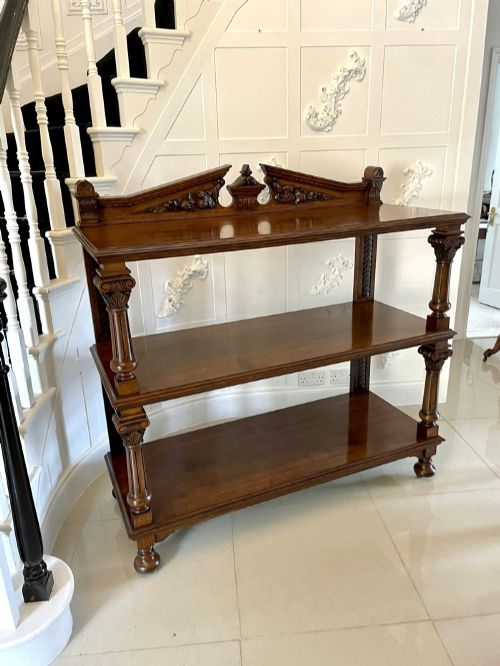
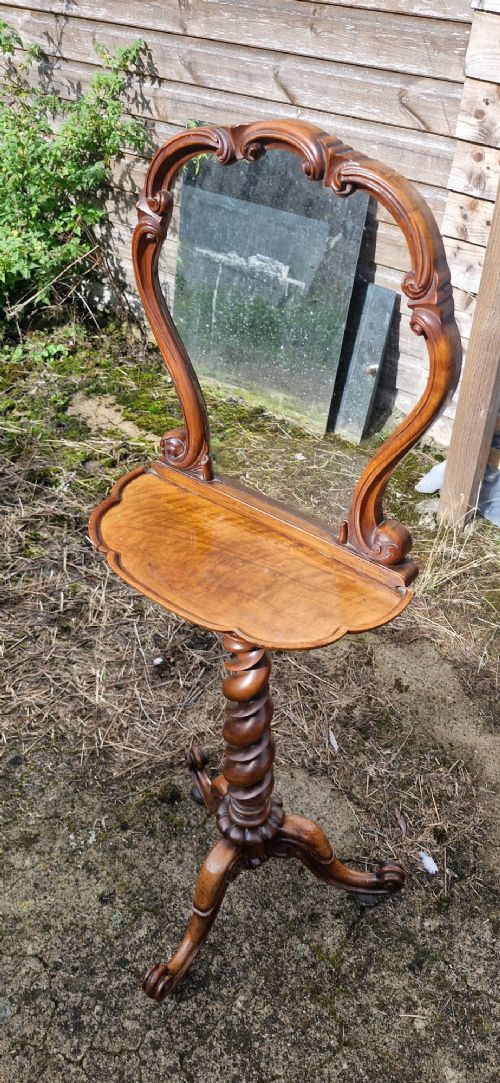
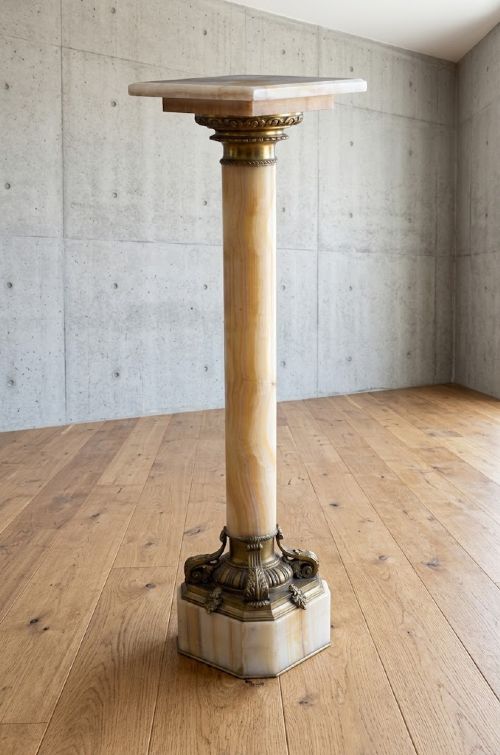
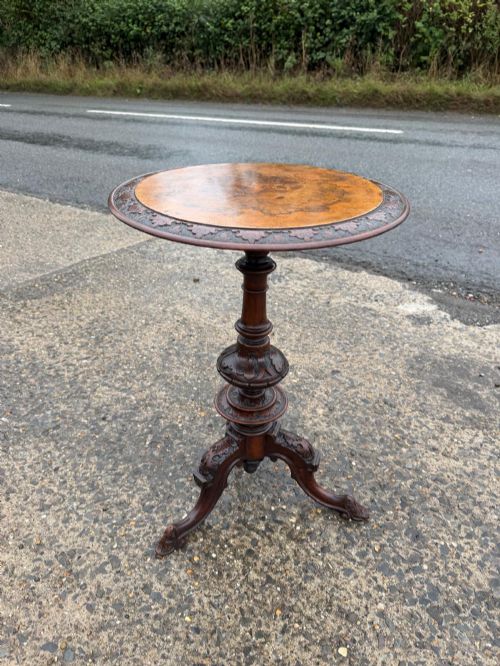
Victorian Column Stand
When you select a victorian column stand, you introduce architectural poise and vertical interest to an interior using time-honoured materials like mahogany, brass and marble.
Victorian Column Stand
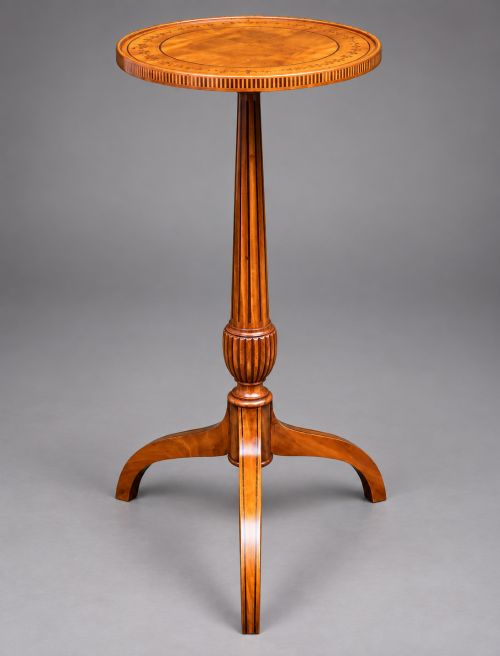
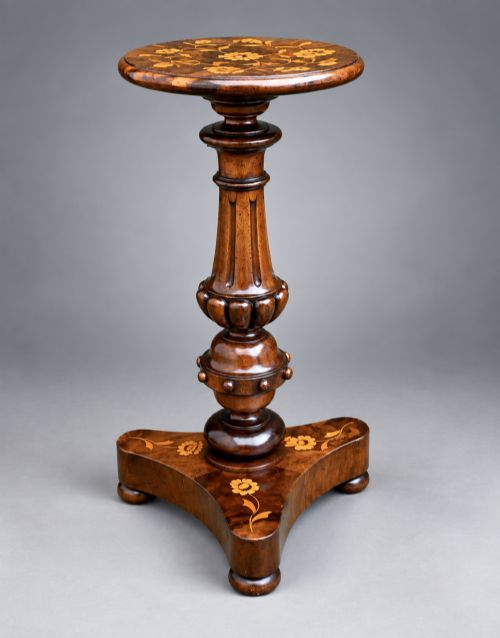
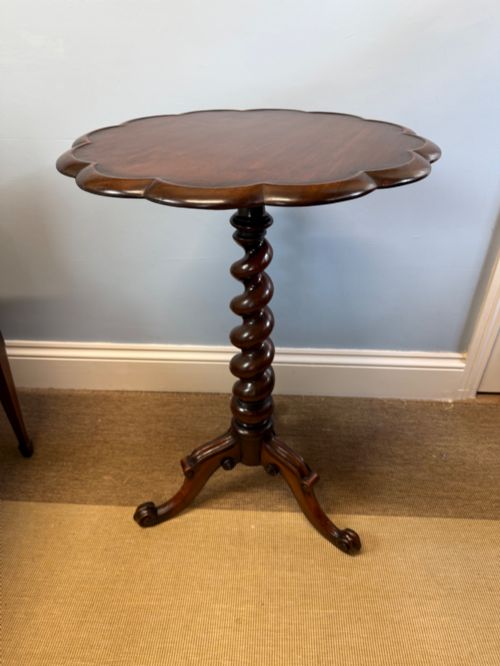
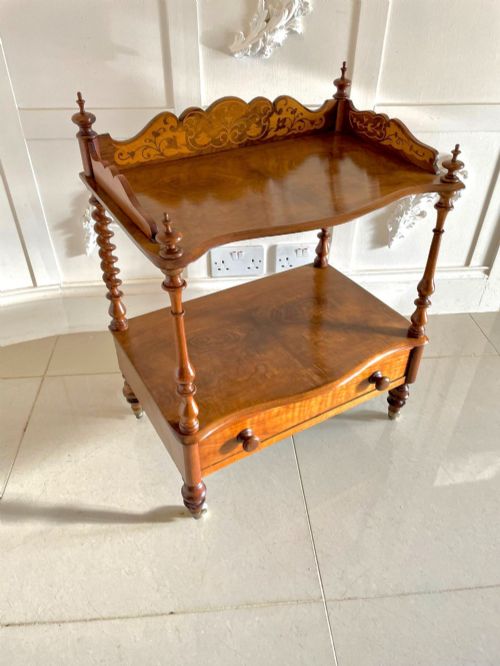
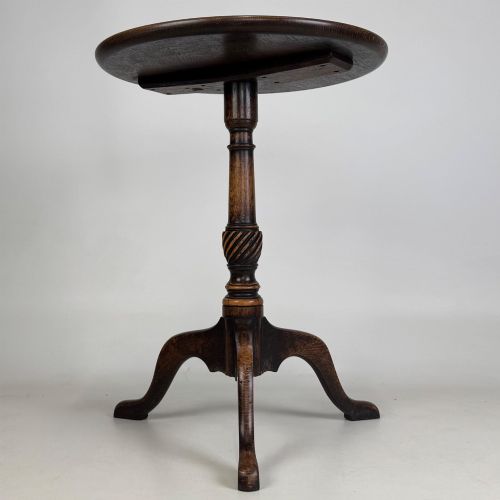
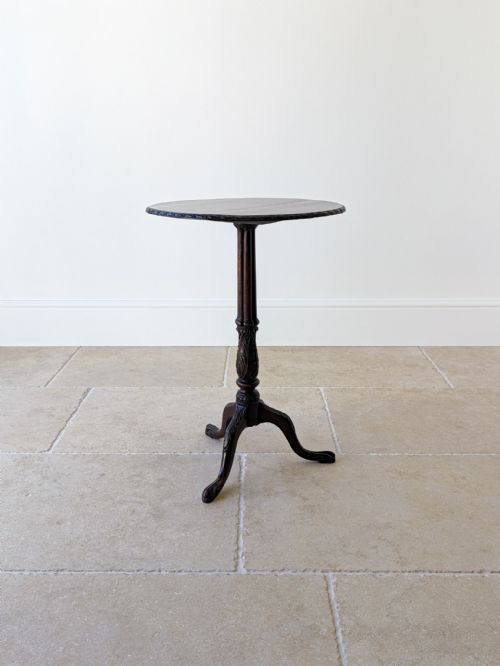
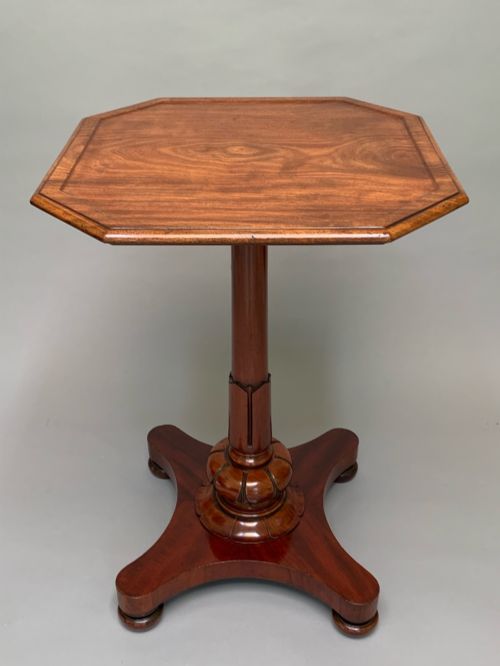
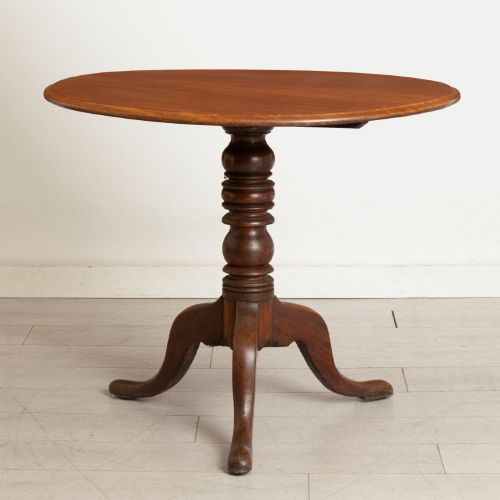
A victorian column stand encompasses a diverse group of vertical furnishings designed to elevate plants, lamps, busts and decorative objects within nineteenth-century domestic spaces.
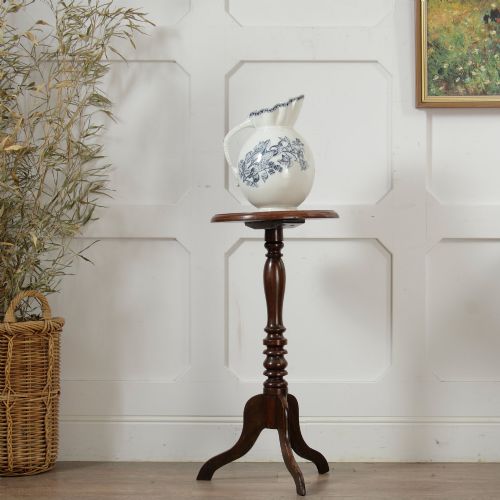
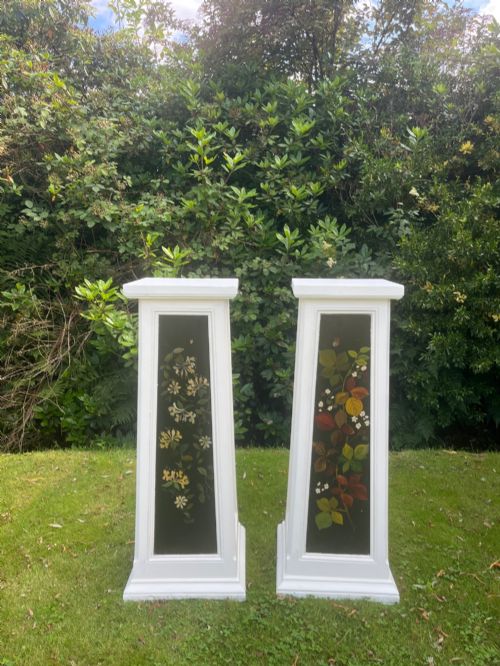
The most common examples on this page take the form of tall wooden torchères, architectural brass oil lamp standards with Corinthian capitals, and ceramic or marble pedestals.
Origins stretch across English workshops and continental makers influenced by Classical Revival, Aesthetic Movement and Neoclassical design principles.
Materials and Technique
Cabinet makers utilised dense hardwoods such as mahogany, walnut and oak, often employing turning, carving and ebonising techniques to achieve sculptural silhouettes.
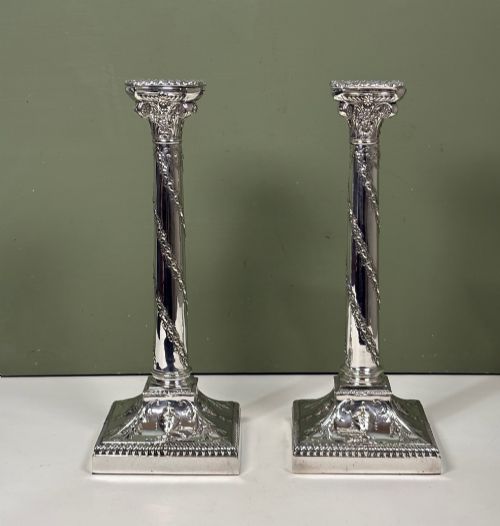
Metal components relied on heavy brass castings, sometimes paired with silver plate or ormolu collars, particularly on standard lamps and classical candlesticks.
Surface decoration incorporated inlaid burr woods, painted finishes, terracotta, majolica tiles and honey-coloured marble sections to introduce rich textural contrast.
Standards of Execution
Superior examples display crisp, hand-carved detailing on capitals and pedestals, whereas lesser pieces rely on simpler machine turnings or plain mouldings.
The choice of primary timber and secondary veneers dictates the tactile weight and visual depth of wooden stands, with burr walnut and figured mahogany marking the upper tiers.
Structural stability depends upon the integrity of tripod bases or weighted iron cores within brass columns, ensuring a secure platform for heavy display items.
Shoolbred·Dunfermline Clay Company
The Victorian Column Stand Glossary
- Torchère
- A tall, slender stand designed specifically to support a lamp, vase or candle. These pieces utilise small circular tops supported by single pillars or tripod legs.
- Corinthian column
- An architectural order featuring an ornate capital decorated with acanthus leaves. This motif appears frequently on nineteenth-century brass standard lamps and candlesticks.
- Jardinière
- A decorative receptacle or stand for holding plants and flowers. They frequently incorporate majolica tiles, terracotta or carved wood.
- Ebonised
- Wood treated with a dark stain or finish to imitate ebony. This technique gained significant popularity during the Aesthetic Movement.
- Ormolu
- Gilded bronze applied as decorative mounts to furniture and columns. It provides bright metallic contrast against dark walnut or mahogany surfaces.
Victorian Column Stand: Frequently Asked Questions
What is a torchère used for?
A torchère serves as an elevated display platform for displaying lamps, floral arrangements, or sculptural busts. They place decorative objects at eye level within a room.
Historically, these tall stands held lighting devices to illuminate dark corners of Victorian drawing rooms. Today, collectors utilise them similarly to showcase plants or art.
How do I identify a Victorian standard lamp?
Nineteenth-century standard lamps frequently feature heavy brass columns terminating in Corinthian capitals. Many incorporate adjustable telescopic mechanisms for altering height.
Earlier iterations were designed for oil before conversion to electricity. Look for solid cast bases and quality metalwork characteristic of the period.
Are these stands stable enough for heavy plants?
Most column stands and pedestals are engineered with weighted bases or sturdy tripod legs to support significant weight. Solid timber and marble examples offer natural gravity-based stability.
When placing heavy ceramic planters or large bronze figures, verify that the central shaft and joints remain tight and secure.
What woods were used for nineteenth century pedestals?
Cabinet makers predominantly selected mahogany, walnut and oak for structural columns and display tables. Burr veneers frequently embellished table tops for added visual texture.
Ebonised pine and fruitwoods also appear, particularly in pieces influenced by the Aesthetic Movement or classical revival styles.