



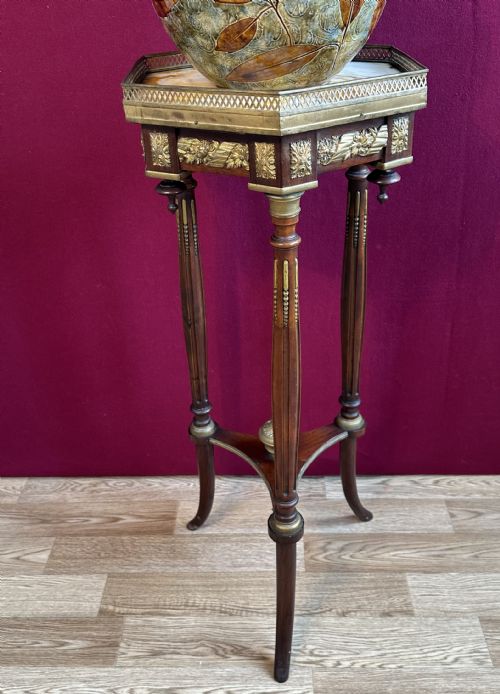


Vintage Indoor Plant Stand
A vintage indoor plant stand elevates greenery inside the home, joining practical display with period design.
Vintage Indoor Plant Stand
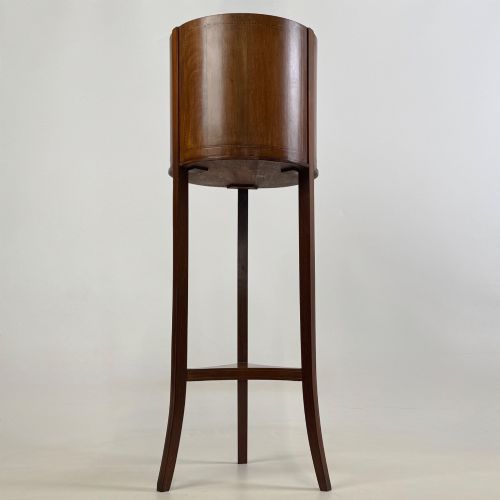
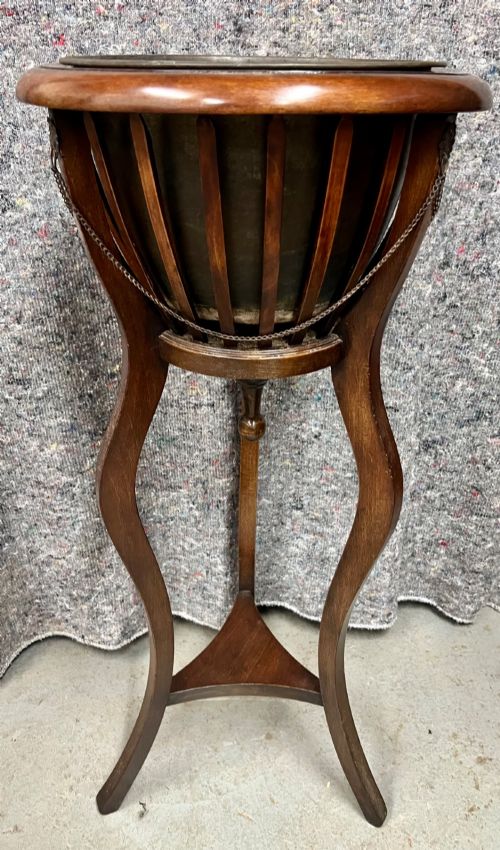
A vintage indoor plant stand provides a raised stage for greenery, taking forms such as plant stands, jardinieres, planters and cachepots, and pedestals. When searching for a vintage indoor plant stand, buyers encounter pieces spanning the Georgian, Victorian, Edwardian, and twentieth-century periods.
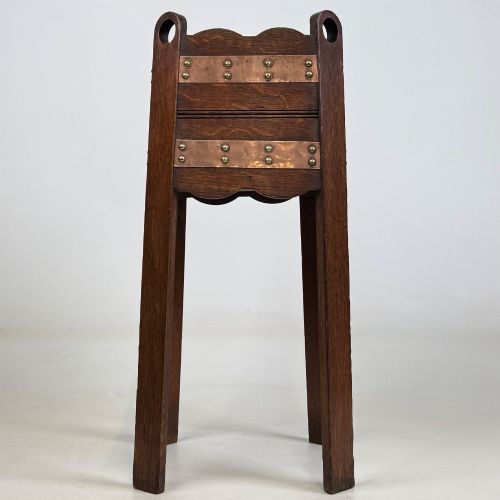
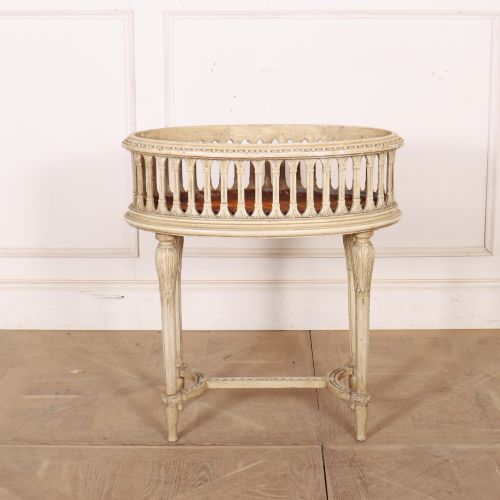
The selection ranges from simple oak and mahogany tripod supports to ornate French-style ormolu-mounted kingwood and satinwood pieces featuring porcelain plaques. Many examples incorporate metal liners or coopered wooden barrels designed to hold water safely.
Edwardian and nineteenth-century designs dominate the selection, often showcasing inlaid woodwork, marquetry, and carved details. These items bring functional botanical display into interior spaces with distinct historical character.
How they were made
Cabinetmakers utilised dense hardwoods including mahogany, oak, walnut, satinwood, and kingwood, frequently employing fine marquetry, box tree elements, and intricate inlay to ornament the surfaces. Turning and carving shape the structural supports and legs of these stands.
Metal components such as brass, copper, and ormolu provide structural mounts, gallery rails, and watertight liners for holding plants. Porcelain plaques and earthenware pottery insert into frames or sit atop stands to hold soil and stems.
Several stands use coopered barrel construction, proving that seventeenth-century brewing techniques make surprisingly charming homes for indoor ferns.
What varies in quality
The standard of execution in timber selection and inlay work separates standard utility items from finer decorative pieces. The crispness of cast ormolu mounts and the preservation of original metal liners also influence the overall character of a stand.
Cohesion of style and period integrity dictate the stature of each piece, where unified design between the stand and its planter creates a more complete object.
Enoch Wood And Sons·Royal Worcester
The Vintage Indoor Plant Stand Glossary
- Jardiniere
- An ornamental pot or stand for holding plants or flowers. They often sit on tall pedestals or feature low decorative feet.
- Cachepot
- A decorative container used to conceal an ordinary flower pot. These frequently sit within a dedicated stand or frame.
- Ormolu
- Gilded bronze or brass applied as decorative mounts on furniture and plant stands. It gained wide use in French revival pieces.
- Marquetry
- Decorative woodwork where pieces of veneer are fitted into a design on a structural panel. Walnut and satinwood often receive this treatment.
- Coopered
- Wood construction using narrow staves bound together with metal bands, similar to barrel making. This technique keeps wooden plant holders watertight.
Vintage Indoor Plant Stand: Frequently Asked Questions
How were vintage plant stands used?
These stands held potted ferns, palms, and flowering plants inside nineteenth and early twentieth-century reception rooms and parlours. They lifted greenery off cold floors and into better light near windows.
Water management mattered greatly to protect interior furnishings. Most stands incorporated metal liners, ceramic pots, or coopered wooden tubs to catch drainage.
What materials are most common?
Timbers like mahogany, walnut, oak, and satinwood form the primary structure of most examples. Cabinetmakers used these dense woods for durability and rich grain.
Metals such as brass, copper, and ormolu appear frequently as liners, mounts, and decorative feet. Porcelain and earthenware pots also integrate directly into the designs.
How do I date a plant stand?
Stylistic clues and construction methods indicate the period of manufacture. Georgian pieces lean toward simple mahogany forms, while Victorian and Edwardian examples often feature heavier carving, inlay, or ormolu mounts.
Materials and hardware provide further context. Machine-cut screws and specific timber treatments help narrow down the decade of production.
Can I use them for modern plants?
Many vintage stands remain fully functional for contemporary houseplants. Their proportions suit standard modern pot sizes well.
Protecting historic timber and metal liners from standing water remains important. Using a separate inner plastic pot helps preserve the original condition of the piece.