


Victorian Brass Pedestal
These Victorian brass pedestal pieces bring nineteenth-century metalwork and heavy timber into a room with genuine weight.
Victorian Brass Pedestal
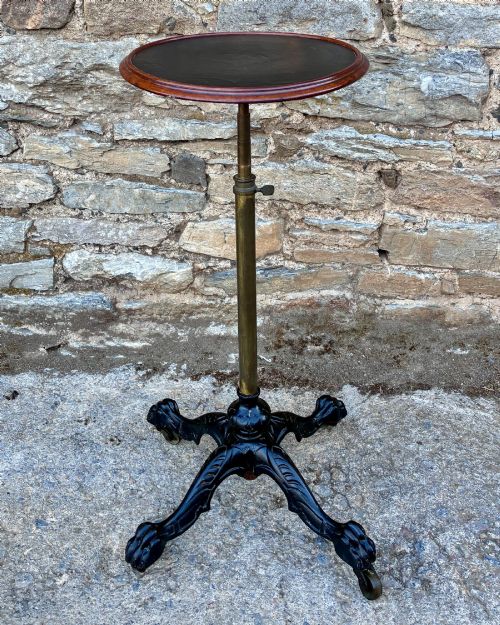
When you search for a Victorian brass pedestal, you encounter items ranging from hefty column oil lamps and planters to structural desk mounts and jardinières. The period spans from the mid-nineteenth century up to nineteen hundred, encompassing both domestic lighting and structural fittings.
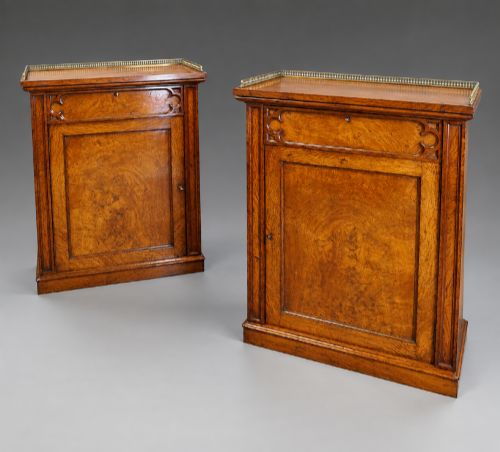
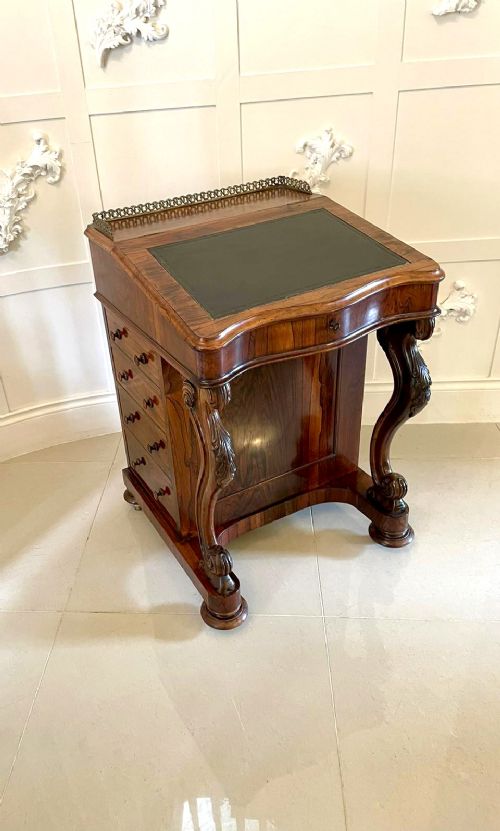
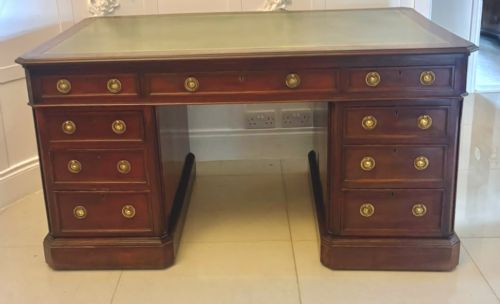
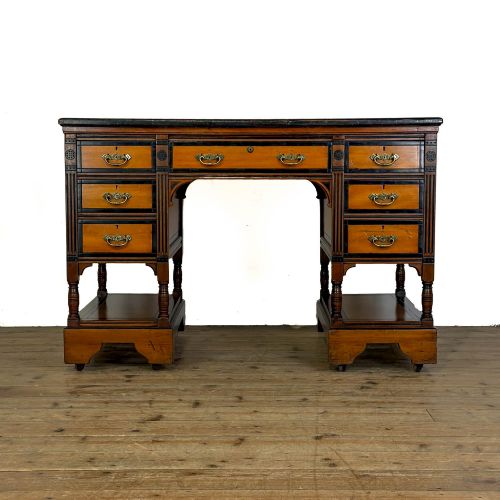
The version you are most likely to meet on this page is either a tall column table lamp or a sturdy desk fitting incorporating brass mounts. These pieces frequently combine cast brass columns or feet with timbers such as mahogany, oak, and walnut.
Originating largely from British workshops and London firms, these items reflect the diverse stylistic revivals of the nineteenth century. They served practical domestic roles in studies, drawing rooms, and dining spaces.
Assessing quality
The distinction between standard items and the finest work lies in the crispness of the metal casting and the precision of the turning. Superior brass pedestals retain sharp fluting and clean detailing on capitals without smoothing from over-cleaning.
Material selection and structural integration drive the upper tier of the range. Solid timber framing, substantial gauge brass components, and original glass or ceramic elements separate standard utility pieces from workshop-marked examples.
Church altar vases occasionally moonlight as secular pedestal bowls on these pages, proving that ecclesiastical surplus makes surprisingly splendid living room ornament.
Hewetsons London·Trollope and sons·Edwards and Roberts·Bertram and Sons·Benetfink and Co
The Victorian Brass Pedestal Glossary
- Corinthian column
- A classical architectural column style featuring ornate acanthus leaves on the capital, frequently utilised for nineteenth-century table lamps.
- Jardiniere
- An ornamental stand or pot designed to hold plants or flowers, often manufactured in brass or ceramic during the Victorian period.
- Pedestal desk
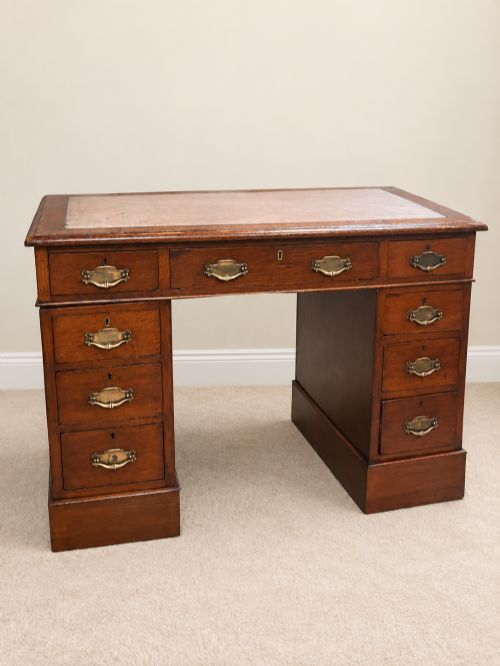
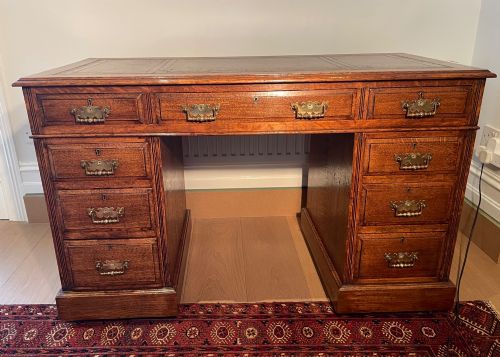
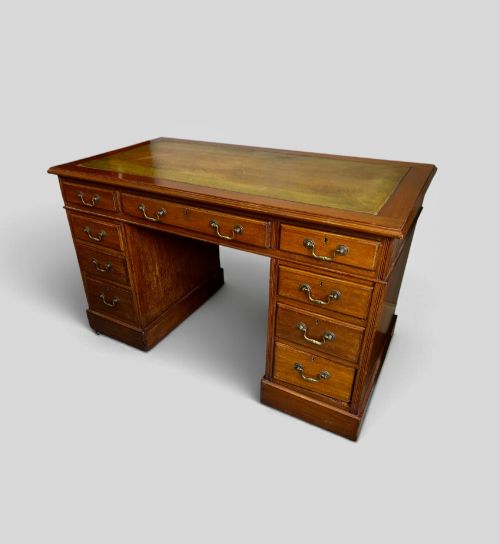
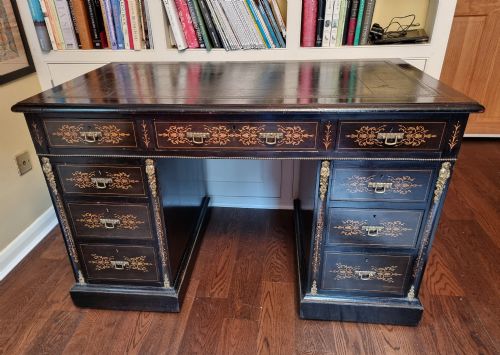
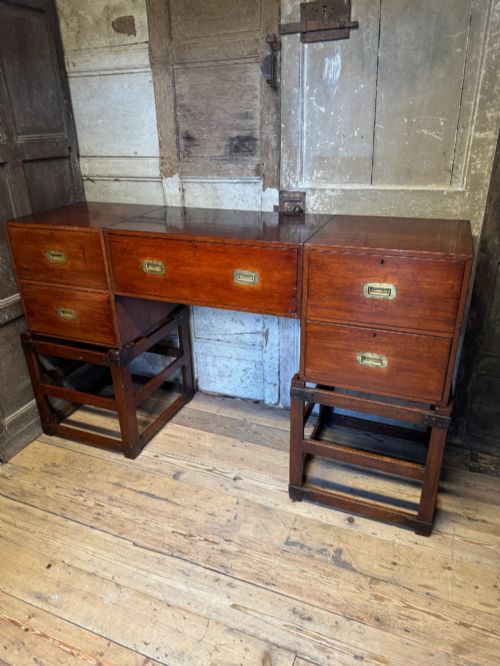
- A heavy double-sided or single-sided writing table supported by two banks of drawers rather than simple legs.
- Pontypool ware
- A type of tinplate metalware finished with lacquer and painted decoration, associated with British manufacturing traditions.
- Partners desk
- A large writing table designed for two people to work opposite one another, typically featuring drawers on both long sides.
Victorian Brass Pedestal: Frequently Asked Questions
How were brass pedestal lamps used?
These lamps provided crucial interior illumination in nineteenth-century homes before widespread electricity. They sat upon tables or sideboards, utilising oil and glass shades to cast steady light.
Over time, many of these metal columns transitioned into domestic decorative objects or received later conversions for electric lighting while retaining their original bases.
What rooms suit a brass pedestal?
Tall column lamps and planters fit easily into studies, hallways, and living spaces where they add vertical metallic contrast. Their substantial weight anchors them effectively in traditional interiors.
When paired with wooden desks or side tables, the brass elements introduce warmth and reflective texture without overwhelming smaller spaces.
How do I identify Victorian pieces?
Examine the construction methods, materials, and stylistic cues present in the piece. Nineteenth-century examples often employ dense timbers like mahogany and walnut alongside heavy cast brass.
Look for maker stamps, construction wear appropriate for age, and stylistic indicators such as Corinthian capitals or Aesthetic Movement details.
Are these items purely decorative?
While many pieces now serve primarily aesthetic roles, they originated as functional household goods. Oil lamps, planters, and heavy desks were built for daily utility.
Living with them today involves appreciating their original mechanical function alongside their solid construction and period craftsmanship.