



French Country Planter
These French country planter options bring rustic utility and weathered charm to gardens and interiors.
French Country Planter
A french country planter covers a range of robust vessels designed for botanical and agricultural use across rural properties. Buyers searching this phrase will find pieces spanning several centuries, shaped by utilitarian needs in gardens, chateaux, and farmhouses.
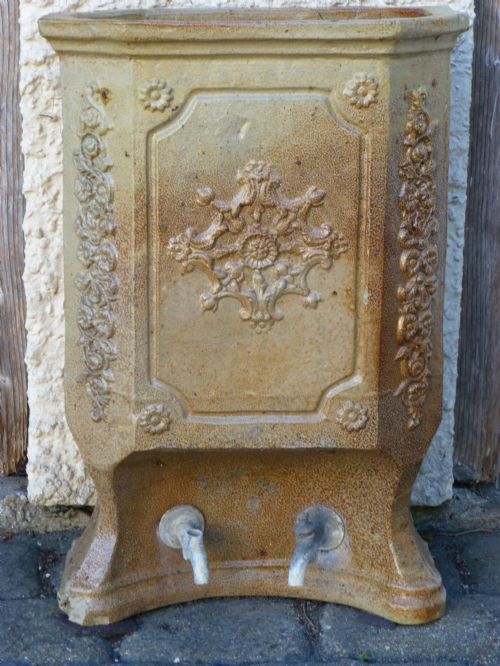
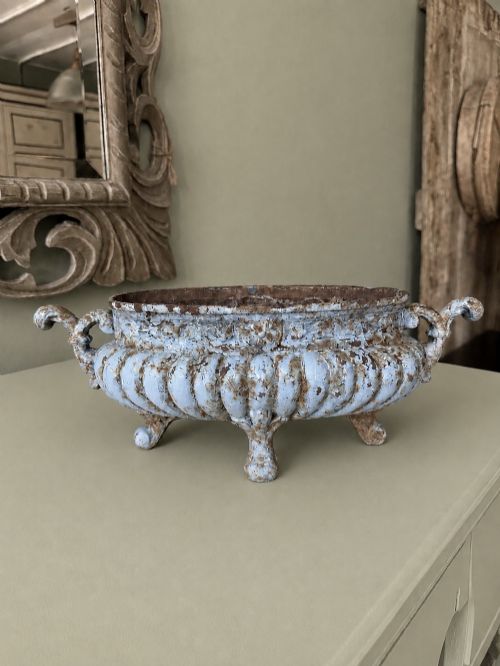
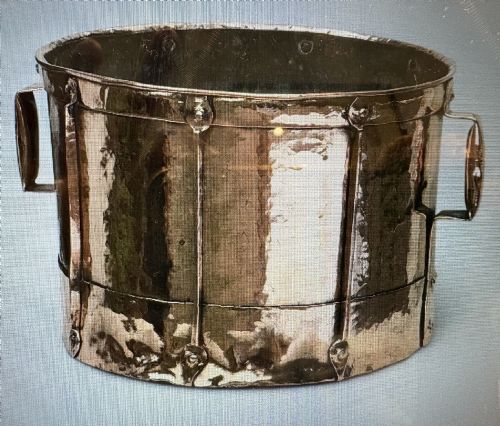
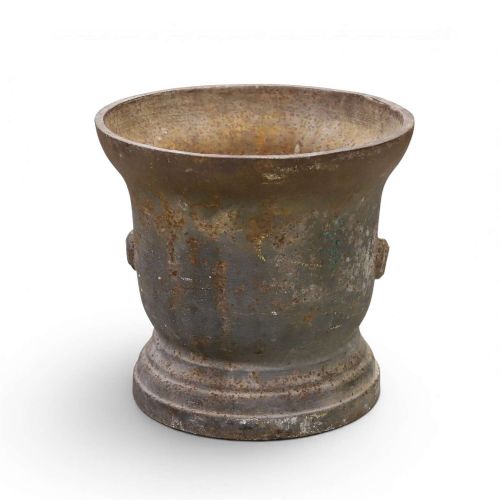
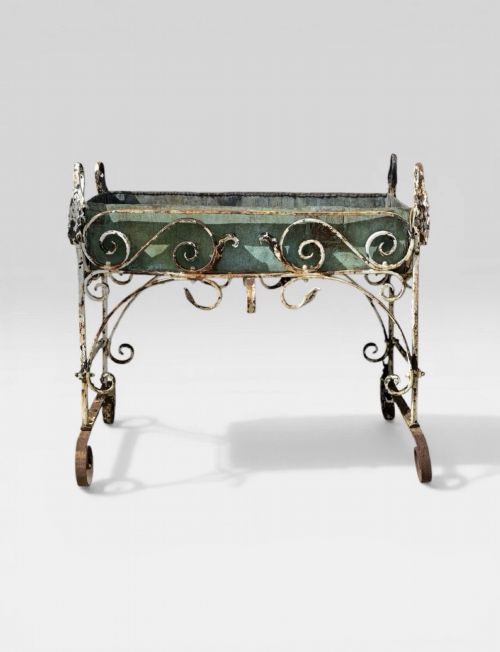
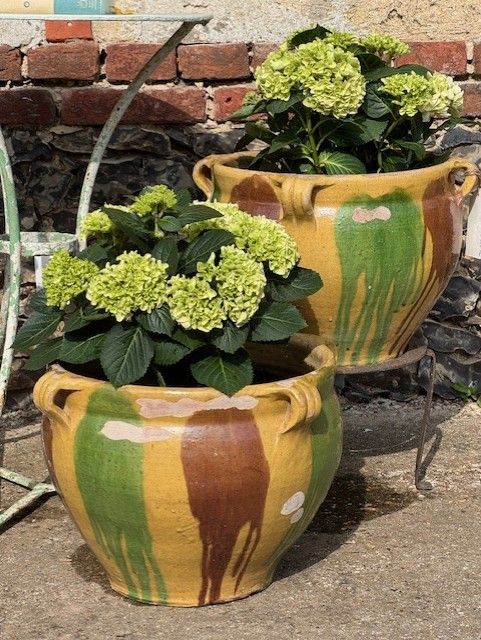
The most common examples on this page are cast iron jardinieres, copper ferrats, and glazed terracotta vessels from the nineteenth century. These objects transition easily from working agricultural containers to decorative garden ornaments.
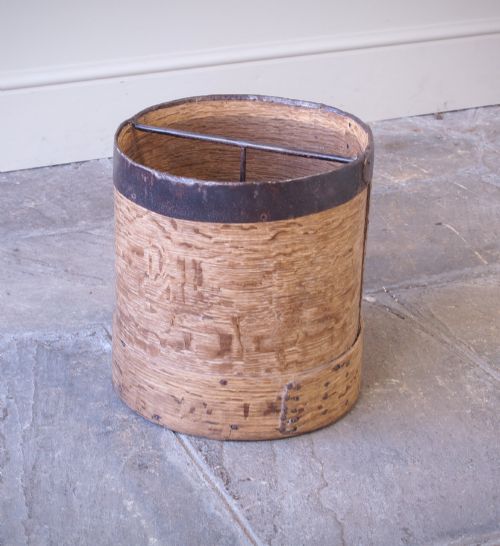
Forms extend beyond standard pots to include wooden grain measures, zinc containers, and specialised pots designed for orange trees. Each type reflects the practical domestic and estate requirements of its period.
How They Were Made
Makers shaped these pieces from durable metals and fired earth, utilising cast iron, copper, wrought iron, zinc, and terracotta. Copper vessels often feature iron attachments, while stoneware and terracotta rely on traditional glazing techniques.
Construction methods prioritize function, resulting in handmade confit jars, riveted metal containers, and sturdy cast forms. Surface finishes range from natural patinas and paint to salt glazes and drip glazes applied in regional potteries.
Several vessels started life measuring grain or storing duck fat before retiring to a life of holding geraniums.
What Varies in Quality
Quality rests in the integrity of the material and the character of the surface wear accumulated over decades of use. Cast iron pieces with crisp detailing and copper vessels with heavy, honest patinas stand apart from routine examples.
Regional execution dictates the appeal of ceramic and terracotta items, where deliberate glaze effects and substantial potting walls indicate superior workshop production. The balance between utilitarian strength and refined proportion defines the better specimens.
The French Country Planter Glossary
- Ferrat
- A traditional French copper or metal container used historically for agricultural tasks such as measuring grain. These vessels feature sturdy handles and heavy metal construction.
- Jardiniere
- A decorative ornamental pot or stand designed to hold growing plants indoors or on a patio. They appear in cast iron, ceramic, and gilded wood.
- Salt Glaze
- A glossy, slightly textured finish achieved by throwing salt into the kiln during high-temperature firing of stoneware. This creates an impermeable surface with a characteristic orange-peel texture.
- Confit Jar
- A heavy earthenware jar produced in rural France for preserving food and fat. These vessels typically display rich glazes on the upper portion and unglazed terracotta below.
- Faience
- Tinned earthenware decorated with coloured metal oxides over an opaque white glaze. Examples from historic production centres display painted motifs.
French Country Planter: Frequently Asked Questions
How were these planters used originally?
These vessels served practical roles in French rural life, holding grain, water, or citrus trees on estates and farms.
Over time, utility gave way to decorative display as gardeners repurposed them for botanical displays.
Are these planters suitable for outdoor gardens?
Many materials like cast iron, zinc, and thick terracotta withstand exterior conditions through seasonal changes.
Metal vessels develop protective patinas outdoors, though freezing water can occasionally stress saturated earthenware.
How do I identify a nineteenth-century piece?
Nineteenth-century items typically exhibit hand-beaten metal construction, heavy cast iron moulding, or traditional salt glazing.
Tool marks and natural wear patterns offer clear indicators of period production methods.
What is a French copper ferrat?
A ferrat is a specialised copper container historically utilised for measuring and holding agricultural yields.
Their robust construction and integrated iron handles make them durable for modern planting.