




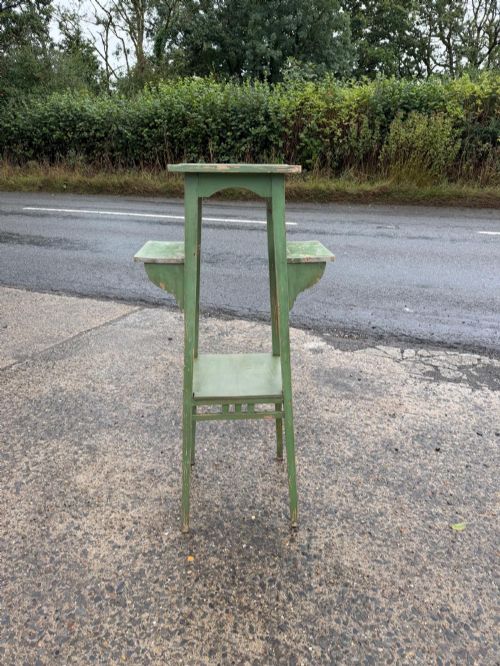
Antique Jardiniere Table
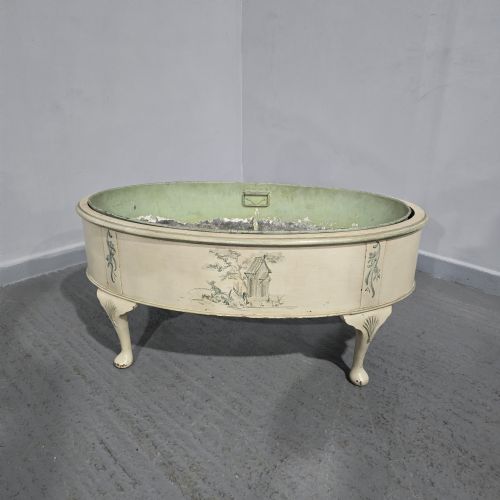
An antique jardiniere table brings plant display indoors with architectural grace, offering a dedicated stage for greenery or flowers.
Antique Jardiniere Table
An antique jardiniere table functions primarily as an elevated stand or small occasional table designed to hold potted plants, ferns, or floral arrangements within domestic interiors. These pieces frequently double as plant stands, occasional tables, or wine coolers depending on their depth and lining.
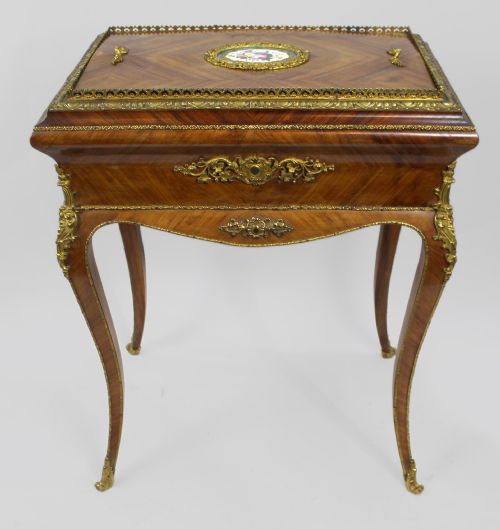
The selections available here span diverse regional traditions, encompassing French Napoleon III and Regency designs alongside English Edwardian and Victorian creations. Buyers will also encounter Oriental hardwood and Chinese export pieces featuring inset marble tops suited for heavy pots.
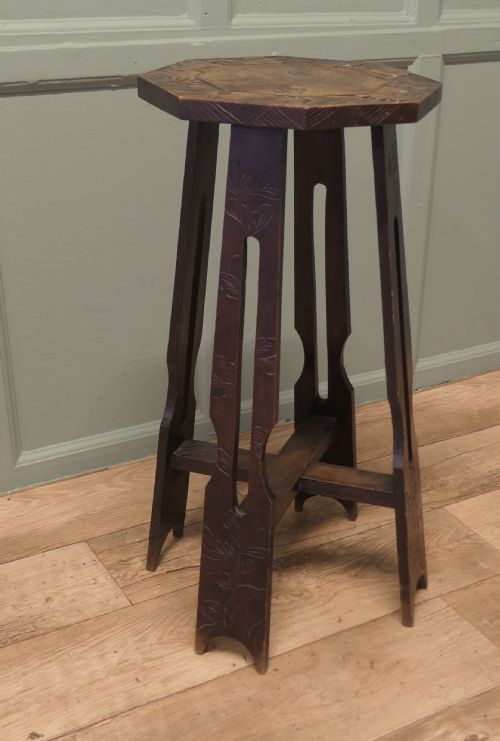
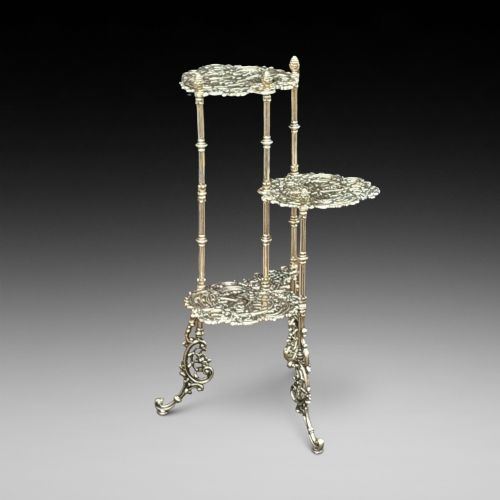
Many examples incorporate multiple tiers, lift-off lids, or integrated metal liners designed to catch drainage water from living plants. Their physical forms range from tall slender pedestals to low side tables with dedicated plant wells.
What varies in quality
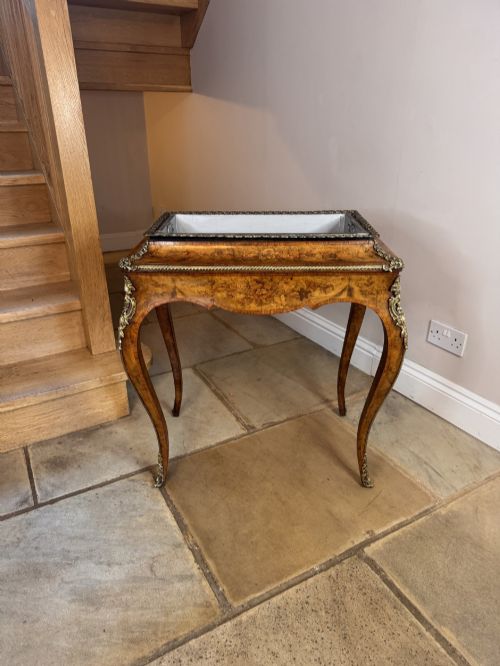
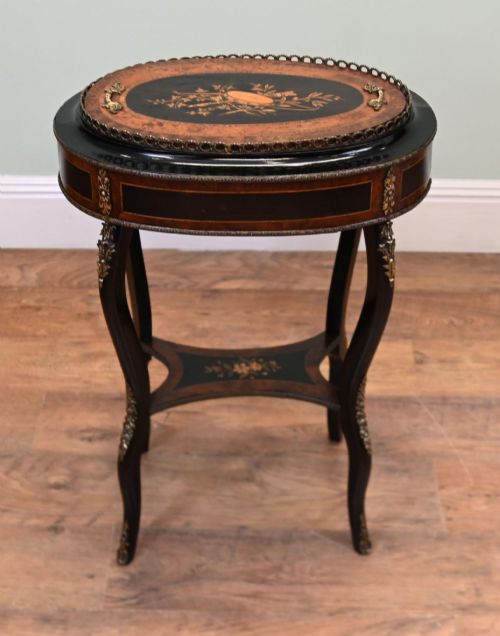
The ambition of the timber selection and the precision of the marquetry inlay establish the baseline distinction between standard utility items and high-end salon pieces. Elaborate French ormolu mounts and hand-painted porcelain plaques elevate the decorative complexity significantly.
Structural integrity depends on the joinery used to support the weight of heavy soil and wet ceramic pots over decades of use. Tables retaining their original metal liners and functional lift-off lids demonstrate greater completeness.
Antique Jardiniere Table Retail Price Guide 2026
Typical asking prices for jardiniere table among the pieces listed under this phrase on Sellingantiques today, from the lower quarter to the upper quarter. They describe what is for sale here now, not the wider market.
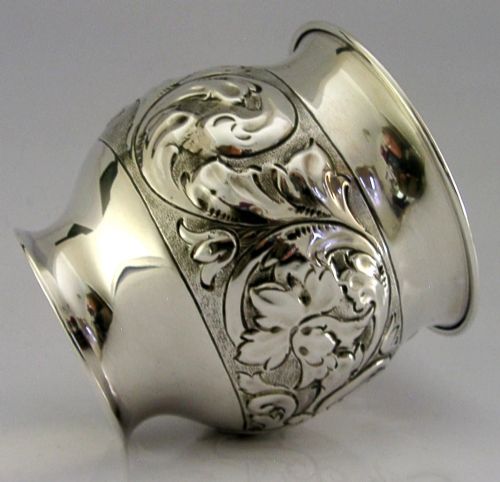
Materials recorded across the inventory include marble, brass, hardwood, ormolu, oak, mahogany, porcelain, and silver plate.
Liberty of London
The Antique Jardiniere Table Glossary
- Jardiniere
- A decorative pot or stand for holding plants or flowers. Originating from the French word for gardener, it defines the primary vessel or table designed for indoor horticulture.
- Ormolu
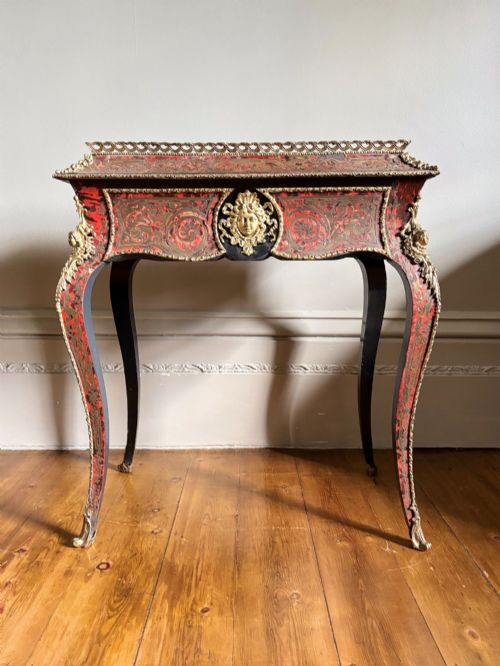
- Gilded bronze applied as an ornamental mount on furniture. It provides a bright metallic contrast to dark hardwoods like mahogany and walnut.
- Marquetry
- Decorative veneer work arranged in intricate patterns using various coloured woods. Craftsmen cut thin slices of timber to form pictorial or geometric designs across the tabletop.
- Boulle
- A style of marquetry using brass and tortoiseshell inlaid into furniture surfaces. Named after a French cabinetmaker, it appears on elaborate nineteenth-century pieces.
- Torcherere
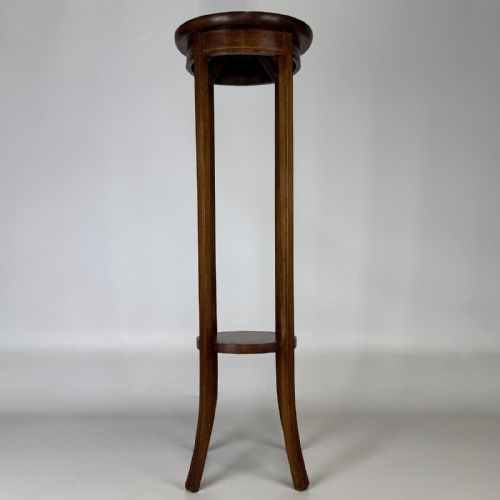
- A tall stand designed to hold a light or plant. These slender pedestals lift displays to eye level within a room.
Antique Jardiniere Table: Frequently Asked Questions
What is an antique jardiniere table?
An antique jardiniere table is a specialised piece of furniture built to display indoor plants, ferns, or floral arrangements at a comfortable height. They often feature waterproof liners or marble surfaces to protect the wood from moisture.
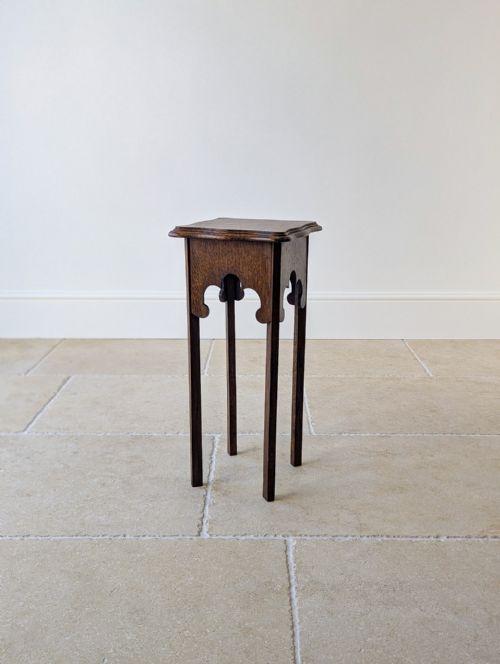
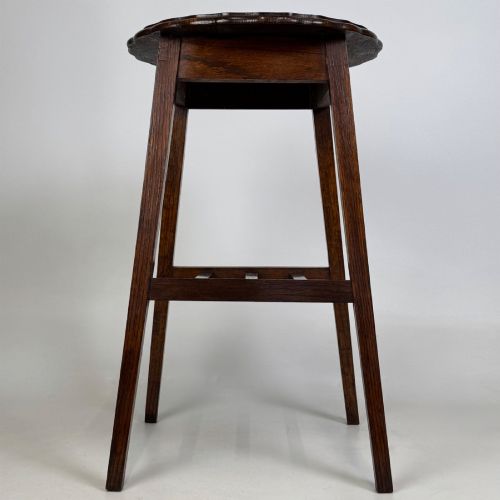
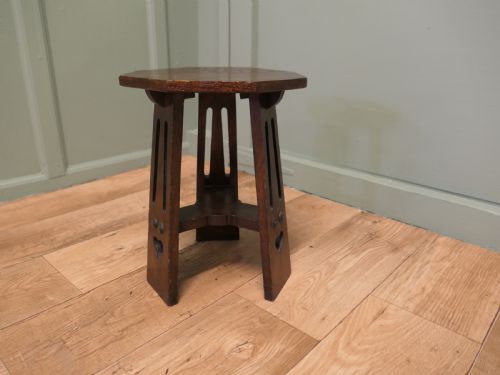
These tables combine the utility of a planter with the craftsmanship of a high-end occasional table. They appear in various regional styles, from French marquetry to English Arts and Crafts oak.
How were jardiniere tables used?
Victorian and Edwardian households utilised these tables to bring living greenery into parlours, drawing rooms, and conservatories. The raised platform kept heavy pots off delicate carpets while showcasing prize botanical specimens.
Some designs included lower tiers for books or additional plants, while others featured removable liners that doubled as wine coolers or cellarettes. They served as both functional garden furniture indoors and decorative focal points.
How do I care for a marble top?
Marble surfaces require gentle cleaning with a damp cloth and mild soap to preserve the polish without scratching the stone. Acidic liquids like plant plant-food or water containing fertilizer should be wiped away immediately.
Using protective pads underneath heavy ceramic planters prevents scratching and staining. Regular dusting keeps the natural veining clear and vibrant.
How can I date an Edwardian plant stand?
Edwardian plant stands, produced between roughly one thousand nine hundred and nineteen hundred and ten, typically feature lighter timbers such as satinwood or inlaid mahogany. Their construction reflects a shift toward simpler, more domestic forms influenced by the Arts and Crafts movement.
Examining the secondary woods, screw types, and overall proportion helps distinguish these pieces from heavier Victorian predecessors. Maker marks or retailer labels, when present, offer the most precise chronological indicator.