
Vintage Plant Table
These vintage plant table pieces offer sturdy timber surfaces for displaying flora, combining functional design with period charm.
Vintage Plant Table
A vintage plant table serves as a decorative surface for holding indoor flora, appearing in formats ranging from dedicated tall stands to low occasional tables and multi-tiered shelving units. The pieces grouped under this search phrase span from the late nineteenth century through to the art deco period, drawing heavily on Victorian and Edwardian domestic traditions.
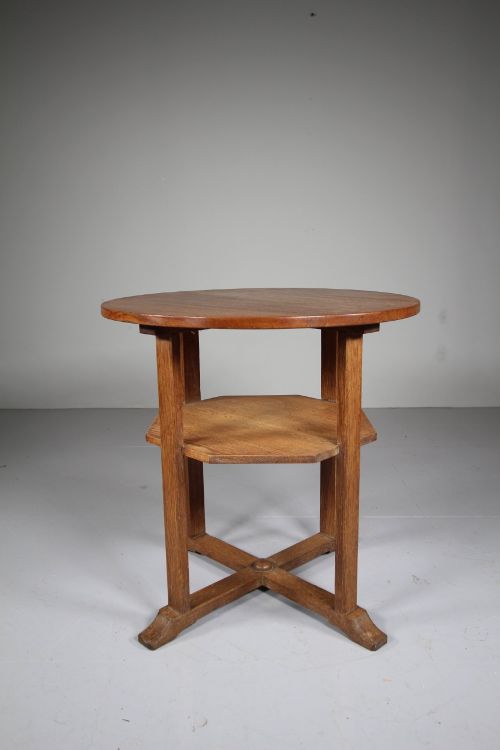
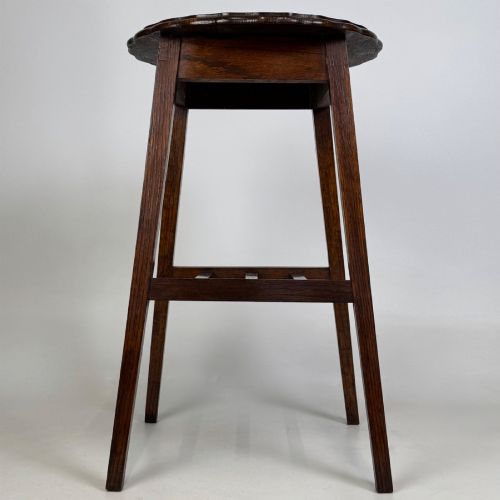
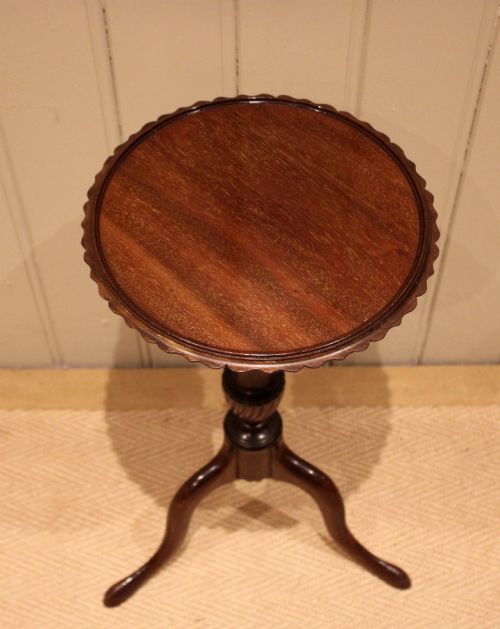
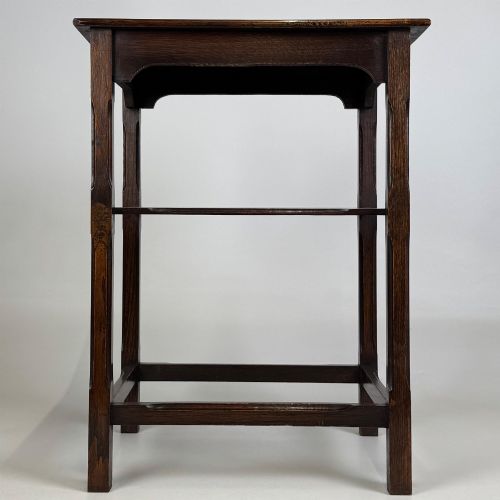
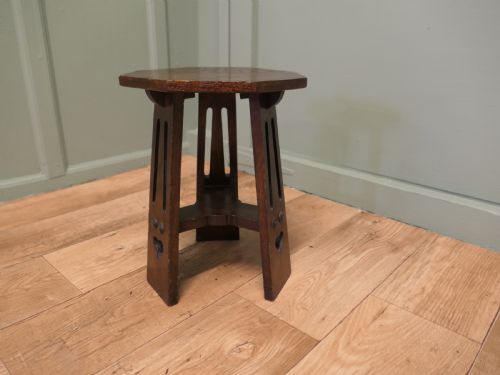
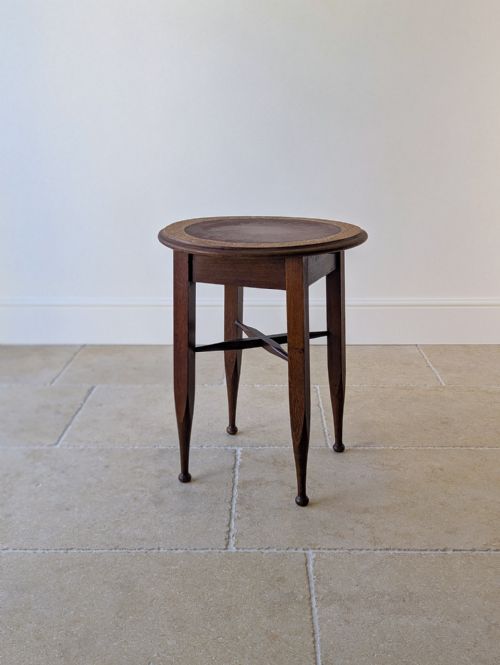
Buyers will most commonly encounter solid oak and mahogany designs from the Edwardian era, often displaying the characteristic plain or carved craftsmanship of arts and crafts workshops. These pieces frequently double as side tables, wine tables, or candle stands, reflecting a historical flexibility in home furnishing where plant displays shared space with daily domestic use.
Materials and construction methods
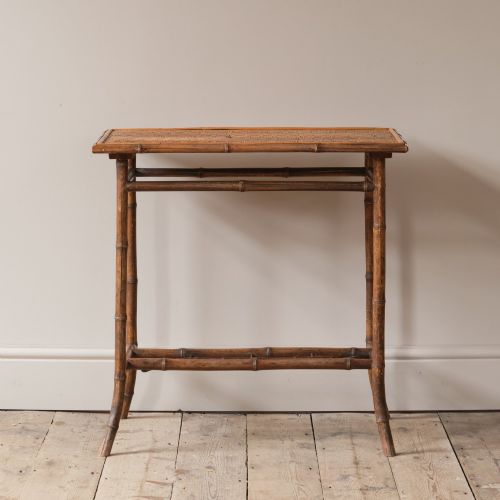
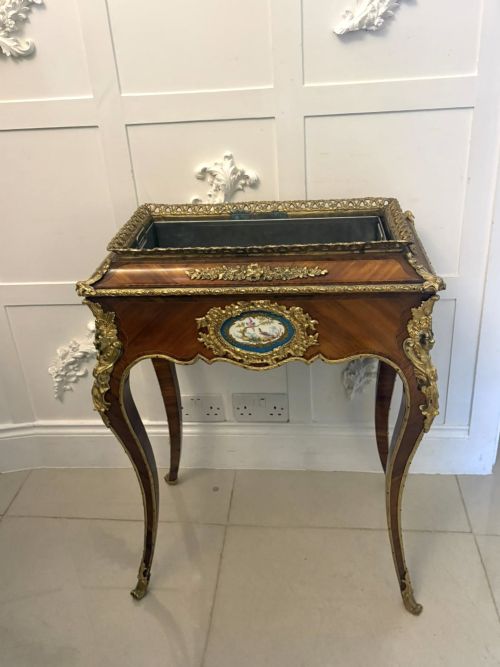
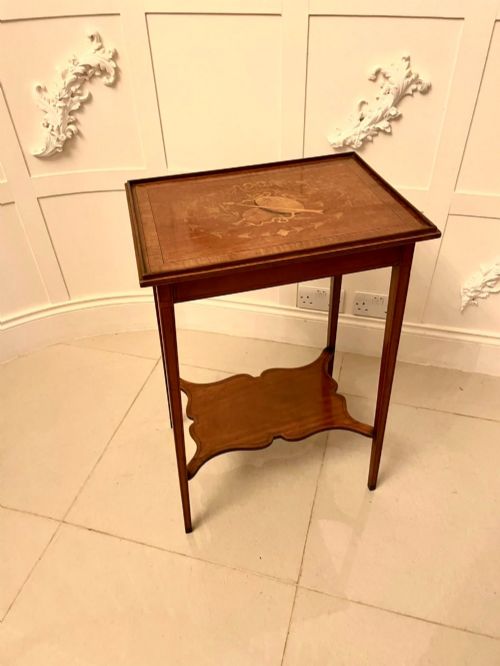
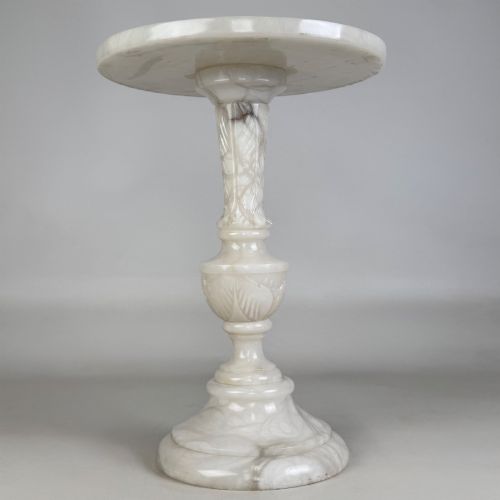
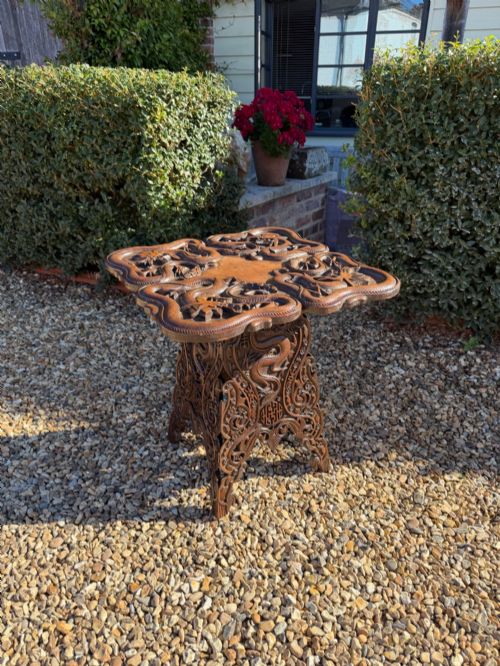
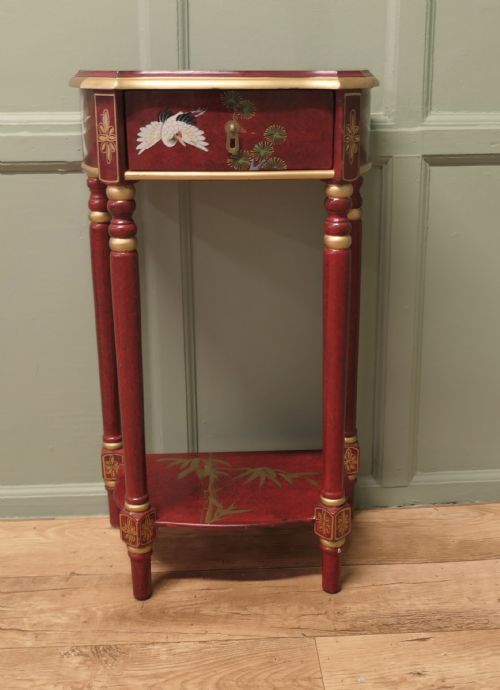
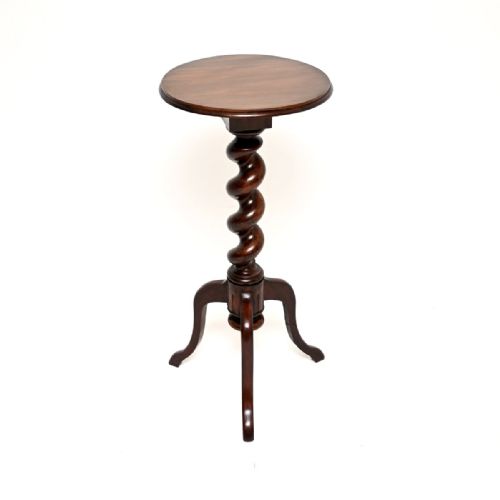
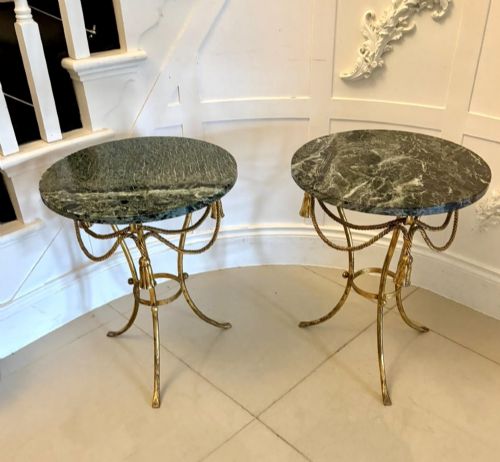
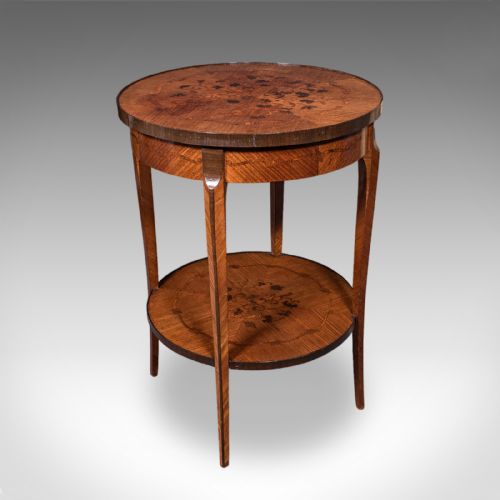
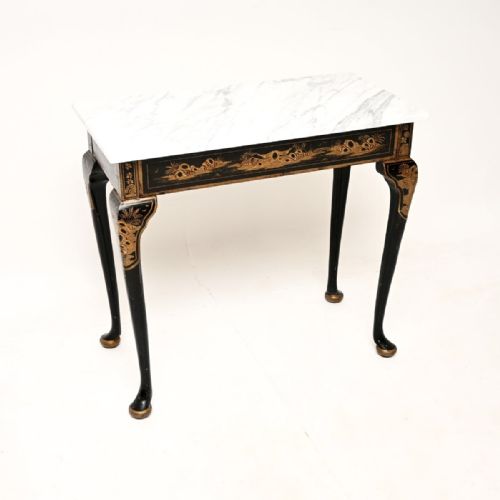
Makers relied primarily on traditional hardwoods such as oak, mahogany, walnut, and satinwood, frequently augmenting timber structures with contrasting materials like marble tops, brass mounts, and mother-of-pearl inlay. Construction methods varied from chip-carved solid oak and barley twist legs to delicate bamboo frames and lacquered chinoiserie finishes.
Many examples utilise tripod bases or octagonal configurations to ensure stability for heavy earthenware jardinieres and potted plants, while others incorporate multiple tiers or lower shelves for additional display space.
Several items survive with their original paint layers intact, preserving the exact hues chosen by decorators over a century ago.
Distinguishing quality across examples
Quality reveals itself in the selection of timber and the precision of joinery, where solid woods like figured walnut and finely grained satinwood surpass simpler pine or mixed-timber alternatives. Superior examples display crisp hand-carving, such as chip carving or structural flourishes like barley twist supports, executed with sharp definition.
The integration of secondary materials also dictates standard, with inset marble slabs, gilded brass hardware, and intricate mother-of-pearl inlay marking out the more ambitious pieces from standard utilitarian items.
The Vintage Plant Table Glossary
- Jardinere
- A decorative pot or stand designed specifically to hold a plant or flower arrangement. These items often incorporate waterproof liners or integrated trays.
- Cricket table
- A small, lightweight wooden table typically featuring three legs and a circular top. This rustic form provides stable footing on uneven floors.
- Etagere
- A piece of furniture consisting of a set of open shelves for displaying small objects or plants. It allows items to be viewed from multiple angles.
- Chinoiserie
- The European imitation of Chinese and East Asian artistic traditions, often applied through lacquer and painted motifs. This decorative style gained notable popularity in Victorian furnishings.
- Limed oak
- Timber treated with a specialised finish that leaves a white pigment in the wood grain. This technique creates a pale, muted surface texture.
Vintage Plant Table: Frequently Asked Questions
What is a plant table used for?
These tables provide elevated surfaces designed to showcase indoor greenery, protecting flooring and furniture from moisture while improving light exposure for potted plants.
Historically, they also functioned as impromptu side tables for holding books, candles, or decorative objects in Victorian and Edwardian reception rooms.
How do I style a vintage plant table?
Pair the wooden surface with terracotta pots, trailing foliage, or heavy ceramic jardinieres to match the traditional aesthetic of the piece. Placing them near windows or in empty room corners helps maximise their decorative impact without cluttering living spaces.
Consider matching the wood tone with existing interior furniture, or use contrasting painted finishes like limed oak to create a distinct focal point.
How can I tell Edwardian pieces apart from Victorian ones?
Victorian examples often feature darker, heavier mahogany or walnut timbers, sometimes combined with ornate brass mounts, marble tops, or bamboo frames. The styling leans toward elaborate turning and traditional ornamentation.
Edwardian designs tend to favour lighter oak construction, simpler geometric lines, and influences from the arts and crafts movement, emphasising natural wood grains over heavy surface decoration.
Are these tables suitable for heavy planters?
Many sturdy examples, particularly solid oak tripod tables and arts and crafts stands, were built specifically to bear the weight of heavy earthenware pots. Checking the stability of the legs and the thickness of the timber top ensures safe daily use.
Multi-tiered models or lighter bamboo frames are better suited for smaller, lighter flora rather than large heavy vegetation.