


French Walnut Planter
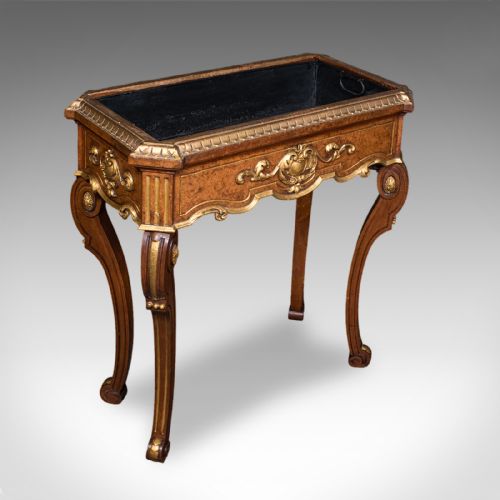
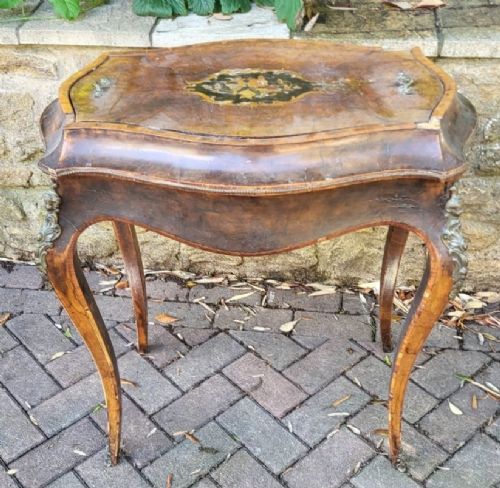
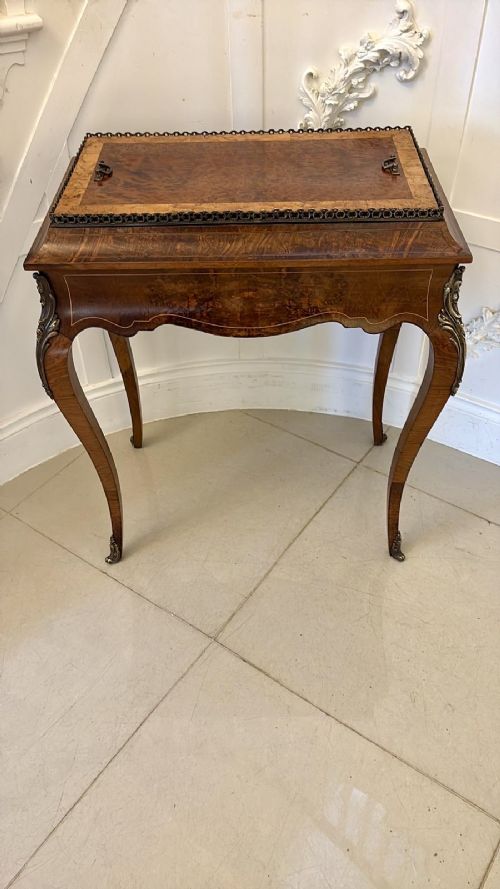
These french walnut planter pieces are decorative stands designed to hold live plants or flowers, bringing continental elegance and practical greenery into a traditional interior.
French Walnut Planter
When searching for a french walnut planter, collectors encounter a refined variety of nineteenth-century jardiniere tables, plant stands, and occasional tables. These furnishings often double as wine coolers or cellarettes, reflecting the versatile domestic uses of the period.
The pieces appearing on this page span several distinct eras, from eighteenth-century examples to later Victorian and Belle Epoque designs. The most frequently met variations showcase Louis XV and Louis XVI styles, alongside striking Art Nouveau interpretations.
Makers utilised rich timbers and elaborate ornamentation to create freestanding and table-height vessels. Buyers often find removable liners made of zinc or metal tucked inside the wooden frames to catch water from the plants.
Materials and Craftsmanship
Cabinetmakers selected plain and burr walnut for its deep grain and warm tone, frequently applying intricate marquetry and parquetry inlay in contrasting woods. Satin walnut and amboyna also appear among the timber selections.
Metal mounts in cast or gilt ormolu and polished brass accent the woodwork, outlining curves and protecting corners. Hand-carved details and applied porcelain plaques complete the decoration of these elaborate stands.
Listings feature walnut, burr walnut, and satin walnut combined with ormolu, brass, porcelain, and zinc elements.
Assessing Quality
The standard of a piece rests heavily on the crispness of the timber carving and the precision of the marquetry inlay. Superior examples display seamless joins and balanced proportions across the entire frame.
Metal fittings reveal much about the original maker's investment in the object. Finely chased ormolu mounts and heavy, well-fitted metal or zinc liners distinguish the finer works from simpler production.
The French Walnut Planter Glossary
- Jardiniere
- An ornamental stand or container designed specifically for holding flowers or plants. These vessels often feature waterproof liners to protect the surrounding woodwork.
- Ormolu
- Gilded bronze or brass applied as decorative mounts on furniture. It adds bright metallic contrast to the dark walnut surfaces.
- Marquetry
- Decorative veneer applied to furniture in patterned designs using various woods. Craftsmen cut thin slices of timber to form pictorial or geometric motifs.
- Parquetry
- Geometric mosaic woodwork used for flooring or furniture surfaces. It creates repeating patterns such as cubes or chequers.
- Cellarette
- A lockable container or stand originally used for storing wine bottles. Many french walnut planter designs share this dual function.
French Walnut Planter: Frequently Asked Questions
How were they used originally?
In period homes, these stands brought living greenery and fresh floral displays directly into reception rooms and parlours. The inclusion of waterproof liners allowed owners to water plants indoors without damaging the floor or timber.
Some designs doubled as wine coolers or cellarettes, making them adaptable for entertaining guests during dinner parties.
Can I still use them for real plants?
Many examples retain their original metal or zinc liners, which are suitable for holding potted plants. Gardeners should still take care to use inner saucers to prevent prolonged contact with stagnant water.
Protecting the interior woodwork ensures the antique remains structurally sound for everyday modern use.
How do I identify the style?
Louis XV and Rococo revival pieces feature sweeping cabriole legs and asymmetrical floral carvings. Louis XVI style examples lean towards straighter lines, neoclassical symmetry, and restrained ormolu mounts.
Art Nouveau pieces discard classical symmetry entirely in favour of organic, plant-like whiplash curves carved directly into the walnut.