


Antique Planter Stand
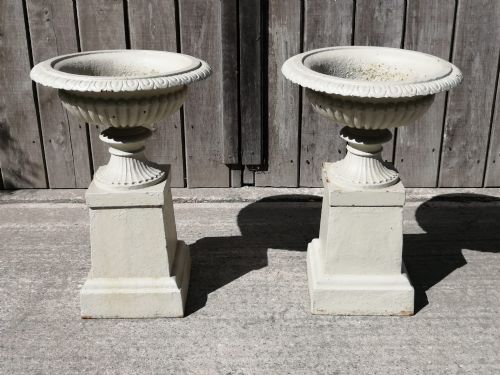
These antique planter stand designs range from slender Edwardian mahogany columns to heavy Victorian cast iron urns, made to elevate greenery both indoors and in the garden.
Antique Planter Stand
An antique planter stand is a raised holder designed to elevate pots, urns, and jardinieres above the floor or ground. These pieces bridge decorative interior furnishings and utilitarian garden equipment, serving both domestic parlours and conservatory spaces.
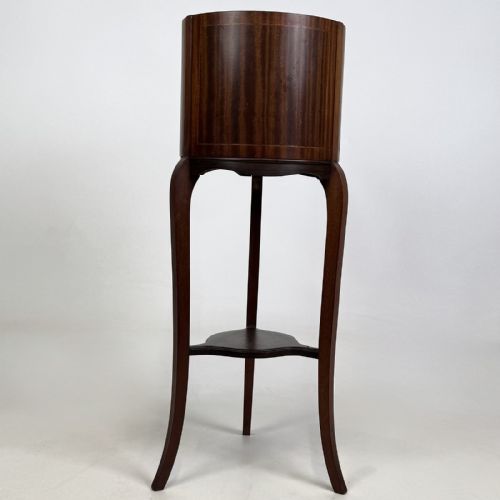
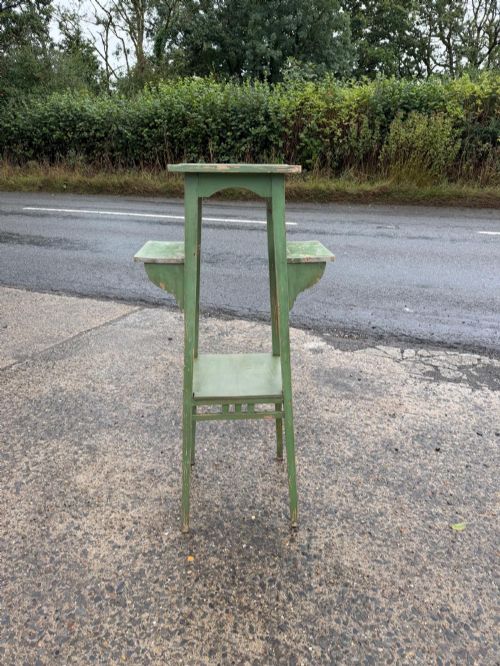
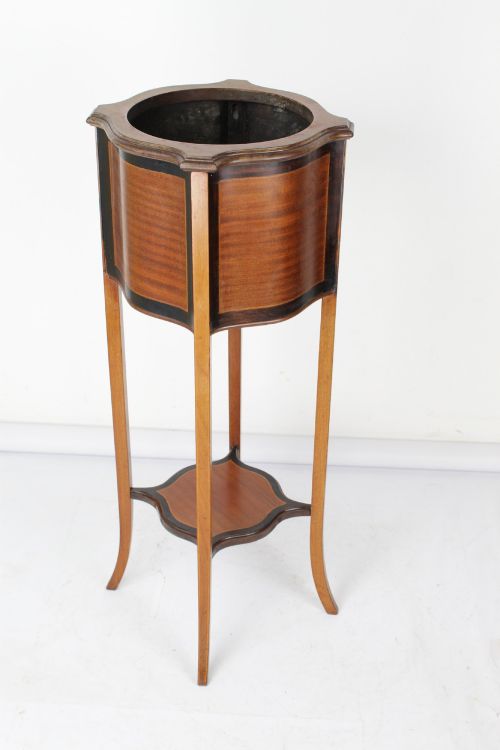
The most common versions met here are Edwardian and Victorian examples shaped from mahogany or oak, often standing on slender legs or barley twist supports. Alongside these wood pieces, iron and brass variations appear regularly, reflecting the diverse periods from the Georgian era through to the early twentieth century.
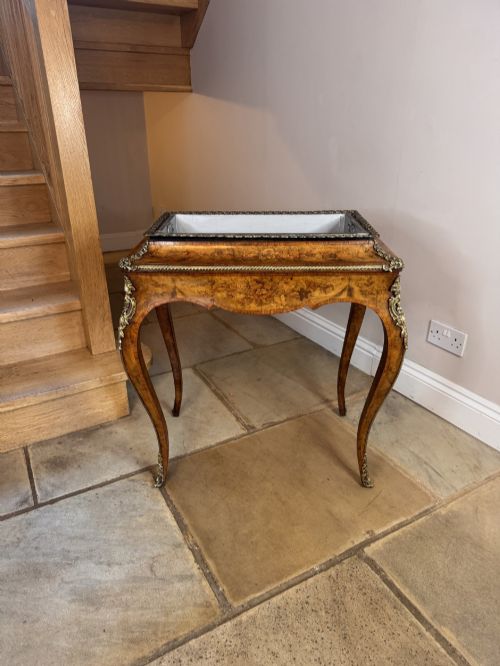
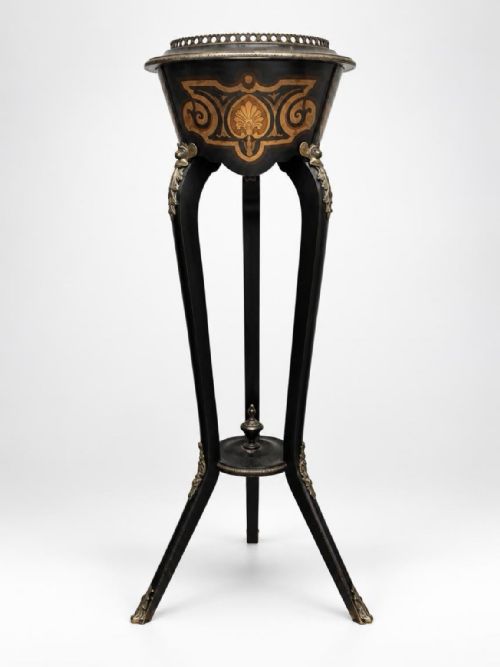
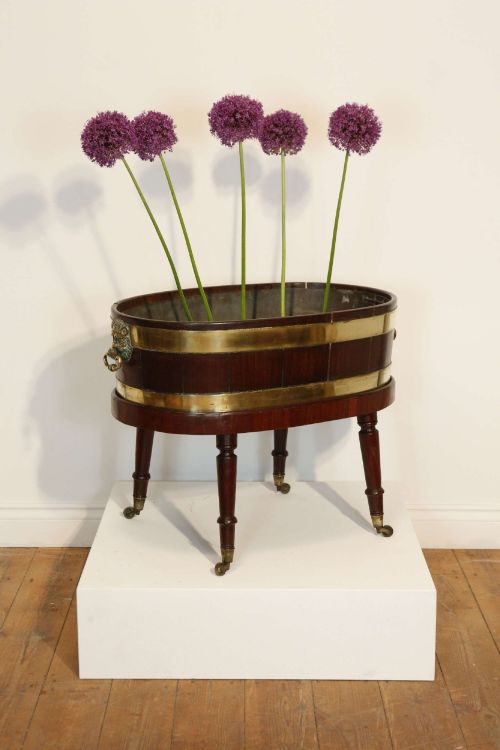
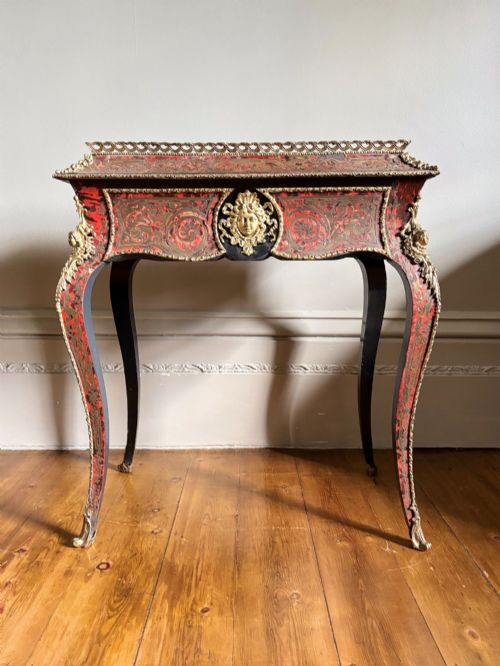
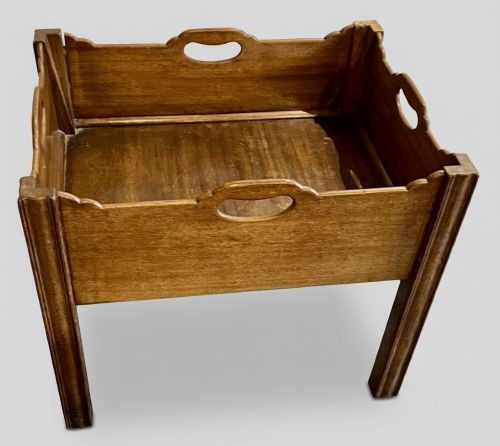
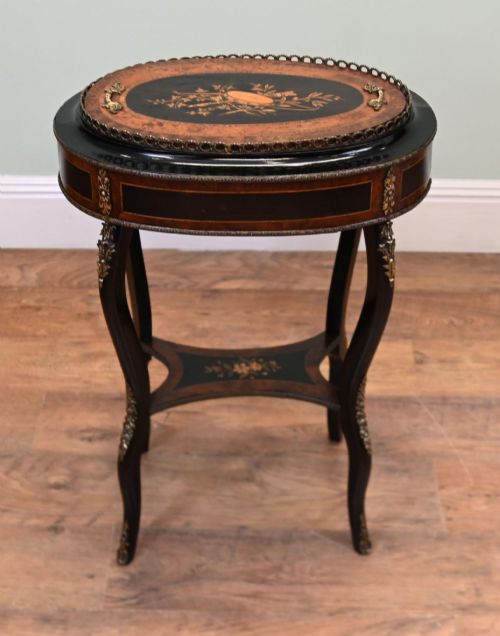
Makers and craftsmen also adapted related forms like wine coolers, jardiniere tables, and pedestals to hold plants. Whether built as simple country house log baskets or elaborate French ebonised stands with porcelain plaques, each item fulfils the enduring domestic desire to display foliage at eye level.
Materials and methods of construction
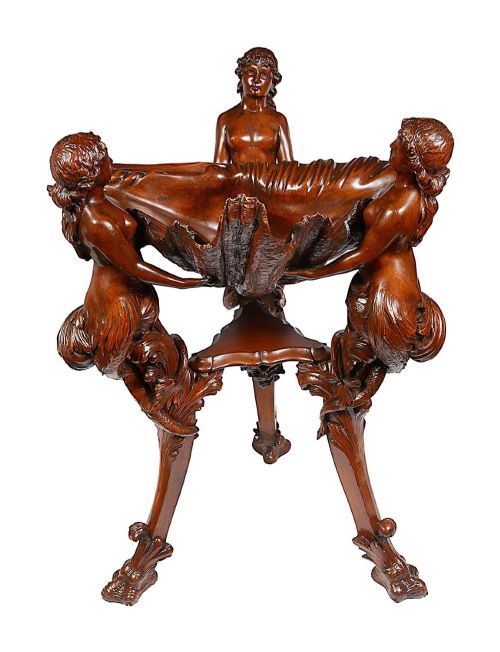
Timber construction relies heavily on native and exotic hardwoods like mahogany, walnut, and oak, frequently shaped with turned columns, inlaid veneers, or coopered staves bound in brass. Cabinetmakers utilised traditional joinery techniques to ensure stability for heavy damp pots.
Metalwork utilises cast iron, wrought iron, and brass, seen in Coalbrookdale urns, scrollwork garden baskets, and embossed dinanderie bodies. Foundries poured molten iron into moulds for structural garden columns, while metalsmiths hammered and etched brass sheets for decorative jardiniere liners.
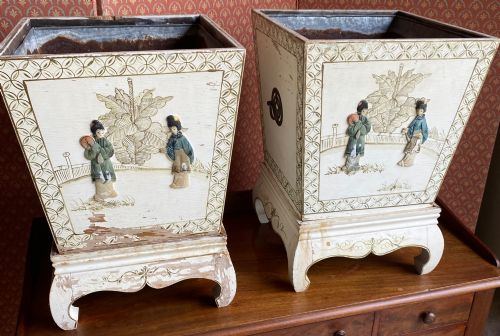
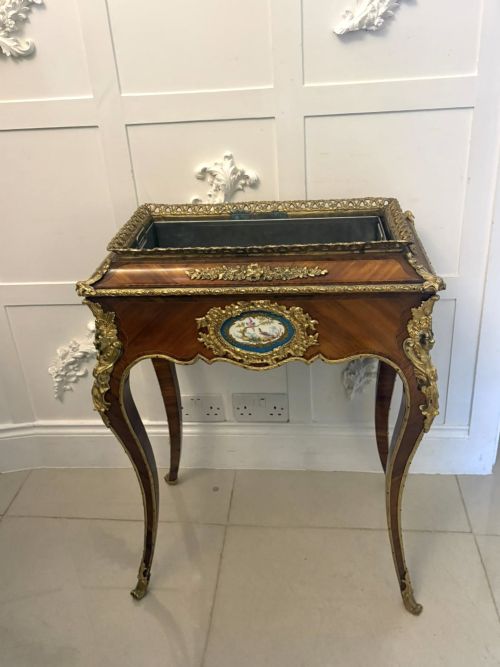
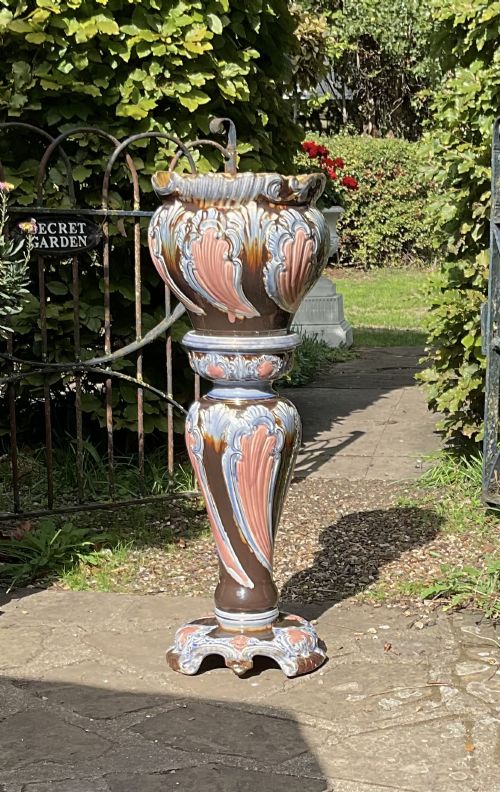
Ceramic and stone elements incorporate majolica, porcelain plaques, and composite stone plinths fixed to metal or wooden frames. These mixed media pieces combine durable exterior materials with refined interior decorative arts.
Antique Planter Stand Retail Price Guide 2026
Typical asking prices for planter stand among the pieces listed under this phrase on Sellingantiques today, from the lower quarter to the upper quarter. They describe what is for sale here now, not the wider market.
The listings show materials spanning brass, mahogany, wrought iron, and cast iron across periods from Georgian to Edwardian.
Distinctions in quality
Quality rests upon the crispness of execution in timber carving, metal casting, or brass cooperage. Superior examples display sharply defined acanthus leaves, perfectly fitted brass bands, and robust structural integrity that resists the weight of wet soil.
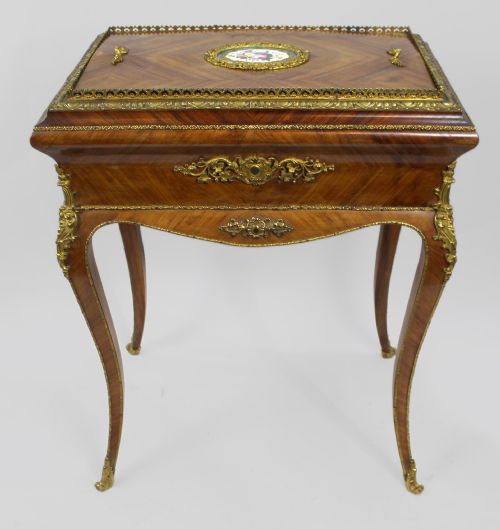
Material selection dictates much of the standing within the range, moving from plain utilitarian pine and estate-made iron up to figured satinwood, Ormolu mounts, and hand-painted porcelain plaques. The integration of secondary elements like lift-off lids or removable metal liners marks thoughtful workshop design.
The preservation of original surface finishes, whether early paint, patinated bronze, or French polish, preserves the historical integrity of the piece. Lesser items often suffer from indiscriminate stripping or modern replacements that obscure their original period character.
The Antique Planter Stand Glossary
- Jardiniere
- A large ornamental pot or stand designed specifically to hold flowering plants or ferns. They appear frequently in ceramic, metal, and wood across the nineteenth century.
- Coopered
- Built from wooden staves fitted together side by side and bound by metal hoops, much like a traditional barrel. This technique ensures water resistance for holding damp plants or ice.
- Ormolu
- Gilded bronze mounts applied to furniture and decorative stands for enrichment. French cabinetmakers used this technique extensively during the nineteenth century.
- Dinanderie
- Objects made of beaten or cast brass and copper, named after the Belgian town of Dinant. These pieces often feature embossed patterns and decorative surface etchings.
Antique Planter Stand: Frequently Asked Questions
What is the difference between a jardiniere and a plant stand?
A jardiniere typically refers to the vessel or container itself, which holds the soil and plant, whereas a plant stand is the supporting table or pedestal designed to elevate that vessel.
In many antique listings, however, the two terms merge because pieces were manufactured as a single integrated unit or adapted to serve both functions interchangeably.
How were these stands used in period homes?
Victorian and Edwardian households placed these stands in drawing rooms, hallways, and conservatories to bring living greenery indoors. They positioned them near windows to catch adequate light for ferns and flowering plants.
Some variations served dual purposes in dining areas, doubling as wine coolers or decanter caddies during formal meals.
Can antique planter stands be used outdoors?
Cast iron, stone, and wrought iron pieces were built specifically for garden terraces, patios, and lawns, enduring weather changes across decades. These exterior versions often feature drainage considerations and heavy durable frames.
Wooden and veneered stands require indoor environments because damp conditions and frost will quickly damage polished mahogany or walnut surfaces.
How do I identify an Edwardian plant stand?
Edwardian stands frequently feature lighter timbers such as inlaid mahogany, satinwood, or oak, often displaying simple geometric lines or subtle Arts and Crafts influences. They tend to look lighter and more slender than their heavy Victorian predecessors.
Construction details like machine-made screws alongside traditional joinery help narrow the date of manufacture toward the early twentieth century.