

French Furniture
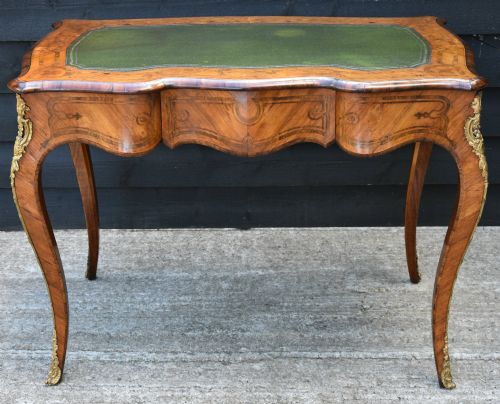
French furniture brings centuries of continental craftsmanship into the home, offering grand ormolu-mounted desks and provincial chests crafted from rich walnut and kingwood.
French Furniture
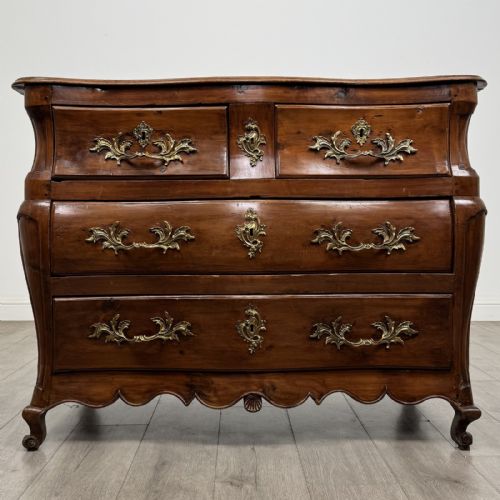
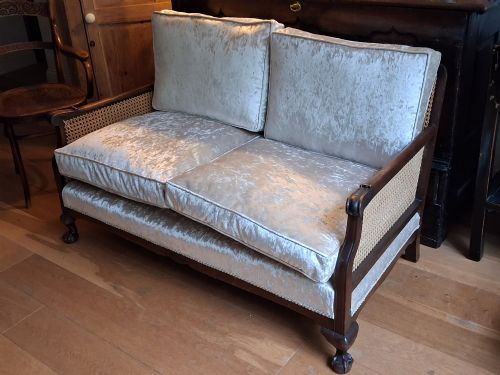
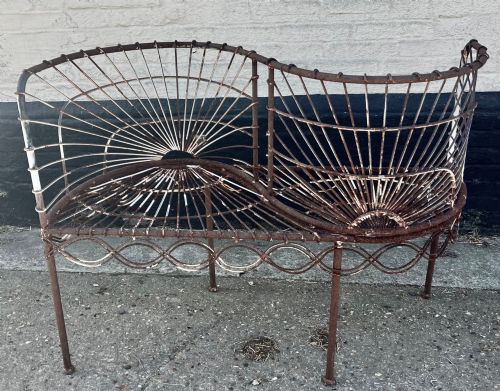
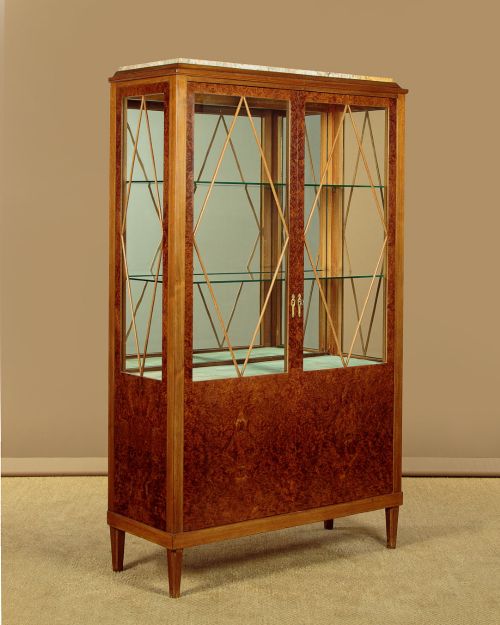
French furniture encompasses a diverse selection of historical seating, storage, and display items originating from continental workshops. When searching for French furniture, buyers frequently encounter 19th-century revival pieces alongside formal 18th-century commodes and later art deco designs.
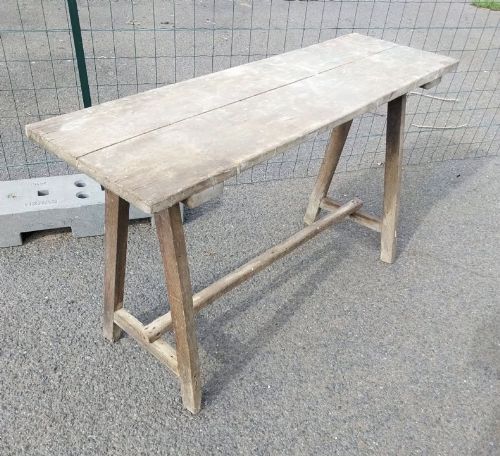
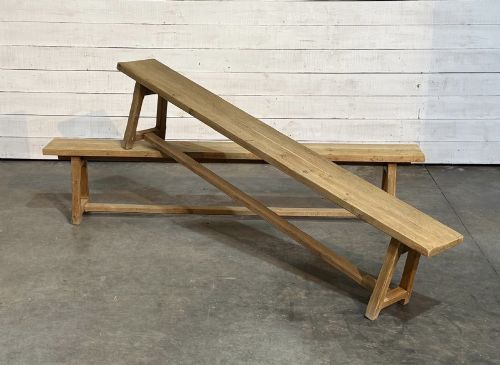
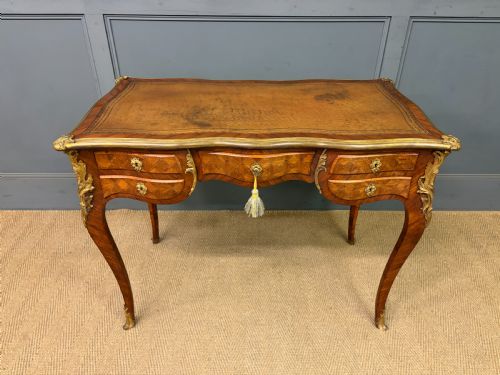
The selection spans formal salon armchairs and bureau plat writing desks to rustic laundry tables and oak dining benches. Walnut, mahogany, and kingwood form the primary carcass woods for these functional domestic objects.
How they were made
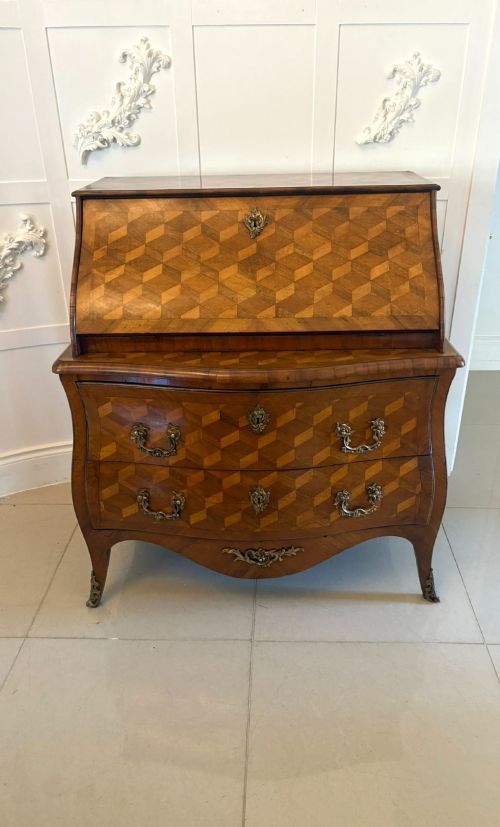
Cabinetmakers utilised dense timbers such as walnut, mahogany, and kingwood, often embellished with intricate parquetry and marquetry veneers. Structural elements frequently incorporated oak and fruitwood for stability.
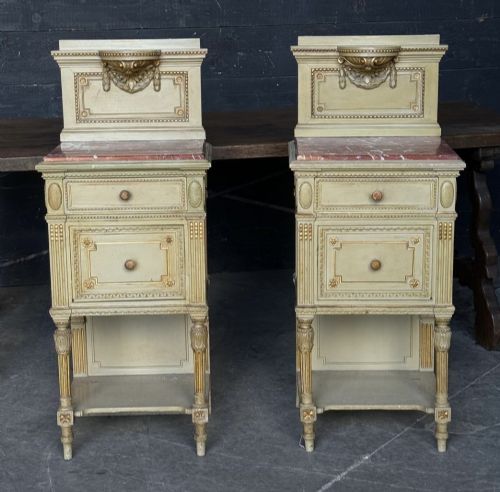
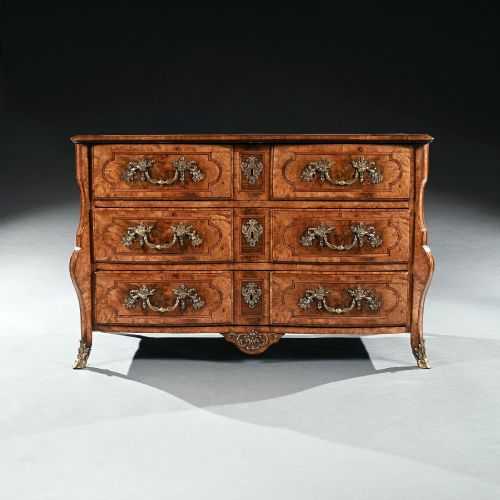
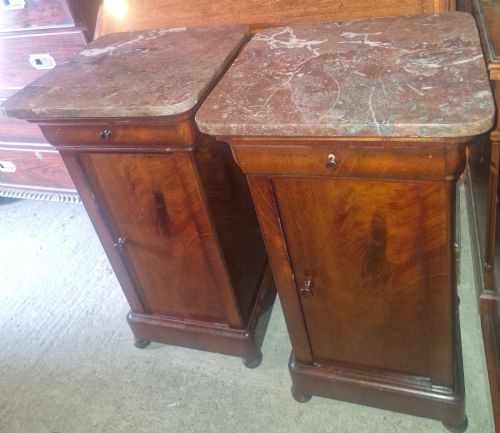
Cast bronze mounts finished with ormolu gilding accent many of the formal items, paired with polished marble tops on commodes and console tables.
Listings feature items spanning the 18th century through to the art deco period, constructed from brass, marble, and exotic woods.
What varies in quality
The sophistication of the timber veneers and the precision of the parquetry patterns largely distinguish standard production from exceptional examples. Finer pieces display seamless grain matching across serpentine and bombe contours.
The execution of the cast ormolu mounts and the weight of the marble tops indicate the workshop standard behind the piece. Hand-carved decorative motifs show greater depth and sharpness than mass-produced alternatives.
Thomas Hache of Grenoble·Gillows·Francois Linke
The French Furniture Glossary
- Bombe
- A swelling, outward-curved commode or chest profile characteristic of 18th-century cabinet making. This bulging shape requires advanced woodworking skill to veneer successfully.
- Ormolu
- Gilded bronze mounts applied to furniture for decorative effect. The technique involves mercury gilding on cast bronze.
- Parquetry
- Geometric wood inlay patterns arranged to form decorative surfaces on tabletops and desk lids. Artisans cut small blocks of contrasting timber with exact precision.
- Poudreuse
- A specialised vanity table equipped with folding mirrors and internal compartments for cosmetics. These pieces date predominantly to the 18th and 19th centuries.
- Marquetry
- Pictorial veneer work using various coloured woods to create floral or scenic designs. Craftsmen assemble thin wood slices like a jigsaw puzzle.
French Furniture: Frequently Asked Questions
How do I identify a true 18th-century commode?
Examine the timber construction methods and internal drawer linings for hand-cut dovetailing typical of the period. Eighteenth-century examples often feature native walnut or fruitwood with organic, asymmetric mounts.
Check the patination and wear patterns around the handles and feet, which accumulate naturally over centuries of domestic use. True pieces from this era demonstrate integrated structural framing rather than applied decorative facades.
Where should I place a marble top console table?
Console tables with marble tops suit entrance halls, living rooms, or dining spaces as focal display surfaces. Their shallow depth allows them to sit flat against walls without obstructing walkways.
Pair the table with a matching wall mirror, as historical dining sets often combined these two elements. Ensure the floor is level to support the weight of the stone slab safely.
What is the difference between kingwood and walnut?
Kingwood is a dense, exotic timber featuring rich dark brown tones with contrasting golden stripes. It was heavily utilised for high-status French veneer work.
Walnut offers a more subdued, warm grain pattern and served as both a solid structural wood and a decorative veneer. Both timbers respond well to traditional wax polishing.
How do I care for antique French desk surfaces?
Maintain polished wood surfaces using natural beeswax applied sparingly with a soft cloth. Avoid placing wooden desks near direct heat sources or strong sunlight to prevent veneer cracking.
Clean marble tops with a damp cloth and mild soap, avoiding acidic cleaning agents that etch the stone. Regular dusting preserves the historic lustre of both the timber and the bronze mounts.