


Decorative Planter Table
A decorative planter table brings living greenery indoors with architectural grace, combining display surfaces with functional waterproof plant housing.
Decorative Planter Table
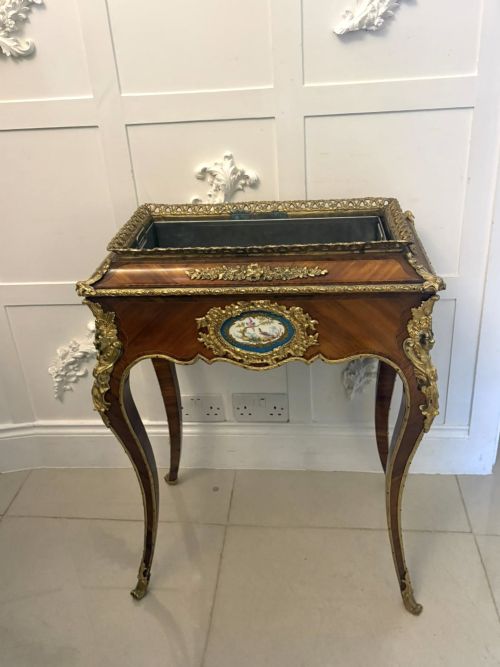
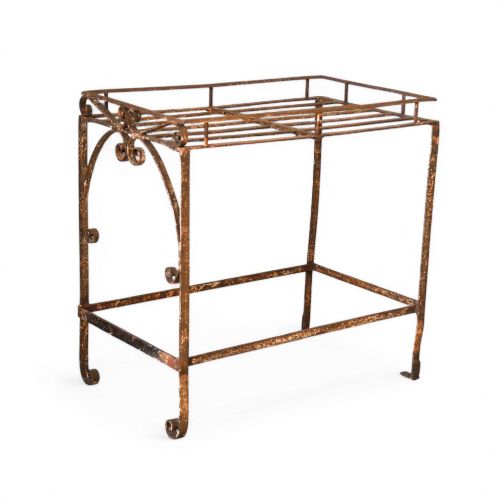
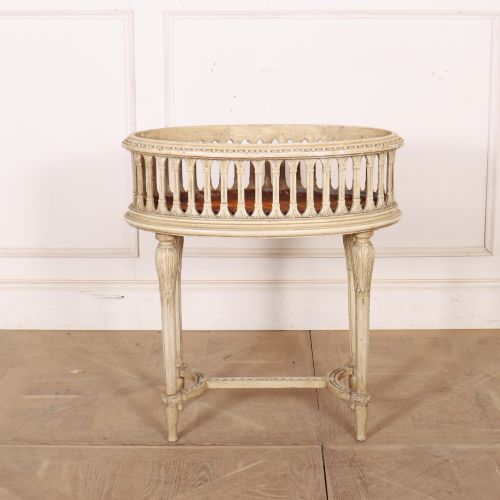
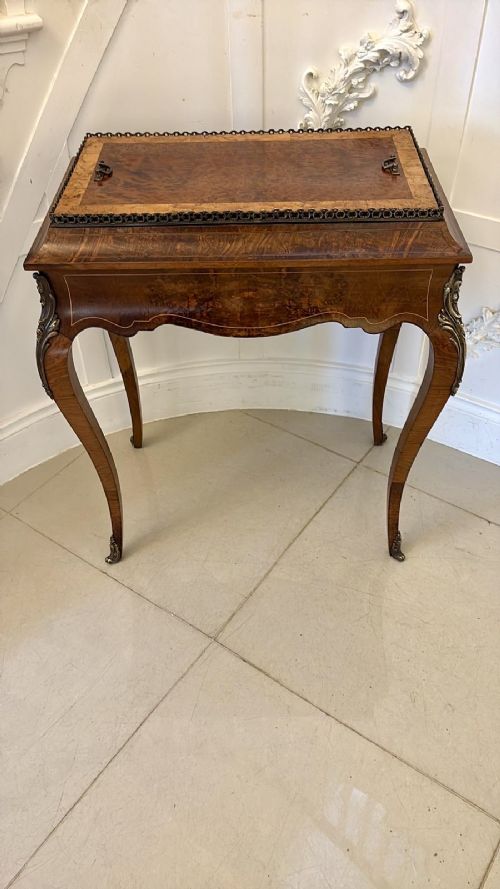
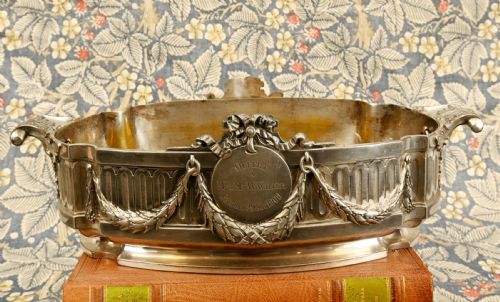
A decorative planter table merges the utility of a plant stand or jardiniere with the refined silhouette of a display furniture piece. The selection here spans the nineteenth century and the Edwardian era, encompassing French walnut designs, country house wire work, and Italian baroque touches.
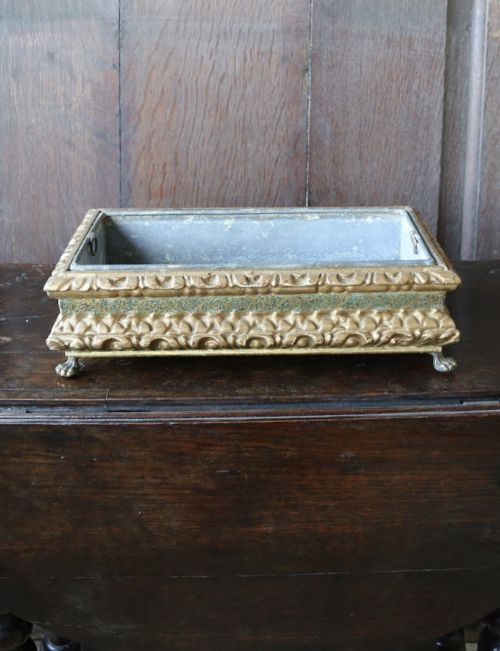
Most examples function as jardiniere tables featuring built-in wells, though the range also accommodates plant stands, centerpiece bowls, and occasional decorative boxes. Materials vary from burr walnut and satinwood to wrought iron and silver plate, reflecting both formal drawing rooms and conservatory spaces.
How they were made
Cabinetmakers utilised choice hardwoods such as walnut, rosewood, and satinwood, frequently embellishing surfaces with marquetry inlay or gilt wood carving. Ormolu mounts, brass liners, and zinc or metal inserts provided the necessary water-resistant housing for live plants.
Metalwork pieces rely on forged wrought iron or cast bronze, sometimes paired with silver plating or painted finishes. Structural details range from barley twist turnings to delicate wire work and Neo-Classical cast mounts.
Materials across these listings include burr walnut, wrought iron, silver plate, and ormolu alongside traditional hardwoods.
What varies in quality
Quality rests upon the harmony of the timber selection, such as figured burr walnut, and the crispness of the applied ormolu or carved details. Superior examples exhibit seamless integration between the wooden support and the original metal or ceramic liner.
The refinement of the styling dictates the hierarchy, moving from robust country house wire work to intricate marquetry and classical proportions reminiscent of Louis XV and Louis XVI designs.
The Decorative Planter Table Glossary
- Jardiniere
- A large ornamental pot or stand for holding plants or flowers. These items often feature dedicated liners made of metal or ceramic to protect the surrounding furniture.
- Ormolu
- Gilded bronze used as a decorative mount on furniture and decorative objects. This technique was widely utilised during the eighteenth and nineteenth centuries.
- Marquetry
- The art and craft of applying pieces of veneer to a structure to form decorative designs. Cabinetmakers used various tinted woods to create intricate floral or geometric patterns.
- Barley twist
- A type of turning shaped like a helix, resembling a twisted rope. This decorative feature appears frequently on seventeenth and nineteenth-century furniture supports.
Decorative Planter Table: Frequently Asked Questions
What is a jardiniere table?
A jardiniere table is a specialised piece of furniture designed to display indoor plants at a comfortable height. It typically incorporates a waterproof liner or well within the top surface.
These tables became popular in grand houses during the nineteenth century to bring garden flora into formal living spaces and conservatories.
Are liners usually original?
Liners can be original to the piece, particularly in metal or silver-plated examples that were manufactured as a complete unit. Over decades of use, many original zinc or copper liners suffered from corrosion and were replaced.
The presence of a matching liner enhances the integrity of the piece, though custom replacements are common in older furniture.
Where were they placed?
These tables were typically positioned in drawing rooms, reception hallways, and glazed conservatories where natural light supported plant growth. They served as focal points that softened architectural corners with living greenery.
Smaller stands were easily moved around the room to catch the sunlight throughout the day.
How do I date these tables?
Dating relies on identifying the prevailing style, such as Neo-Classical or Louis XV revival, alongside the construction methods and timber choices. Secondary woods and fastener types offer further clues to the period of manufacture.
Nineteenth-century examples often combine revival aesthetics with industrial metal liners, while Edwardian pieces lean toward lighter satinwood or painted finishes.