




Antique Flower Trough
An antique flower trough brings the garden indoors, offering a handsome vessel for plants that rewards close inspection of its metal or wood.
Antique Flower Trough
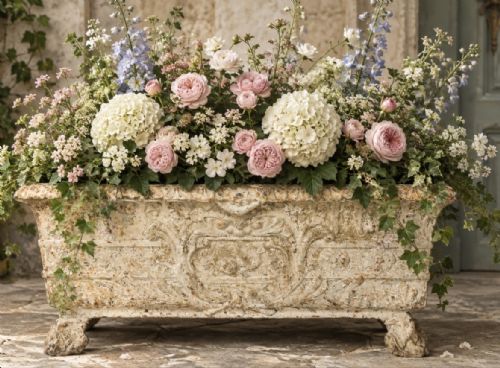
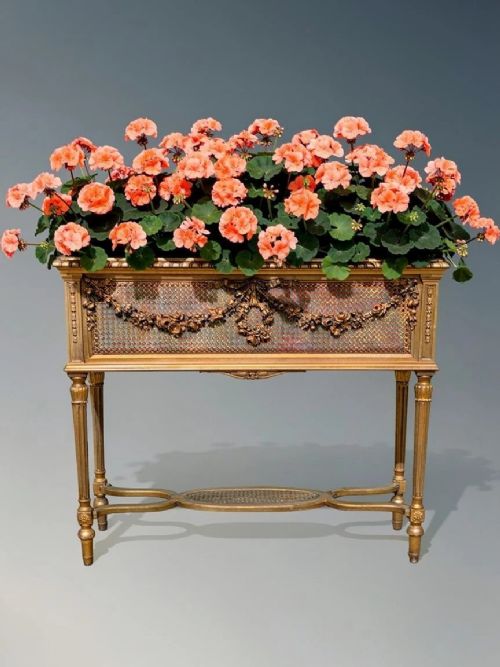
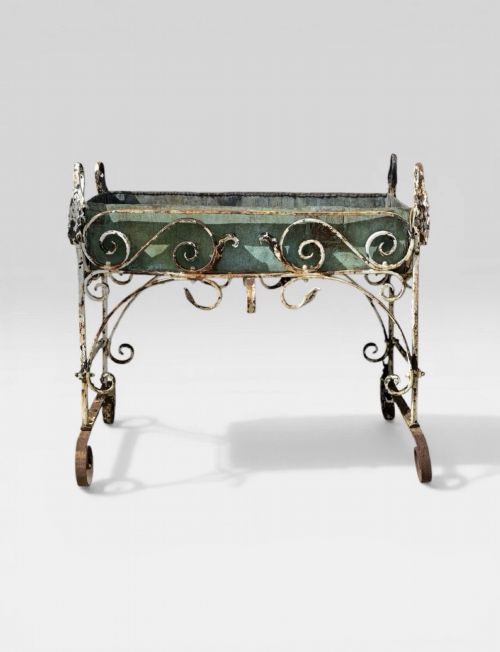
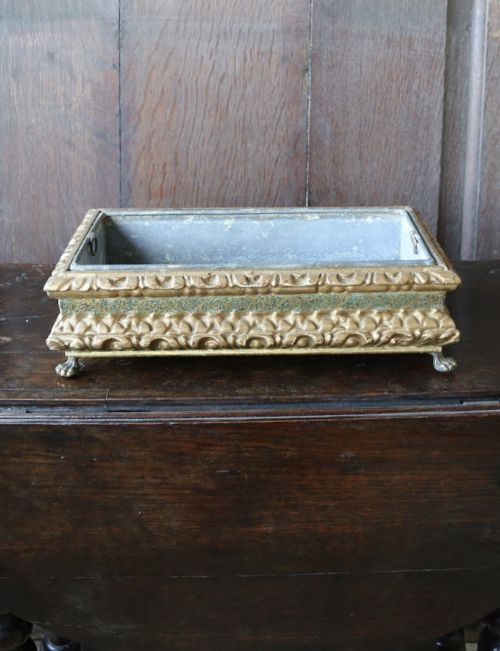
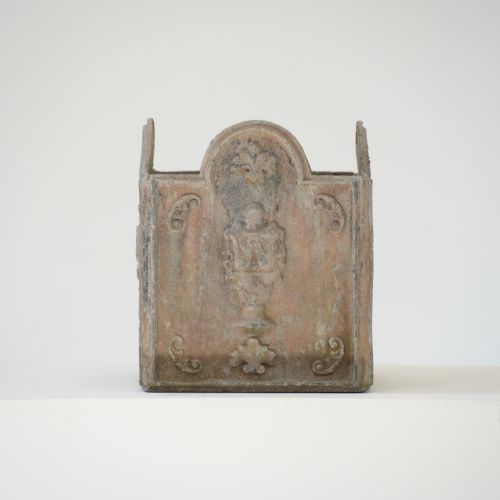
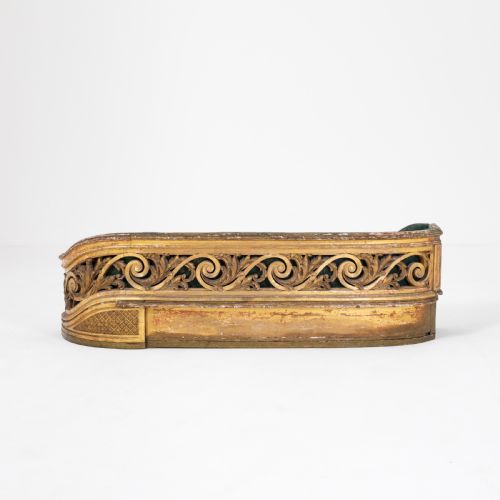
An antique flower trough serves as a functional and decorative home for plants, appearing across this selection in forms ranging from heavy cast iron urns to delicate giltwood boxes. When you examine an antique flower trough, you encounter pieces designed to hold earth or potted arrangements inside domestic rooms or upon terraces.
The varieties on this page cross multiple periods, including Georgian lead vessels, Victorian cast iron pieces, and later twentieth-century brass and bronze jardinières. Makers historically shaped these objects from durable metals, ceramics, and carved woods to suit both formal reception rooms and garden settings.
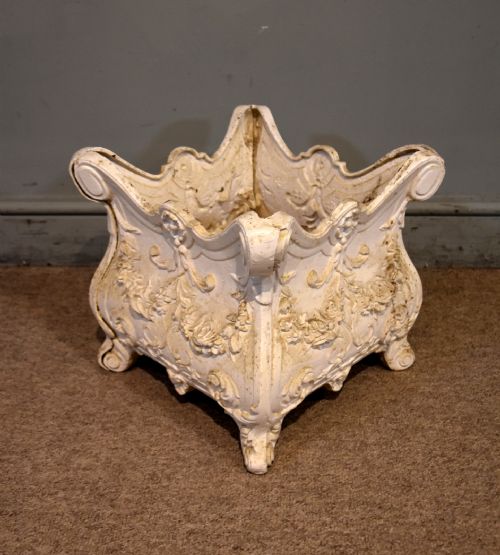
Forms span from simple rectangular troughs and window boxes to elaborate jardinieres on claw feet, alongside decorative plant stands and urns. Each antique flower trough reflects the interior taste of its era, whether executed in a French chateau style, Neo-Classical lines, or flowing Art Nouveau curves.
How they were made
Craftsmen built these vessels using robust metals such as zinc, brass, copper, lead, cast iron, and wrought iron, alongside carved timbers like mahogany, satinwood, walnut, and giltwood. Metalwork often involved casting, hammering, and soldering, while wooden examples required skilled joinery and detailed hand carving.
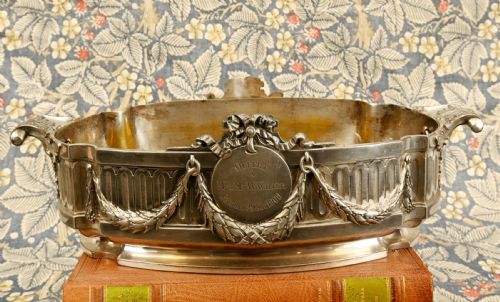
Surface decoration varied widely according to material, encompassing applied silver plating, hand painting, gilt finishes, and intricate ceramic glazes in the majolica taste. Artisans combined these techniques to create watertight interiors and striking exterior ornamentation suitable for displaying plants.
Materials across these listings include cast iron, brass, bronze, lead, zinc, porcelain, mahogany, walnut, satinwood, and giltwood.
What varies in quality
Quality rests upon the crispness of the casting in iron and bronze, the depth and skill of hand carving in wood and giltwood, and the weight of the metal used in brass and lead vessels. Superior examples display clean lines and well-preserved surface treatments without clumsy repairs.
The integrity of construction distinguishes better pieces, such as tightly joined wooden boxes, securely fitted metal liners, and stable bases like claw feet or well-balanced stands. Material selection also dictates worth, with finer hardwoods and heavier metals marking out the upper tier of the range.
The Antique Flower Trough Glossary
- Jardiniere
- An ornamental pot or stand for holding plants or flowers. These vessels often stand on feet or pedestals within domestic interiors.
- Giltwood
- Wood that has been coated with gold leaf or a gold-coloured finish. This technique adds brightness to carved frames and decorative troughs.
- Majolica
- A type of earthenware decorated with opaque coloured glazes. Pieces in this taste feature rich, vibrant surface colours.
- Urn
- A tall, rounded vessel, typically standing on a base or pedestal. Garden versions are frequently cast in iron or lead for outdoor display.
- Neo-Classical
- A style inspired by the classical art and architecture of ancient Greece and Rome. It emphasises symmetry, straight lines, and restrained ornamentation.
Antique Flower Trough: Frequently Asked Questions
What is an antique flower trough?
An antique flower trough is a decorative vessel designed to hold plants, flowers, or potted greenery inside the home or garden.
These pieces range from heavy cast iron and lead garden urns to refined mahogany, satinwood, and giltwood indoor boxes.
How were antique flower troughs used?
Historically, owners placed these troughs in reception rooms, halls, and patios to bring living greenery into domestic spaces.
Many metal versions included internal liners to contain water and earth, protecting the surrounding furniture or flooring.
How do I care for a metal planter?
Metal planters in brass, copper, lead, or cast iron require gentle cleaning to preserve their natural patina and protective surface layers.
Avoid abrasive polishes that strip historic finishes, and use an inner plastic pot rather than planting directly into vulnerable historic vessels.
How do I identify the period of a trough?
Period identification relies upon recognising stylistic clues such as Art Nouveau curves, Neo-Classical symmetry, or Victorian heavy casting.
Materials also offer guidance, as specific woods, metals, and ceramic glazing techniques correlate closely with distinct manufacturing eras.