



Gilt Decorative Planter
These gilt decorative planter examples bring grand architectural flair to your rooms, combining gleaming metallic surfaces with rich historical ornamentation.
Gilt Decorative Planter
A gilt decorative planter is a grand vessel designed to display indoor foliage while adding metallic warmth to a room. When you search this phrase, you find items spanning from the seventeenth century through to the early twentieth century.
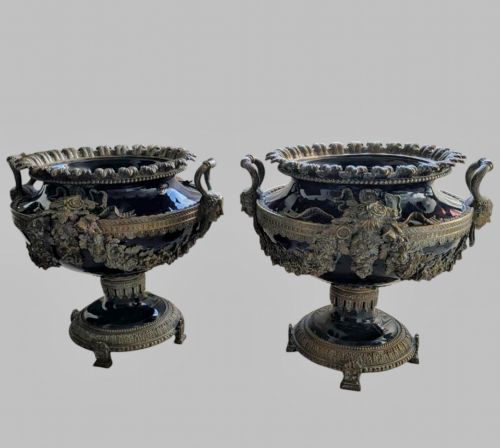
The pieces on this page lean heavily toward nineteenth-century European craftsmanship, particularly French Louis XV style and Victorian creations. You will encounter forms ranging from ceramic jardinieres with ormolu mounts to carved giltwood boxes and large bronze urns.
How they were made
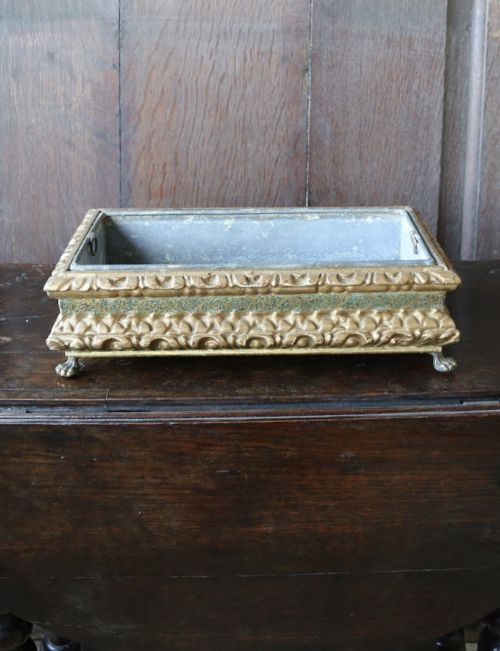
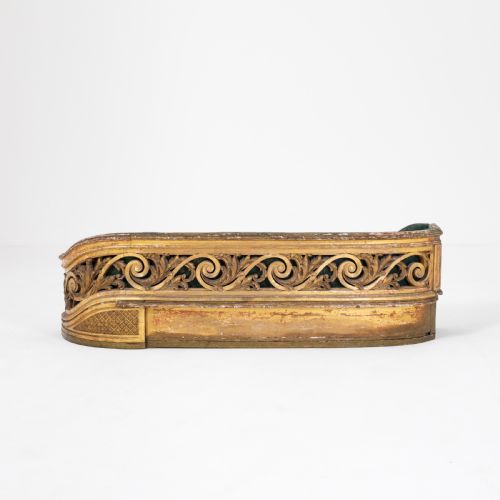
Makers utilised traditional hand-carving techniques for wooden pieces, applying gold leaf to elaborate gesso grounds on carved giltwood and Italian Baroque boxes. Artisans also employed fire-gilding and ormolu casting to create decorative bronze mounts for wood and porcelain bodies.
Ceramic vessels feature hand-painted porcelain panels and cloisonne enamel work, often fired in established potteries like Royal Worcester, Coalport, and Minton. These varied materials required specialised collaboration between metalworkers, ceramicists, and gilders.
Listings feature ceramics, gilt bronze, and carved giltwood across nineteenth-century Victorian, Edwardian, and seventeenth-century periods.
What varies in quality
The standard of a gilt decorative planter rests upon the crispness of its hand-carving and the depth of its gilding. Superior examples show confident hand-chiselling on bronze mounts and meticulous detail in hand-painted ceramic panels.
Lesser items display flat, mechanical surface decoration and weaker casting in the metal elements. The integration between the planter body and its decorative mounts also dictates the overall success of the piece.
Royal Worcester·Coalport·Barbedienne Paris·Royal Worcester Hadley Ware
The Gilt Decorative Planter Glossary
- Jardiniere
- An ornamental pot or stand for holding flowers or plants. The term derives from the French word for gardener.
- Ormolu
- Finely ground high-carat gold applied to a bronze object using a mercury amalgamation process. This technique created a durable, rich metallic finish on nineteenth-century mounts.
- Giltwood
- Wood that has been treated with gesso and covered with thin sheets of gold leaf. It is frequently found on baroque and rococo revival furnishings.
- Cloisonne
- An ancient technique for decorating metalwork objects with coloured glass paste held within wire compartments. These compartments form intricate patterns across the surface before firing.
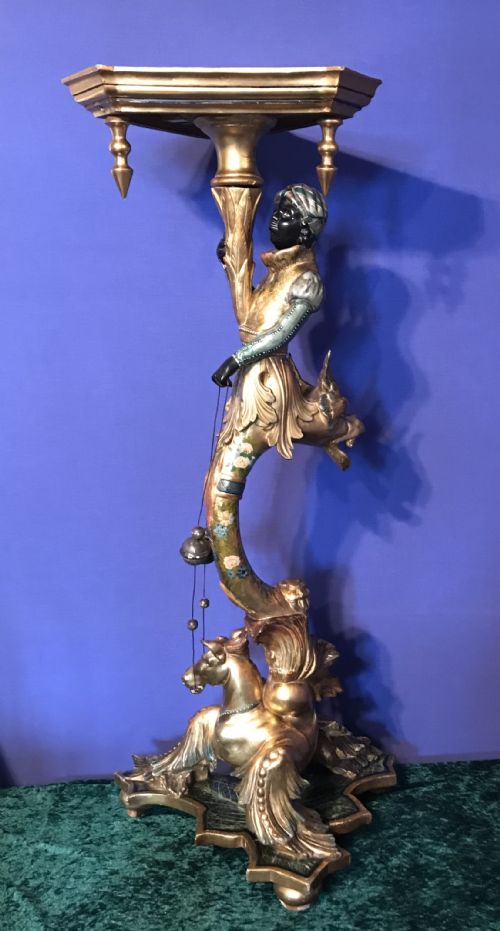
- Torchere
- A tall stand or ornamental pedestal designed to hold a light or a decorative vessel. They often feature carved and gilt surfaces in Victorian interiors.
Gilt Decorative Planter: Frequently Asked Questions
What is a jardiniere?
A jardiniere is simply a decorative container designed to hold potted plants or floral arrangements. They were traditionally displayed in prominent reception rooms and conservatories.
Unlike standard flower pots, jardinieres are made with decorative display in mind, frequently featuring hand-painted scenes, gilt bronze mounts, or intricate carved woodwork.
Where should I place one?
These planters work well as focal points on heavy tables, pedestals, or architectural consoles. Their reflective gilt surfaces catch natural light effectively in living spaces.
Ensure the interior is protected with a waterproof liner if you intend to use real plants with moisture and soil, as historical ceramics and wood can be sensitive to dampness.
How do I date these items?
Dating relies on identifying the characteristic stylistic markers of periods such as the Victorian era, the Louis XV revival, or the Meiji period. Maker marks on ceramic bases also provide precise manufacture dates.
The choice of materials, such as burr walnut combined with cast ormolu, often points directly to nineteenth-century workshop practices.
Are these planters waterproof?
Many historical planters were intended strictly for decorative display or to hold removable potted plants rather than holding soil directly. Using a discreet inner container prevents water damage to antique ceramic, wood, or enamel.
Checking the interior construction reveals whether the vessel was glazed for direct planting or built purely as an ornamental object.