





Antique Gold Planter
An antique gold planter brings warmth and texture to a room, holding greenery within cast brass, giltwood, and porcelain.
Antique Gold Planter
An antique gold planter encompasses vessels designed to hold indoor plants, spanning jardinieres, cachepots, wall pockets, and decorative bowls. These objects appear in styles ranging from Victorian and Edwardian brass to French Empire giltwood and Asian bronze.
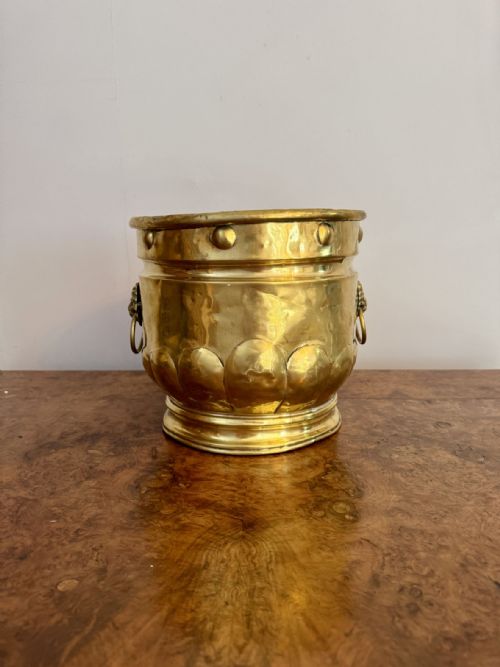
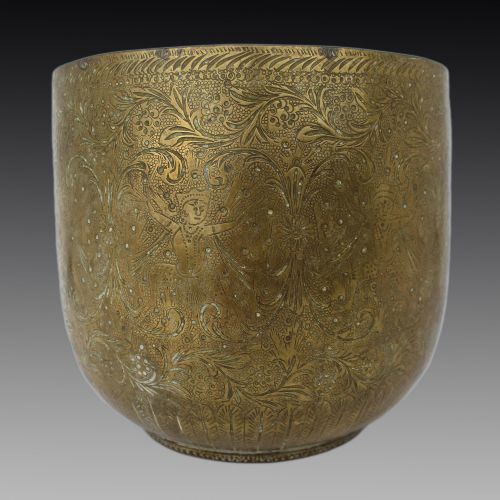
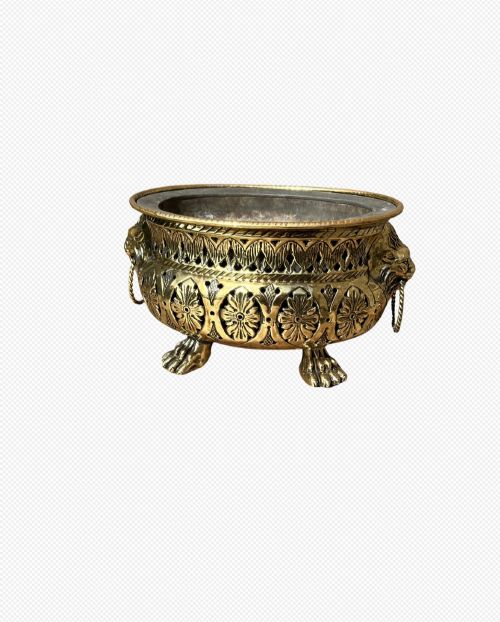
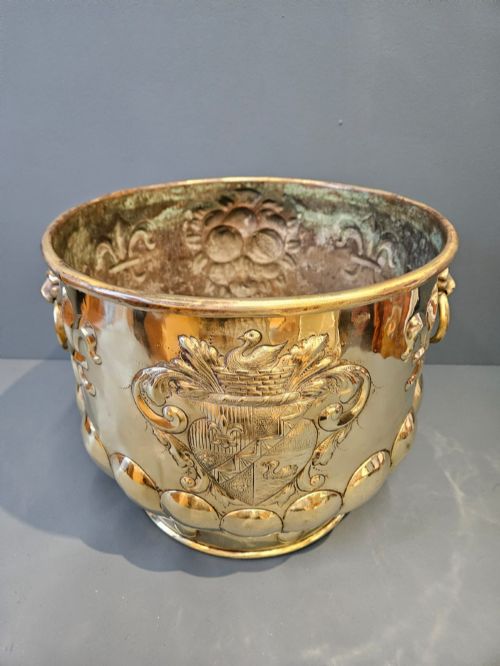
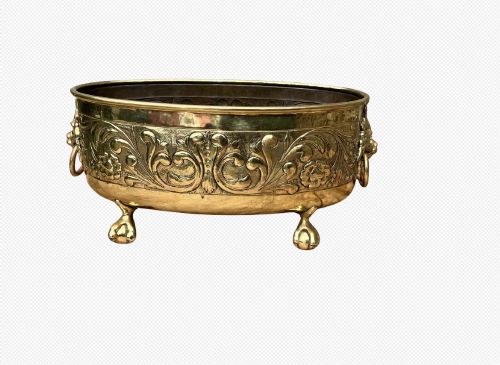
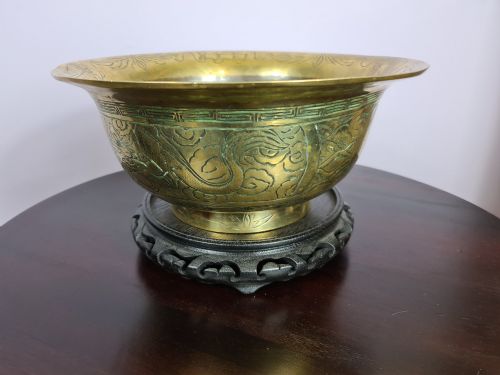
The most common versions on this page are heavy brass and bronze vessels from the nineteenth and early twentieth centuries, often featuring repoussé decoration, animal heads, or crests. Porcelain examples from English potteries also surface among the metalwork.
Origins stretch across Europe and Asia, recording French Empire stands, Anglo-Indian campaign buckets, and Japanese bronze bowls. Each piece reflects the interior taste of its period, from ornate Victorian drawing rooms to aesthetic movement plant stands.
Materials and Technique
Metals dominate the selection, utilising cast and pressed brass, bronze, and gilt bronze formed into bowls, buckets, and troughs. Artisans applied repoussé techniques to hammer designs from the reverse, creating raised patterns of foliage, crests, and animal heads.
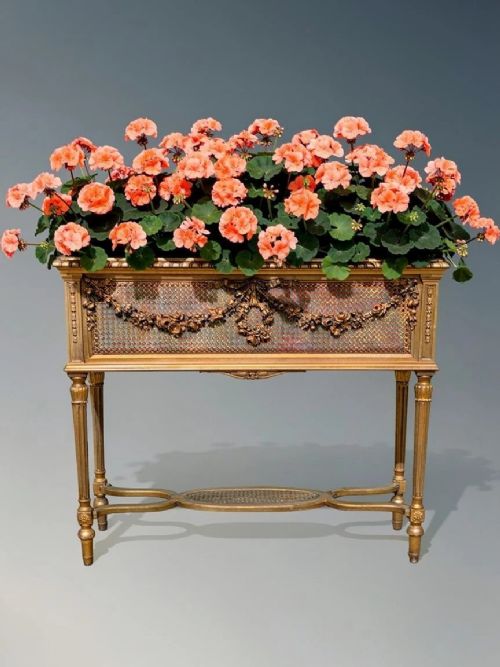
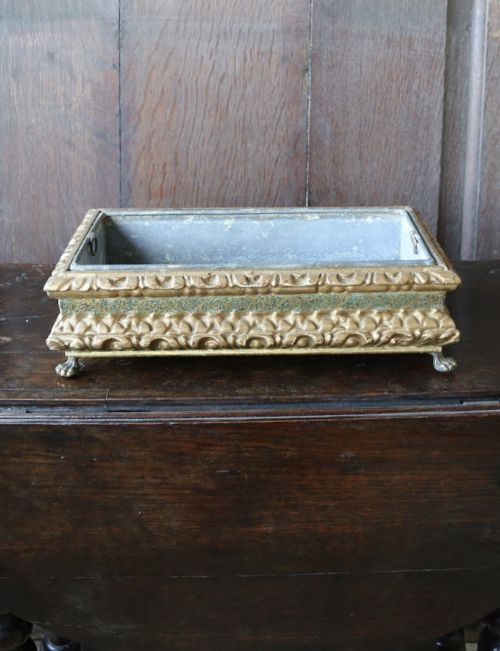
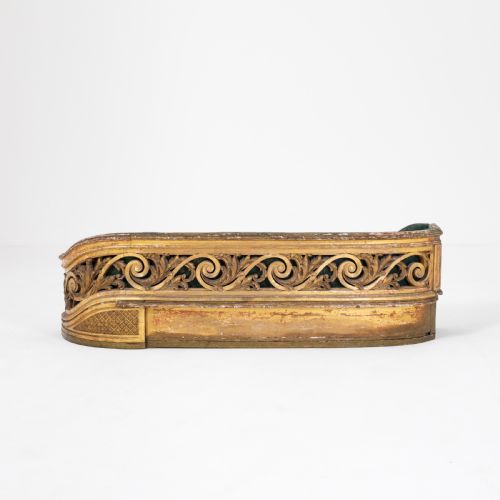
Giltwood and carved wood examples employ layers of gold leaf applied over gesso and timber, sometimes paired with cane work or crystal glass. Ceramic versions rely on porcelain and earthenware bodies finished with coloured glazes and enamel details.
Several brass planters come equipped with fierce animal heads to grip your ferns.
Craftsmanship and Weight
Quality rests in the weight of the metal and the crispness of the chasing on brass and bronze surfaces. Heavy gauge brass and deeply detailed repoussé work distinguish superior vessels from lighter, pressed items.
In wooden and ceramic pieces, the depth of the gilding and the delicacy of the hand-painted or transferred enamel decoration dictate the tier of the object. Intact liners, whether zinc or original glass, retain the structural integrity of the vessel.
Barr Flight And Barr·Royal Doulton·Doulton Burslem·Royal Worcester·Coalport
The Antique Gold Planter Glossary
- Jardiniere
- A large ornamental pot or stand for holding plants or flowers. These vessels form the bulk of the metal and ceramic items found here.
- Cachepot
- An ornamental container used to conceal an unadorned flowerpot. They differ from jardinieres by usually lacking drainage holes.
- Repoussé
- A metalworking technique where a design is hammered into relief from the reverse side. This method creates tactile surface decoration on brass and bronze planters.
- Giltwood
- Wood that has been coated with a thin layer of gold leaf or gold paint. It appears frequently on French and English stands from the eighteenth and nineteenth centuries.
- Wall Pocket
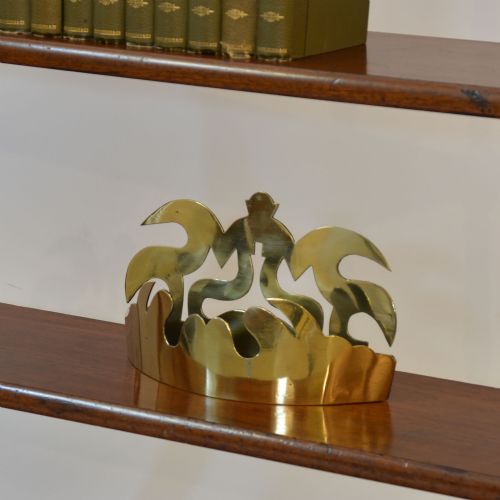
- A hanging vessel designed to be mounted on a flat surface to display foliage. These items often take the form of ornate brass crowns or wall brackets.
Antique Gold Planter: Frequently Asked Questions
What is an antique gold planter used for?
These vessels held potted plants and palms inside nineteenth-century homes, protecting furniture from water and soil. Today, they function as decorative containers or freestanding statement pieces for interior foliage.
Many retain their original metal or zinc liners, designed to catch water drainage. Without liners, they serve well as dry storage containers or decorative bowls.
How do I date a brass jardiniere?
Dating relies on manufacturing techniques, weight, and stylistic clues. Mid-Victorian pieces often feature heavy cast brass with hand-chased details, while later examples tend to use lighter pressed metal.
Maker marks stamped on the base help identify specific English potteries and metalwork studios. Stylistic markers like Art Nouveau curves or Empire motifs narrow the decade of production.
Can I plant directly into these vessels?
Planting directly into antique metal or wooden vessels risks corrosion and water damage to the historic material. Using a separate plastic or ceramic inner pot prevents moisture from sitting against the antique surface.
Zinc liners found in period troughs can handle direct planting if they remain watertight. Checking the interior condition helps determine whether a protective inner pot is necessary.
What is the difference between a cachepot and a jardiniere?
A cachepot translates to hide-pot, acting as an outer sleeve to conceal a plain terracotta flowerpot. These smaller vessels sit easily on tables and windowsills.
A jardiniere is typically larger and heavier, often standing on its own base or floor pedestal. They command more space and accommodate substantial indoor plants or small trees.