

Antique Tier Plant Stand
An antique tier plant stand brings architectural height and greenery together, offering multi-level display across periods from the Victorian era onward.
Antique Tier Plant Stand
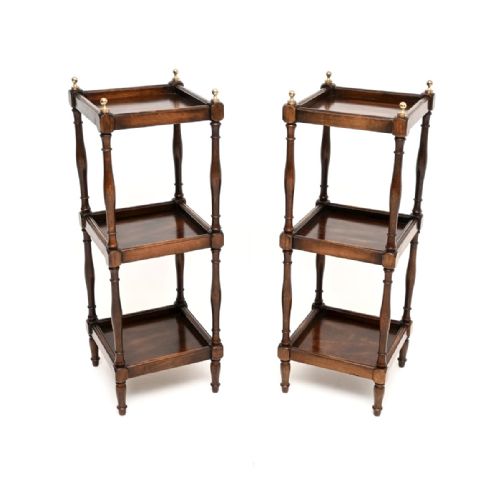
An antique tier plant stand provides structured elevation for foliage, featuring multiple levels designed to catch light in domestic interiors.
The phrase encompasses related multi-tier furniture such as occasional tables, torchères, and étagères that serve identical ornamental purposes.
Materials and construction
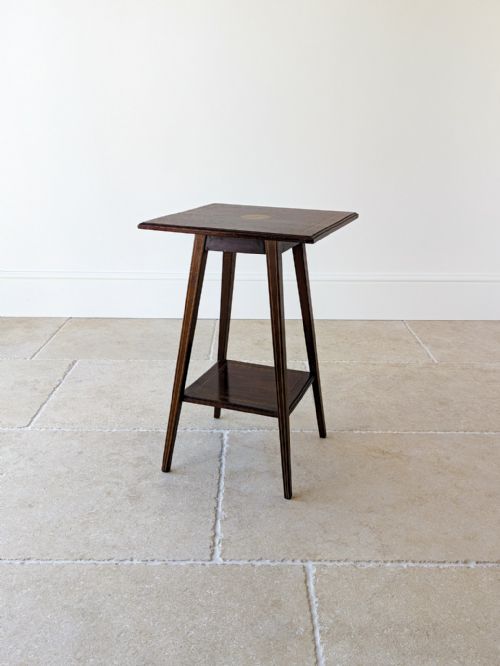
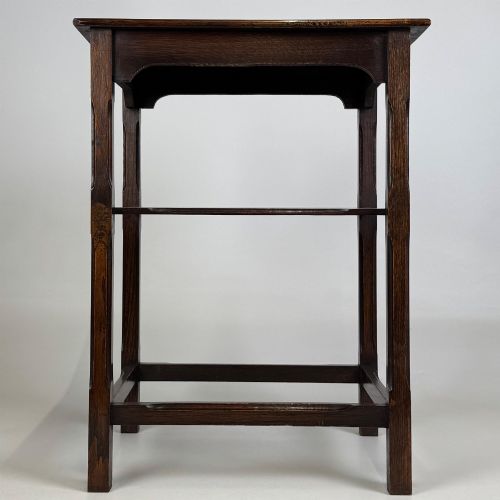
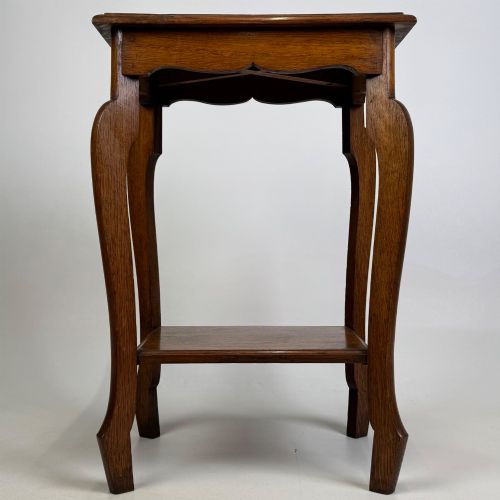
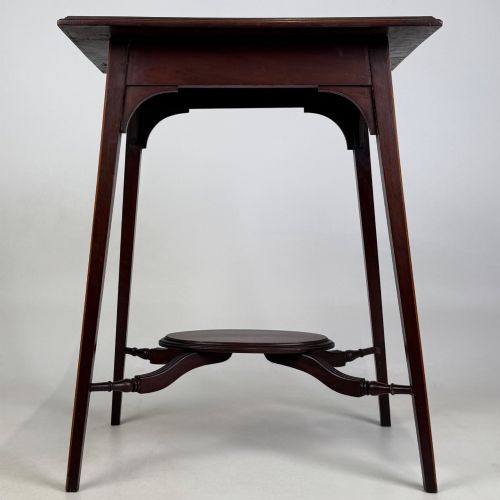
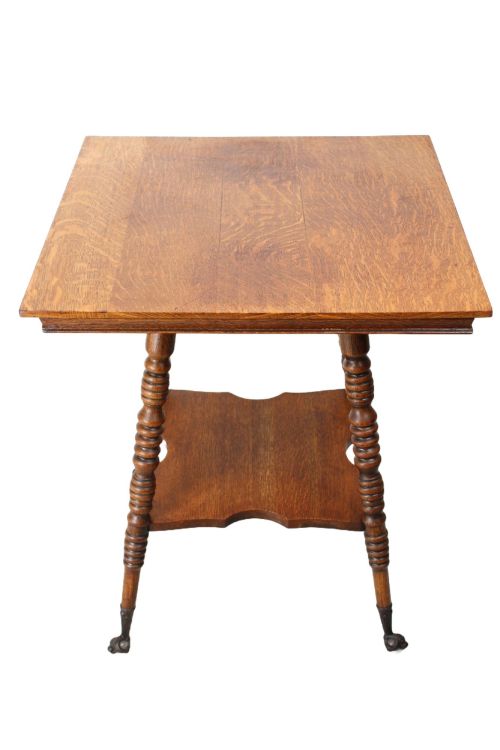
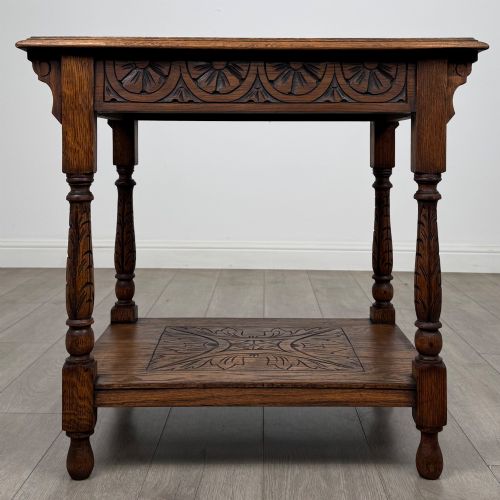
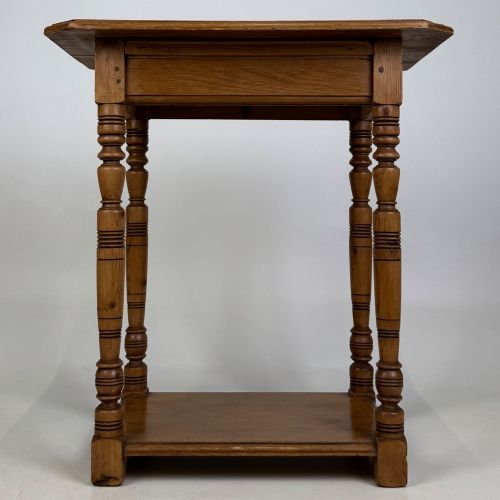
Cabinetmakers utilised hardwoods such as mahogany, oak, and walnut, frequently employing turning, carving, and joinery to support stacked tiers.
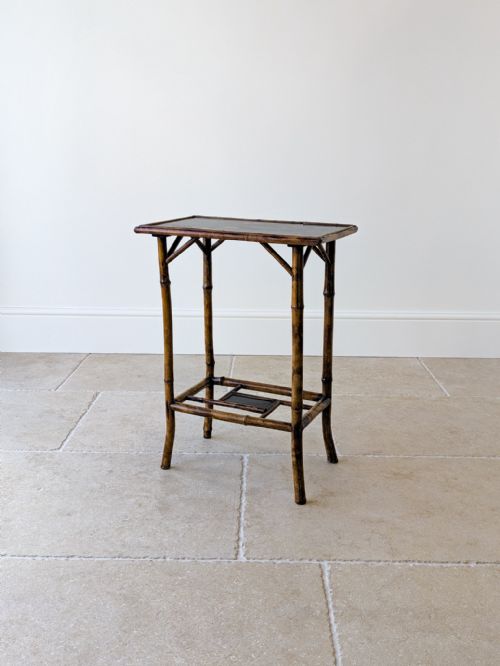
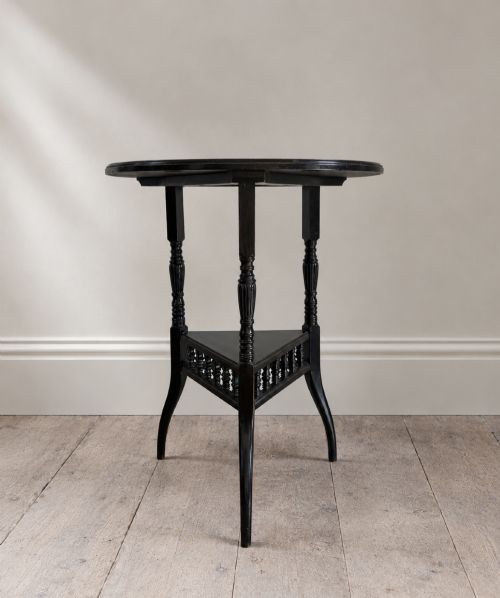
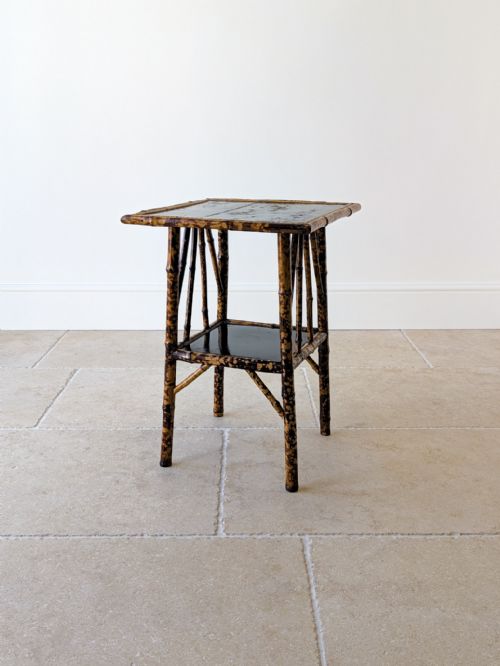
Alternative materials include bamboo and ebonised hardwood, reflecting Japanese and Aesthetic Movement design influences during the late nineteenth century.
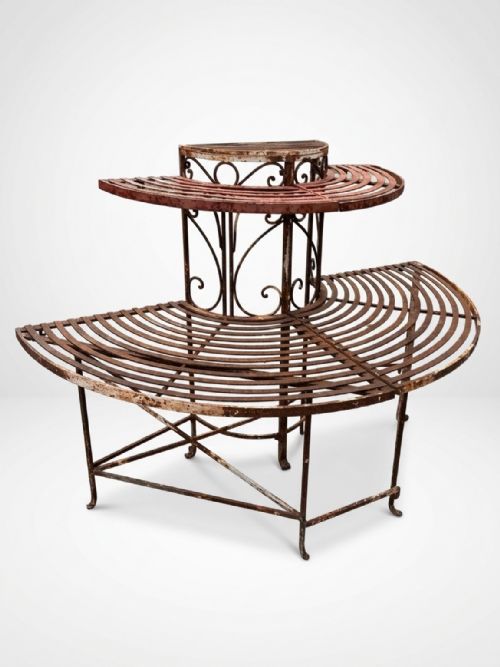
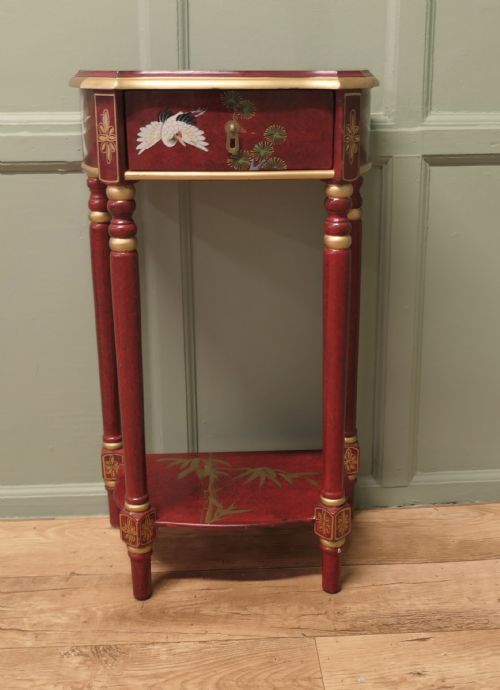
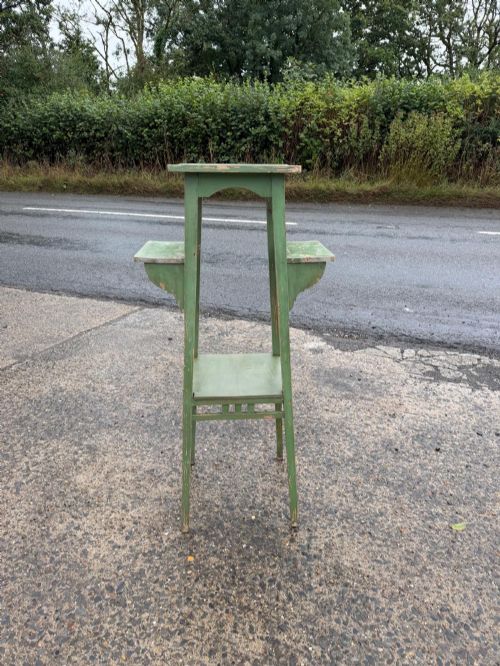
Metal components appear through brass trivets and kettle stands, whilst paint provides surface decoration on specific period examples.
Some versatile nineteenth-century stands doubled as smokers' companions, holding pipes and candles alongside botanical specimens.
Distinctions in craftsmanship
Quality rests upon timber selection and joint integrity, where tight construction ensures stability across multiple unsupported tiers.
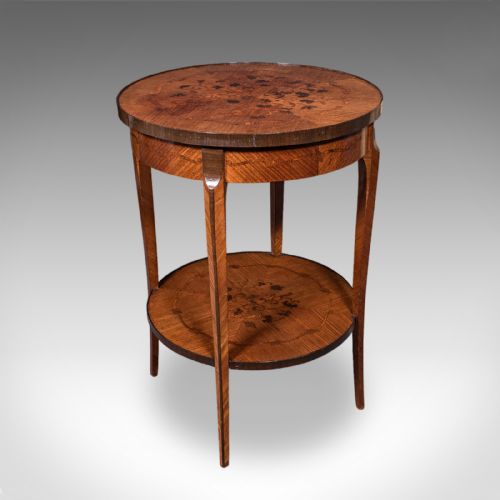
Refined examples demonstrate considered proportions, delicate turnings, and subtle inlay work rather than purely utilitarian assembly.
Liberty of London·William Birch
The Antique Tier Plant Stand Glossary
- Torchère
- A tall, slender stand designed to hold a single lamp or plant. These pieces emphasise vertical presence over horizontal surface area.
- Étagère
- A piece of furniture consisting of open shelves for displaying small objects. They provide multiple tiers for botanical arrangement.
- Aesthetic Movement
- A late nineteenth-century design style focusing on art for art's sake. It brought Japanese motifs and ebonised finishes into British homes.
- Trivet
- A small three-legged stand originally used for kettles. In this context, low metal versions function as compact plant supports.
Antique Tier Plant Stand: Frequently Asked Questions
What is an antique tier plant stand used for?
These stands elevate potted plants and jardinières to create varied focal points within living spaces. Multiple levels allow greenery to catch light from different angles.
Historically, they also served as display surfaces for decorative ceramics, lamps, and small household items.
How do I distinguish Victorian from Edwardian stands?
Victorian examples often feature darker woods, heavier carved details, and bamboo frames associated with the Aesthetic Movement. They tend to feel dense and ornate.
Edwardian pieces generally present lighter mahogany or oak construction, cleaner lines, and subtle inlay work reflecting a shift toward airier domestic interiors.
Can these stands support heavy pots?
Most antique stands suit medium or small potted plants rather than heavy specimens. The weight capacity depends on the timber and joint construction of each tier.
Sturdier oak and mahogany versions handle weight better than delicate bamboo or multi-tiered étagères designed primarily for light display.
Where should I place a tier plant stand?
Corner locations and vacant wall spaces benefit most from the vertical height these stands provide. Placing them near light sources helps plants thrive on upper and lower shelves.
They also function effectively beside seating as occasional lamp or display tables.