


Vintage Studio Pottery Vase
These vintage studio pottery vase examples bring tactile weight, individual maker marks and rich glaze variation straight into a modern room.
Vintage Studio Pottery Vase
A vintage studio pottery vase selection brings together individual ceramic vessels shaped by named makers and independent potteries across the early twentieth century. These pieces span simple earthenware forms and large decorative vessels created during periods such as Art Nouveau, Art Deco and the mid-century modern era.
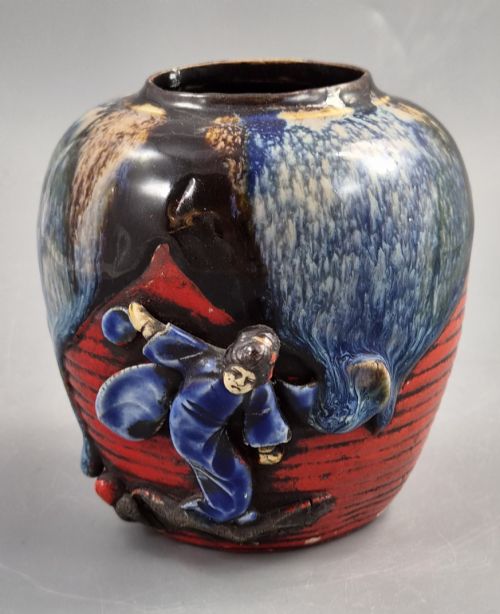
Buyers searching for a vintage studio pottery vase will encounter diverse regional traditions, from French earthenware creations to Japanese Satsuma and Sumida Gawa vessels. The selection on this page relies heavily on early twentieth century dates, particularly the nineteen-twenties, alongside pieces from nineteen-hundred and nineteen-ten.
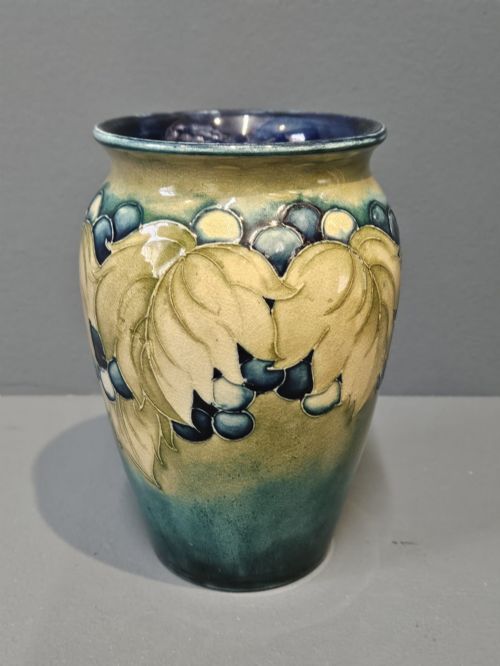
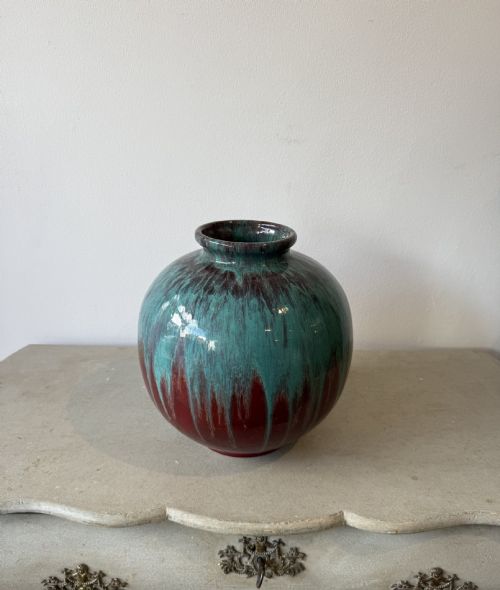
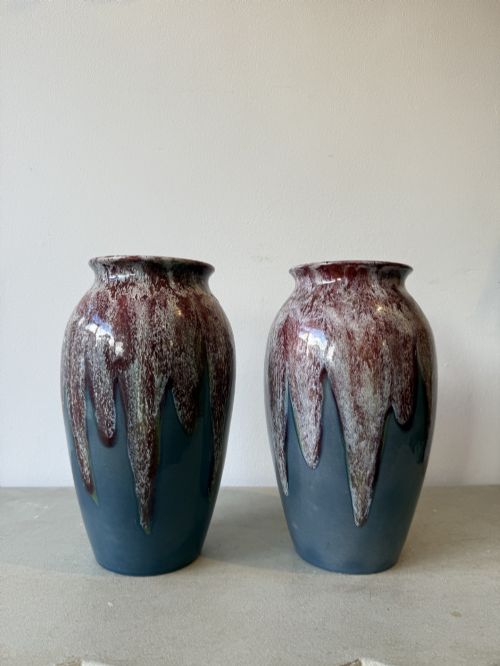
Common forms in this category include individual baluster vases, matching pairs, and sculptural jars featuring hand-painted motifs or dramatic drip glazes. Each vintage studio pottery vase reflects the specific aesthetic concerns of its workshop, whether working in English lustreware or continental ceramic traditions.
How they were made
Potters built these vessels using earthenware and stoneware bodies, shaped by hand or thrown on the wheel before applying fluid surface treatments. Workshops utilised specialised chemical compositions to achieve distinctive finishes, including lapis blue glazes, celadon tones, and complex blue flambé effects.
Surface decoration frequently involved hand-painted enamel work, applied motifs such as climbing figures or woodland leaves, and shimmering gilt highlights. Kiln operators manipulated firing temperatures to produce characteristic lustre effects and uncontrolled drip patterns across the ceramic surface.
Listings feature works from nineteen-hundred to nineteen-forty, spanning earthenware and stoneware bodies decorated with enamel, gilt, and fluid glazes.
What varies in quality
The distinction between standard production and exceptional work rests on the control of the glaze and the crispness of the hand-painted or modelled detail. Superior examples display intentional depth in the surface finish, where rich colour variations occur naturally within the kiln rather than appearing flat or uniform.
Artistic authorship elevates certain pieces, particularly when a vessel bears the distinct signature or monogram of a celebrated ceramicist or renowned kiln. The harmony between the vessel form and its surface decoration determines whether a piece transcends mere utility to become a sculptural object.
Gallilleo Chini·Robert T Lallement·Kinkozan·Richard Joyce·Pilkingtons Royal Lancastrian·Roger Guerin
The Vintage Studio Pottery Vase Glossary
- Earthenware
- Porous pottery fired at lower temperatures, typically requiring a glazed surface to hold liquids. It forms the foundation for many early twentieth-century decorative vessels.
- Stoneware
- A dense, impermeable ceramic fired at high temperatures until the clay body vitrifies. This material allows for robust vessels that resist chipping and hold heavy glazes.
- Flambé glaze
- A mottled or streaked metallic glaze developed in high-firing reduction kilns. The technique produces unpredictable pools of rich colour and dramatic shading.
- Lustreware
- Pottery treated with a metallic film that creates an iridescent sheen upon secondary firing. Pilkingtons Royal Lancastrian pieces frequently showcase this reflective technique.
- Celadon
- A pale green jade-like glaze originating in East Asian ceramic traditions. It pools softly in carved recesses and highlights the underlying texture of the vase.
Vintage Studio Pottery Vase: Frequently Asked Questions
How do I clean my vase?
Dust ceramic surfaces gently with a dry, soft cloth to protect delicate enamels and surface lustres.
Avoid submerging older earthenware pieces in water for long periods, as moisture can penetrate porous historic bodies.
Can I put fresh flowers in them?
Many stoneware and glazed earthenware vessels hold water safely, but porous historic bodies risk moisture damage.
Use a discreet glass insert inside older or highly delicate pieces to protect the interior clay from standing water.
How do I date an art pottery vase?
Examine the base for impressed maker marks, painted monograms, or registration numbers left by the workshop.
Compare the glaze type and stylistic motifs, such as Art Deco geometry or Arts and Crafts plant forms, against known production eras.
Why do glaze colours vary between pieces?
Studio potters mixed their own chemical glazes and fired them in kilns where temperature fluctuations created unique chemical reactions.
This variation means drip glazes and flambé finishes react organically to the heat, ensuring no two vessels turn out identical.