

Asian Porcelain Urns
Asian porcelain urns bring together centuries of skilled ceramic work and rich decorative detail from China and Japan.
Asian Porcelain Urns
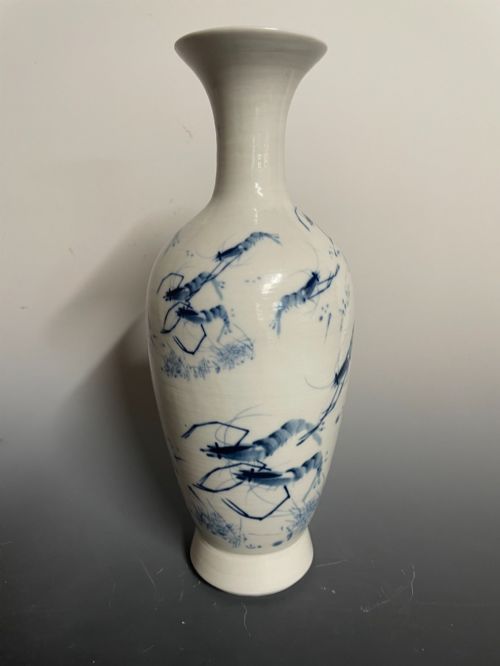
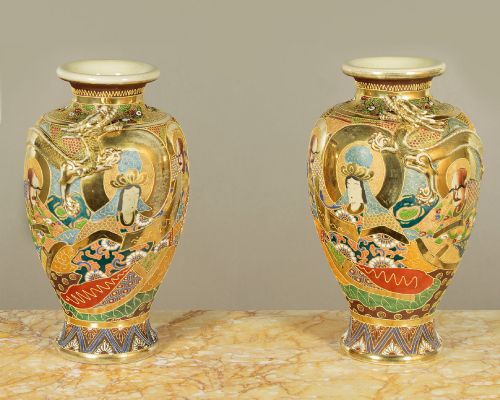
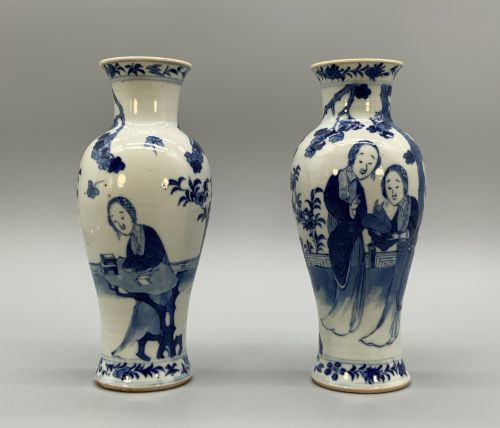
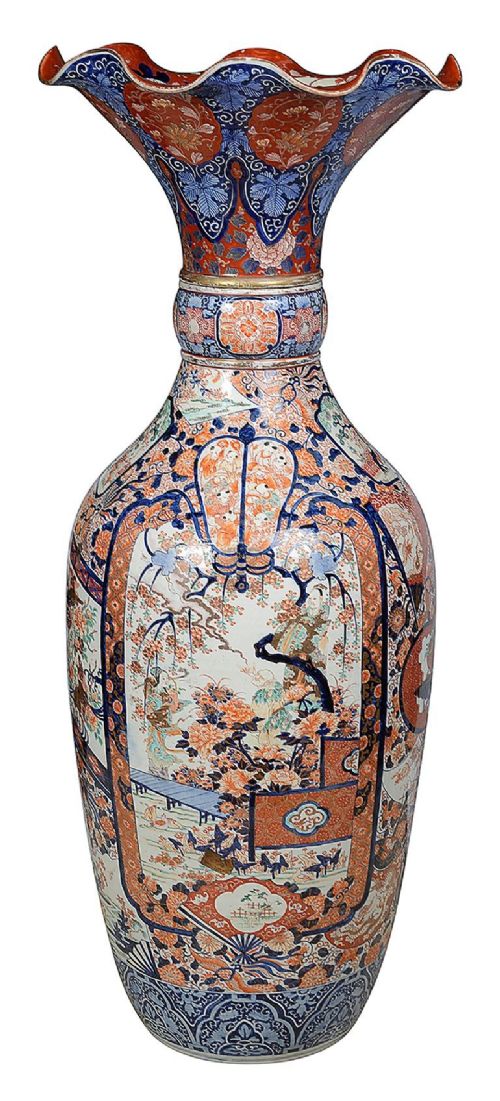
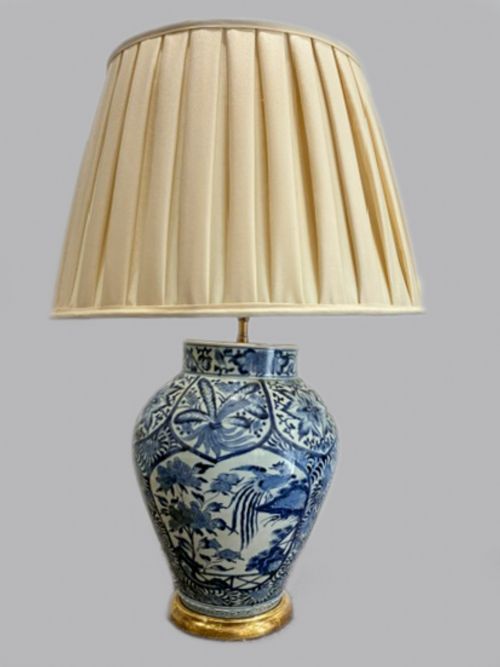
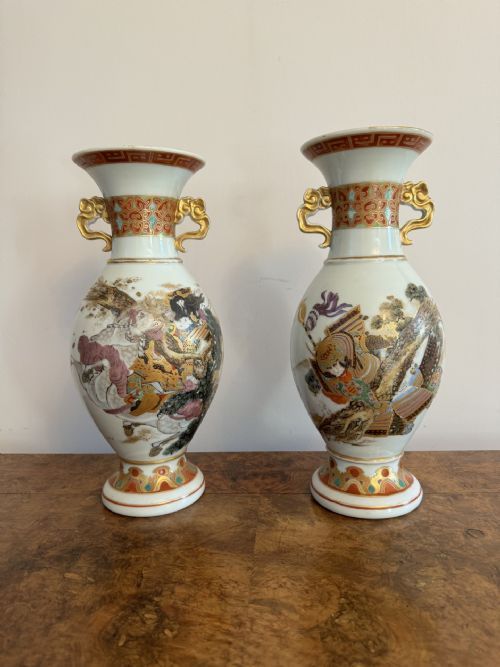
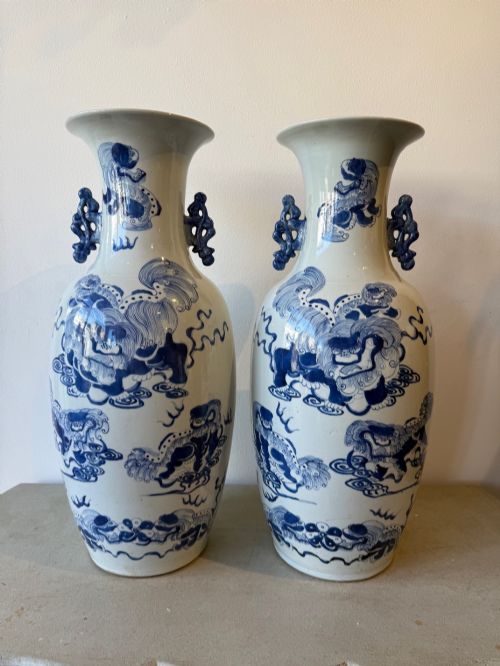
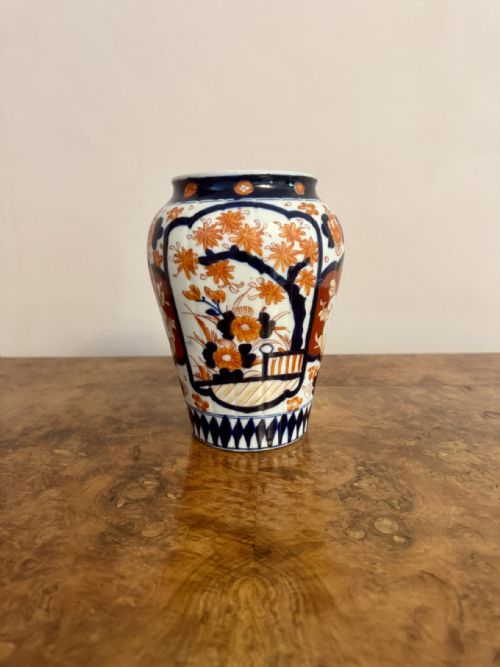
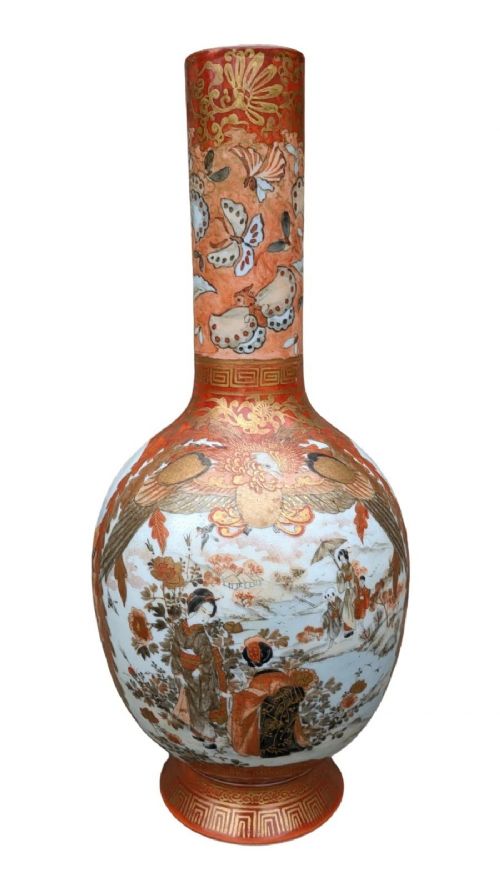
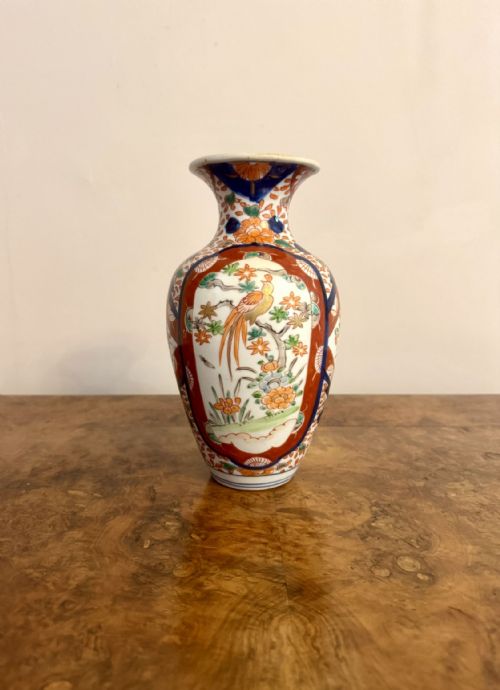
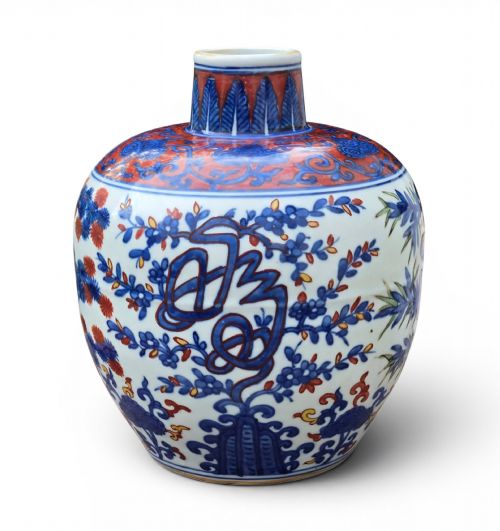
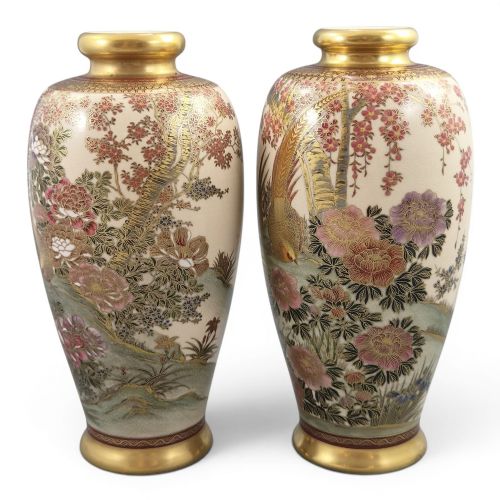
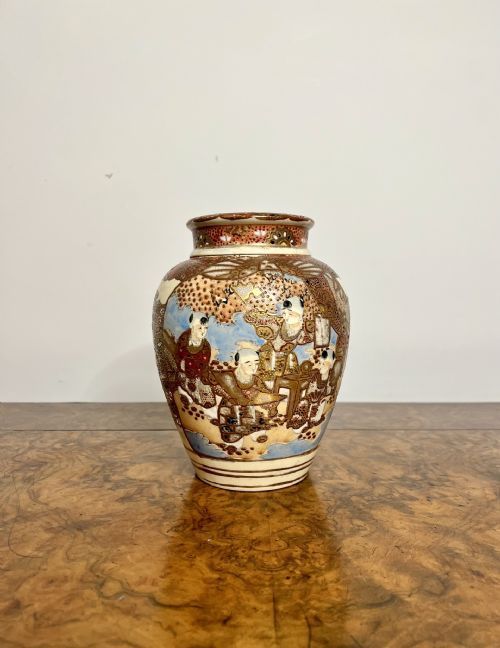
When you search for asian porcelain urns, you encounter a selection of large vessels, lidded jars, and vases originating from China and Japan across the nineteenth and early twentieth centuries. The inventory spans traditional Chinese blue and white porcelain alongside Japanese Satsuma, Imari, and Kutani wares.
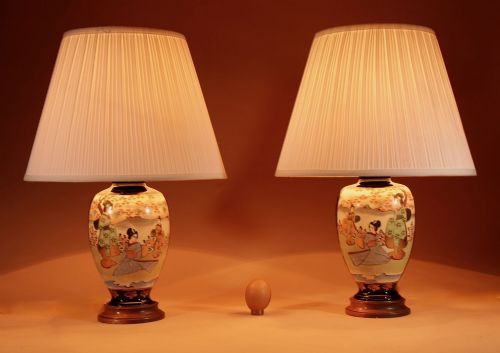
Many of these items date from the Meiji period or late Qing dynasty, reflecting distinct regional aesthetics and export traditions. Forms range from monumental floor vases to smaller ginger jars and table lamps adapted from earlier vessels.
How they were made
Potters shaped these vessels from ceramic and porcelain clays, frequently finishing them with cobalt glazes or rich enamel palettes. Artisans applied intricate hand-painted designs often enriched with gold leaf and gilt detailing.
Firing techniques varied across kilns in Arita, Kyoto, and Seto, producing durable earthenware and porcelain bodies suited for both domestic display and international trade.
Listings feature porcelain, earthenware, enamel, and wood materials spanning the Victorian era through the early twentieth century.
What varies in quality
The standard of these items rests on the precision of the hand-painted brushwork and the complexity of the figural or landscape scenes. Master workshops employed finer enamel layering and controlled gilding that set their output apart from standard commercial wares.
Subtlety in glaze consistency and the crispness of underglaze blue work distinguish superior examples from simpler production pieces.
Manpei·Kinkōzan·Hotoda·Makuzu Kozan·Kato Sanhei·Chosei
The Asian Porcelain Urns Glossary
- Satsuma
- A type of Japanese earthenware featuring a pale, crackled ivory glaze decorated with polychrome enamels and gold. It was widely produced for export during the nineteenth century.
- Imari
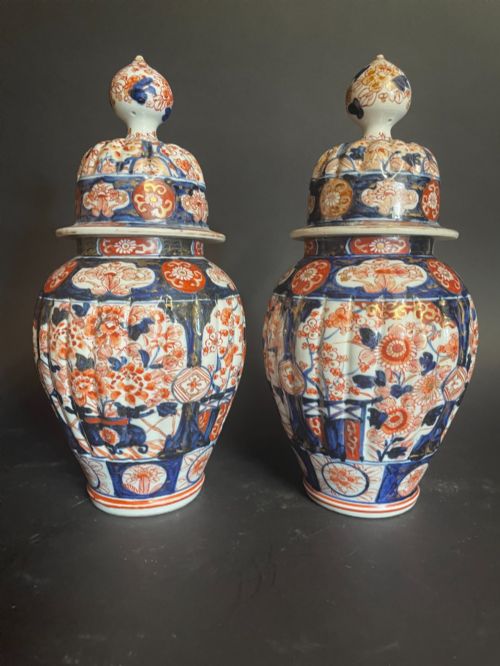
- A style of Japanese porcelain characterised by a palette of underglaze blue, iron red, and gold. These pieces often display dense floral and brocade patterns.
- Celadon
- A term for pottery denoting both European grooved wares and a family of transparent green glazes. The shade results from iron oxide interacting in a reduction kiln.
- Kutani
- Japanese coloured porcelain and pottery marked by bold designs and vibrant enamel colours. Greens, yellows, and purples frequently dominate the palette.
Asian Porcelain Urns: Frequently Asked Questions
What distinguishes Satsuma ware from Imari porcelain?
Satsuma ware utilises an earthenware body covered in a finely crackled ivory glaze and detailed with complex enamel and gold figural scenes. Imari porcelain employs a harder white ceramic base decorated primarily in cobalt blue, iron red, and gilt.
While Satsuma focuses heavily on narrative painting and human processions, Imari relies on symmetrical geometric and floral motifs.
How were these large jars and vases used historically?
Many of these large vessels functioned as decorative centrepieces in grand interiors or served as lidded storage containers for spices and dry goods. Imari jars and covers often stood in pairs on mantelpieces or cabinets.
In later periods, some larger vases were converted into table lamps to suit contemporary lighting trends.
How can I tell the Meiji period pieces apart?
Meiji period items often bear artist signatures or workshop marks on the base, particularly those originating from Kyoto makers like Kinkōzan or Chosei. They display exceptional attention to miniature detail in gold and enamel work.
Earlier nineteenth-century pieces tend to feature bolder, less densely packed compositions with traditional landscape or floral subjects.
Where should I place these vessels in a home?
Large floor vases and lidded jars suit prominent corners, entrance halls, or sturdy side tables where their scale and painted details remain visible. Smaller cabinet pieces and miniature vases fit well within glass display cases or on bookshelves.
Keep them away from direct sunlight to preserve the integrity of the gilt highlights and delicate enamel colours.