



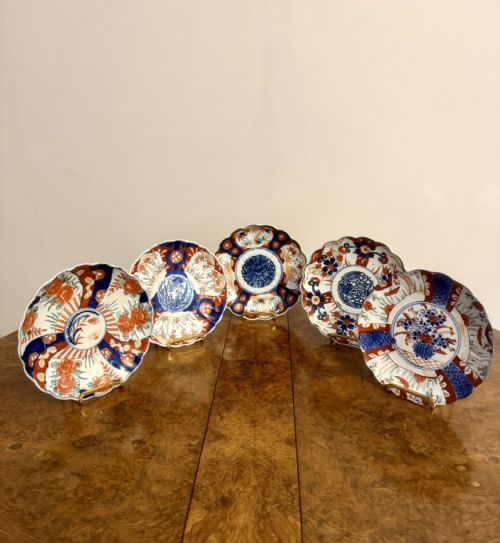
Antique Asian Decorative Ceramics
Antique asian decorative ceramics bring centuries of Eastern artistry into a room, offering hand-painted detail and rich cultural narrative.
Antique Asian Decorative Ceramics
When you search for antique asian decorative ceramics, you encounter a diverse range of objects originating from Japanese and Chinese kilns and workshops. The selection centres heavily on nineteenth-century and early twentieth-century production, spanning periods from the Edo and Meiji eras through to the Taisho and Showa years.
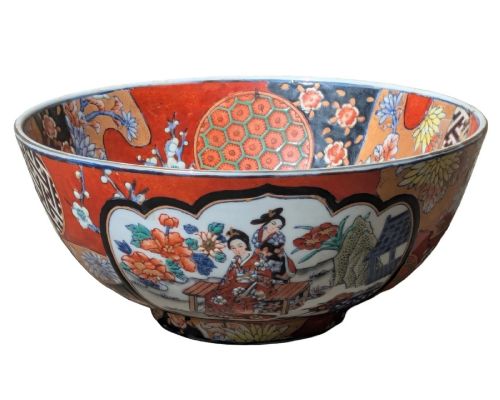
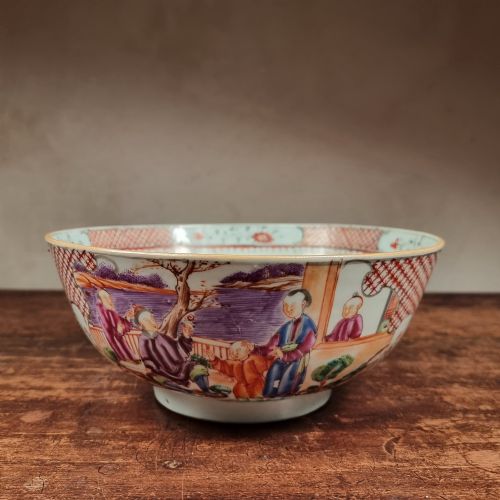
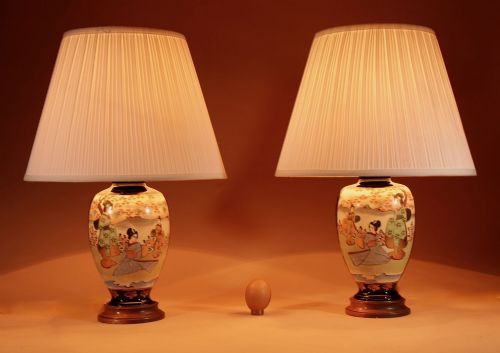
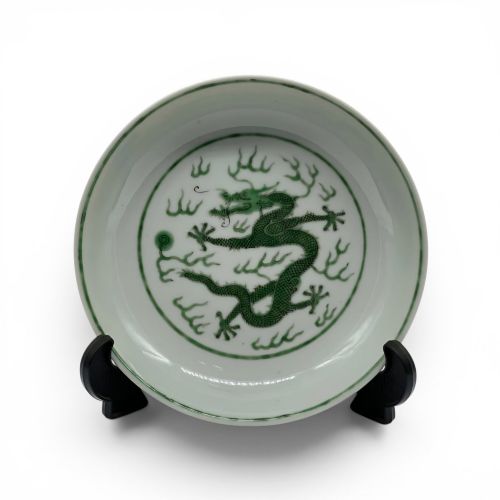
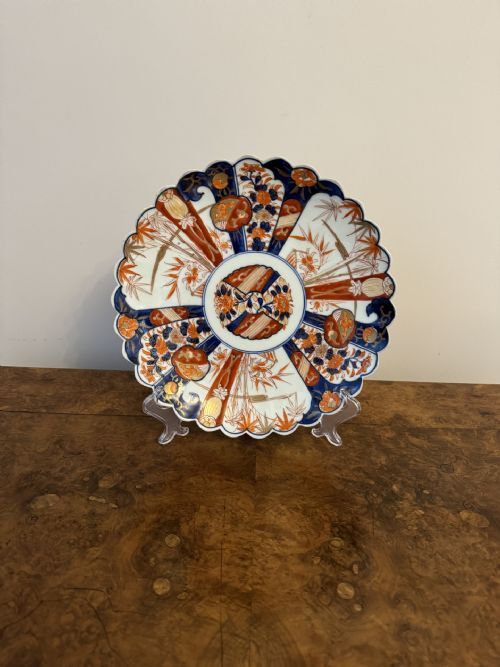
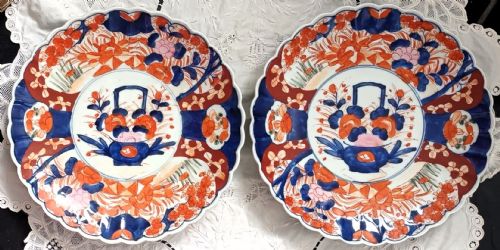
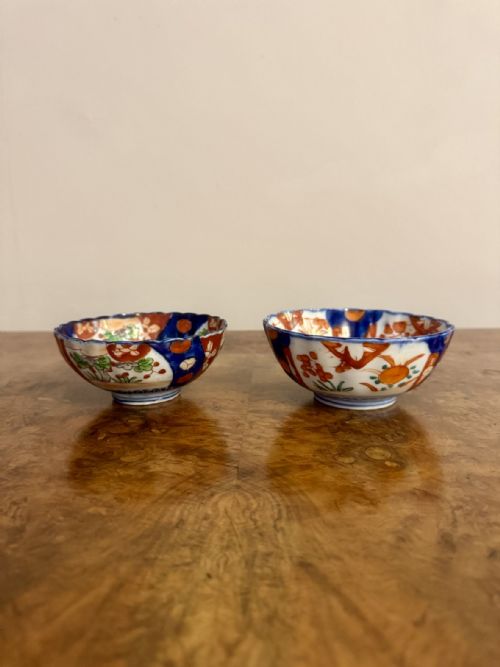
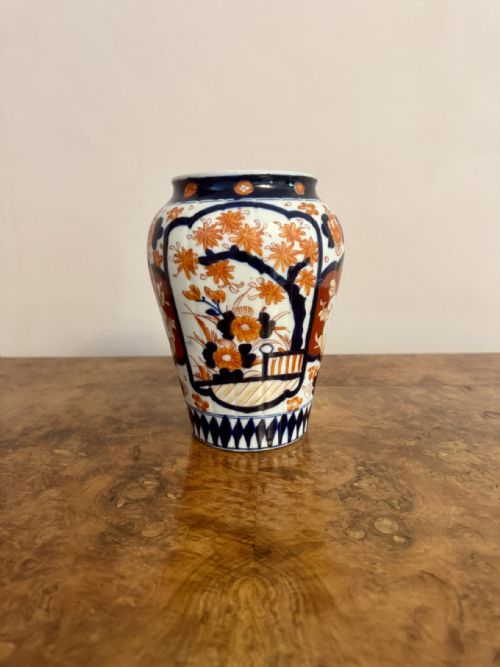
The forms available on this page include large chargers, decorative plates, sweeping vases, lidded jars, and tabletop lamps. Japanese Imari plates and Satsuma bowls dominate the inventory, accompanied by Chinese export bowls and Canton painted enamel pieces.
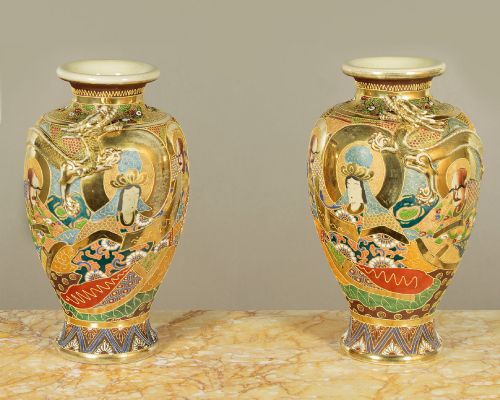
These items were created primarily for display and utility in domestic interiors, capturing traditional motifs, deities, and figurative scenes. Buyers find everything from small scalloped dishes to substantial pairs of baluster vases intended as focal points for a room.
How they were made
Potters and artisans shaped these ceramics from porcelain, earthenware, and stoneware, applying complex glaze and enamel techniques before firing. Many vessels utilise underglaze cobalt blue alongside vibrant overglaze enamel colours.
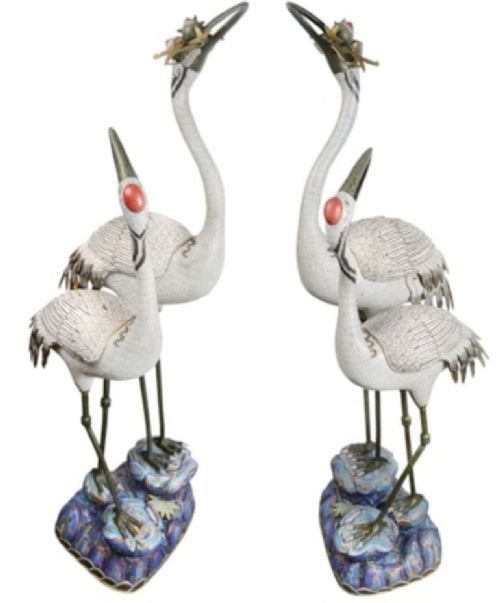
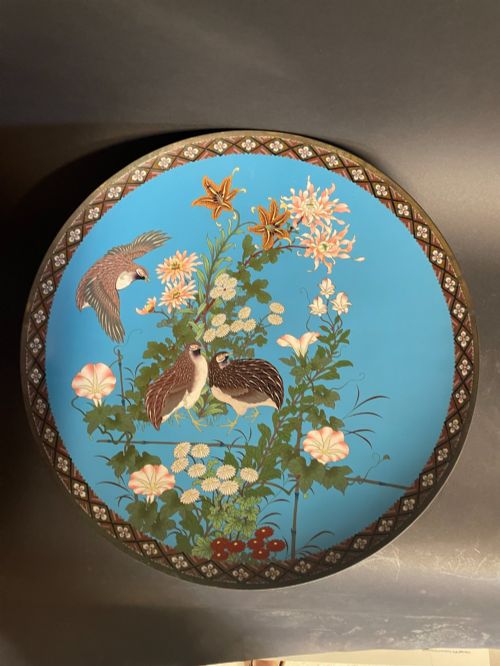
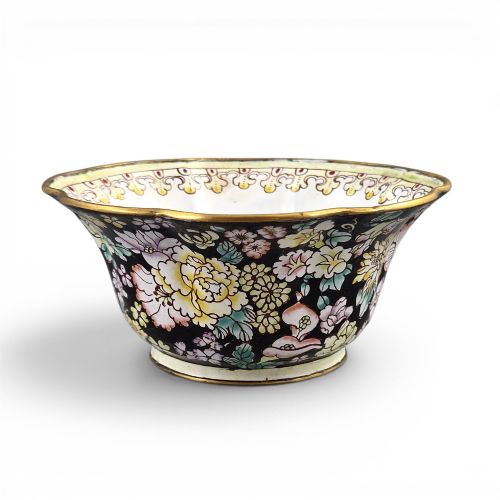
Makers integrated applied details, hand painting, and gold leaf accents to highlight specific motifs and figures. Certain pieces, such as cloisonne dishes or enamel-on-copper bowls, combined metalworking traditions with ceramic arts.
Several plates and chargers depict the Seven Lucky Gods enjoying themselves, proving that ancient deities knew how to unwind.
What varies in quality
The distinction between standard commercial output and exceptional works rests in the precision of the brushwork and the complexity of the painted composition. Master artists executed intricate figurative details and balanced palettes that elevated simple vessels into fine art.
The crispness of moulded edges, such as scalloped rims on plates and hexagonal bowl walls, indicates the standard of the initial ceramic forming. Furthermore, the deliberate placement of gold leaf and the depth of the glaze determine the visual weight of the piece.
Koshida·Manpei·Kozan·Shizan·Makuzu Kozan II
The Antique Asian Decorative Ceramics Glossary
- Imari
- A style of Japanese porcelain featuring distinctive underglaze blue and rich iron red, often augmented with gold leaf. This ware originated in Arita and gained immense popularity across European export markets.
- Satsuma
- Earthenware pottery characterised by a fine crackle ivory glaze and heavily decorated polychrome and gilt enamel scenes. The style developed in the Satsuma Province and evolved significantly during the Meiji period.
- Kutani
- Japanese porcelain or stoneware distinguished by bold colour palettes, particularly iron reds, greens, purples, and yellows. The tradition encompasses various regional kiln styles dating from the seventeenth century onwards.
- Cloisonne
- A decorative technique where enamel paste is applied within compartments created by soldered metal wires on a ceramic or metal base. It produces intricate patterns with defined colour boundaries.
- Famille Rose
- A major palette of Chinese ceramic glazes introduced in the eighteenth century, dominated by opaque pink or rose enamel colours. The style depicts floral, figural, and narrative scenes with great delicacy.
Antique Asian Decorative Ceramics: Frequently Asked Questions
How do I care for antique ceramic dishes?
Dust these decorative items gently with a dry, soft cloth to prevent surface scratching. Avoid using chemical cleaners or submerging painted pieces in water, particularly those with delicate gold leaf or overglaze enamel.
Keep the items away from direct sunlight to preserve the vibrancy of the pigments. Display them securely on stable surfaces or dedicated stands to prevent accidental knocks.
Can these table lamps be safely rewired?
Many ceramic lamps from the early twentieth century adapt well to modern electrical standards by a qualified electrician. The original ceramic body remains untouched while the internal wiring and fittings are updated for safe home use.
Consult a professional to ensure the mounting hardware does not stress the ceramic vessel. Proper installation protects the antique body while providing functional lighting.
What is the difference between Imari and Satsuma ware?
Imari pieces are typically hard-paste porcelains featuring blue and red underglaze patterns with metallic highlights. They offer a ringing tone when tapped and a smoother, vitrified body.
Satsuma items are generally earthenware with a characteristic network of fine glaze cracks across an ivory or cream background. They rely on dense, matte enamel painting and heavy gilding rather than translucent porcelain glazes.
How are periods like Meiji identified?
Meiji period items correspond to the reign of the Meiji Emperor, spanning from eighteen sixty-eight to nineteen twelve. Stylistic shifts during this era moved from traditional motifs toward intricate, highly detailed decorative export work.
Signatures, artist marks, and changes in kiln technology help narrow down the specific decades within this timeframe. Comparative study of brushwork and forms assists in separating nineteenth-century pieces from later Taisho revivals.