



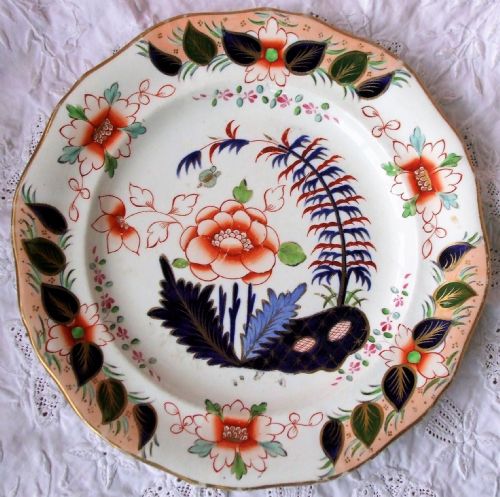

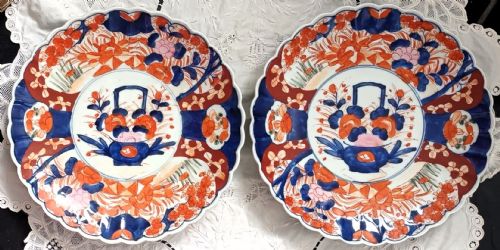
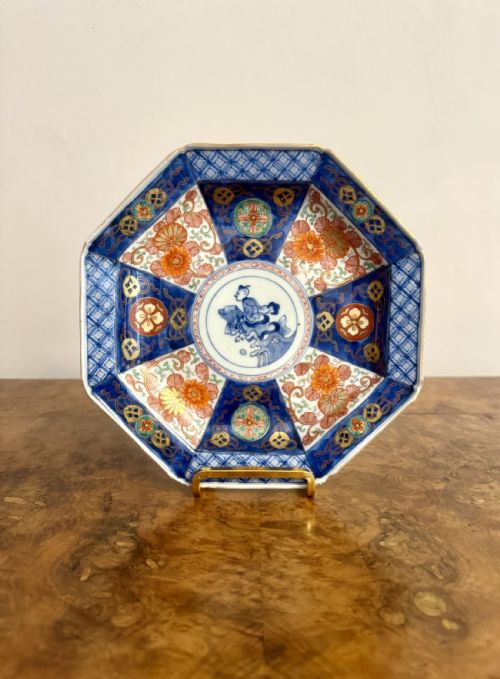
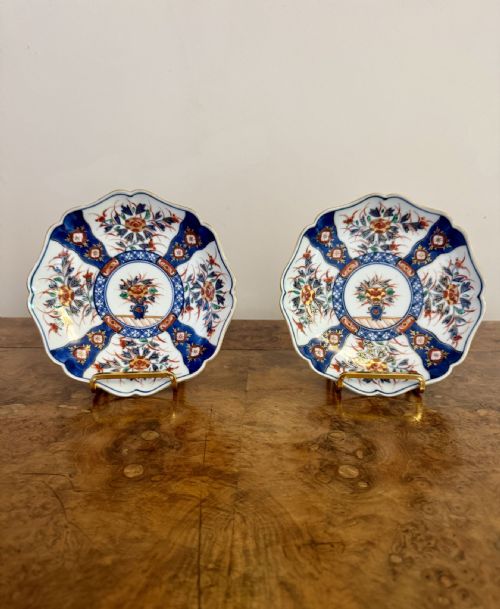

Floral Painted Porcelain Chargers
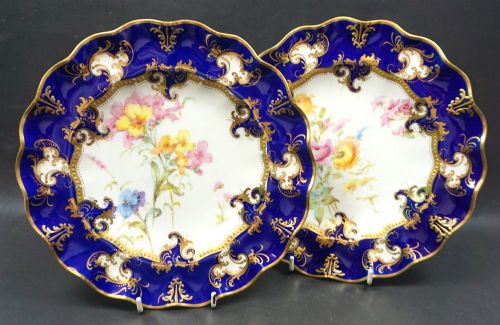
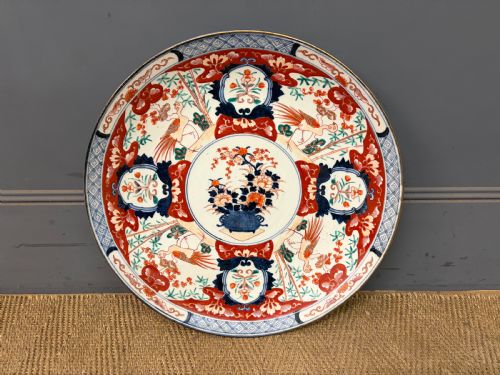
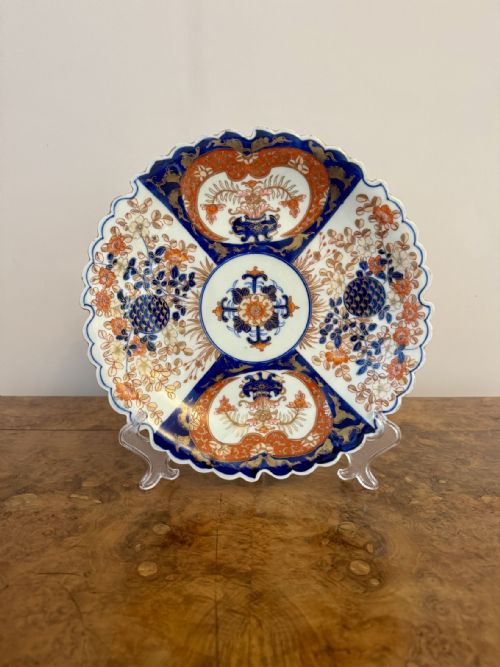
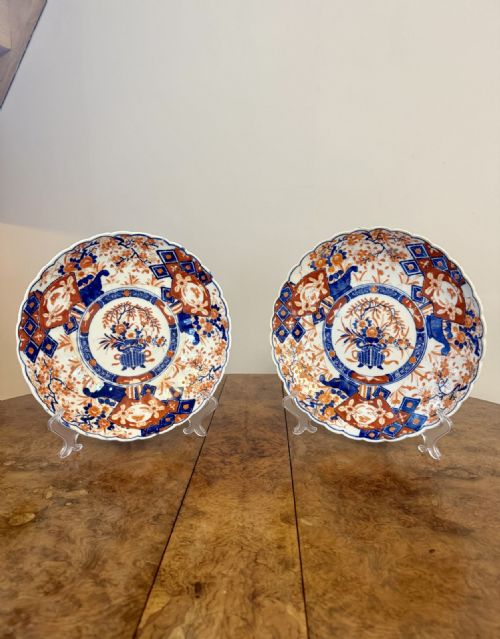
These floral painted porcelain chargers bring bold hand-painted botanical and avian motifs to large-scale display plates.
Floral Painted Porcelain Chargers
When searching for floral painted porcelain chargers, buyers encounter substantial display pieces designed for walls, cabinets or tables rather than everyday dining use. The selection spans the eighteenth, nineteenth and early twentieth centuries, drawing heavily upon Japanese Imari, Chinese export and European factory traditions.
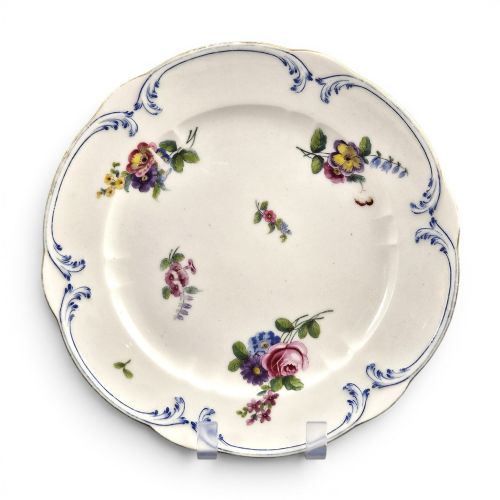
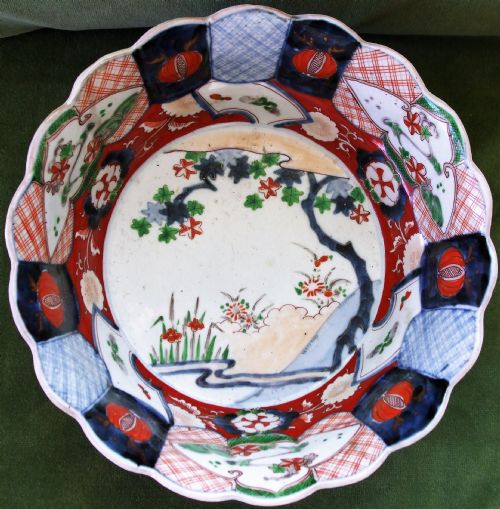
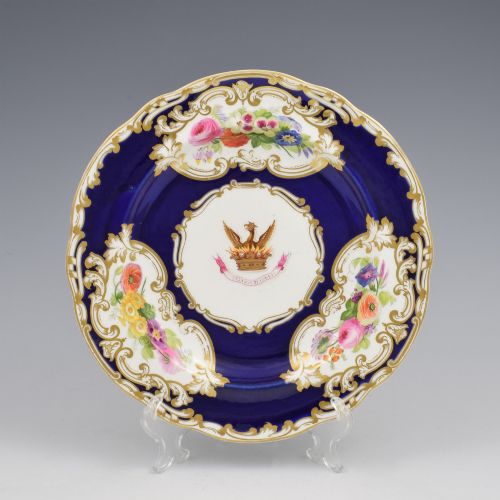
The version most frequently met on this page is the nineteenth-century Japanese Imari charger or large plate featuring hand-painted floral and bird designs. These items cross paths with English cabinet plates, French soft-paste porcelain and Chinese export wares, uniting diverse origins under the banner of large-format ceramic decoration.
How They Were Made
The makers utilised porcelain, ceramic and ironstone bodies, shaped into chargers, bowls and scalloped plates before applying detailed cobalt underglaze, enamel paint and glaze. Many examples integrate gold leaf, gilt and gilding to accentuate the painted motifs.
Firing techniques allowed complex colour palettes to adhere to the ceramic surface, particularly within the Japanese Imari and Chinese traditions. Surface decoration relied upon skilled brushwork applied by hand to achieve intricate floral and avian patterns.
The listings feature porcelain, ceramic and ironstone forms spanning the eighteenth century to the early twentieth century.
What Varies in Quality
The standard of painting determines the upper tier of the range, separating hurried production from deliberate, precise brushwork on floral and bird designs. Crisp application of cobalt underglaze and enamel colours indicates superior execution.
Form and edge treatment also set individual pieces apart, seen in well-defined scalloped, hexagonal or square shapes rather than simple round profiles. The preservation of original gilding and gold leaf without excessive rubbing elevates certain examples above standard domestic wares.
Royal Crown Derby·John Ford·Ambroise Michel·John Davenport of Longport·Meissen·Copeland·Pucher Deroche
The Floral Painted Porcelain Chargers Glossary
- Imari
- A style of Japanese porcelain featuring a distinct palette of cobalt blue, iron red and gold, widely imitated in Europe.
- Charger
- A large decorative plate traditionally used for ceremonial display rather than direct food service.
- Cobalt Underglaze
- Pigment applied to the raw ceramic body before firing and glazing, producing a durable blue design.
- Cabinet Plate
- A smaller fine porcelain plate intended specifically for display in a cabinet or on a wall.
- Soft-Paste Porcelain
- An early European ceramic composition fired at lower temperatures than true hard-paste porcelain.
Floral Painted Porcelain Chargers: Frequently Asked Questions
What is an Imari charger?
An Imari charger is a large decorative plate originating from Japan, characterised by rich hand-painted floral and bird designs in blue, red and gold.
These pieces were produced in large numbers during the nineteenth century and exported widely to Europe and Britain.
How were large chargers displayed?
Large chargers were traditionally hung on walls or stood on sideboards in dining rooms and entrance halls for visual impact.
Their substantial diameter and colourful painted surfaces made them ideal focal points for interior decoration.
How do I tell nineteenth century pieces apart?
Nineteenth century pieces vary by origin, distinguishing Japanese export porcelain from English ironstone and French soft-paste wares through paste weight and pigment style.
Examining the foot ring, glaze texture and brushwork technique helps identify the specific manufacturing tradition.
Can I use these chargers for dining?
These pieces function primarily as cabinet plates and wall plates rather than functional tableware for daily meals.
Using them for display protects the delicate enamel paints, gold leaf and historic ceramic bodies from damage.