




Pierced Lid Porcelain Jar
A pierced lid porcelain jar brings intricate craftsmanship and delicate fragrance to a room, holding dried flowers within its perforated cover.
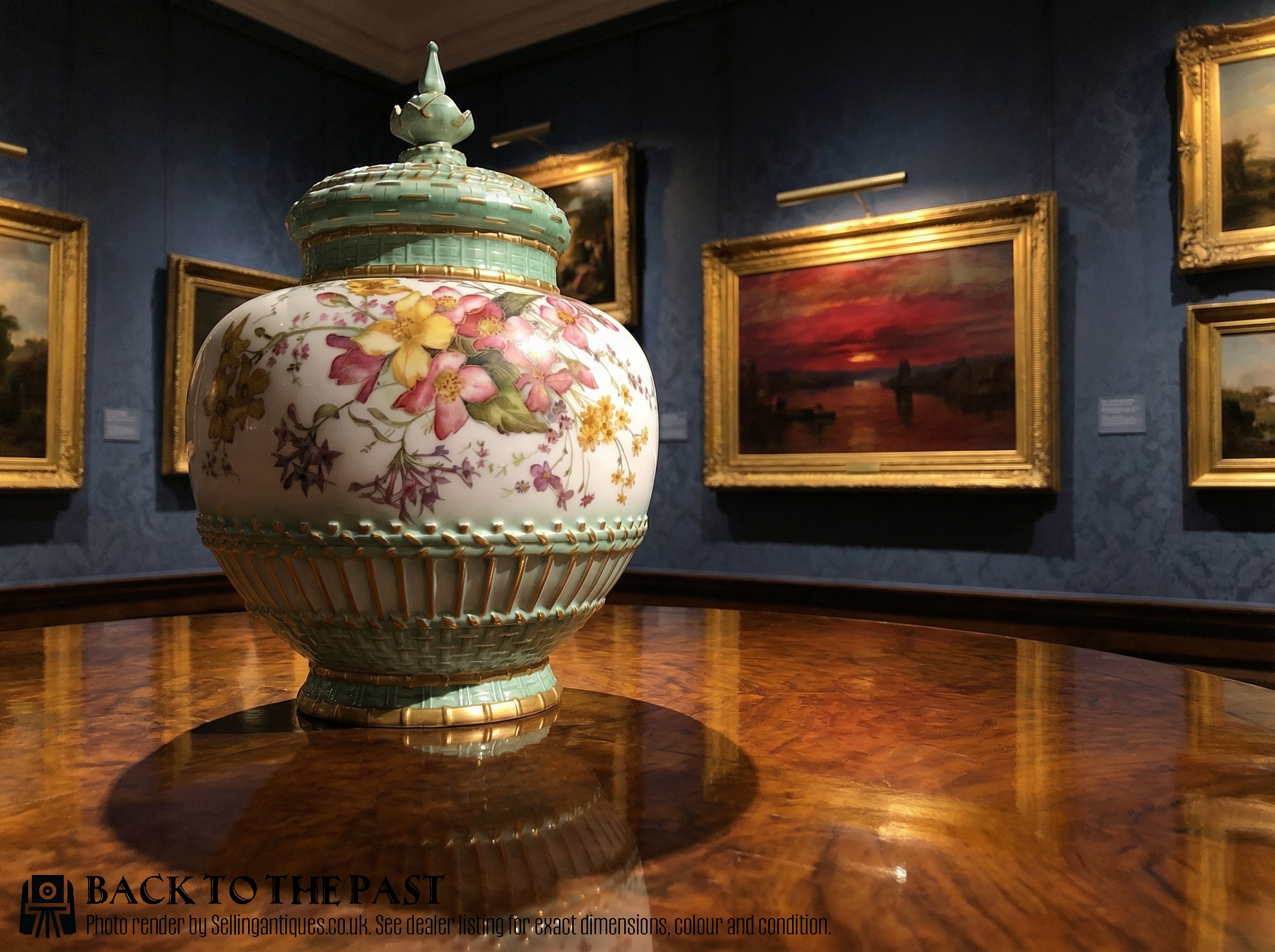
Pierced Lid Porcelain Jar
When you search for a pierced lid porcelain jar, you encounter decorative vessels, pots, and urns designed to diffuse scents or simply ornament a space. These pieces span centuries of production, appearing in periods from the eighteenth century through the mid twentieth century.
The versions most frequently met on this page include potpourri jars and lidded vases featuring perforated, crown, or pierced covers. Originating from diverse British and European workshops, they utilise materials such as bone china, ironstone, and porcelain.
The forms encompass pedestal vases, handled vessels, and matching pairs designed for mantelpieces and display cabinets. Traditional English and Rococo Revival styles dominate the aesthetic, reflecting both neoclassical grace and ornate nineteenth century tastes.
Materials and construction
Potters shaped fine ceramic and porcelain bodies before firing them to create durable vessels capable of holding aromatics. Artisans then applied detailed hand painting, enamelling, and gilding to enrich the outer surfaces.
Lids required careful perforation during the manufacturing process to ensure the pierced patterns remained crisp and even after firing. Skilled painters often signed their botanical or fruit compositions directly onto the glazed ceramic body.
Pierced Lid Porcelain Jar Retail Price Guide 2026
Typical asking prices for pierced lid porcelain jar among the pieces listed under this phrase on Sellingantiques today, from the lower quarter to the upper quarter. They describe what is for sale here now, not the wider market.
Listings feature porcelain, ironstone, and bone china from the eighteenth century to the mid twentieth century.
Judging quality and execution
The fineness of the ceramic body and the precision of the pierced lid separate standard production from superior examples. Crisp execution in the reticulationwork demonstrates the skill of the potter before the final glaze firing.
Hand painted detail, particularly signed botanical or fruit artwork by notable ceramic artists, elevates the visual interest of a piece. Gilding preservation and the crispness of moulded scrollwork or handles further indicate the grade of manufacture.
Chamberlain Worcester·Masons Ironstone·Sitzendorf Porcelain·Royal Worcester·Herend
The Pierced Lid Porcelain Jar Glossary
- Pot pourri
- A mixture of dried petals and spices placed inside a jar to release a gentle scent through a pierced lid.
- Ironstone
- A heavy, durable type of earthenware patented in the nineteenth century to imitate porcelain.
- Gilding
- The application of gold leaf or gold paint to highlight moulded details, handles, and rims.
- Reticulation
- A network of pierced or openwork decoration cut into ceramic lids and vessels during manufacture.
Pierced Lid Porcelain Jar: Frequently Asked Questions
What is a pierced lid porcelain jar used for?
These jars were traditionally filled with dried flower petals and spices to scent domestic interiors while resting on tables or mantelpieces.
The perforated covers allowed aromatic oils to diffuse naturally throughout the room without needing an open container.
How do I care for these antique vessels?
Dust the exterior gently with a dry, soft cloth and avoid submerging painted or gilded surfaces in water.
Keep the pieces away from direct sunlight to preserve the vibrancy of hand painted enamels and gold leaf.
How can I tell the period of a jar?
Examine the base for factory marks, artist signatures, and ceramic bodies that indicate specific production eras from the Georgian period onward.
Stylistic cues such as Rococo scrollwork or Edwardian blush ivory glazes also help narrow down the manufacturing date.
Are the lids removable?
Most covers lift off freely to allow access to the interior chamber where potpourri or dry aromatics were stored.
Some examples feature secured crown covers or tight fitting lids designed to stay firmly in place during display.