

Edwardian Royal Worcester Porcelain
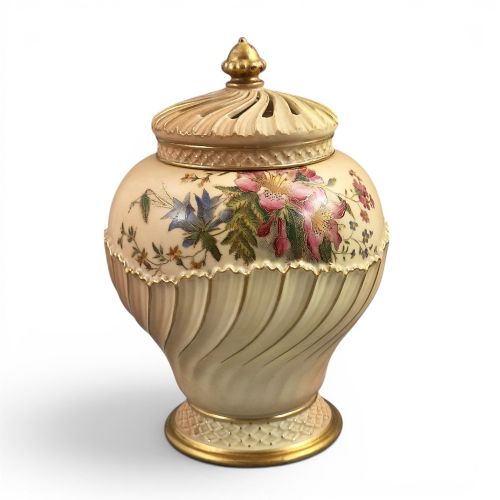
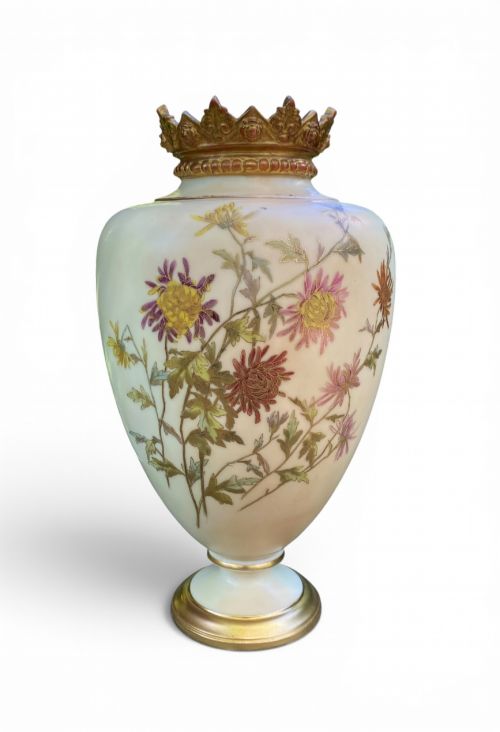
Edwardian royal worcester porcelain encompasses delicate hand-painted cabinet plates, blush ivory vases, and decorative tableware produced around the turn of the twentieth century.
Edwardian Royal Worcester Porcelain
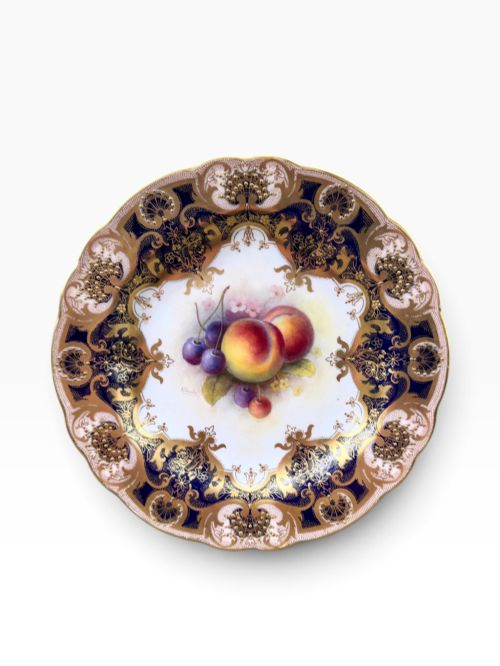
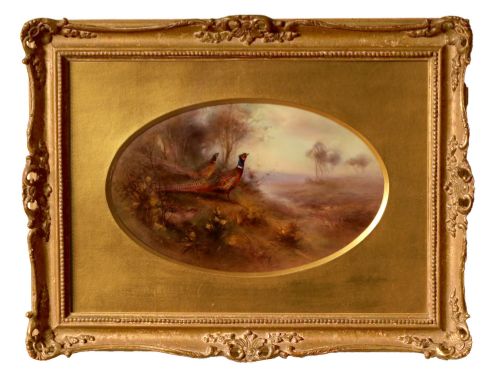
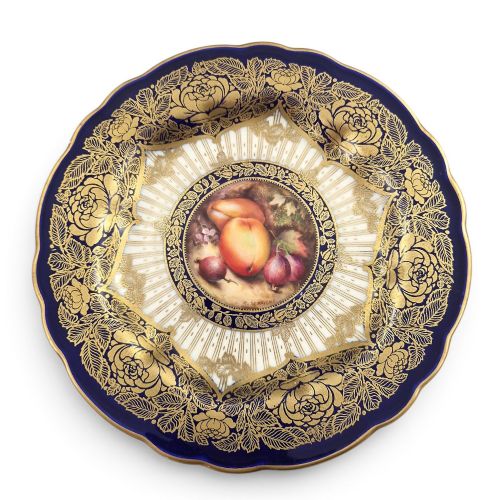
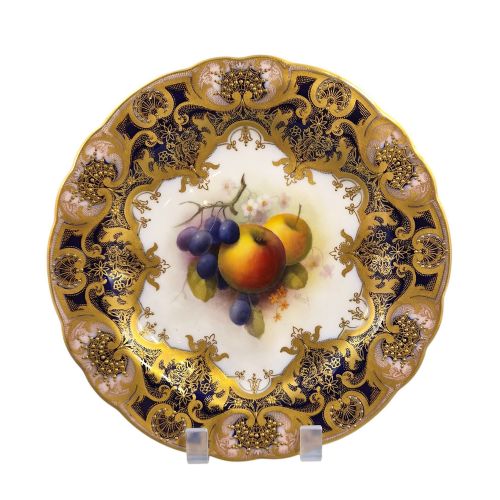
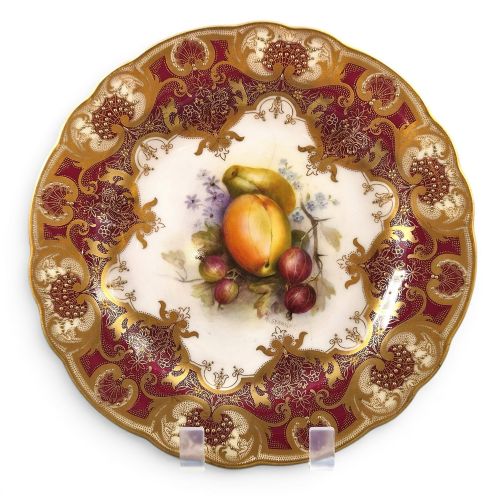
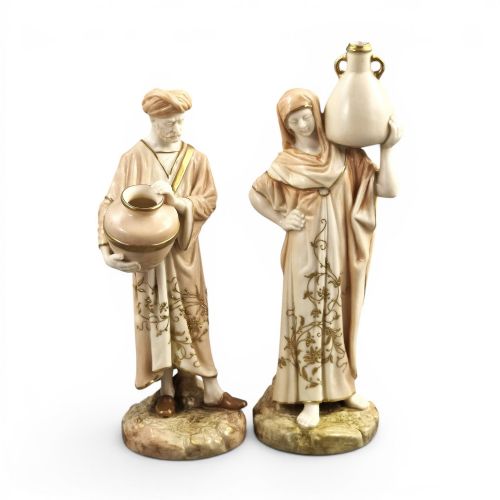
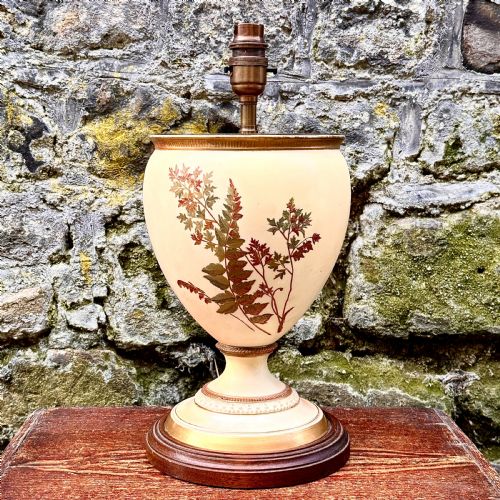
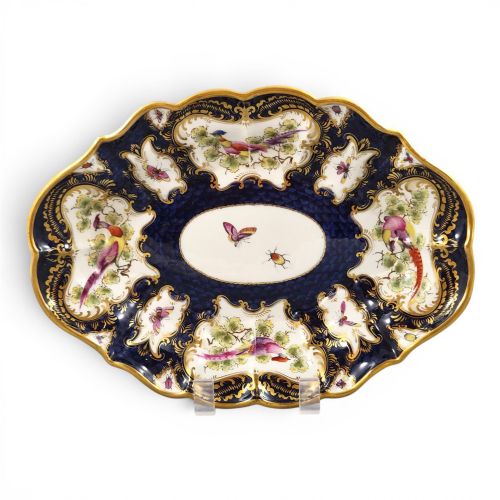
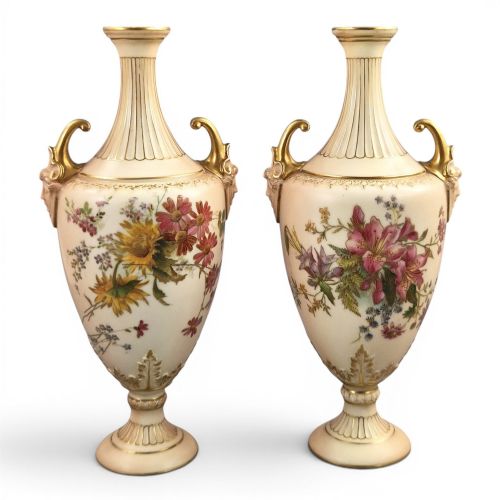
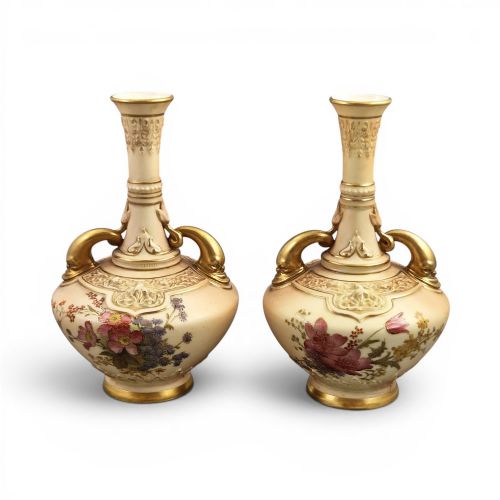
Collectors seeking edwardian royal worcester porcelain typically encounter delicate cabinet plates, blush ivory vases, and decorative jugs spanning the late nineteenth and early twentieth centuries. These pieces reflect a transition from Victorian revivalist styles towards lighter, nature-inspired motifs, featuring hand-painted fruit, floral sprays, and avian subjects.
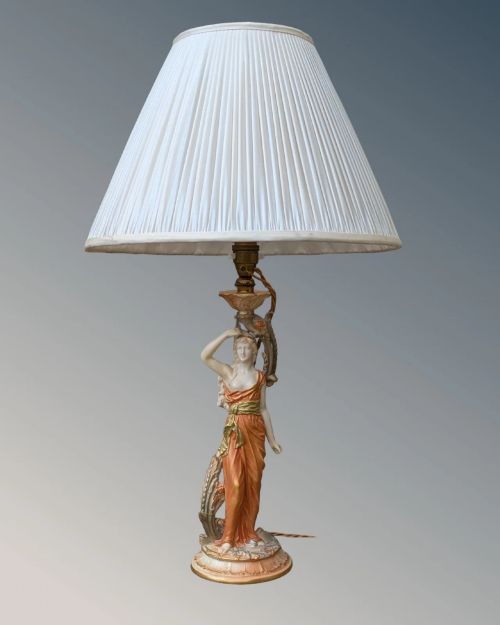
The objects on offer range from utilitarian tea trios and dessert dishes to monumental ewers, table lamps, and framed porcelain plaques. Blush ivory pieces with gilded details and floral patterns appear frequently, alongside cabinet plates signed by prominent factory artists.
Materials and Techniques
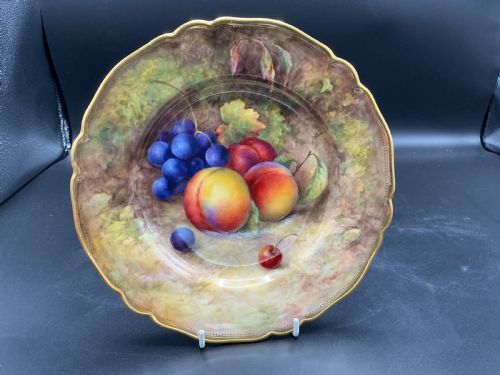
The manufacture of edwardian royal worcester porcelain relies upon fine porcelain and bone china bodies, often finished with distinctive blush ivory grounds that mimic the warmth of unglazed bisque. Artisans applied hand-painted enamels directly onto the ceramic body, depicting botanical studies, birds, and intricate fruit scenes.
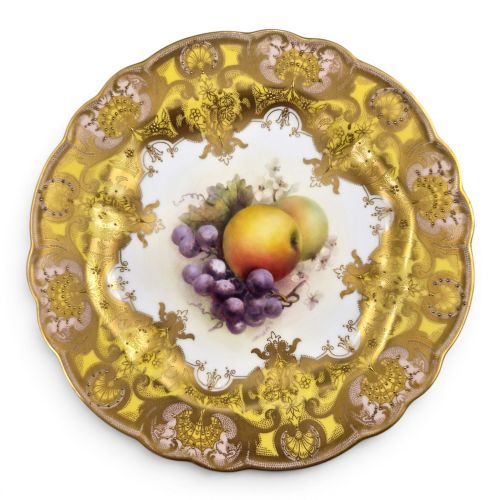
Metallic embellishments played a central role in the workshop output, incorporating gold leaf, heavy gilding, and tooled gilt borders to frame the central painted reserves. Pierced handles, shot enamel, and raised gilt decoration further demonstrate the technical proficiency of the decorators.
Edwardian Royal Worcester Porcelain Retail Price Guide 2026
Typical asking prices for edwardian royal worcester porcelain among the pieces listed under this phrase on Sellingantiques today, from the lower quarter to the upper quarter. They describe what is for sale here now, not the wider market.
Listings for edwardian royal worcester porcelain feature porcelain and bone china forms enriched with gold leaf, enamel, and intricate gilding.
Assessing Quality and Artistry
Quality in edwardian royal worcester porcelain rests heavily upon the skill of the painter and the complexity of the decorative scheme. Pieces bearing signatures from renowned studio artists command greater attention due to the individual artistic execution evident in the brushwork.
The sophistication of the secondary decoration also distinguishes standard wares from exceptional examples, such as intricate tooled gilding, cobalt blue scale grounds, and pierced handles. The preservation of the enamel colours and the crispness of the gilt work determine the overall visual impact of each ceramic form.
Albert Shuck·James Stinton·Richard Sebright·James Hadley·C. Baldwyn
The Edwardian Royal Worcester Porcelain Glossary
- Blush ivory
- A soft, matte cream-coloured ground developed by the factory to resemble the tone of real ivory, frequently decorated with pastel floral sprays.
- Cabinet plate
- A decorative ceramic plate intended for display in a cabinet or on a wall rather than for practical dining use.
- Shot enamel
- A specialised glazing technique where colours shift and shimmer under different angles of light.
- Tooled gilt
- Gold leaf applied to the ceramic surface and subsequently impressed or chased with fine geometric or organic patterns.
- Ewer
- A large, ornate water jug with a bulbous body, narrow neck, and sweeping handle, often produced as a decorative pair.
Edwardian Royal Worcester Porcelain: Frequently Asked Questions
What is blush ivory porcelain?
Blush ivory refers to a specialised matte cream glaze developed to emulate the appearance of natural ivory. It provides a muted backdrop for hand-painted floral sprays and gilt highlights.
This finish is particularly characteristic of domestic and decorative wares produced around the turn of the twentieth century by the factory.
How are these pieces signed?
Many fine pieces feature the personal signature or initials of the individual artist who painted the central motif. Signatures from notable decorators appear near the edge of painted fruit scenes or wildlife subjects.
Factory stamps and date codes on the underside also help identify the exact year of production and the specific pattern number.
Can cabinet plates be used for dining?
Cabinet plates are primarily created for display in cabinets, on plate racks, or mounted on walls. Their delicate hand-painted enamel surfaces and intricate gilding make them unsuited for everyday dining.
Displaying these items away from direct heat sources helps preserve the fragile painted reserves and metallic detailing.
What subjects appear on the painted wares?
Popular decorative subjects include botanical studies of chrysanthemums and roses, alongside ornithological scenes featuring storks, swans, and peacocks. Hand-painted fruit studies signed by studio artists also form a prominent category.
Landscape paintings and highland cattle scenes further illustrate the diverse artistic repertoire employed by the decorators.