



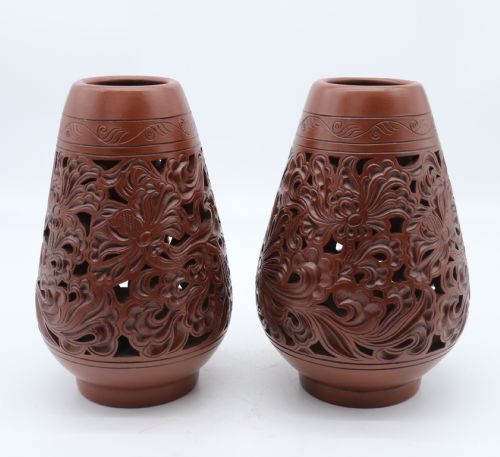


Brown Earthenware Vase
A brown earthenware vase brings earthy warmth to a room, offering tactile glazes and historic vessel forms shaped over centuries.
Brown Earthenware Vase
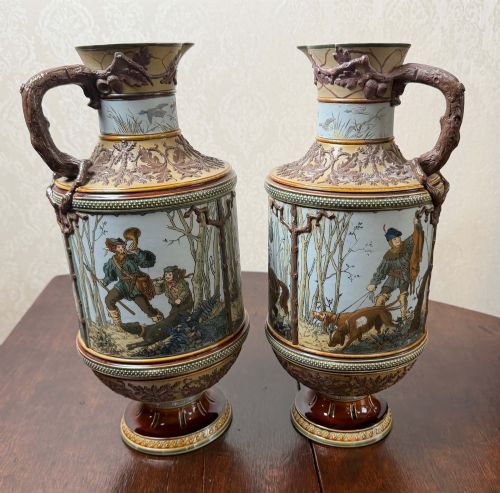
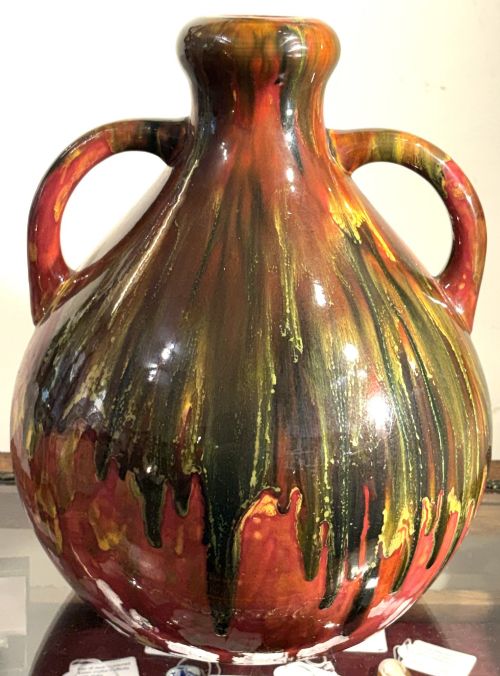
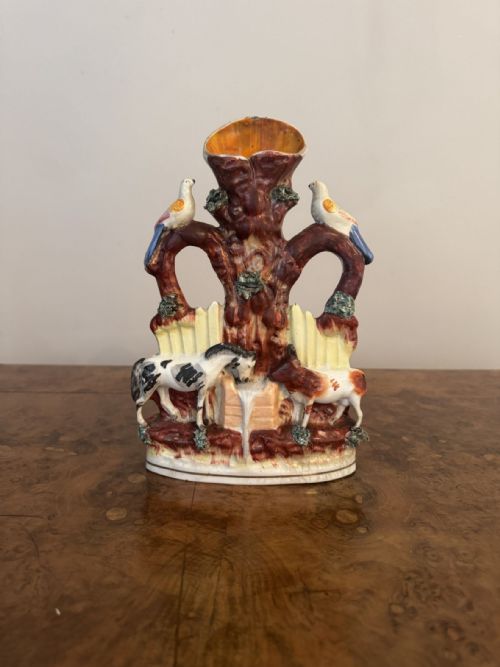
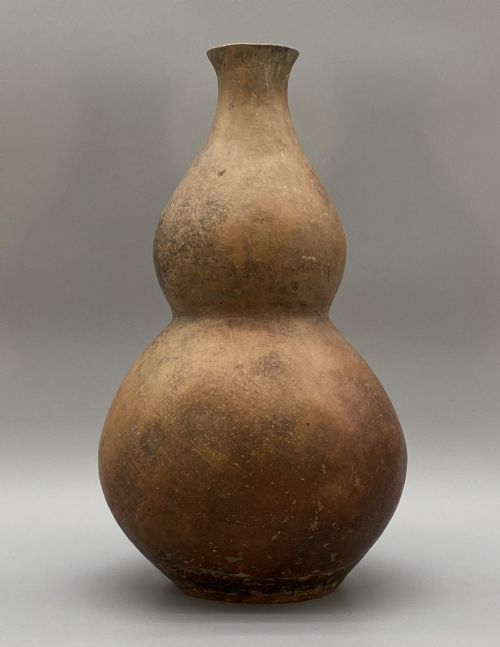
When you search for a brown earthenware vase, you encounter a diverse group of ceramic and terracotta vessels spanning the nineteenth century alongside select earlier and ancient works. These objects take the form of spill vases, twin-handled vessels, amphorae, decorative jars, and large umbrella stands.
The nineteenth-century examples dominate the selection, bringing Victorian, Arts and Crafts, and Victorian Art Pottery aesthetics into domestic spaces. Alongside British pottery, the listings include continental European wares, Mediterranean rustic pieces, and historic Asian ceramics.
Makers ranged from major factories producing faience to regional potteries creating utilitarian and decorative earthenware. Buyers find everything from small mantelpiece spill holders to substantial floor-standing vessels.
What varies in quality
Quality rests in the crispness of the modelling and the control of the glaze, where deliberate shading and rich colour depth distinguish superior studio and factory output from simpler utilitarian wares. The ambition of the form, from standard spill vases to complex amphorae and twin-handled shapes, sets the artistic standard.
The distinction between standard commercial production and masterworks by notable potteries lies in the handling of surface detail, firing execution, and the integration of decorative elements such as handles or reticulated patterns.
Brown Earthenware Vase Retail Price Guide 2026
Typical asking prices for brown earthenware vase among the pieces listed under this phrase on Sellingantiques today, from the lower quarter to the upper quarter. They describe what is for sale here now, not the wider market.
Some nineteenth-century Staffordshire potters turned brown earthenware into remarkably earnest ceramic deers and flat-back figures for Victorian mantelpieces.
Burmantofts·Paul Dachsel·Linthorpe Pottery
The Brown Earthenware Vase Glossary
- Earthenware
- Porous pottery fired at lower temperatures, requiring a glaze to hold liquids. It forms the structural body for many traditional decorative vessels.
- Faience
- Tin-glazed earthenware decorated with opaque coloured glazes. This technique allows for vibrant surface designs on Victorian art pottery.
- Spill vase
- A small upright vessel designed to hold slender wooden spills used for lighting candles or fires. These often take figurative or decorative forms on mantelpieces.
- Amphora
- A two-handled ancient Greek or Roman jar used for storage or transport, later adopted as a classic decorative vessel shape by nineteenth-century potteries.
- Reticulated
- Openwork decoration created by cutting or piercing clay before firing. This intricate technique results in a lace-like ceramic pattern.
Brown Earthenware Vase: Frequently Asked Questions
How do I date a brown earthenware vase?
Dating relies on stylistic clues, factory marks, and the specific clay and glaze characteristics typical of periods like the nineteenth century or Arts and Crafts movement.
Examining the base and interior often reveals manufacturing methods that help distinguish Victorian production from earlier or later works.
Where were these vases displayed historically?
Victorian households placed smaller spill vases on mantelpieces near fireplaces, while larger vessels and amphorae stood in halls and principal rooms.
Umbrella and stick stands found their natural home in hallways and entranceways to handle everyday practical needs.
Are these vases waterproof?
Most glazed earthenware vessels hold water safely, though porous terracotta or unglazed sections require caution.
Using a discreet inner container protects antique ceramic bodies from moisture damage over time.
What is the difference between earthenware and stoneware?
Earthenware is fired at lower temperatures and remains porous unless glazed, while stoneware is fired much higher until the body vitrifies and becomes completely non-porous.
Both materials appear across nineteenth-century decorative vessels depending on the intended finish and function.