
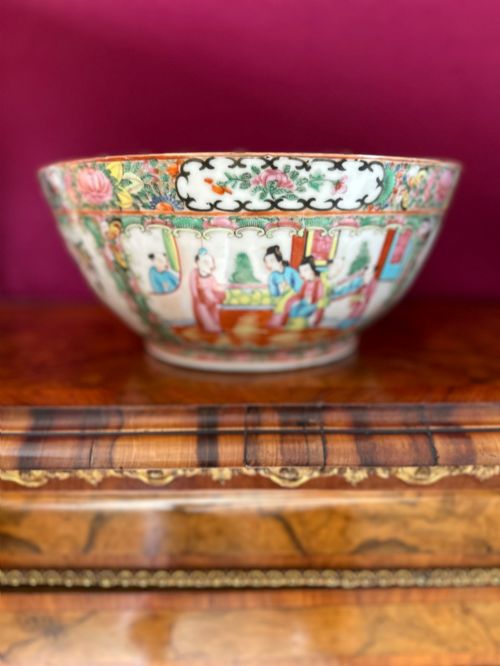
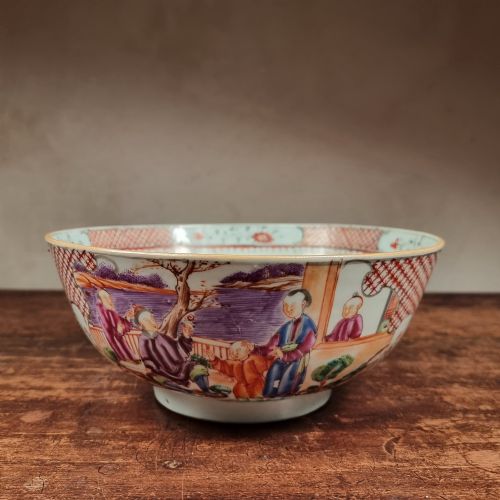
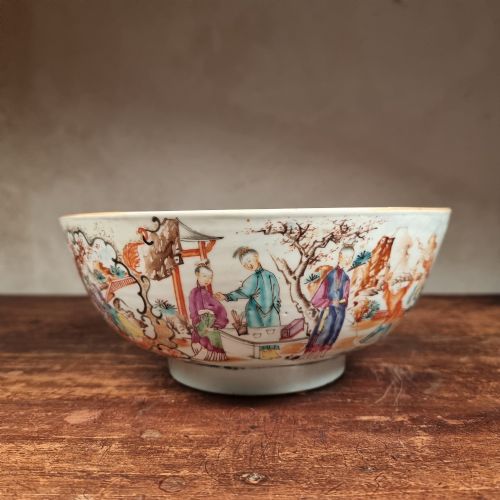
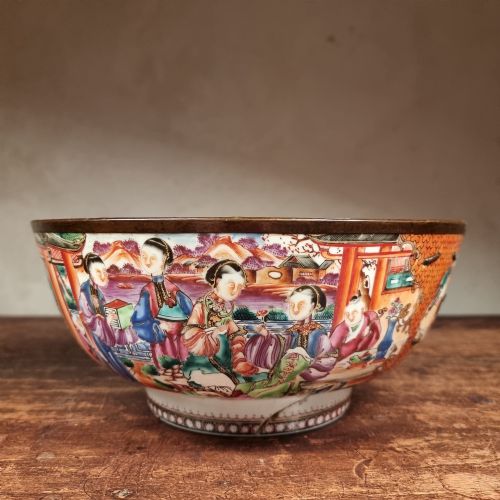




Oriental Punch Bowl
An oriental punch bowl brings generous proportions and rich painted detail to a room, drawing the eye with centuries of craft.
Oriental Punch Bowl
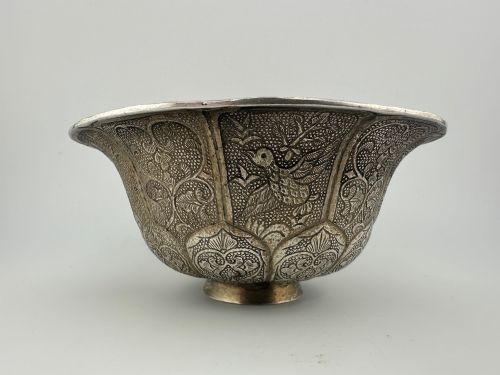
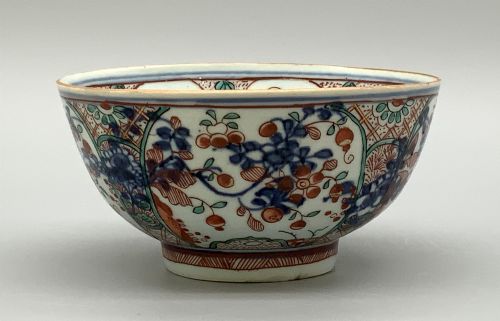
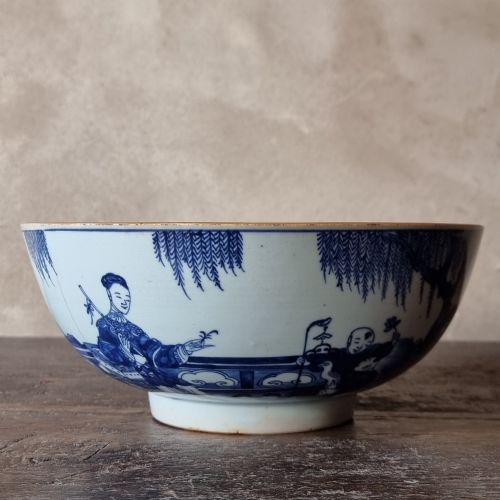
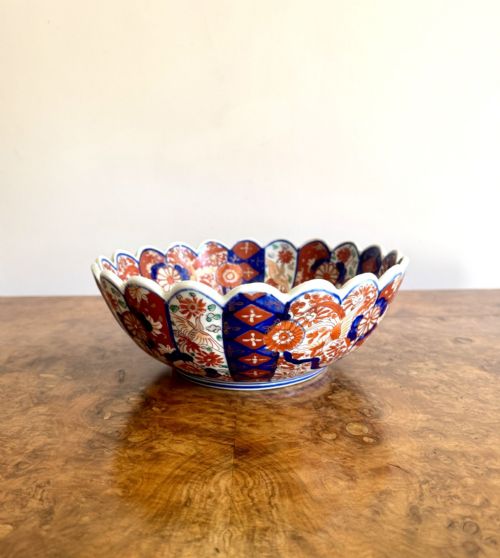
An oriental punch bowl is a large decorative vessel designed for serving drinks or displaying form, rooted in centuries of Asian export and domestic traditions. When you search for an oriental punch bowl, you encounter substantial ceramic vessels originating from Chinese and Japanese kilns across multiple periods. The selection here spans from early Ming dynasty examples through 18th-century Kangxi porcelain to Victorian and later Japanese Imari and Satsuma productions.
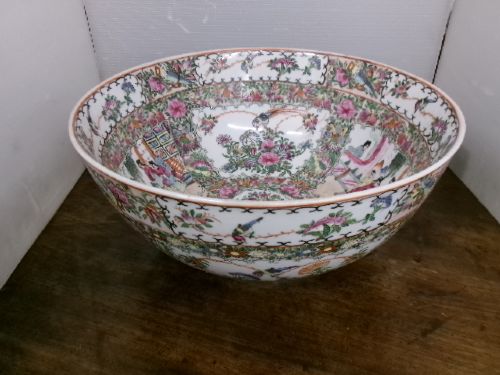
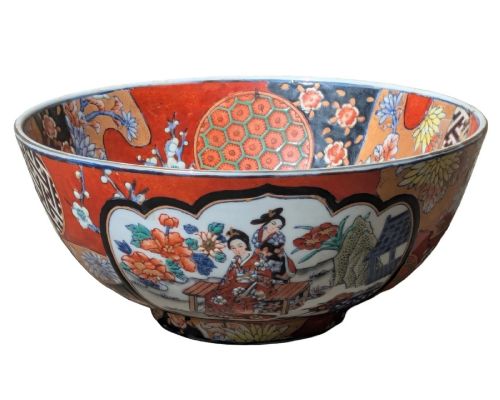
Most pieces you meet on this page date from the 19th century and the 1900s, reflecting the strong trade and aesthetic exchange of those eras. Forms range from simple bowls and decorative centrepieces to large hand-painted vessels intended for substantial presentation. Chinese export wares and Japanese Imari pieces dominate the selection, offering distinct palettes of blue, white, and polychrome enamel.
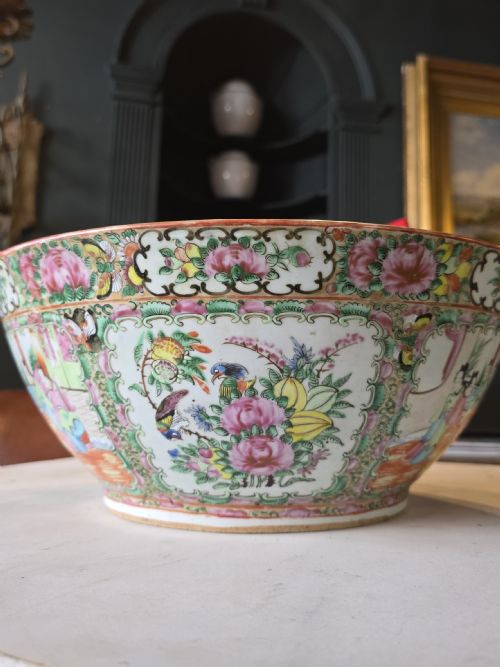
The historical scope includes Ming dynasty punch bowls alongside Cantonese famille rose wares and Japanese Meiji period satsuma bowls. Each type carries the specific decorative vocabulary of its maker and period, from scholars in blue and white to intricate millefleur patterns. These pieces function today as commanding decorative objects rather than serving vessels.
Materials and technique
Potters shaped these vessels from porcelain, ceramic, and earthenware, applying glaze to seal the body before decoration. Cobalt blue pigment under the glaze creates deep blue and white motifs on early pieces, while enamel adds coloured detail over the fired surface. Gold leaf, gilt, and white metal accents appear on specific examples to highlight rims and pictorial elements.
Decoration relies heavily on hand-painted brushwork, executed with fine detail in both Chinese canton styles and Japanese Imari workshops. Artisans built up complex scenes using polychrome enamels, cobalt glaze, and delicate outlines. Scalloped edges and large circular forms required precise handling during the firing and glazing stages.
Scholars occasionally appear painted inside these bowls, quietly watching dinner guests from the bottom of the vessel.
Assessing quality
Quality rests in the crispness of the hand-painted brushwork and the complexity of the design layout across the bowl surface. Pieces with finely delineated figures, balanced cobalt tones, and well-preserved enamel or gilding stand apart from simpler productions. The depth of the porcelain body and the clean application of the glaze also contribute to a piece's visual weight.
The sophistication of the period style, whether Kangxi, Meiji, or Famille Rose, dictates the refinement of the finished object. Superior bowls display deliberate control in every painted motif and a harmonious integration of pattern across the interior and exterior. The presence of specialised decorative techniques, such as rich millefleur or detailed Mandarin scenes, separates standard wares from exceptional examples.
Ryuzan
The Oriental Punch Bowl Glossary
- Porcelain
- A hard, white ceramic material fired at high temperatures, known for its translucence and ringing tone. It forms the durable body of most traditional punch bowls.
- Imari
- A Japanese style of porcelain decorated in underglaze blue and overglaze red, gold, and other colours. The style originated in Arita and gained immense popularity for export.
- Famille Rose
- A major palette of Chinese ceramic glaze introduced in the Qing dynasty, dominated by opaque pink or rose enamel. Artisans used these soft tones to render floral and figural scenes.
- Satsuma
- A type of Japanese earthenware featuring a crackled ivory glaze decorated with polychrome enamels and gilt. These wares often depict dense figural or floral compositions from the Meiji period.
- Centrepiece
- A large decorative object placed in the middle of a table or room as a focal point. Punch bowls frequently serve this ornamental function in modern interiors.
Oriental Punch Bowl: Frequently Asked Questions
What is an oriental punch bowl?
An oriental punch bowl is a large ceramic or porcelain vessel made in China or Japan for decorative or serving purposes. These pieces range from early Ming blue and white designs to intricate 19th-century Japanese Imari and Chinese Canton wares.
Historically used for mixing and serving punch during large gatherings, they are now appreciated as striking decorative centrepieces in homes.
How do I date an oriental punch bowl?
Dating relies on identifying the style of decoration, the type of ceramic body, and specific historical periods associated with the piece. Marks, motifs such as scholars or famille rose palettes, and manufacturing techniques help narrow down the era.
Earlier pieces often feature underglaze cobalt blue, while later 19th-century and Meiji period examples frequently incorporate dense enamels and gilt details.
Can I use my punch bowl for serving food?
While these vessels were originally made for culinary use, antique bowls are generally enjoyed as display objects today. Age, historical value, and delicate enamel or gilt decoration mean most owners prefer to keep them on stands or tables rather than risking wear.
If you choose to use an antique bowl for serving, handle it with care and wash it gently by hand without harsh detergents.
How do I style a punch bowl at home?
Place a large oriental punch bowl on a dining table, sideboard, or sturdy cabinet as a central decorative focal point. Their generous proportions and painted interiors make them visually striking when viewed from above or at eye level.
Some bowls come with custom stands that elevate the piece and highlight its shape, while others sit directly on flat surfaces.